Beyond the Aisles: How One Couple Turned a Hardware Store into a Neon-Drenched Wedding Wonderland

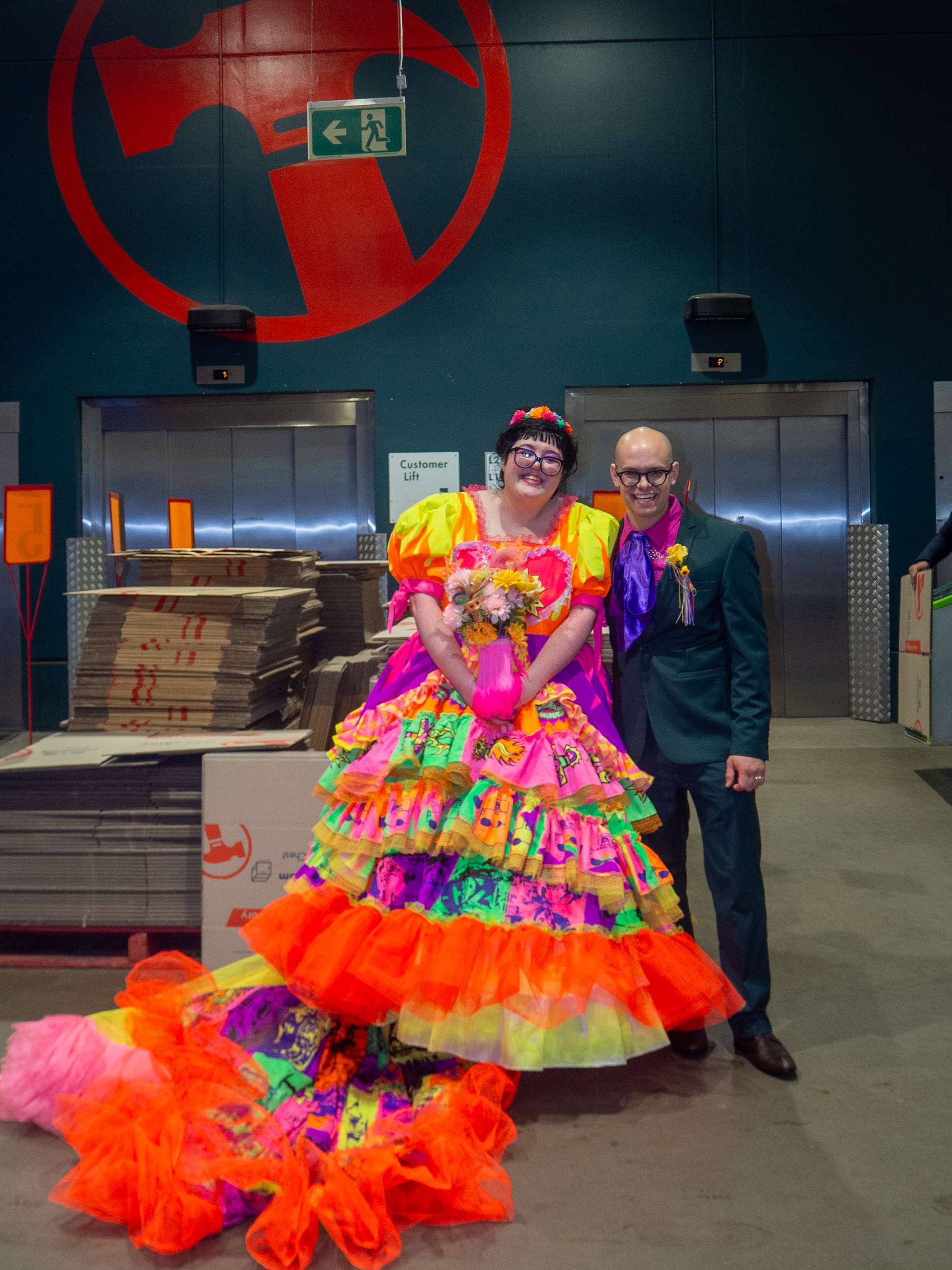
In an era where the “wedding industry” often dictates rigid expectations of luxury, formality, and tradition, Daisy and Daniel have carved out a path that is refreshingly, unapologetically authentic. For most Australians, a trip to Bunnings Warehouse—the nation’s ubiquitous home improvement giant—is synonymous with weekend chores, paint swatches, and flat-pack furniture. For Daisy, an artist, and Daniel, a dedicated gardener, it was the site of their most cherished routine. When the pair decided to exchange vows, they didn’t look to a sprawling vineyard or a boutique hotel; they looked to the aisles of their local hardware store.
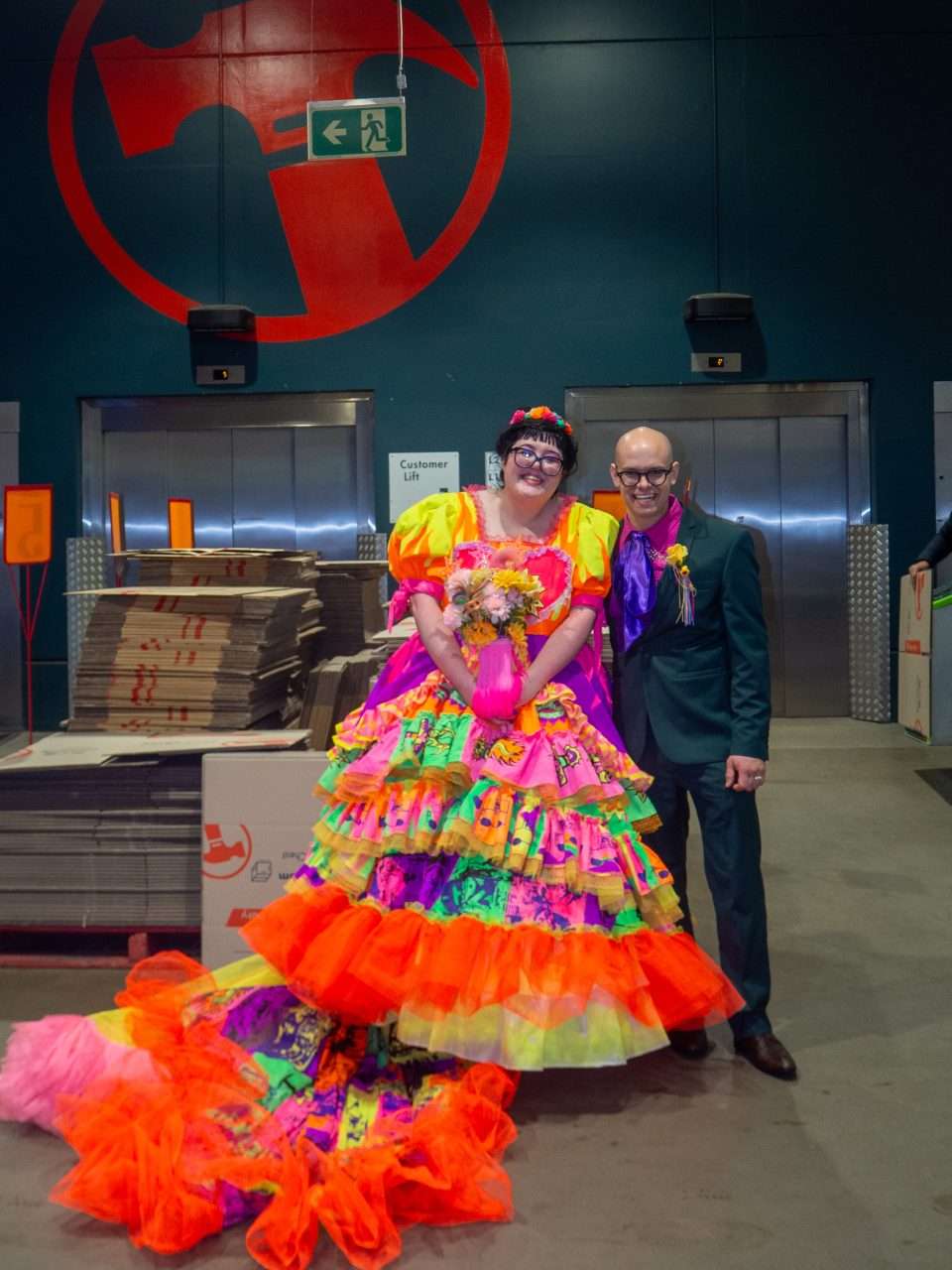
The resulting celebration was a neon-infused, DIY fever dream that challenged every preconception about what a wedding "should" look like. By blending high-vis aesthetics with profound personal meaning, the couple proved that the most memorable ceremonies are not built on budgets, but on the idiosyncratic pillars of a couple’s shared life.
The Genesis of an Unconventional Union
The choice of venue was far from a random decision. It was the culmination of years of inside jokes and a shared narrative that began long before they were a couple. Their relationship was built on the foundation of the weekend Bunnings run—a ritual of shared productivity and creative planning.
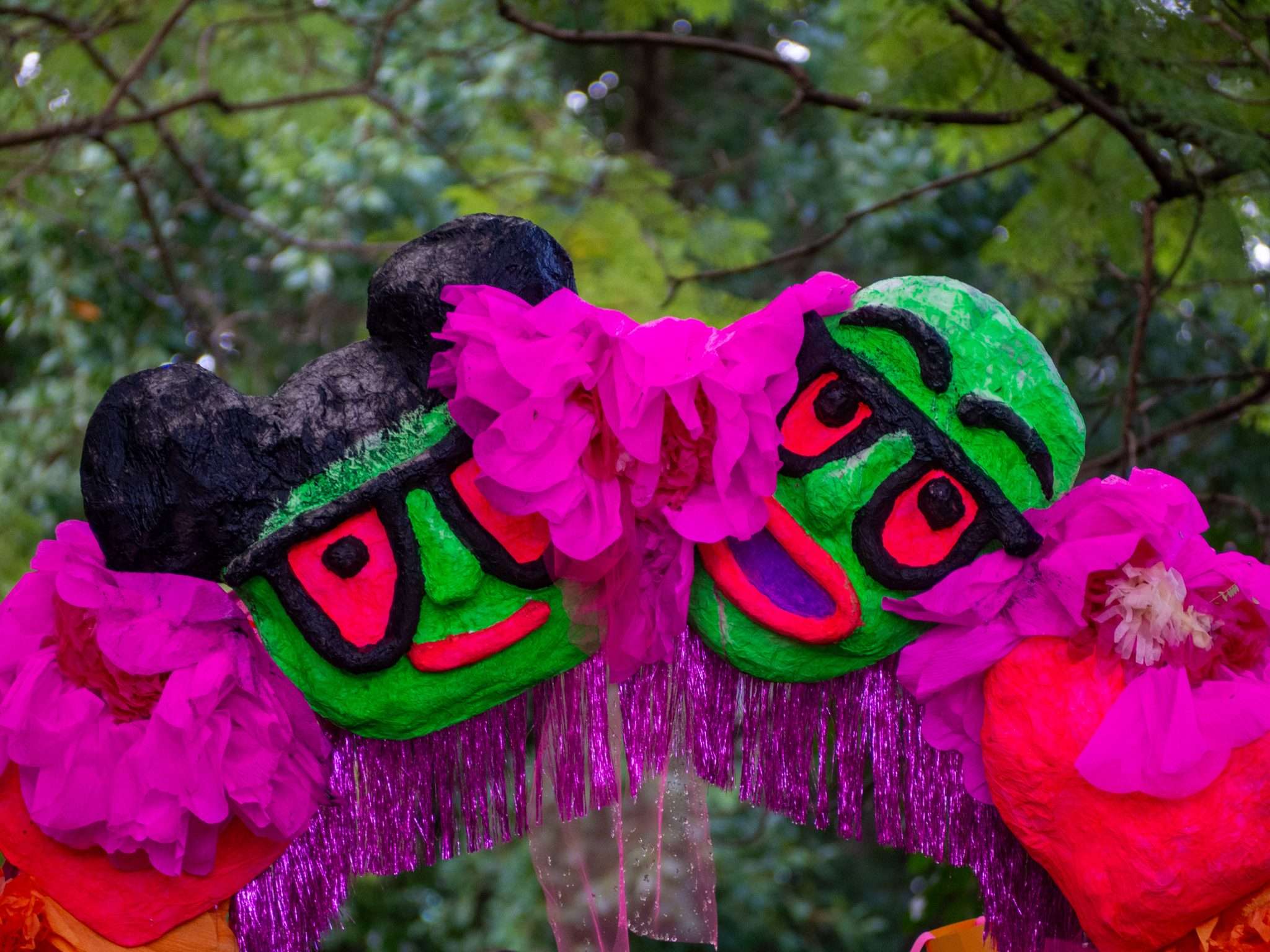
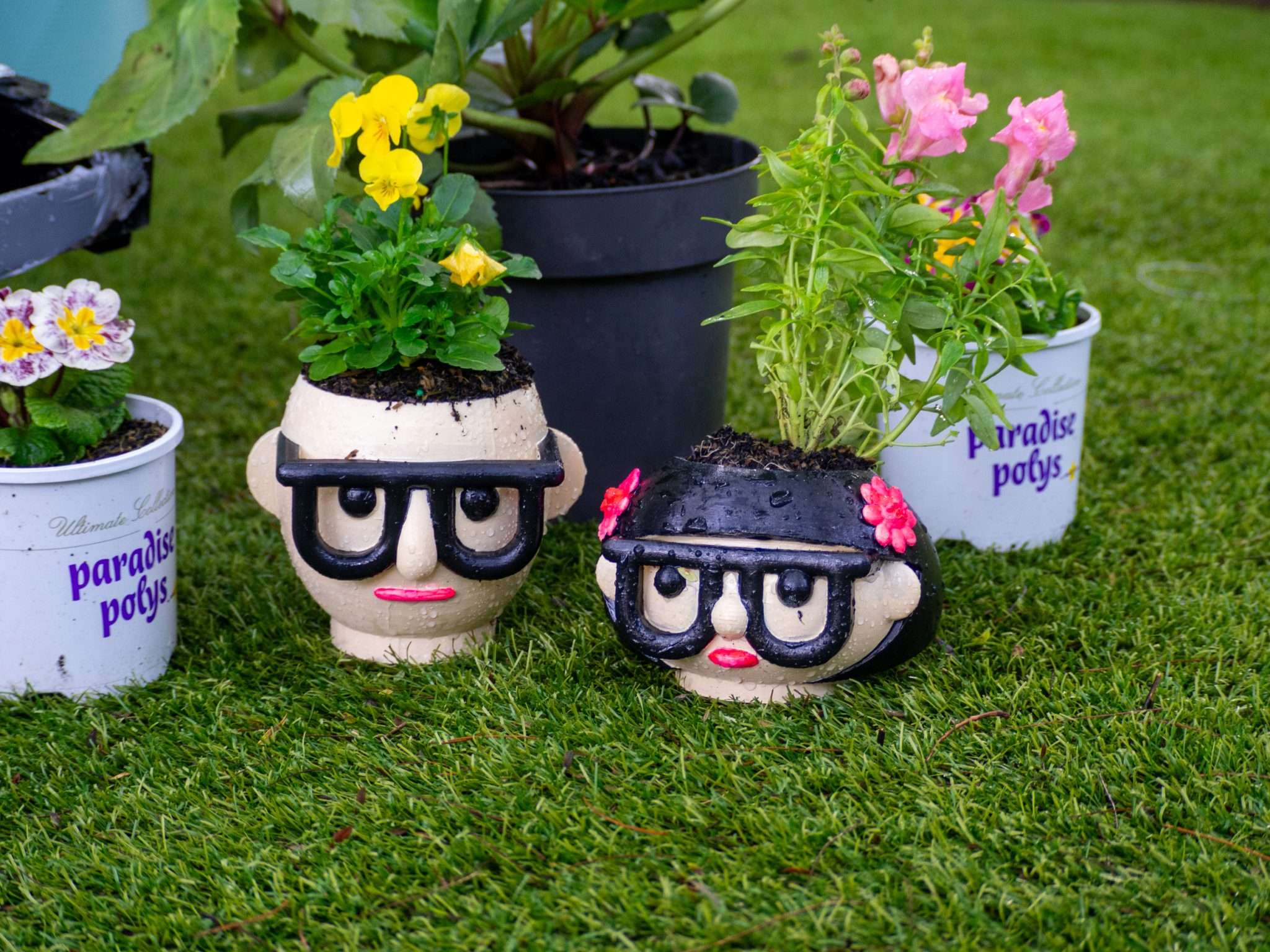
The story takes an even more whimsical turn, rooted in a pre-dating dream of Daisy’s. She once envisioned the two of them navigating the warehouse alongside a group of children, all sporting matching glasses. This bizarre, specific dream acted as a catalyst for their connection, eventually encouraging Daisy to ask Daniel out. When they finally found a Bunnings branch in Alexandria willing to host their nuptials, the "running joke" transformed into a logistical reality.
"We got married in a hardware shop, which is pretty non-traditional, but to us, Bunnings is a special place," Daisy reflects. "We go most weekends and always joked about it, but when we found a branch willing to host us, we decided that a DIY, high-vis-inspired, neon-themed wedding would be fun while still being true to who we are."
Chronology of a Warehouse Wedding
The planning process was a masterclass in resourcefulness and creative problem-solving. Because the venue was not a traditional event space, the couple had to navigate unique challenges—from insurance requirements to seasonal constraints.
The Planning Phase
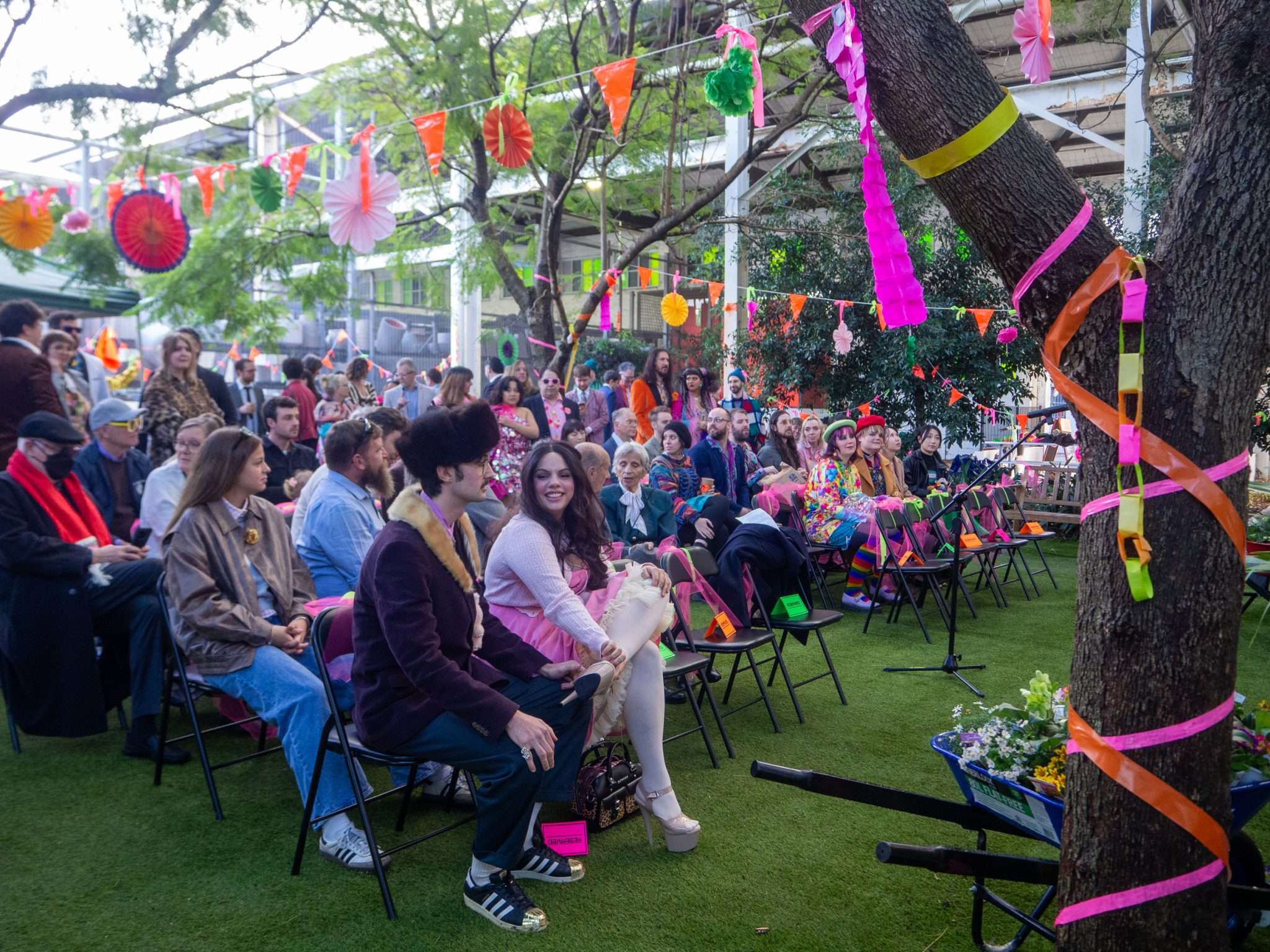
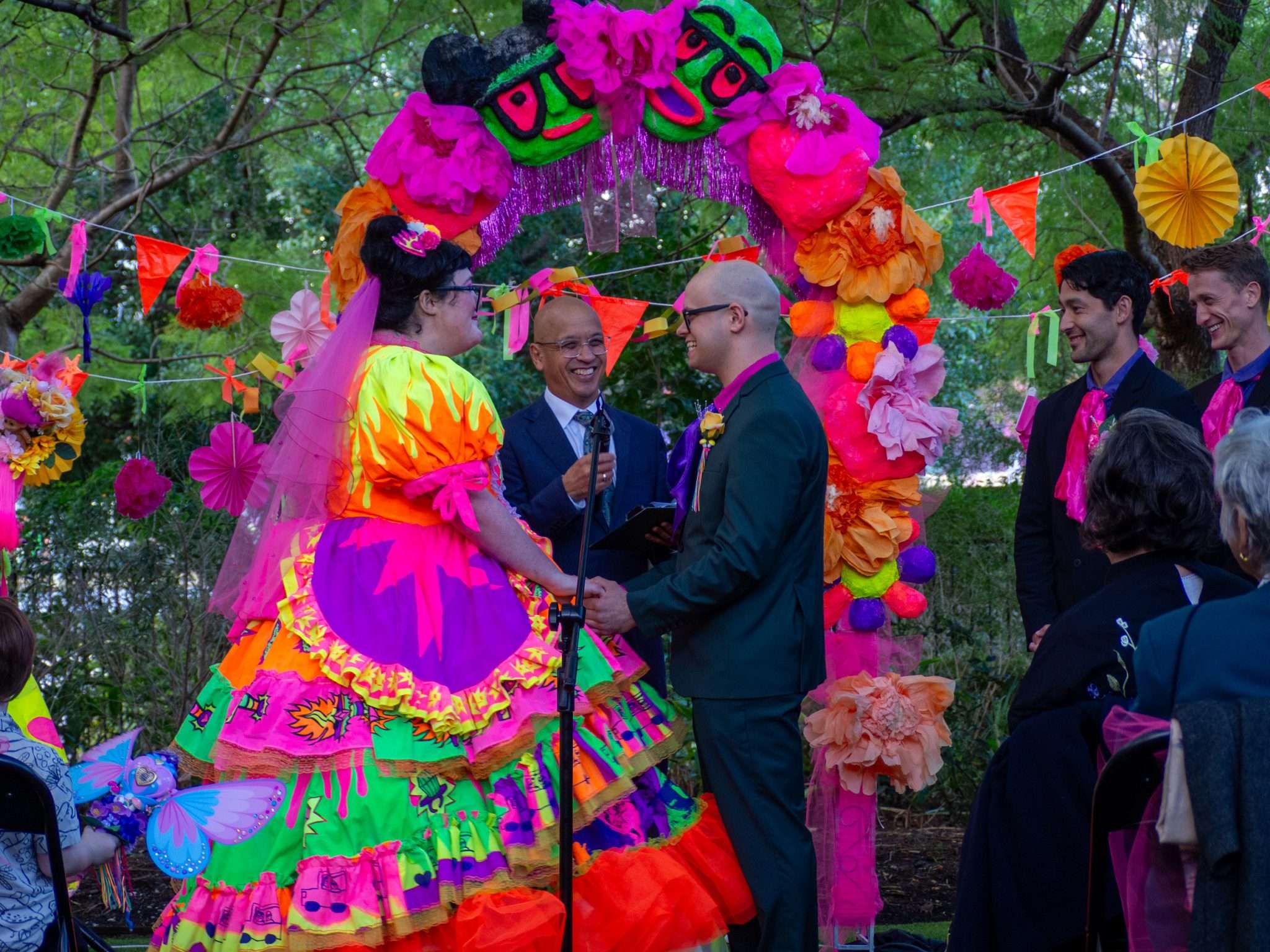
Securing the venue required a blend of negotiation and flexibility. The Alexandria branch agreed to host the ceremony in their outdoor courtyard at no cost, save for the necessary public liability insurance. However, the store requested that the event avoid the high-traffic spring and summer seasons. Consequently, the couple leaned into a winter wedding.
"We think it’s so funny that our anniversary will forever be determined by Bunnings’ peak trading times," Daisy laughs. Far from being a hindrance, the winter chill added a layer of intimacy to the event.
The Big Day
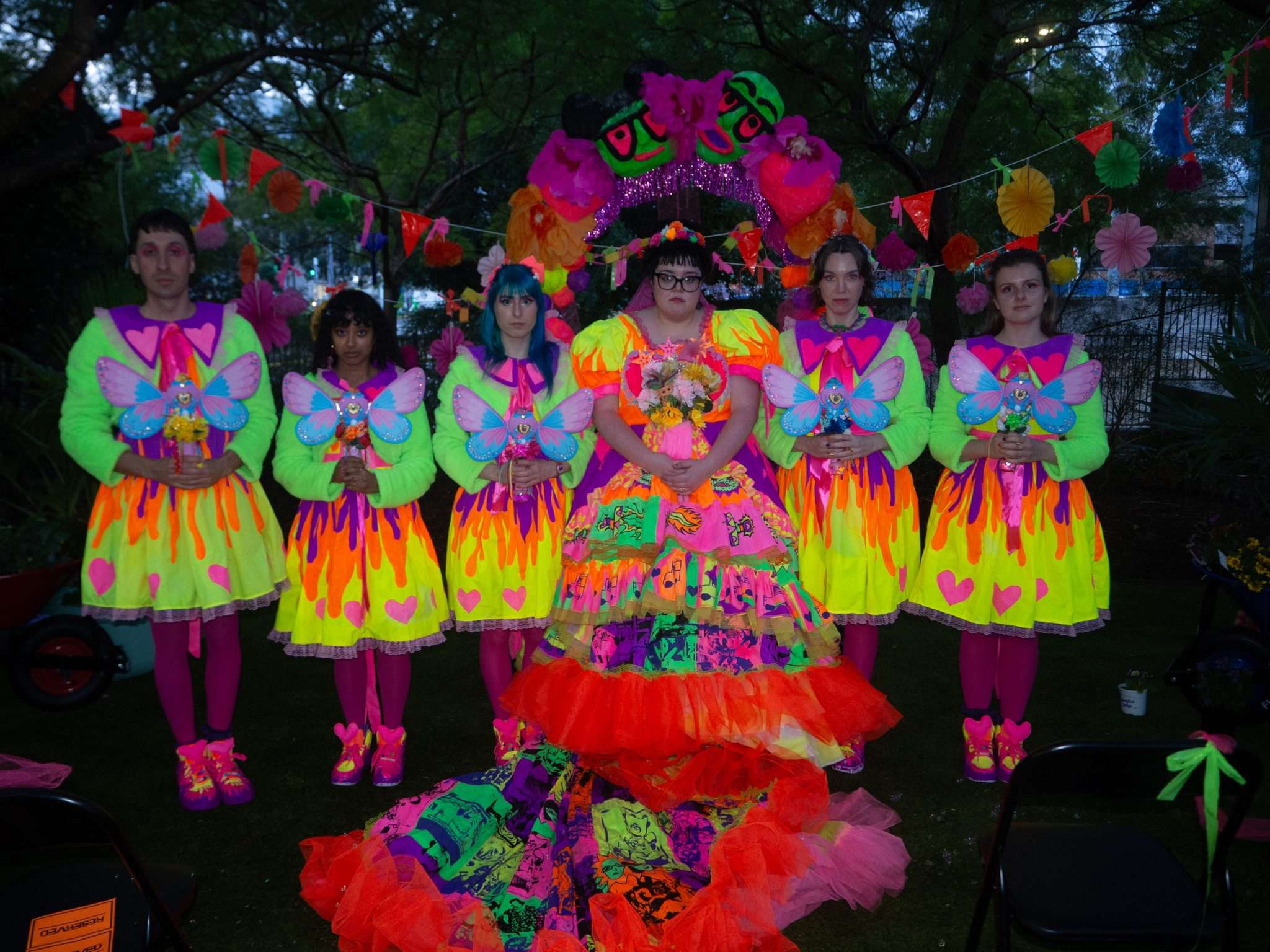
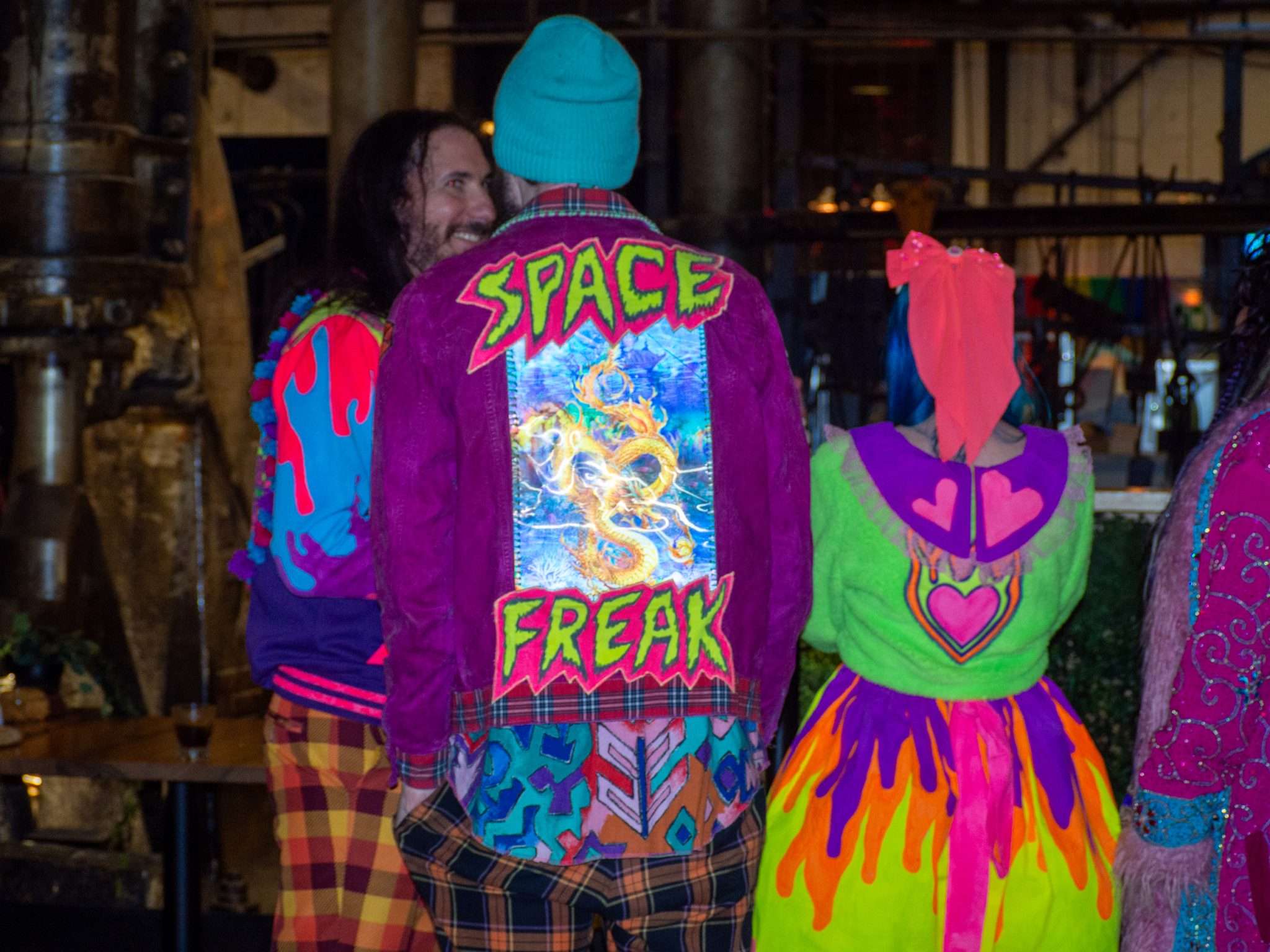
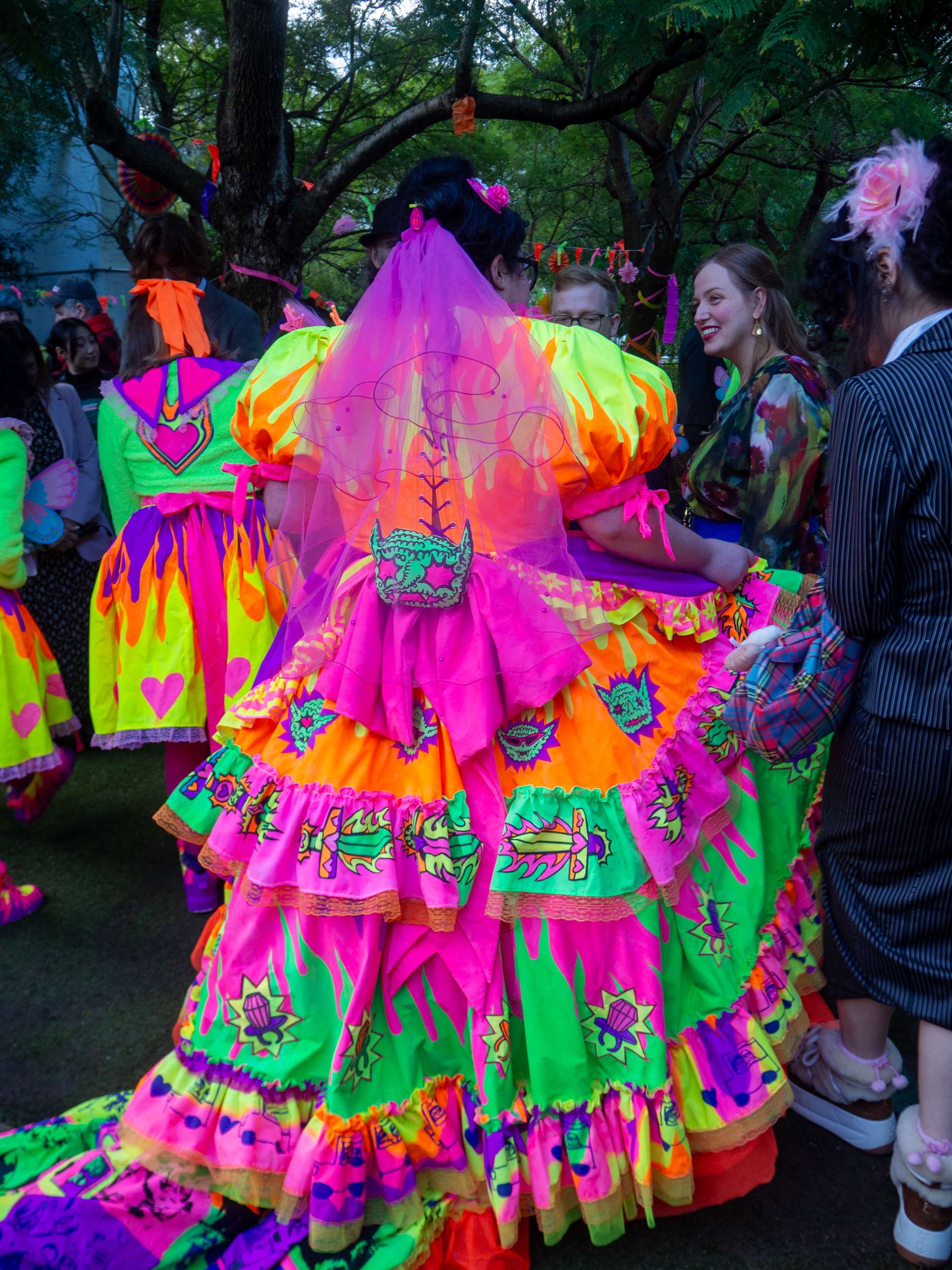
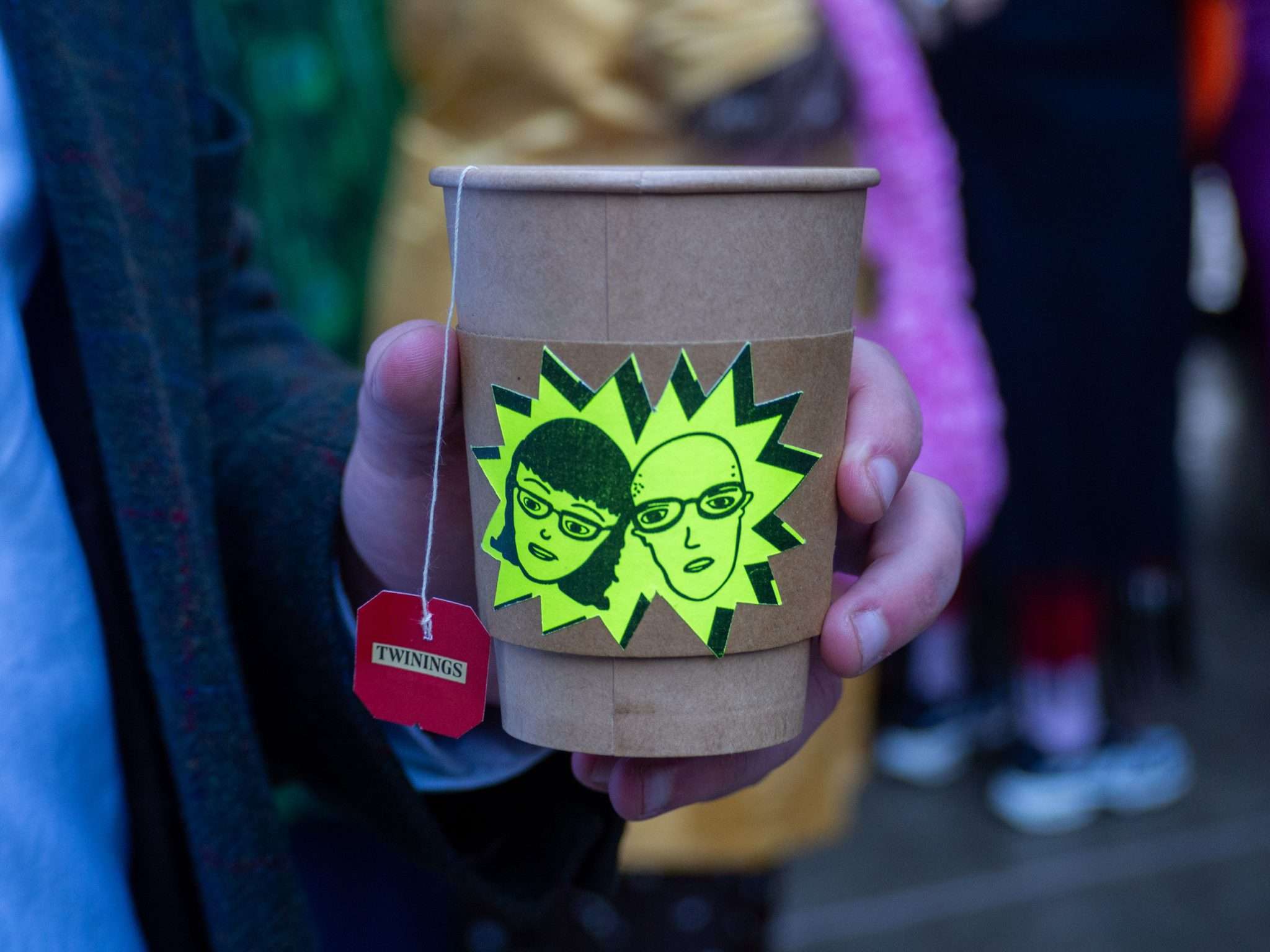
On the morning of the ceremony, the courtyard was transformed. Guests were welcomed with coffee and snacks, and in a thoughtful touch, the couple provided a collection of second-hand blankets to stave off the winter cold. The dress code—"wear something joyful"—was embraced with fervor, turning the typically industrial space into a vibrant tapestry of color and texture.
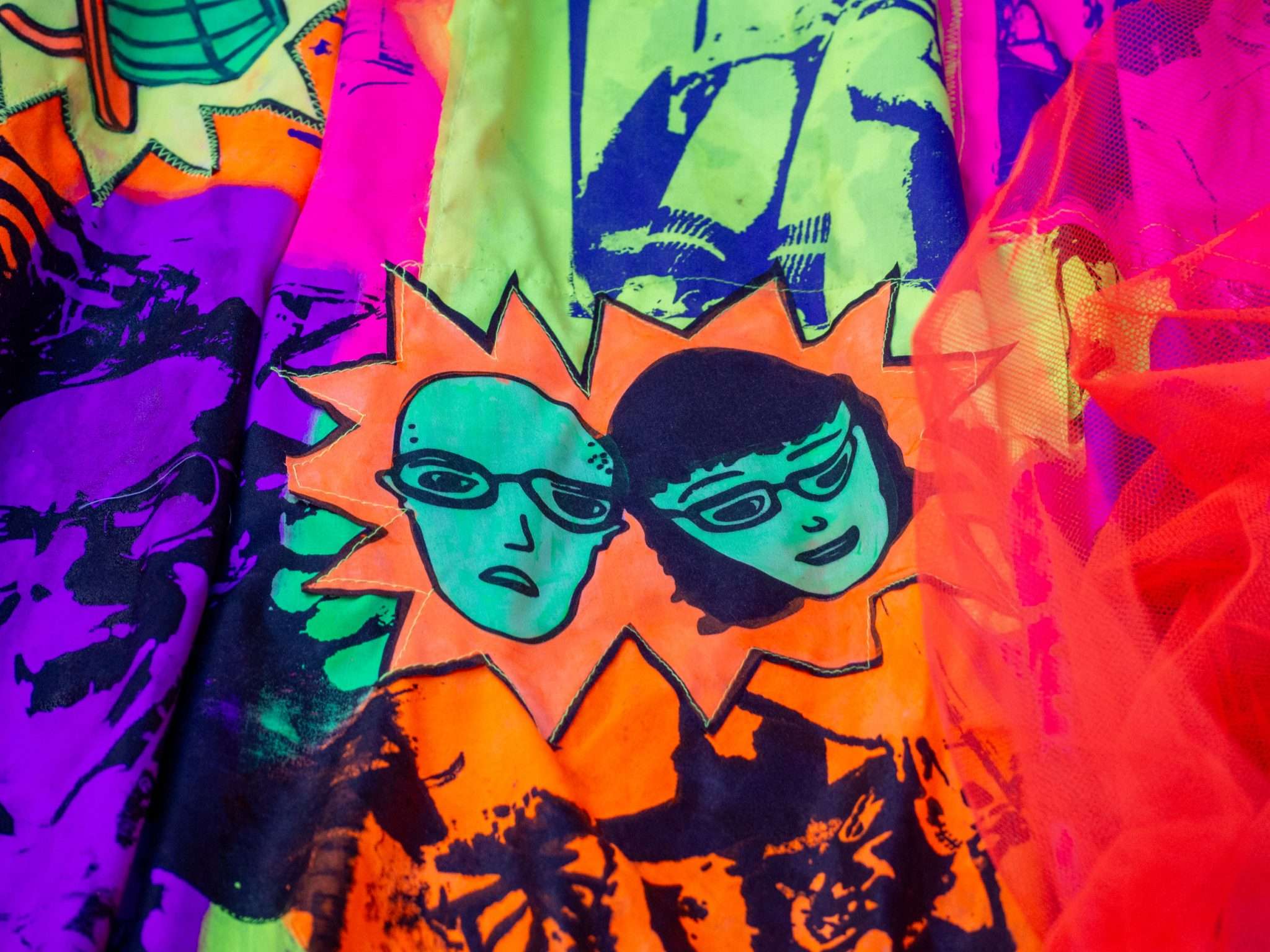
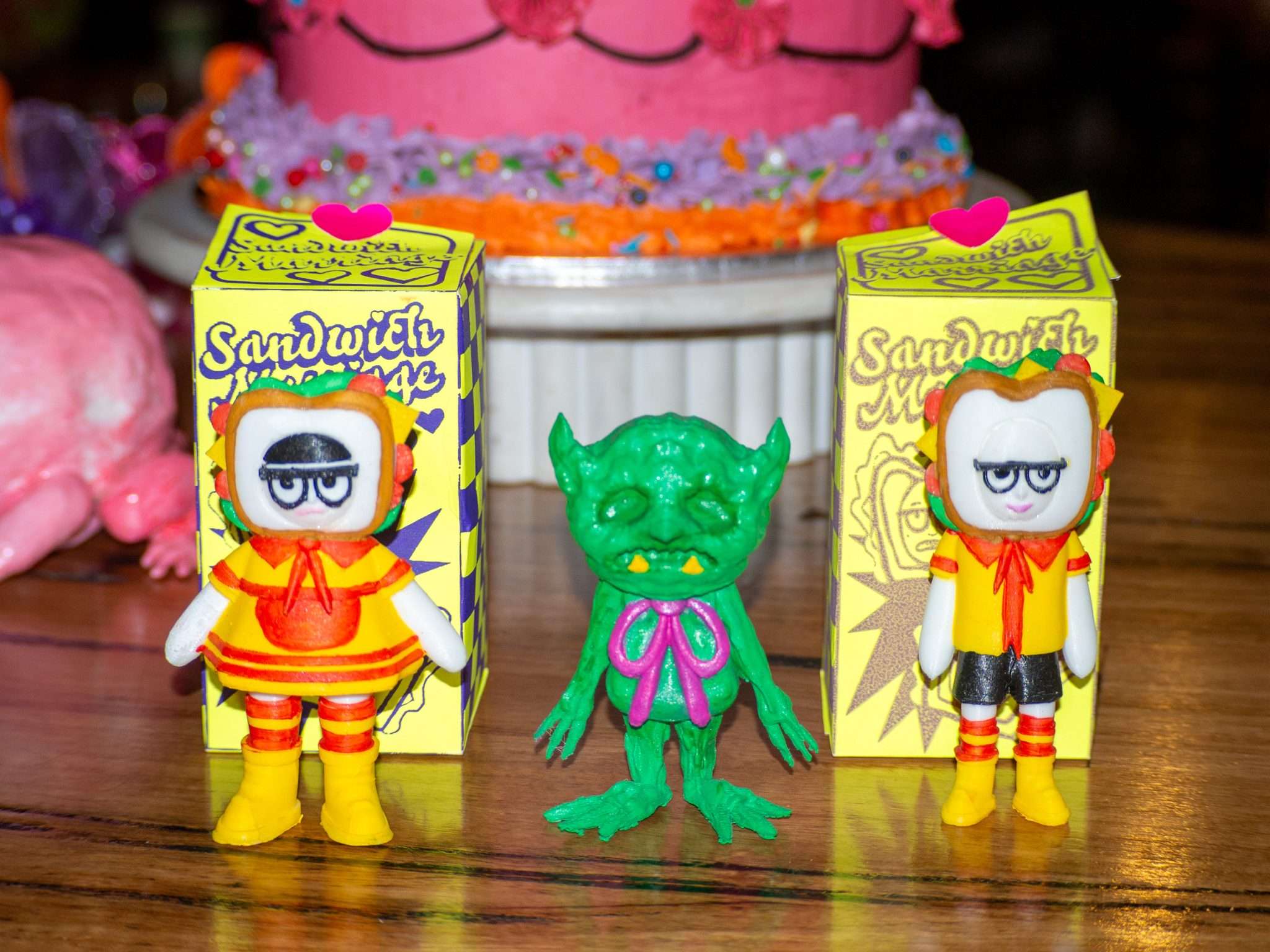
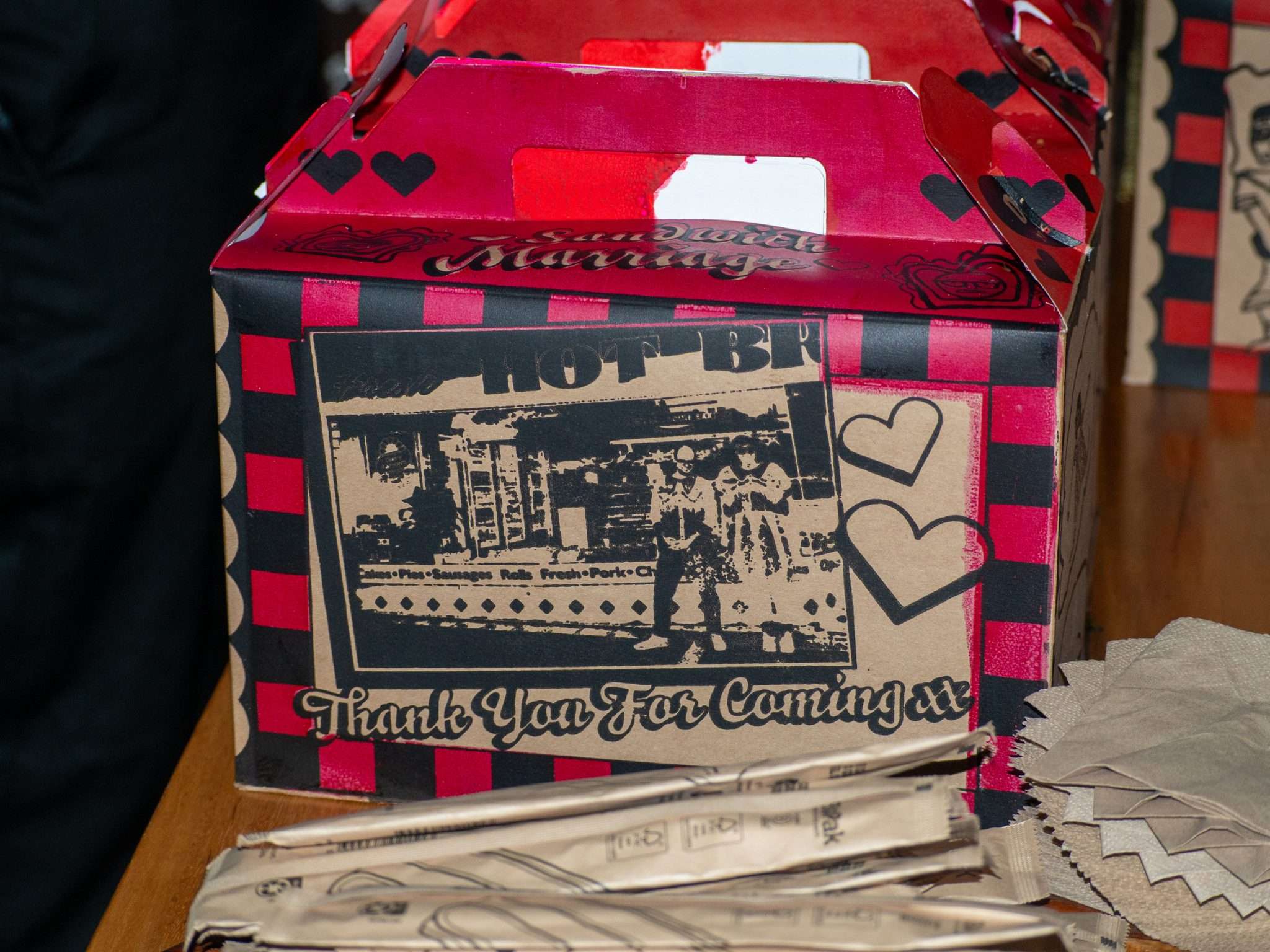
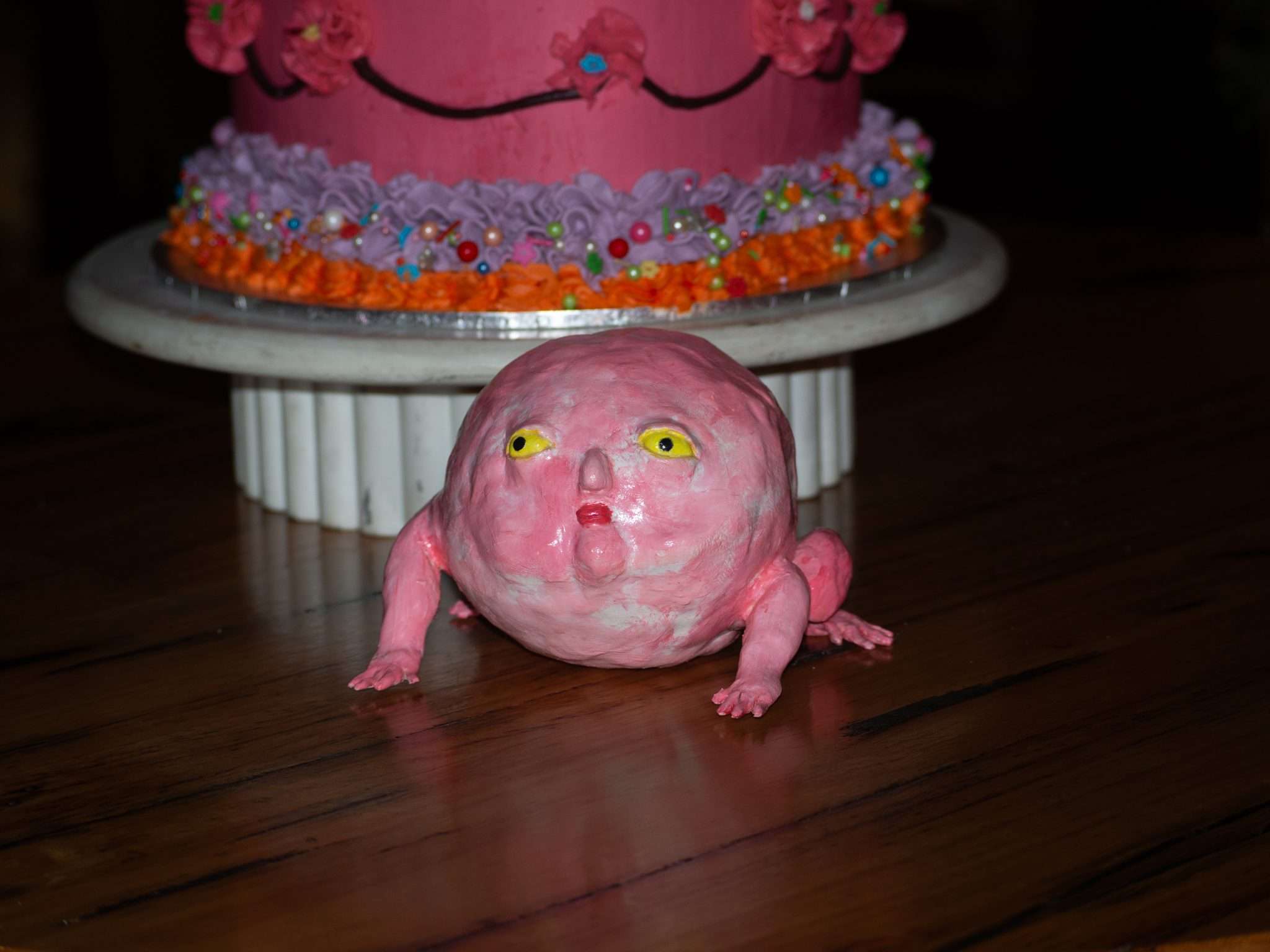
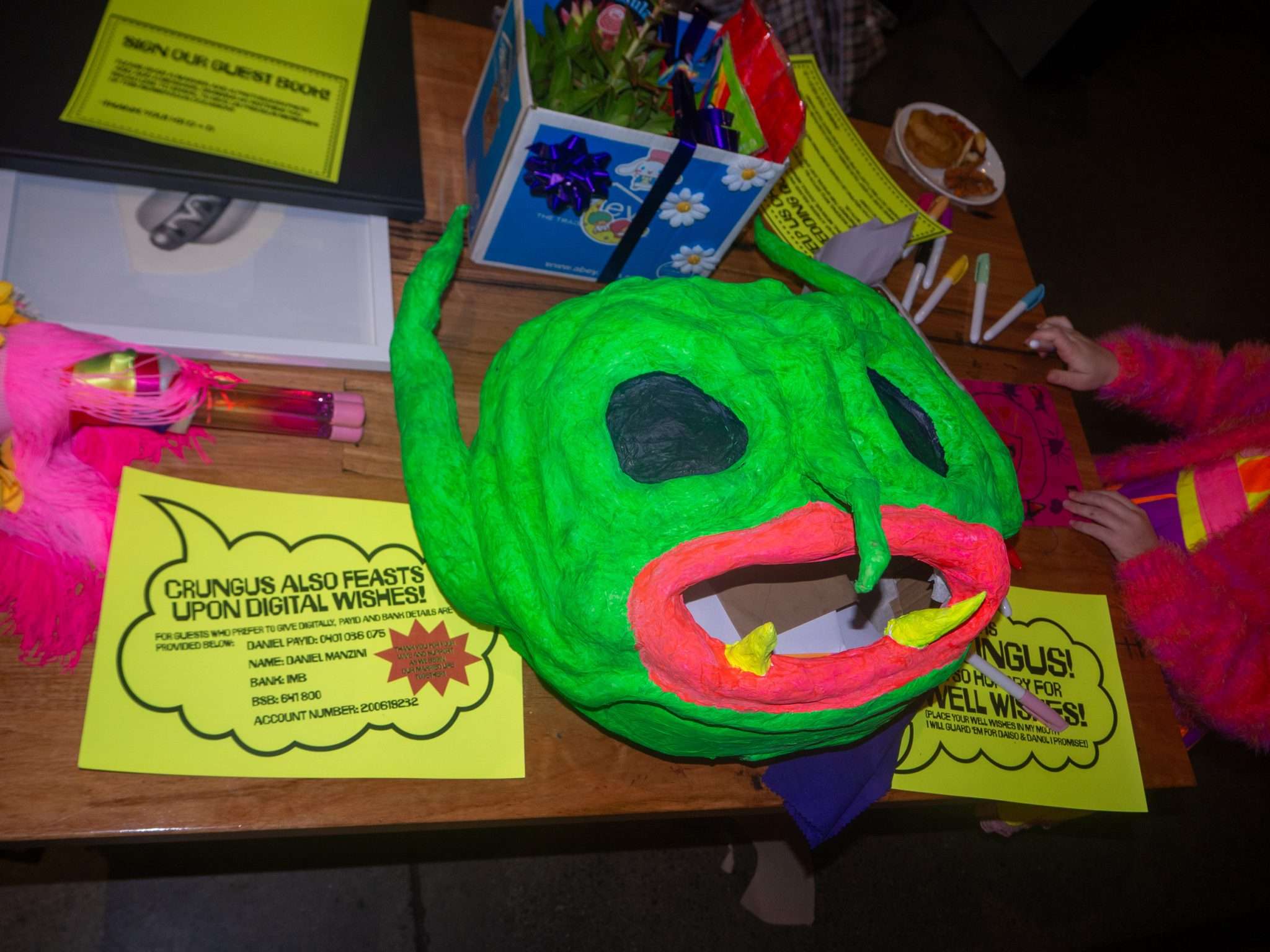
Following the ceremony, the wedding party moved to a local Brew Dog location for the reception. Here, the couple’s novelty band, Sandwich Magic, influenced the theme. The reception featured an "official Sandwich Marriage Meal," with the couple hand-screen-printing custom meal boxes in their own kitchen. Each box was a labor of love, containing a burger, fries, and a 3D-printed, custom-designed blind-box toy featuring the couple and a mysterious goblin character named "Crungus."
Supporting Data: The Economics of Creativity
One of the most striking aspects of Daisy and Daniel’s wedding was the conscious rejection of traditional luxury spending. By opting for a non-traditional venue and sourcing materials through thrift stores and DIY labor, the couple bypassed the "wedding tax" that often inflates costs for standard ceremonies.
- Venue Costs: The venue fee was effectively zero, with only insurance costs incurred.
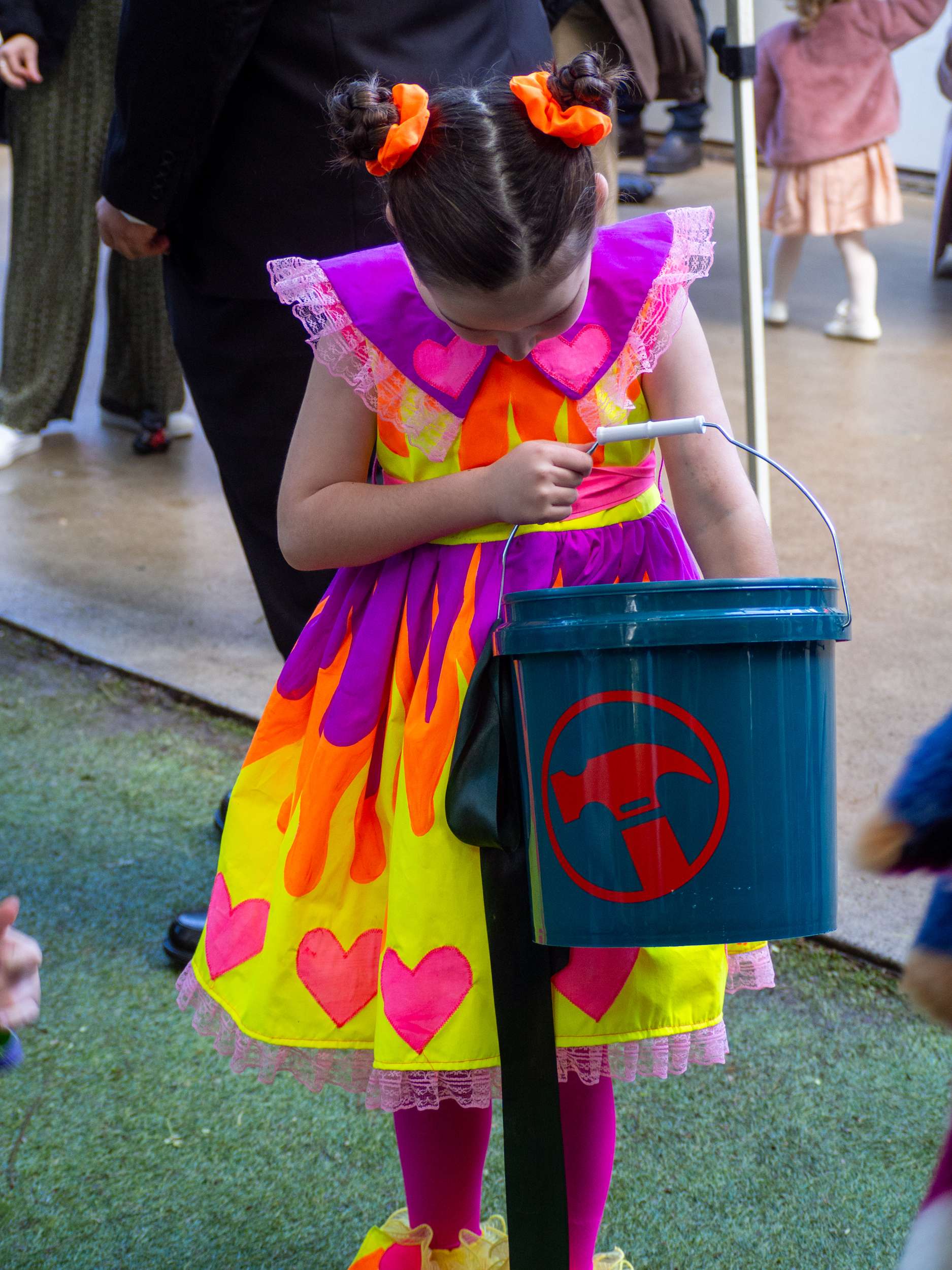
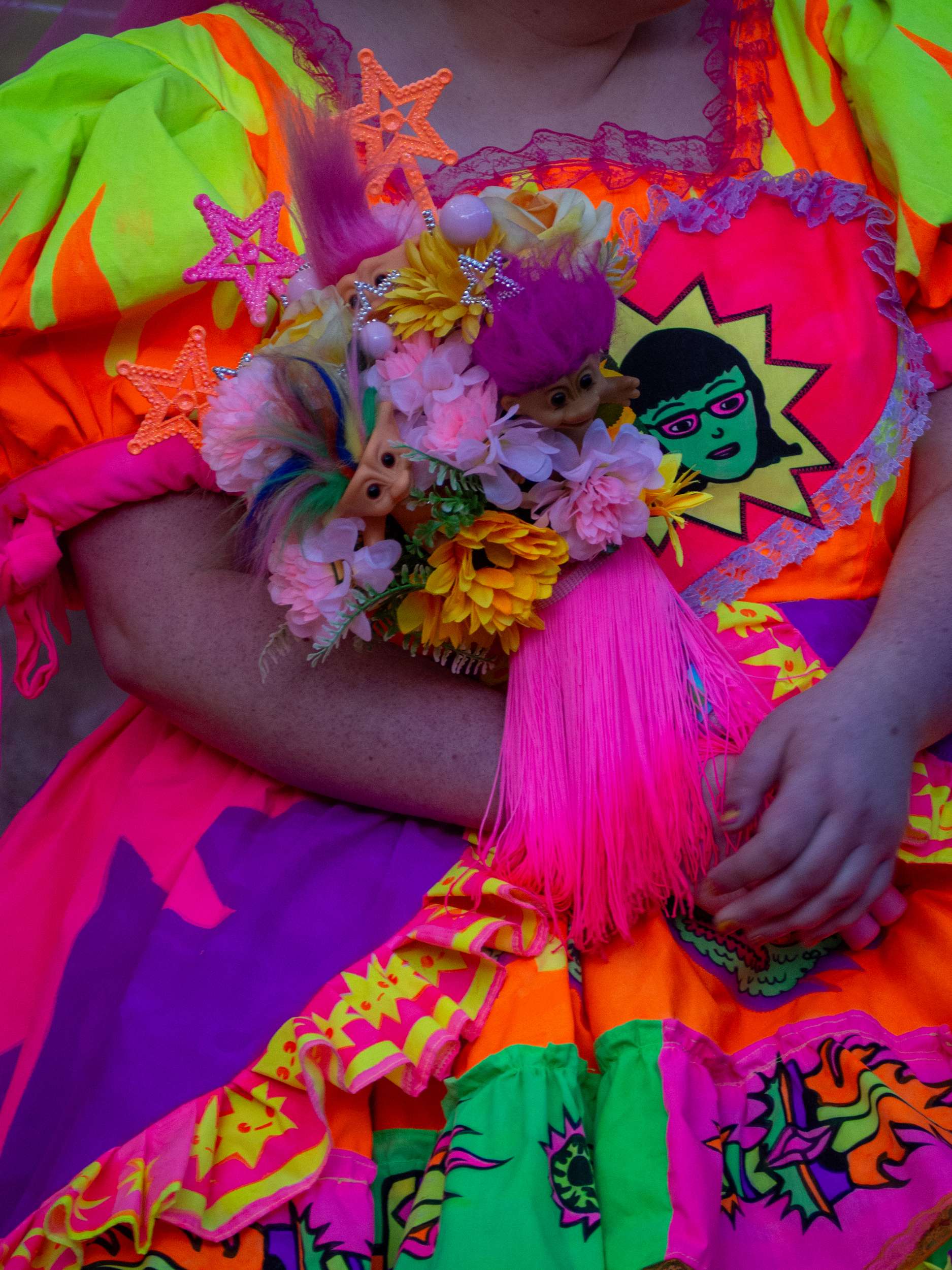
- Attire: The bridesmaids’ dresses, handmade by Daisy, cost approximately $40 each. The flower children’s outfits were also DIY projects.
- Engagement: The ring was a Ring Pop, a deliberate choice reflecting Daisy’s active, creative lifestyle.
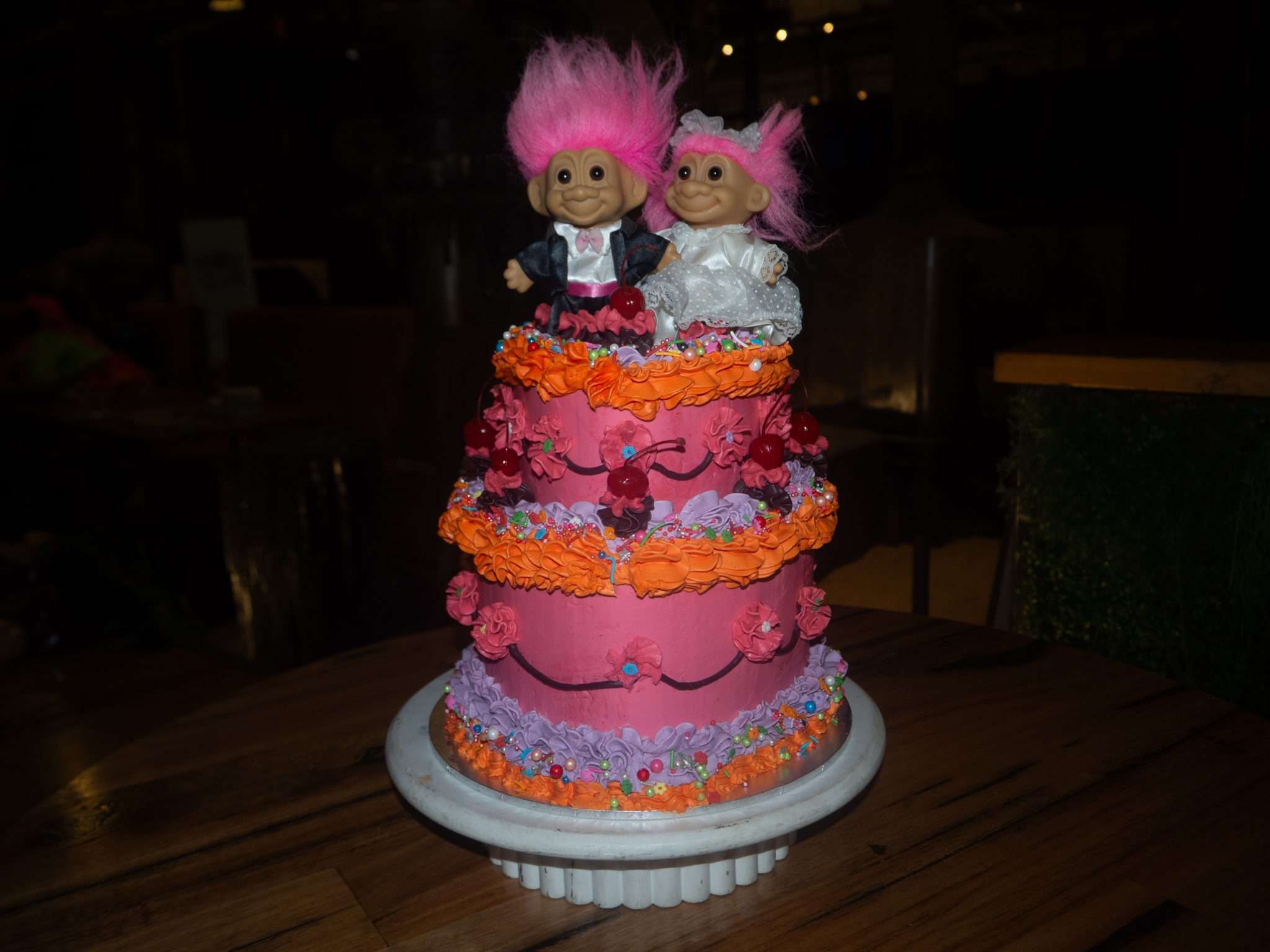
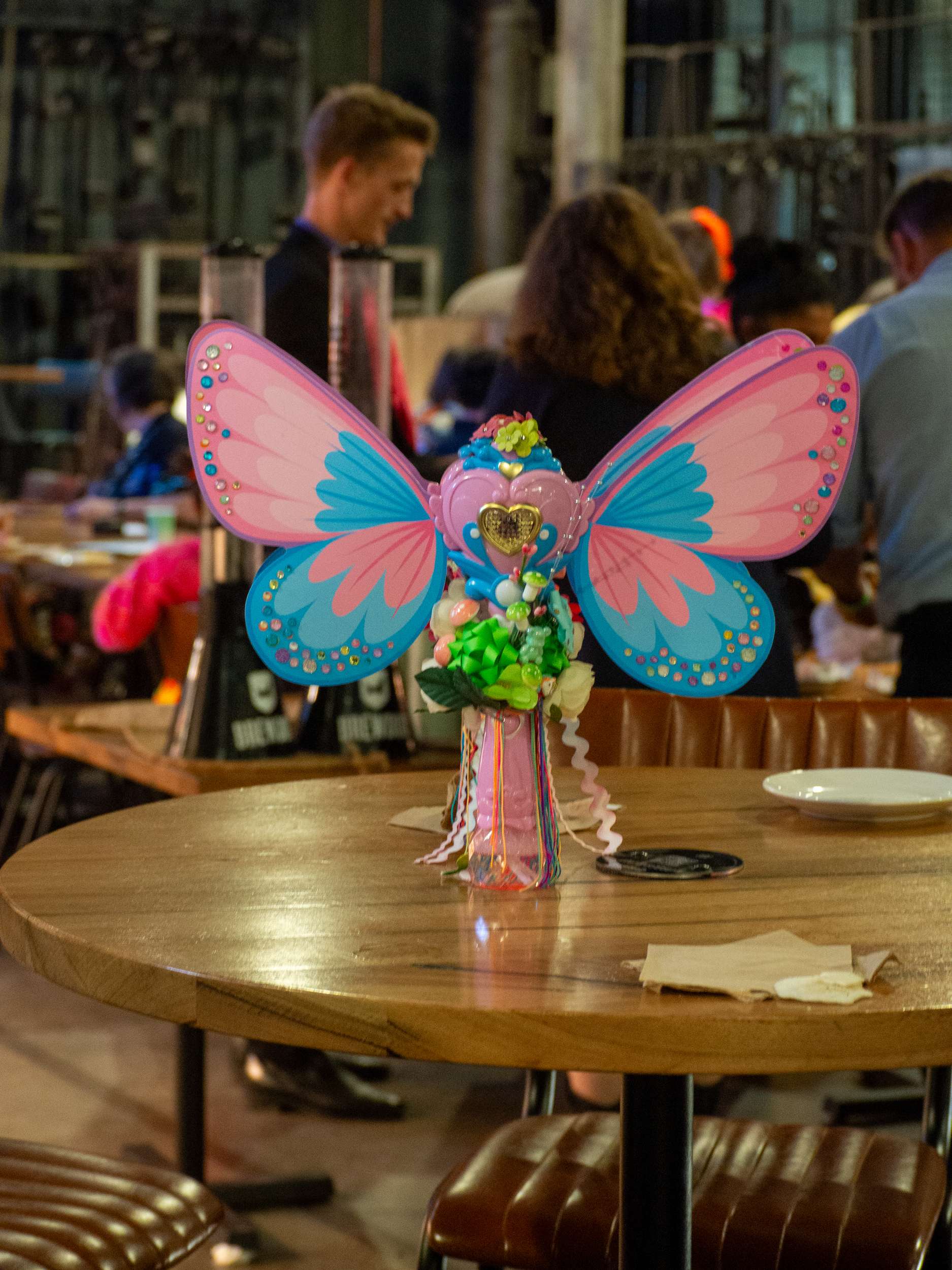
- Decor: The couple utilized fake flowers and second-hand trinkets, which not only reduced costs but allowed for the collection of peculiar, meaningful items that a florist could never curate.
The financial philosophy was simple: "Sure, we can only afford to feed the guests burgers, but we can design our own happy meals and make it unforgettable," says Daisy. This mindset transformed budgetary limitations into a creative framework.
Official Responses and Cultural Impact
While the couple’s choice of venue has garnered significant attention, the response from the public and their social circles has been a mix of bewilderment and immense support. For the couple, however, the opinions of others were secondary to the joy of their collaboration.
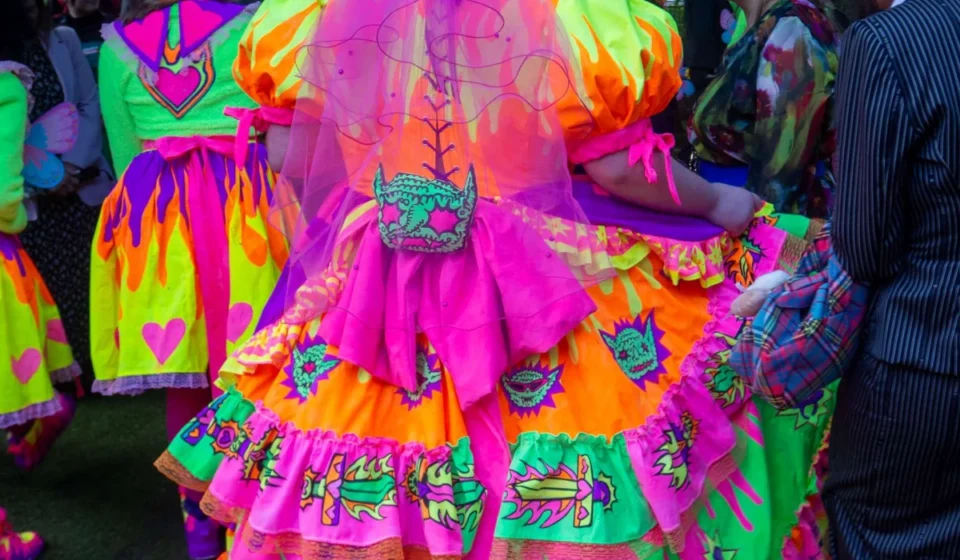
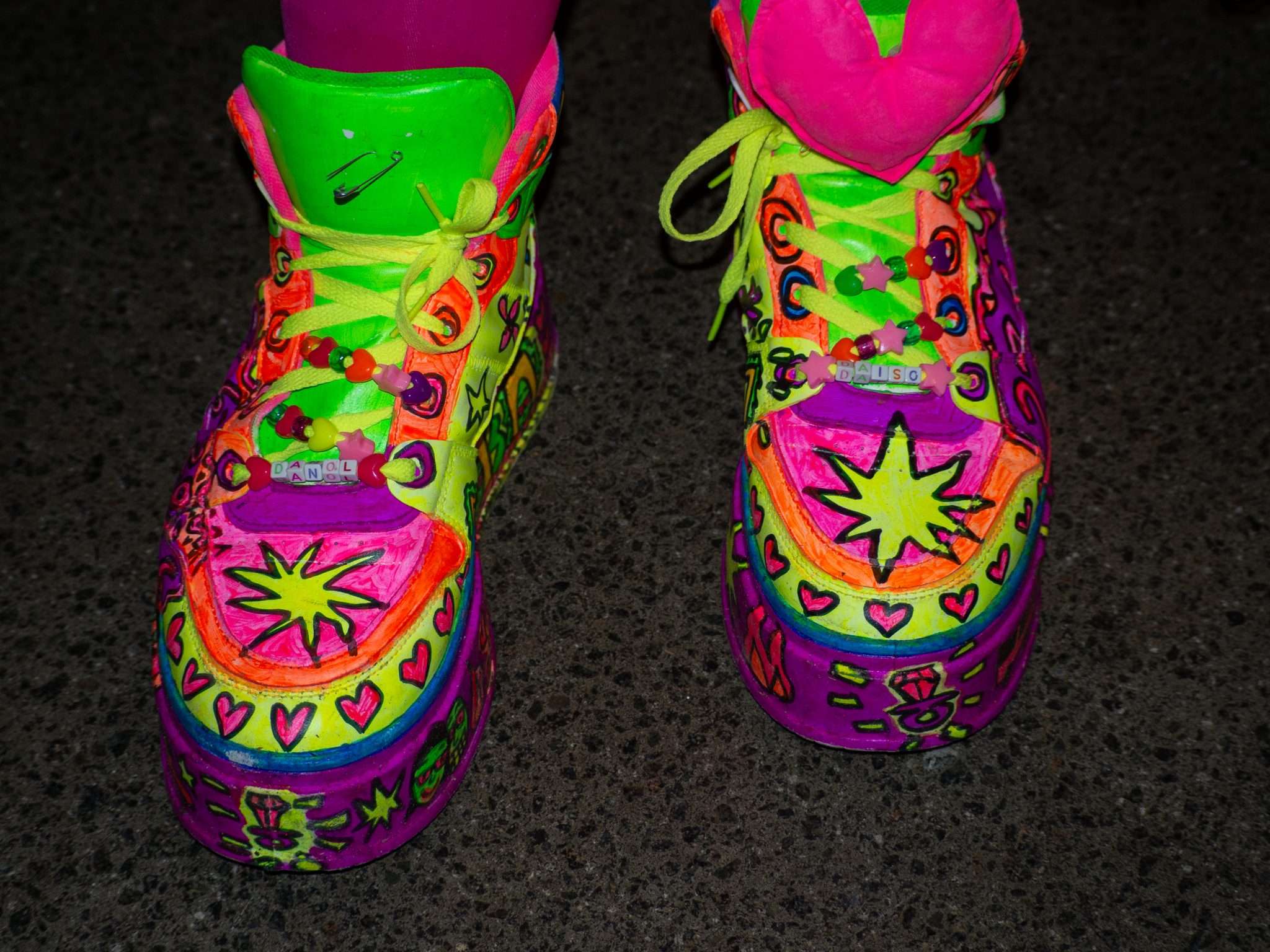
Daisy encountered significant criticism during the planning process, particularly regarding her handmade dress and the couple’s decision to forgo traditional jewelry. "I had so many weird comments made to me about what I was planning to wear," she notes. "It really sparked me to be like, ‘Forget that.’ I’m going to be as massive and obnoxious as I can and just have fun and be 100% myself."
The couple’s commitment to their vision served as a direct rebuttal to the societal pressures placed on brides and grooms to conform. By choosing to wear high platforms and a large dress—despite the unsolicited advice that she should wear flats—Daisy reclaimed her agency, turning her appearance into a statement of defiance and celebration.
Implications for the Modern Wedding Industry
The Bunnings wedding serves as a case study for the "de-institutionalization" of marriage. In recent years, there has been a growing trend of couples moving away from high-priced, standardized weddings in favor of "micro-weddings" or "anti-weddings" that prioritize personal values over established conventions.
Redefining Authenticity
Daisy and Daniel’s wedding illustrates that "authenticity" is not just a buzzword; it is a measurable result of aligning one’s wedding day with one’s lifestyle. By incorporating their art, their band, and their favorite weekend haunts, they created a day that was inherently theirs, rather than a performance for the benefit of tradition.
The Rise of the "Niche Skill" Wedding
The couple’s reliance on their own artistic skills—screen printing, sewing, 3D modeling, and painting—suggests a shift in how modern couples perceive "value." Rather than purchasing expensive, mass-produced wedding items, they invested time and labor. As Daisy noted, "Every challenge we met in the planning process, we were able to ask, ‘What niche random skill can we call upon to solve this problem?’"
A Challenge to Conformity
The implications for the wedding industry are clear: the desire for standardized, luxury-tier weddings is waning among a demographic that prioritizes creativity and sustainability. When couples see that a "chaotic, punk, and silly" wedding can be just as, if not more, successful than a traditional one, it opens the door for a more diverse landscape of celebrations.
Conclusion
Daisy and Daniel’s wedding at Bunnings Warehouse was more than a quirky headline; it was an act of rebellion. By rejecting the commodification of love, they successfully demonstrated that a wedding is not a set of instructions to be followed, but a creative canvas to be painted.
In a world that often demands we fit into predefined boxes, the couple chose to build their own—literally and figuratively. Whether it was the hand-painted wedding dress, the 3D-printed toys, or the simple joy of an aisle lined with hardware, the event serves as an enduring reminder: celebrate however you like. Be as chaotic, punk, and silly as you can, because, at the end of the day, it is your story to write.