
Beyond the Brochure: The Art of Planning a Destination Wedding That Remains Authentically Yours

The allure of a destination wedding is undeniable. The promise of golden-hour sunsets, exotic backdrops, and a celebration that doubles as a luxury holiday draws thousands of couples away from their home countries each year. Yet, beneath the glamour of the Instagram-perfect photos lies a logistical contradiction: how does a couple infuse their unique personality into a day that is frequently sold as a "turnkey" package?
Planning a wedding abroad often feels like a conveyor belt process. Venues offer standardized sets—the same floral arrangements, the same chair covers, and the same rigid itineraries that have served hundreds of couples before you. While these packages provide a sense of security for those organizing from afar, they often strip the celebration of its individual spirit. The secret to a successful destination wedding lies not in avoiding packages entirely, but in knowing exactly where to leverage them and where to exert your creative control.
The Foundation: Strategy and Logistics
Prioritizing Experience Over Aesthetics
Before selecting a venue, couples must define the "experience architecture" of their day. Are you looking for an intimate, secluded villa retreat, or a vibrant, party-centric atmosphere in a bustling coastal town? The location should dictate the venue, not the other way around.
When considering a region—such as the picturesque Mediterranean coast of Antalya, Türkiye—the versatility of the area is key. Antalya offers a staggering variety of environments, from historic ruins and marinas to private botanical gardens and ultra-modern event spaces. By identifying your preferred "vibe" (e.g., quiet, luxury, or accessibility-focused), you can narrow down your search based on infrastructure rather than just a pretty photograph.

The Invaluable Role of Local Expertise
One of the most common pitfalls for international couples is relying solely on online brochures. A venue that looks breathtaking on a screen may lack the necessary power supply for your lighting team, or may be situated in a zone prone to high winds that could compromise an outdoor ceremony.
Working with a local wedding planner is no longer a luxury; it is a vital safeguard. Firms like Solara Event, based in Antalya, bridge the gap between local reality and international expectations. By employing coordinators who have lived and worked in the UK—such as Berkan Özyurt, who leads international client communication—agencies can translate the specific nuances of British wedding culture into the practical realities of a Turkish event. This local advocate handles everything from supplier vetting to the critical logistics of on-the-day management.
Chronology of Planning: A Step-by-Step Approach
A destination wedding requires a shifted timeline compared to a local event. Experts recommend a 12-to-18-month lead time to account for international shipping, travel arrangements, and the potential for bureaucratic hurdles.
- The Concept Phase (18–15 months out): Decide on the region and the scale. Are you hosting 30 guests or 150? This number dictates your venue options entirely.
- The Scouting Phase (15–12 months out): If budget allows, visit the location. If not, engage a local planner to perform a virtual site tour, specifically checking for "hidden" logistics like sound restrictions or guest transport routes.
- The Contract Phase (12 months out): This is where you audit the "package." Ask for a line-item breakdown. Are you paying for overheads like lighting, service hours, and generator fees? Ensure these are explicit in the contract.
- The Design & Logistics Phase (12–6 months out): Coordinate with local suppliers. This is when you decide which "standard" elements you will reject in favor of bespoke touches.
- The Final Countdown (6–1 months out): Finalize guest travel logistics and the "weekend itinerary."
Supporting Data: The Anatomy of a Package
Couples often fall into the "per-person pricing" trap. A quote that seems highly affordable often excludes essential production costs. To avoid unexpected invoices, couples should conduct a "Stress Test" on their quotes:
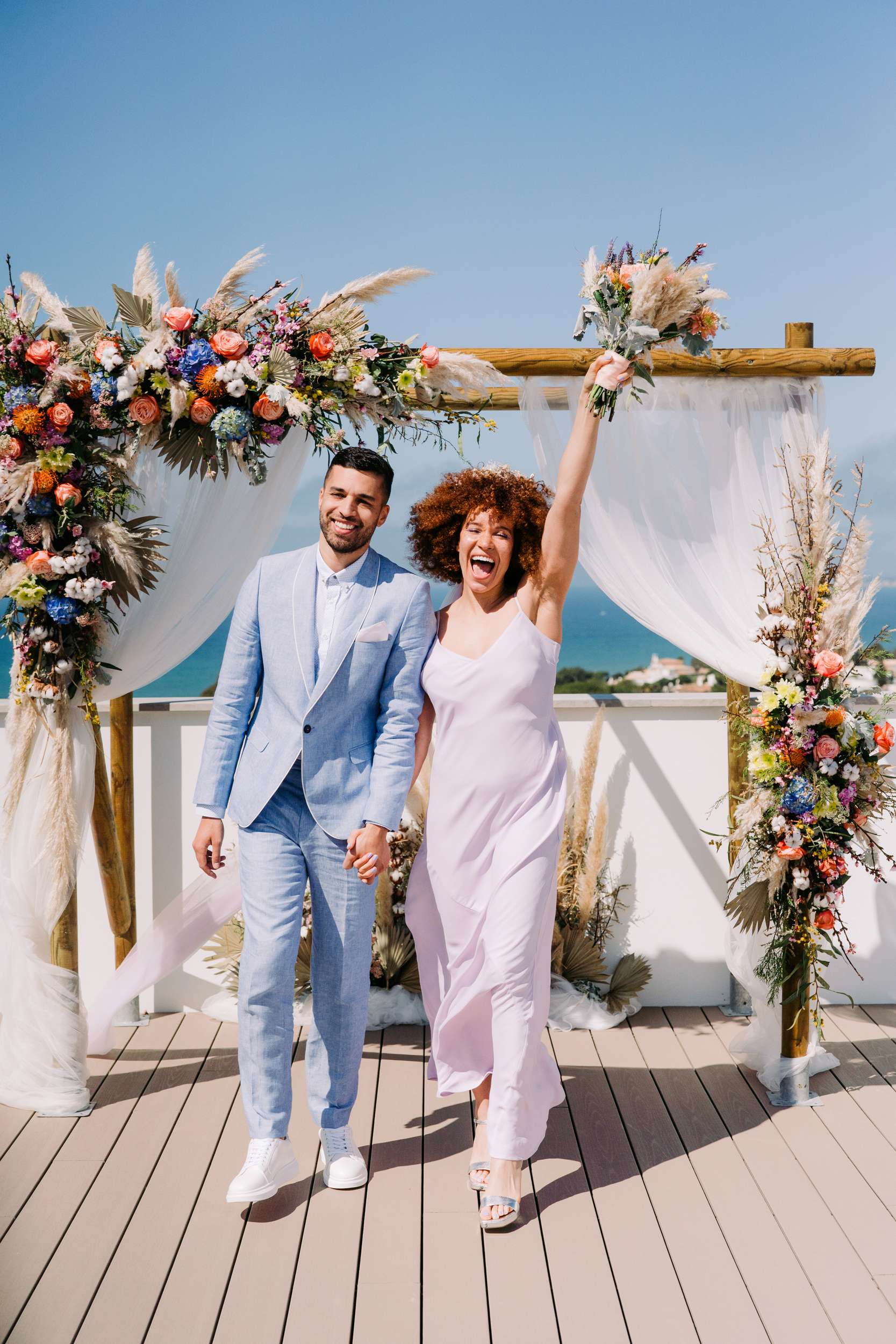
- Production Costs: Does the quote include the cost of bringing in external vendors? Many venues charge "buy-out" fees for using non-approved caterers or florists.
- The "Hidden" Hours: Many venues have strict noise curfews. Check if your package includes "overtime" fees or if the party must move indoors at a specific time.
- Contingency Costs: Weather is the biggest variable in destination weddings. A venue’s "Plan B" space should be just as beautiful as the primary location. If the alternative is a windowless conference room, you need to budget for extra decor to make that space feel special.
Official Guidance on Weather and Climate
Weather planning in destination hotspots like the Mediterranean is a science, not a guess. During the peak summer months, the midday sun can be debilitating for both guests and wedding aesthetics.
Professional photographers advise against high-noon ceremonies not just for comfort, but for lighting quality. The "harsh" overhead sun creates deep shadows on faces. Shifting a ceremony to the late afternoon or early evening provides "golden hour" lighting, which is universally more flattering.
Pro-tip: If your heart is set on a summer date, implement a "heat protocol." This includes:
- Providing parasols and handheld fans for guests.
- Ensuring a constant flow of chilled, non-alcoholic beverages.
- Adjusting the dress code (e.g., linen suits, breathable fabrics) to match the climate.
Implications for Guests: The "Traveler’s Journey"
The success of your wedding is directly tied to how easy you make the journey for your guests. From the moment they land, they are in a foreign environment. Providing a comprehensive "Guest Portal" or information pack is essential.
Include:
- Airport Transfers: Do not assume guests can navigate local taxis. Providing a dedicated shuttle service or a list of trusted, pre-vetted transport companies is a sign of a thoughtful host.
- Accommodation Tiers: Offer recommendations at three price points (budget, mid-range, luxury).
- The "Buffer" Event: If guests are flying across continents, one day of celebration often isn’t enough to justify the travel. Organizing a casual "welcome drink" or a "day-after brunch" transforms the wedding from a transaction into a true vacation experience.
Ensuring Authenticity in Design
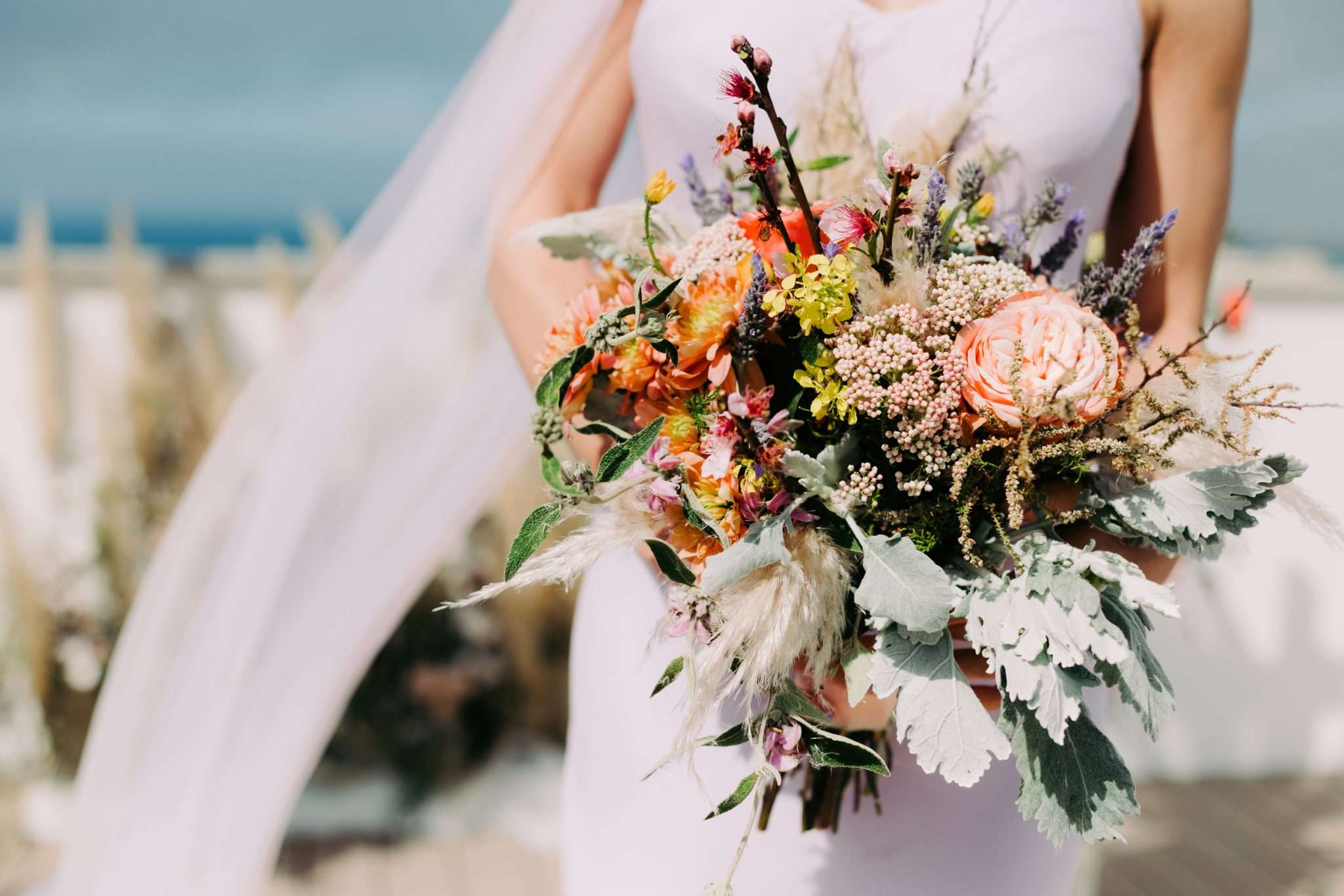
The final challenge is ensuring the wedding feels like yours, not a copy of the venue’s marketing materials. Use reference images as a starting point, but challenge your suppliers to interpret them through a local lens. If you love a specific floral installation you saw on Pinterest, ask your local florist how they can recreate the structure using regional, seasonal flowers.
Connecting the wedding to the destination adds a layer of sophistication. Use local textiles for napkins, serve regional delicacies, or incorporate local music traditions into your ceremony. However, if you are a "maximalist" who wants to ship neon signs and specific decor from home, ensure you build in a significant buffer for international shipping delays and customs inspections. Never rely on essential items arriving in the same week as the wedding.
Conclusion
A destination wedding is an exercise in managed freedom. By outsourcing the logistics to local professionals and scrutinizing the "fine print" of venue packages, you clear the path to focus on what actually matters: the unique connection between you and your partner. Whether you marry on the cliffside of the Mediterranean or in a historic villa, the day will remain authentically yours as long as you prioritize your own vision over the ease of the standard brochure.