
In an era where many couples default to the polished, predictable aesthetic of modern minimalist weddings, Ashley and Grant have charted a radically different course. Their recent nuptials in Ohio, which they titled Still Life in Real Life, served as a living, breathing homage to the high drama, emotional intensity, and opulent detail of the Baroque era. By eschewing contemporary trends in favor of 17th-century artistic sensibilities, the couple transformed their wedding day into an immersive, avant-garde art installation.
The result was a celebration that felt simultaneously ancient and revolutionary—a dark, romantic, and deeply intentional display of personal expression that challenged the very definition of what a wedding "should" look like.
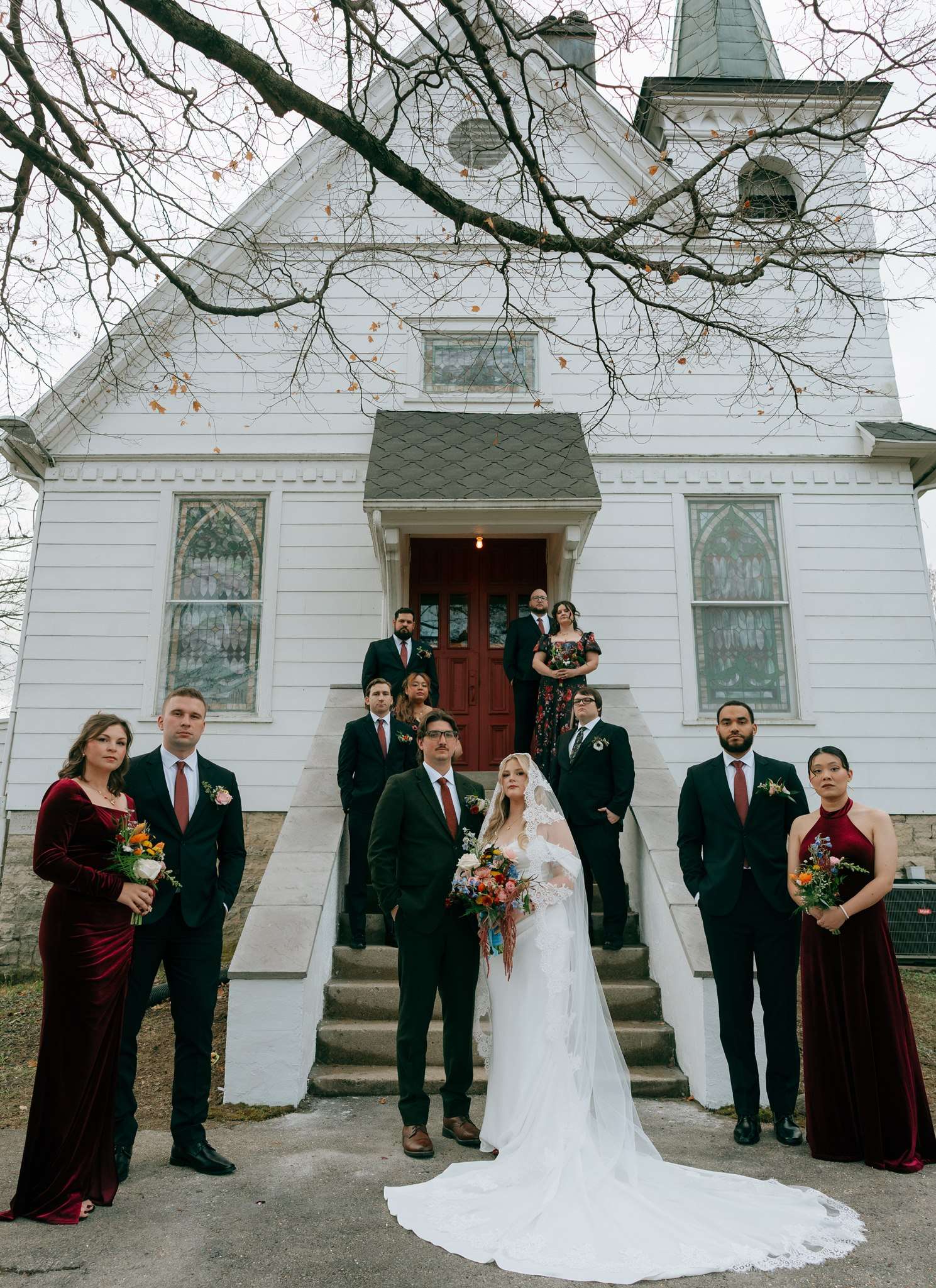
The Concept: A Baroque Reimagining
The Baroque period, characterized by its sense of grandeur, movement, and emotional tension, provided the perfect scaffolding for the couple’s vision. Ashley and Grant sought to replicate the chiaroscuro lighting—the stark contrast between light and dark—that defined the works of masters like Caravaggio and Rembrandt.
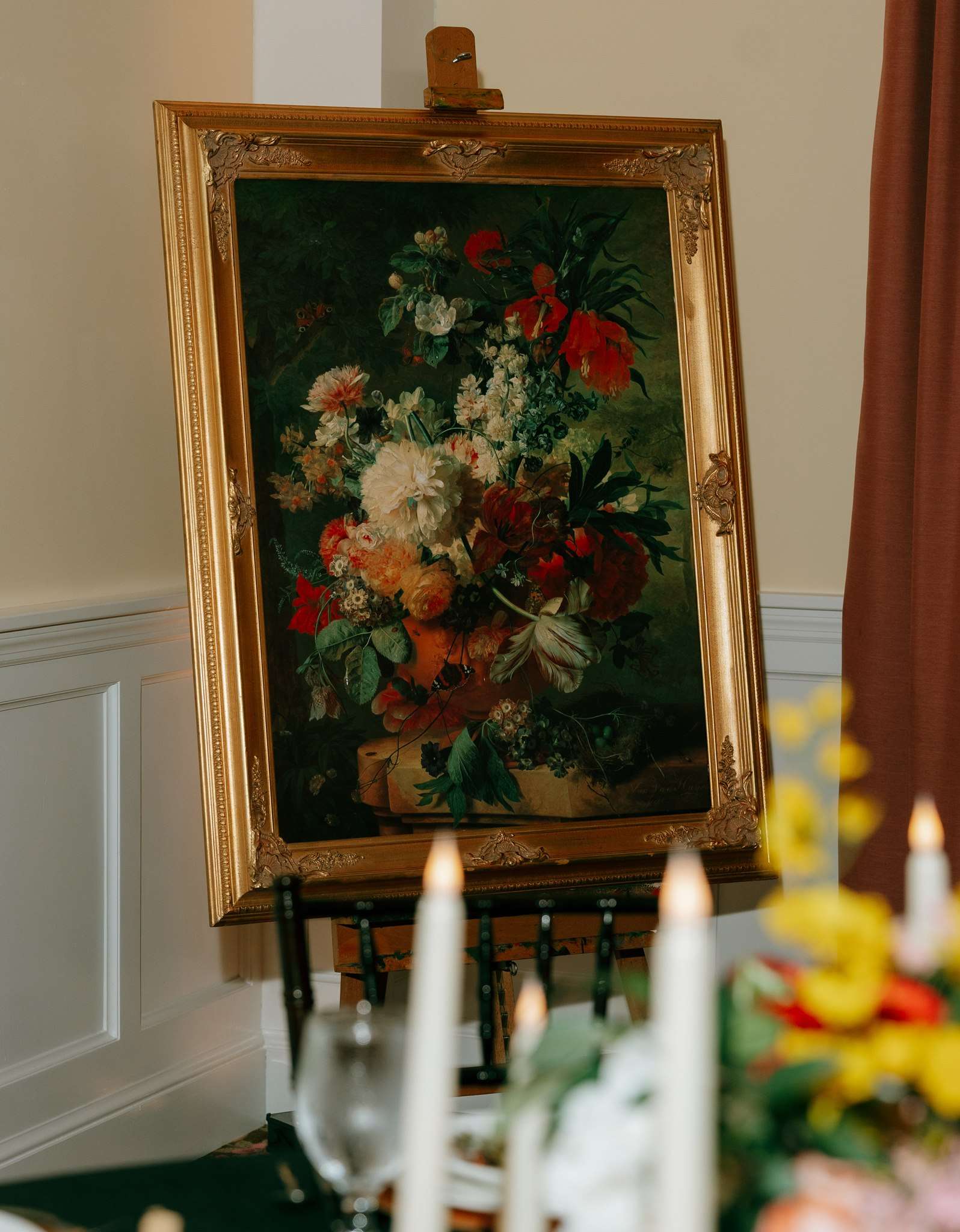
"Planning our wedding felt less like traditional wedding planning and more like one big art project," Ashley explained. "It was a celebration of dark romance, old-world opulence, and unapologetic glamour. We created a wedding that felt like a still life brought to life. Every element was intentionally chosen to feel decadent, intimate, and a little unconventional."
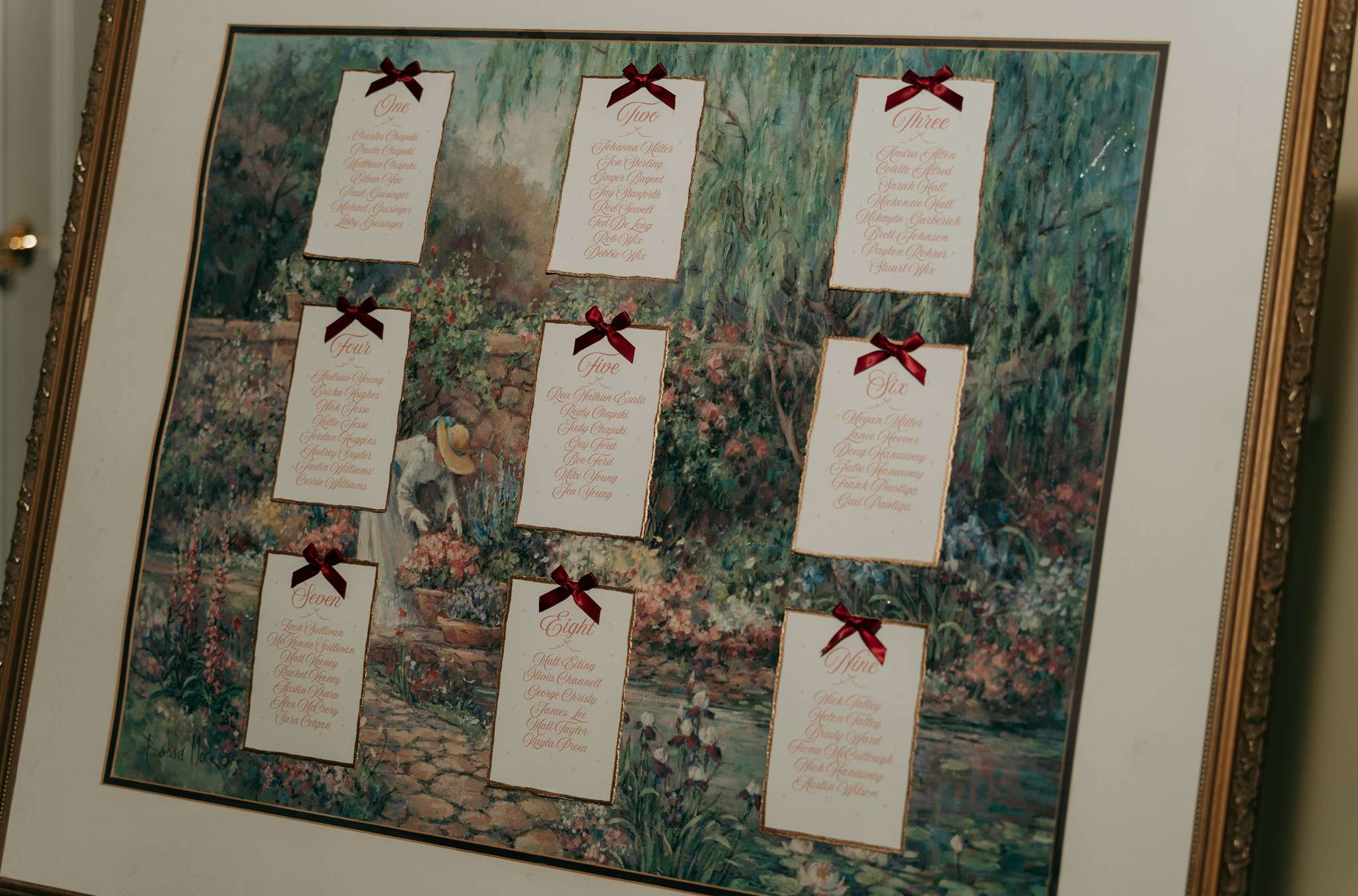
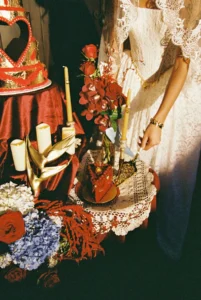
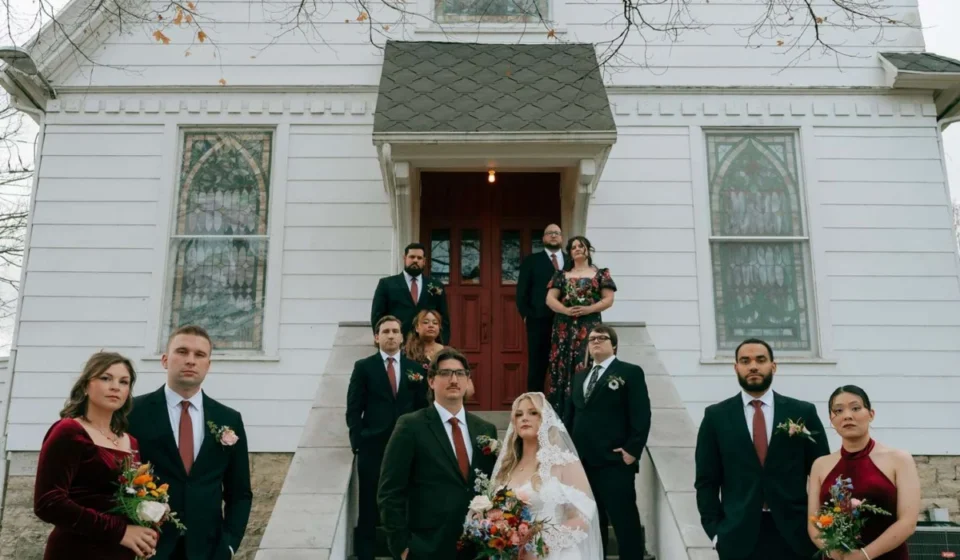
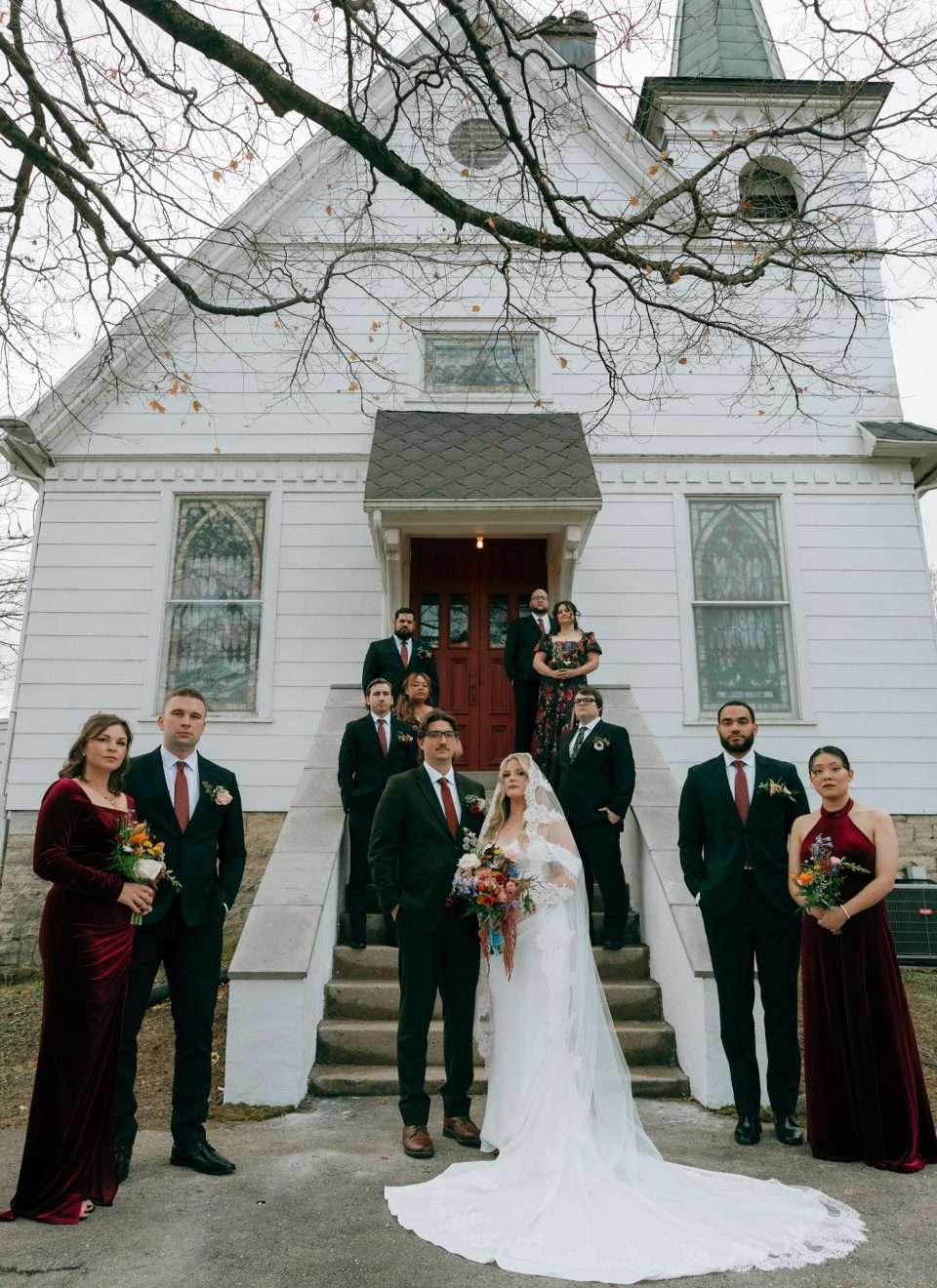
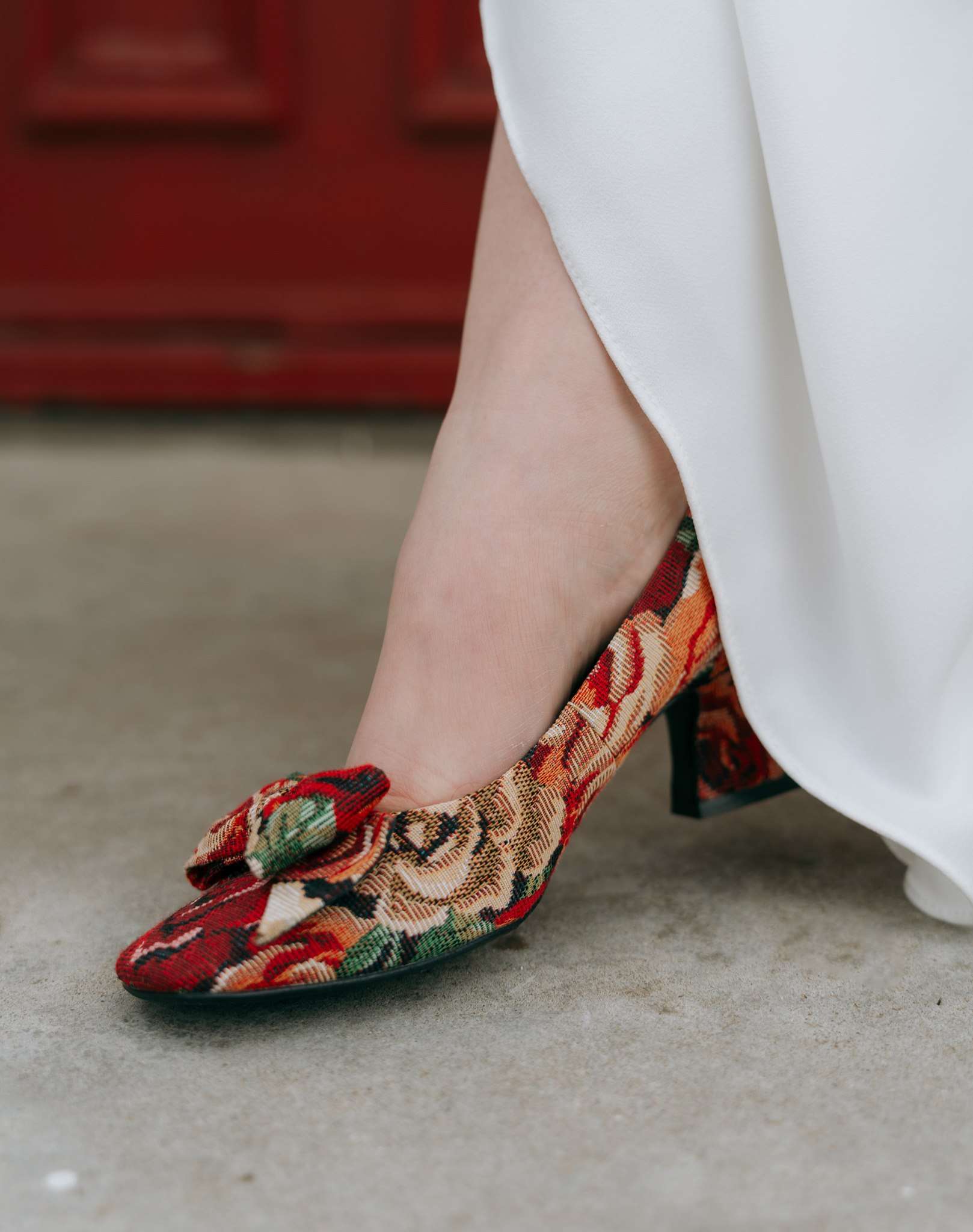
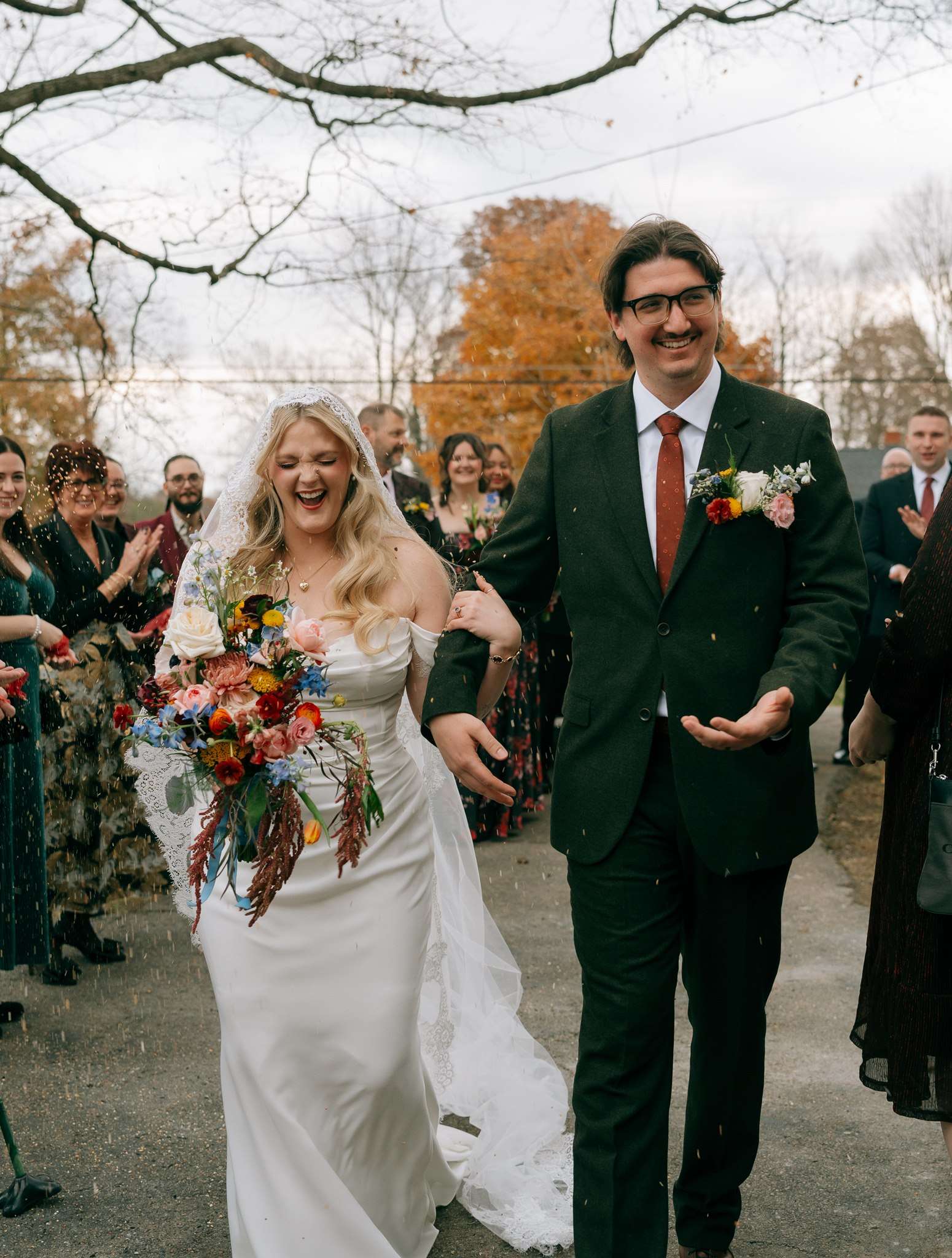
The visual language of the day was meticulously curated. The palette relied heavily on deep, saturated hues: rich burgundy velvet, burnished gold, and muted, earthy tones reminiscent of decaying fruit and wilting flowers—the classic motifs of Dutch still-life paintings. Guests were encouraged to participate in the theme, arriving in attire featuring jewel tones, intricate floral prints, and heavy, textured fabrics that mirrored the velvet-draped opulence of the reception space.
Chronology of a Masterpiece
The event unfolded in two distinct acts, each anchored by its own unique atmosphere and historical resonance.
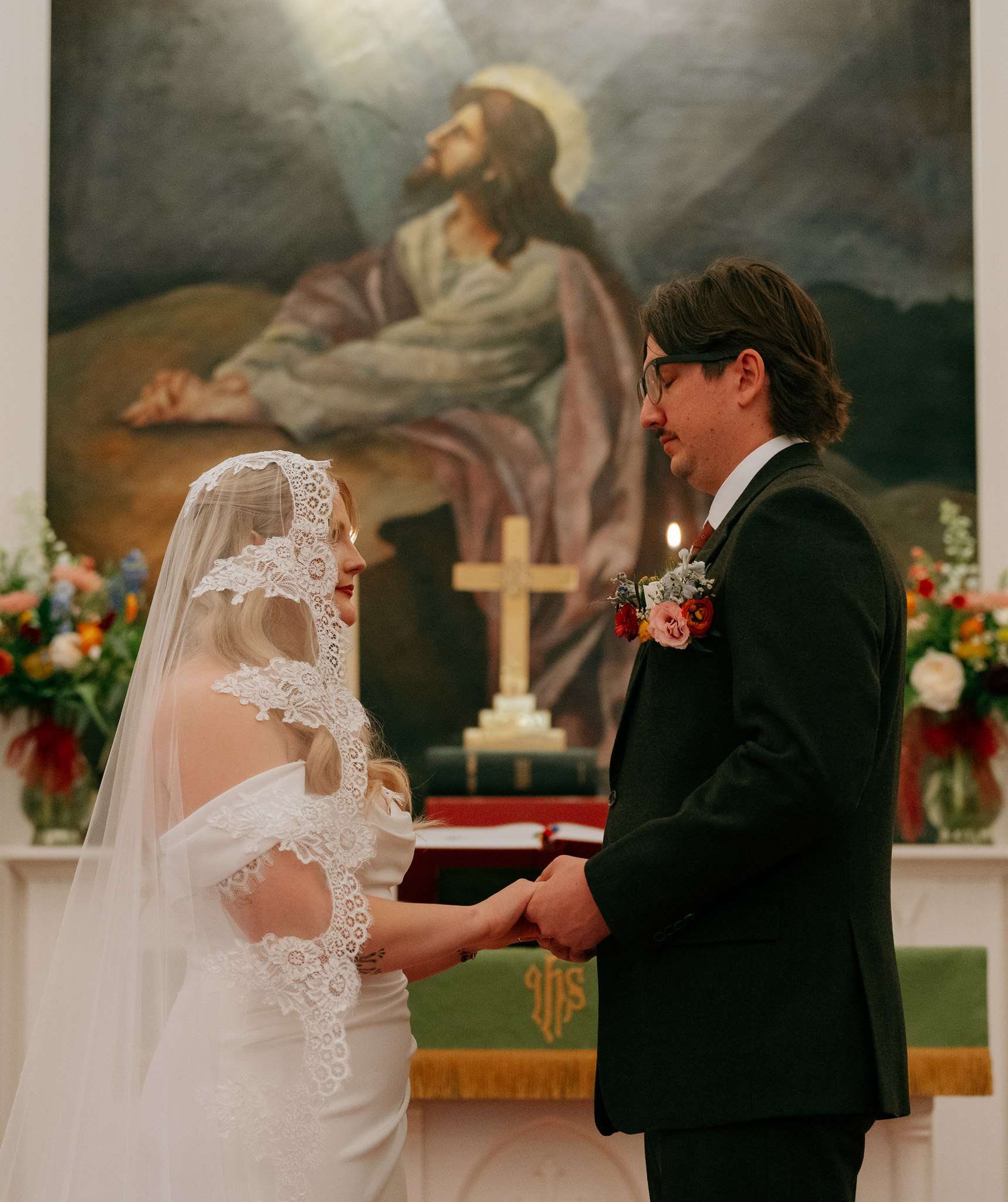
Act I: The Chapel of Memory
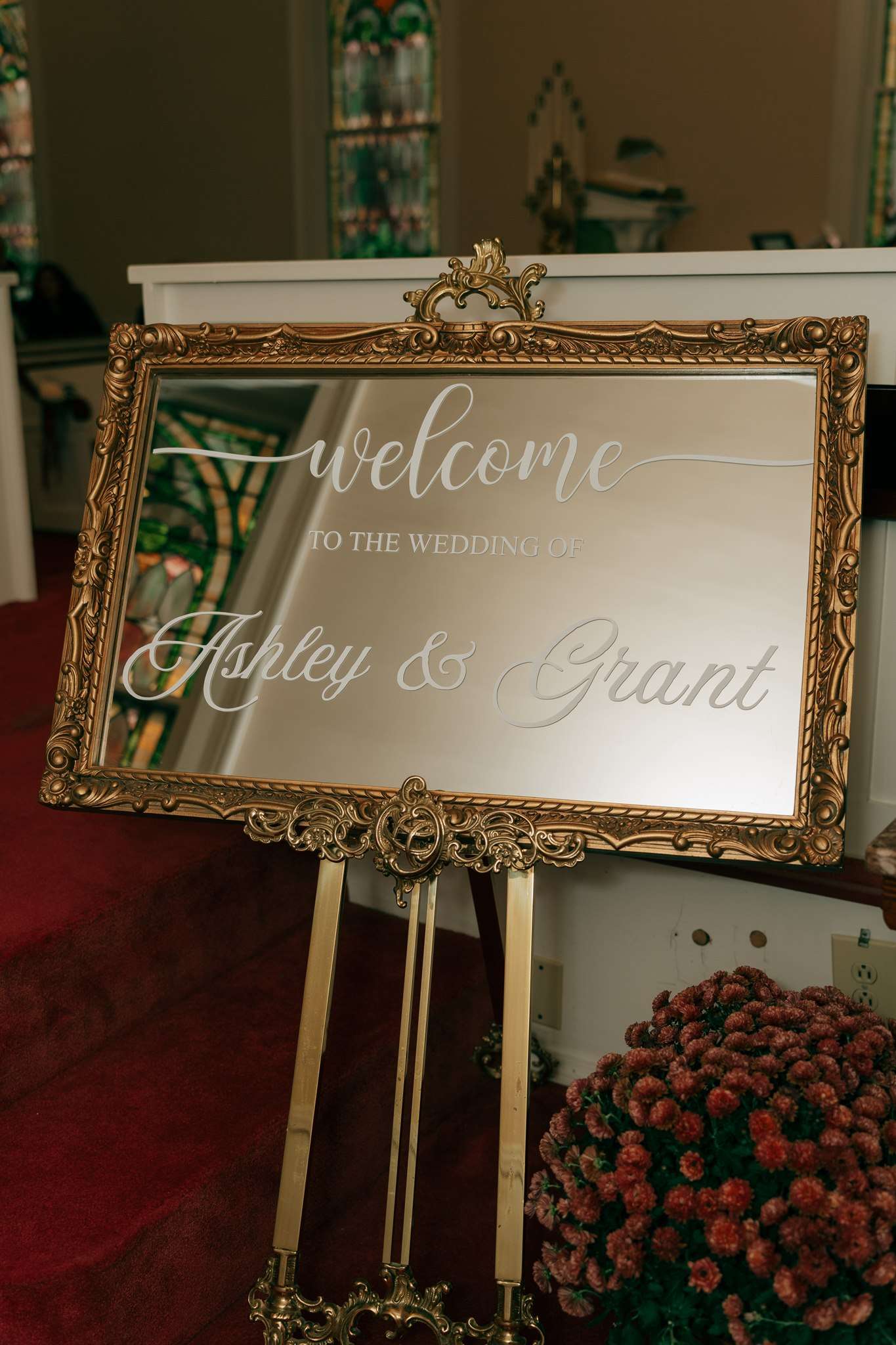
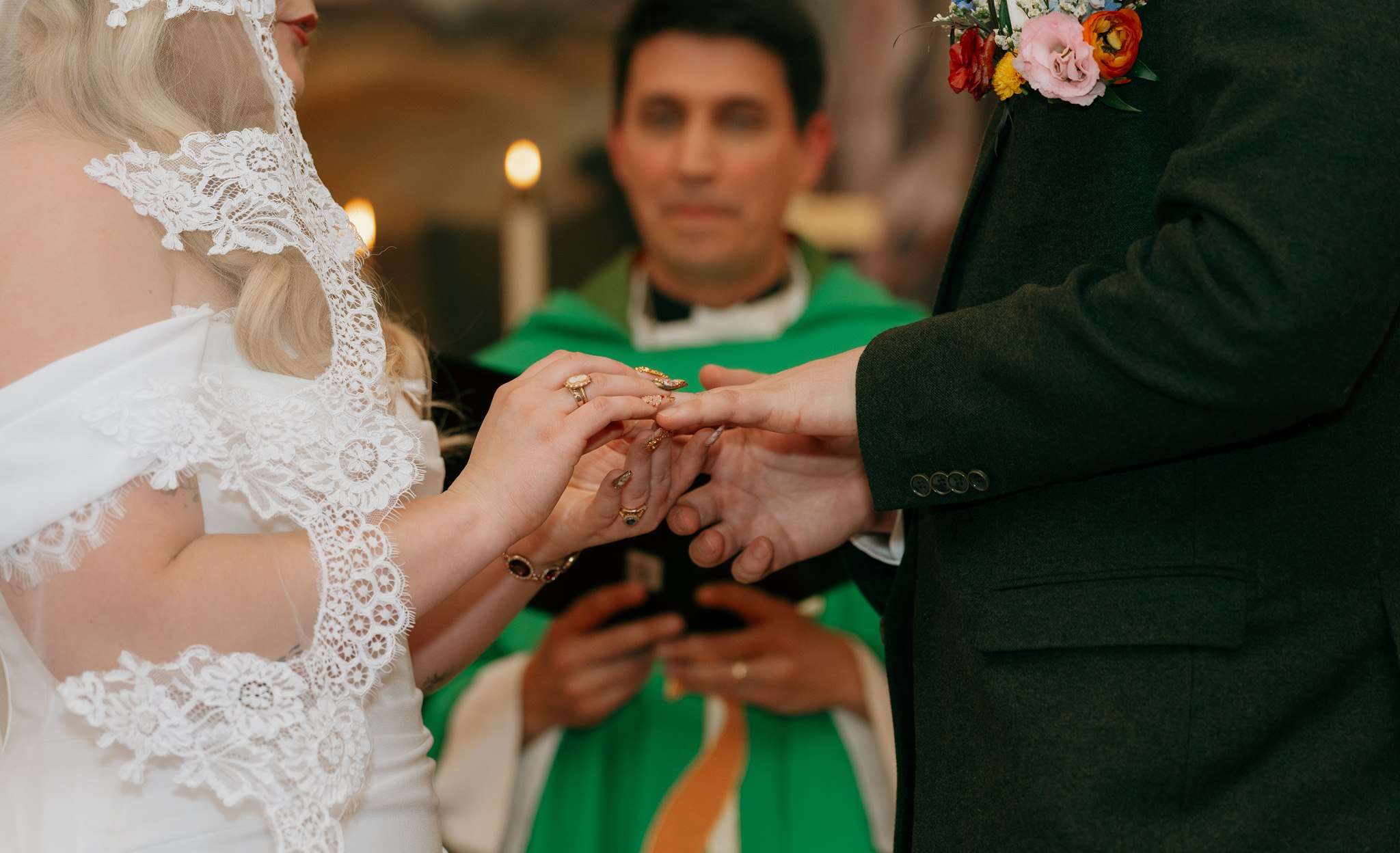
The ceremony took place within the confines of a small, one-room chapel, a location that carried profound sentimental value as it was the same site where Ashley’s parents exchanged their vows. The space was transformed, not by erasing its history, but by leaning into it. The existing bright red carpet, which might have been viewed as a design hurdle by some, became the focal point of the ceremony’s cinematic aesthetic.
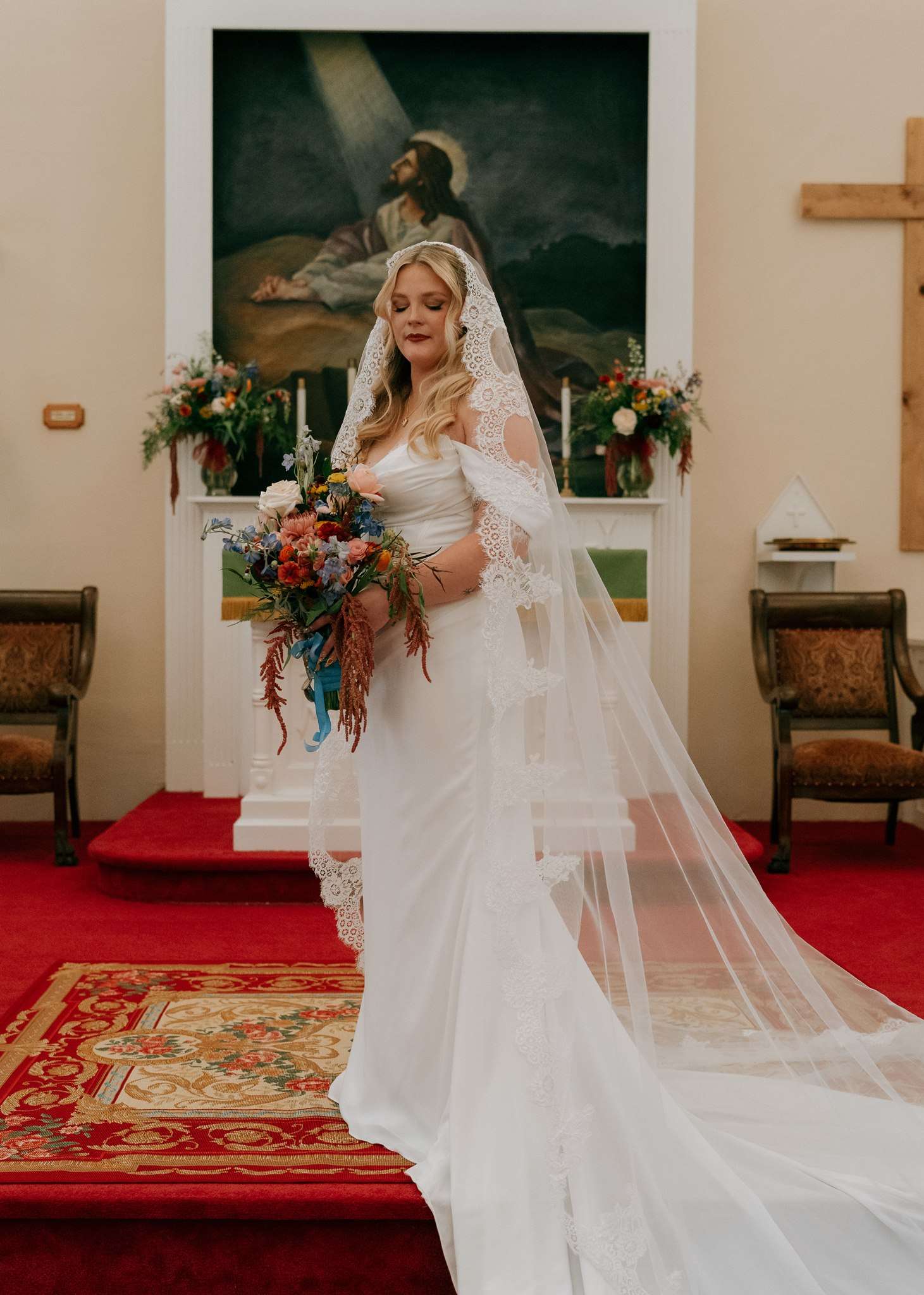
The couple’s commitment to their vision extended to the very foundation of the building. They took it upon themselves to personally restore the front steps of the church, ensuring that the physical entrance to their marriage was as cared for as the vows spoken within. This act of preservation served as a poignant metaphor for their relationship: honoring the past while actively building the future.
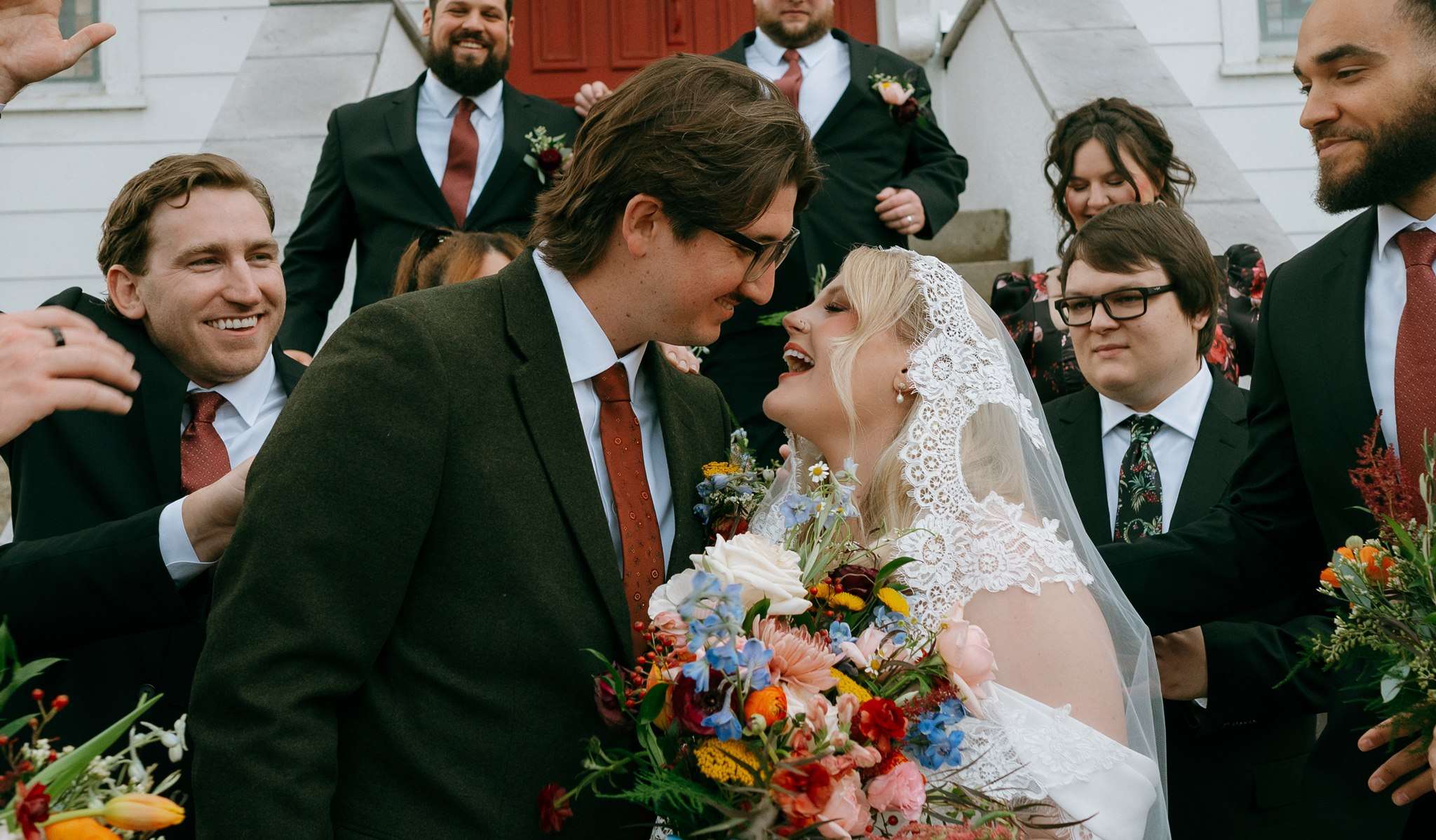
Act II: The Still Life Reception
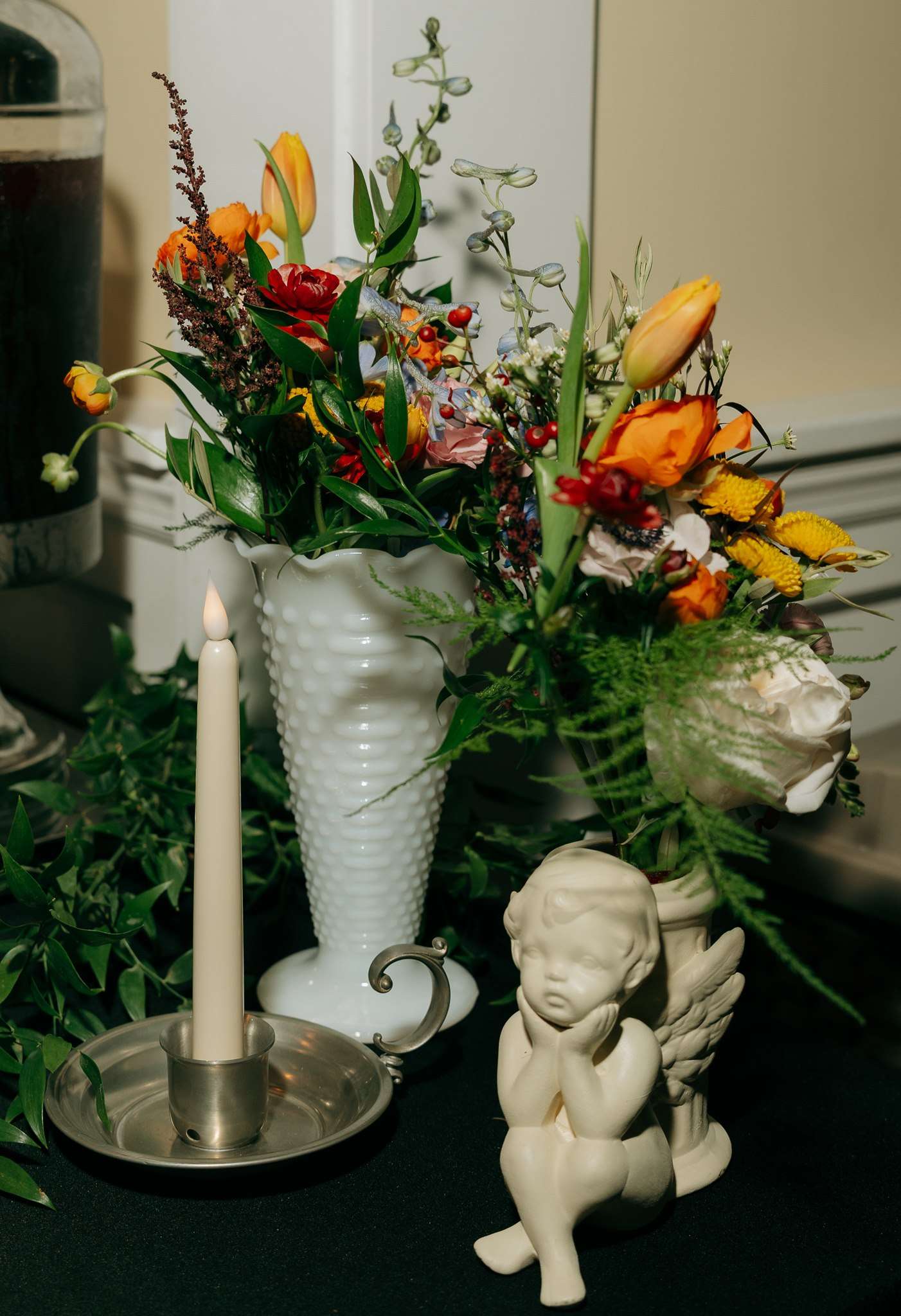
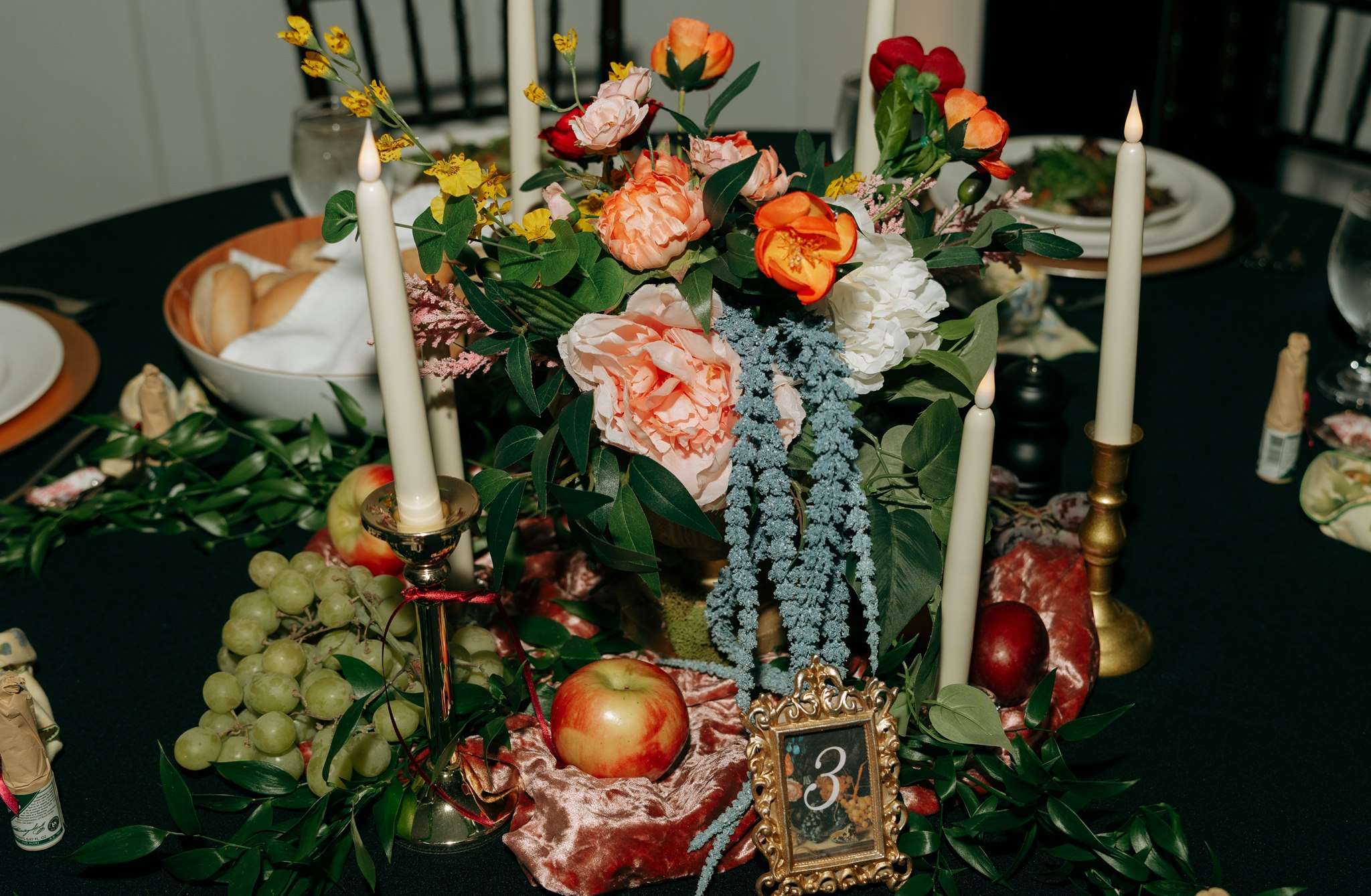
Following the ceremony, the wedding party moved to a local hotel, which served as the canvas for the couple’s more elaborate artistic ambitions. Months of preparation culminated in a space filled with gold candelabras, cherubic statues, and carefully arranged, painterly centerpieces.
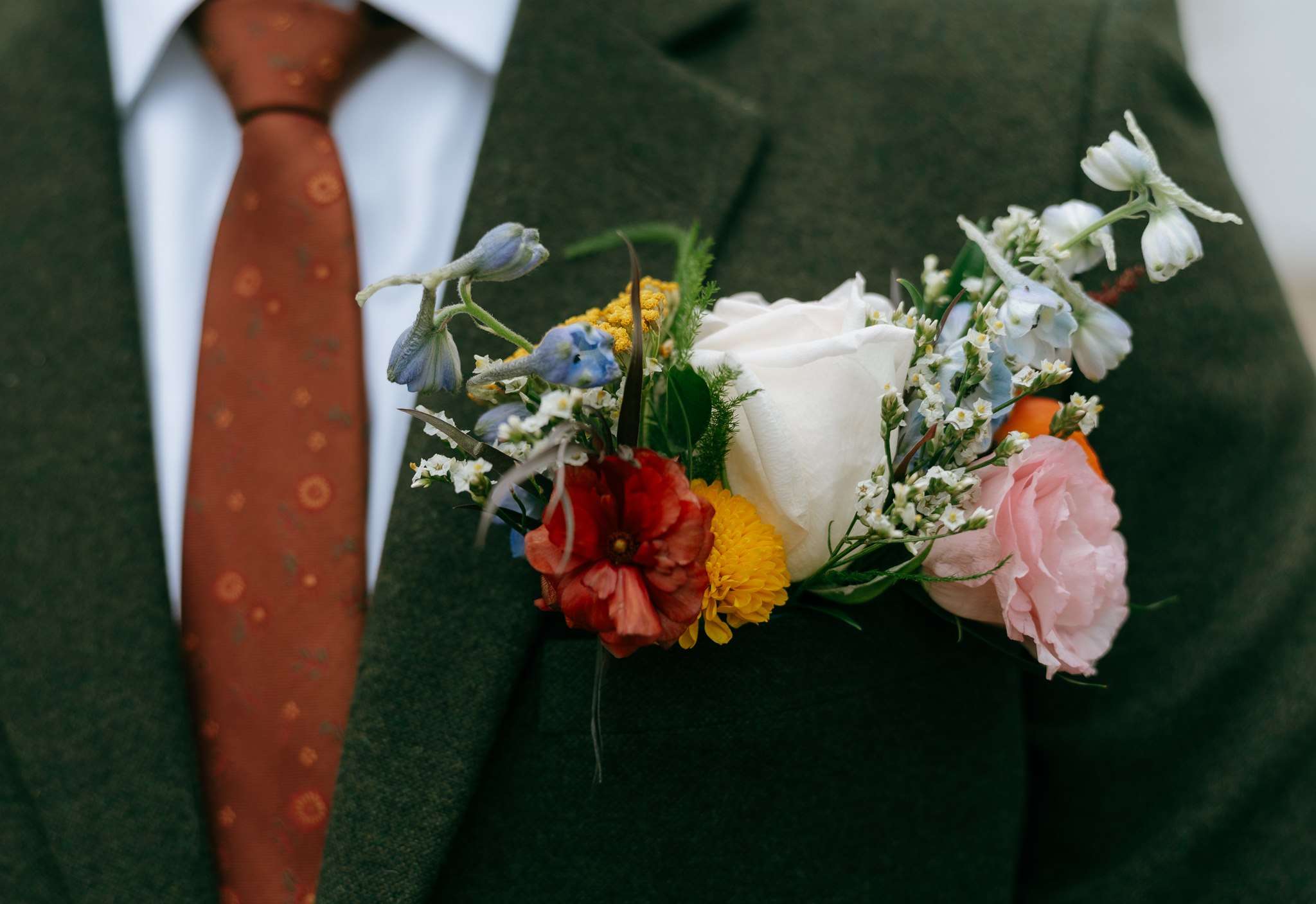
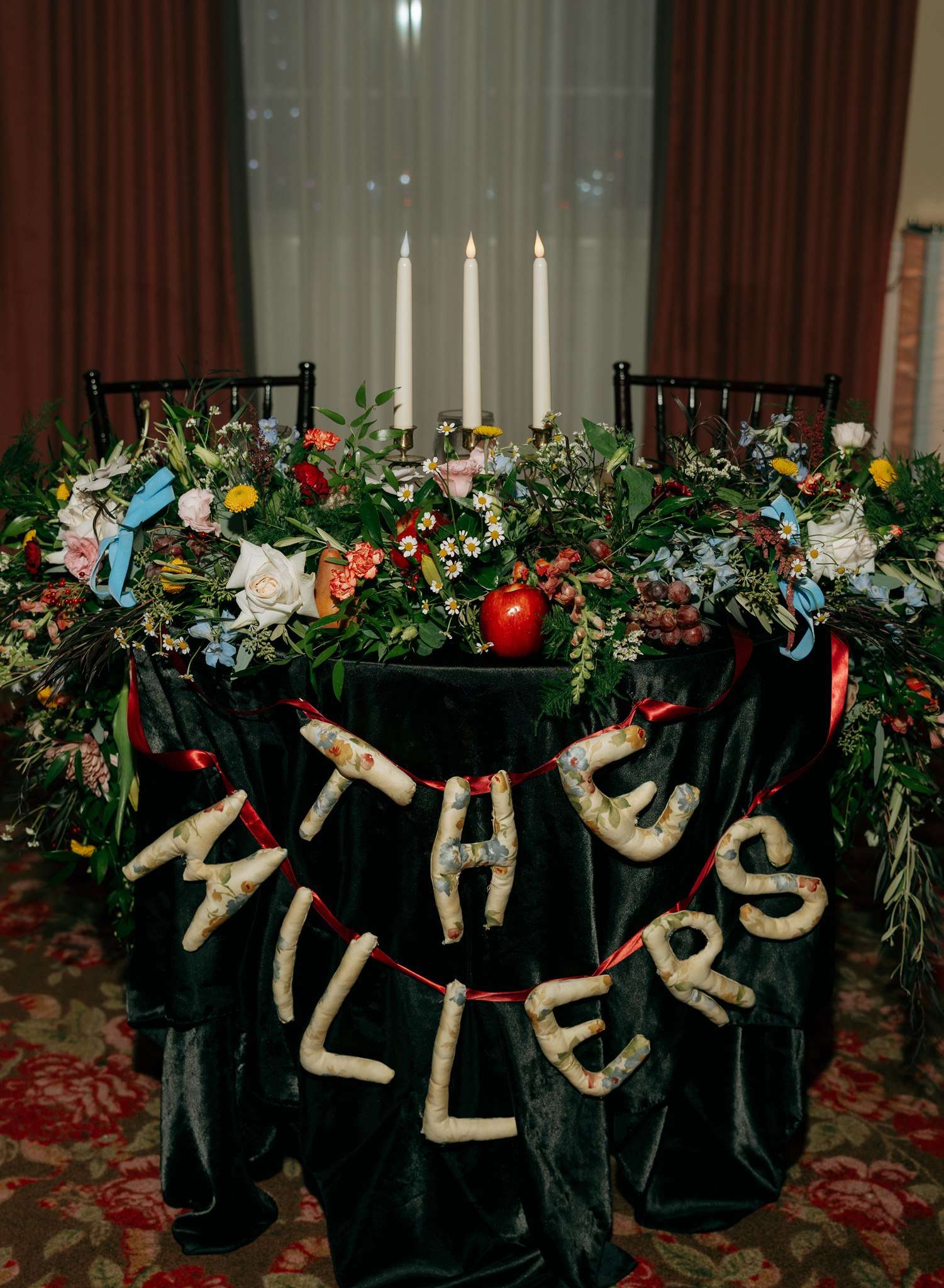
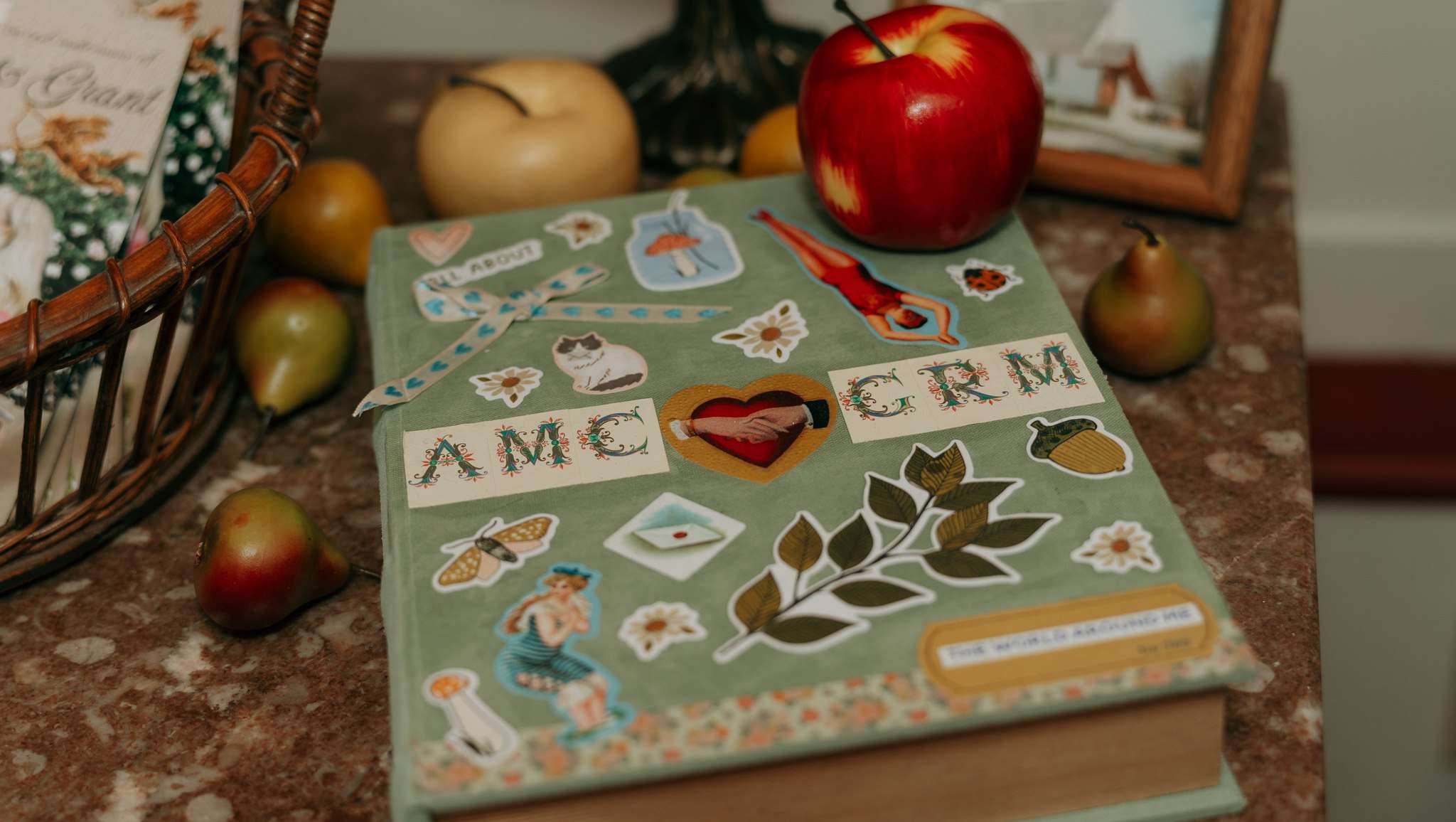
The couple did not merely purchase decor; they fabricated it. They poured their own plaster vases and painted them gold, filling them with floral arrangements that captured the ephemeral, slightly overgrown beauty of Baroque compositions. Every detail, from the hand-sewn floral napkins folded into the shapes of apples and hearts to the custom-made, plush "The Millers" banner, was a testament to the couple’s hands-on dedication to their theme.
Supporting Data and Creative Execution
The success of Still Life in Real Life lay in the couple’s refusal to allow their guests to be passive observers. The wedding was designed as a participatory experience.
During the cocktail hour, guests were invited to contribute to a collaborative still-life painting, an activity that blurred the lines between the attendees and the art itself. In place of a traditional guest book, the couple installed a vintage pink telephone. Guests could leave audio messages, adding an auditory layer to the memories of the day.
This approach yielded several notable outcomes:
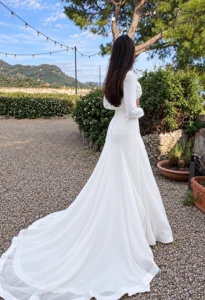
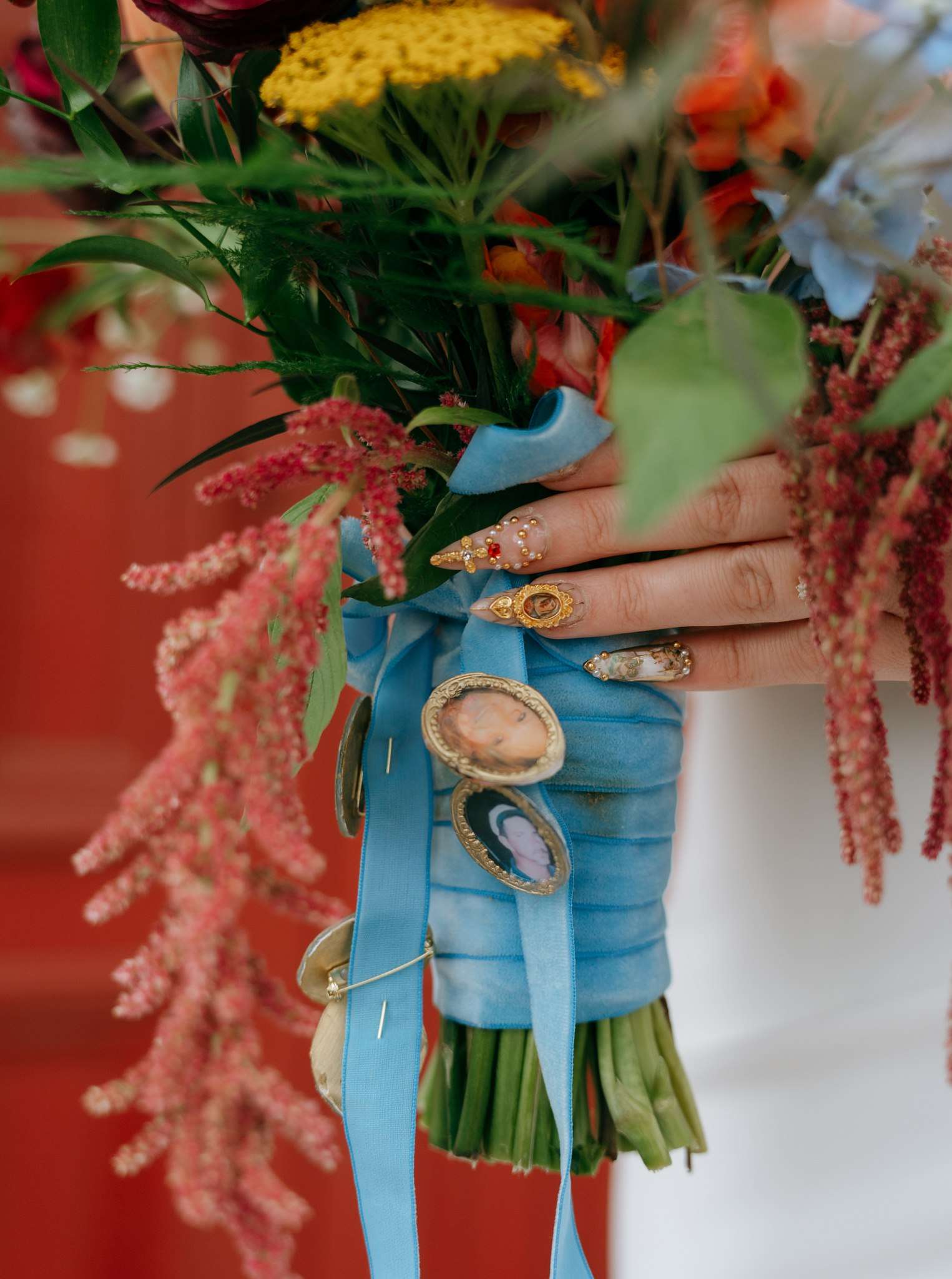
- The Dress & The Tattoos: Ashley chose her wedding gown on the very first try, viewing it as an extension of her personal identity. To further customize her look, she incorporated new tattoos, adding a modern, permanent layer to her aesthetic that contrasted beautifully with the historical theme.
- The Suit Conundrum: The search for the groom’s attire proved far more difficult than the bridal search. The couple visited three different shops, struggling to find a look that balanced the Baroque aesthetic with the practical needs of the groomsmen. They prioritized comfort and personal identity over rigid formality, proving that even in a highly themed event, individual autonomy remained paramount.
Official Perspectives: The Philosophy of Authenticity
When asked about the challenges of executing such a niche concept, the couple was candid. They emphasized that the "wedding industry" often pressures couples to conform to a standardized version of romance.
"The part of wedding planning we found the most challenging was finding the perfect suit," Ashley noted. "We wanted everyone to look cohesive while still feeling comfortable and like themselves. Finding suits, colors, cuts, and styles that worked for everyone was surprisingly complicated, especially when keeping the budget in mind."
However, the couple’s advice to future brides and grooms is centered on the concept of "home." They argue that a wedding should not be a performance for others, but a reflection of the couple’s shared world.
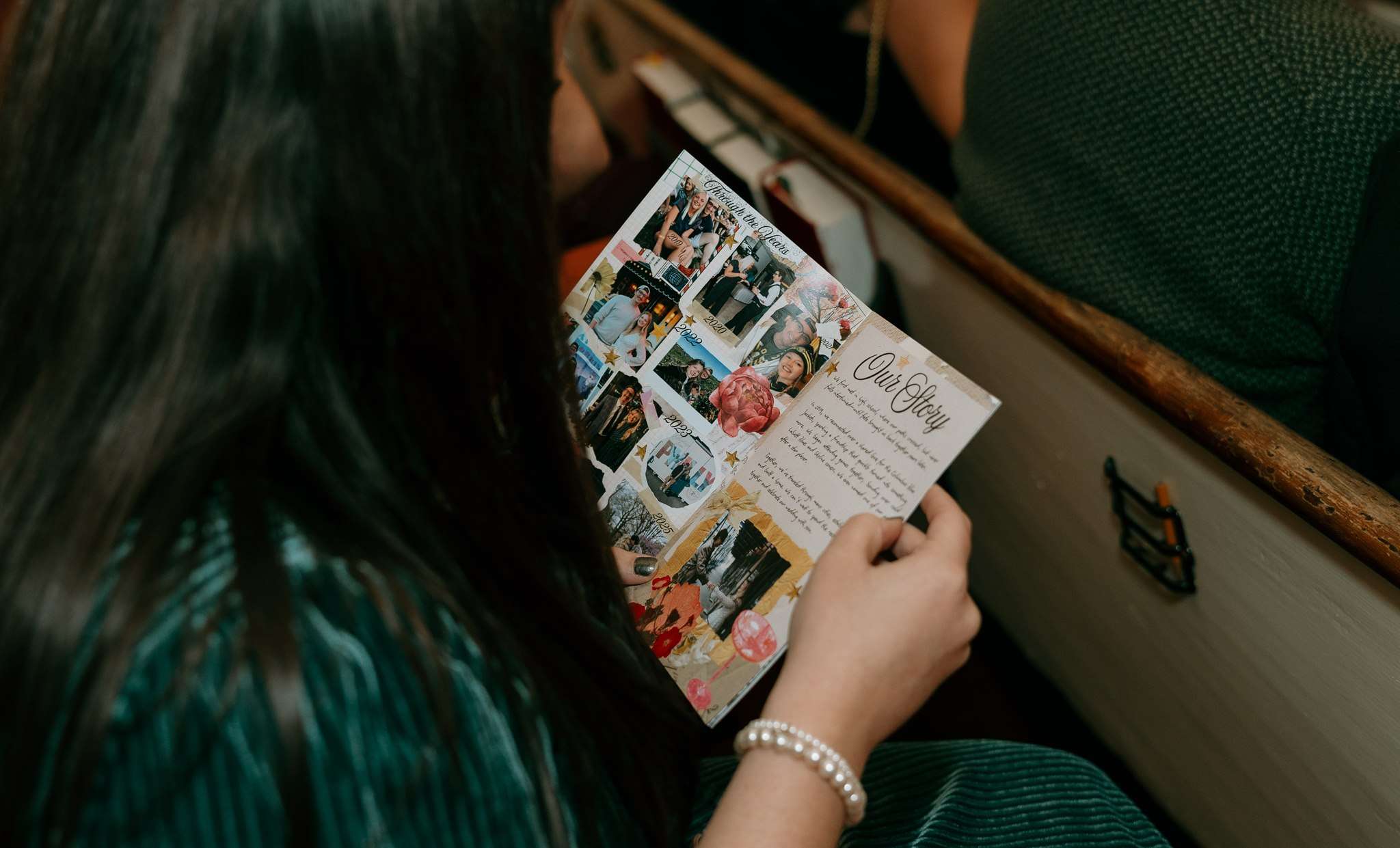
"Your wedding doesn’t have to make sense to anyone else; it just has to feel like home to you," Ashley said. "I hope our wedding reminds other couples that they are allowed to make their wedding a reflection of themselves. It became a way for us to tell our story through color, flowers, family, history, art, and all of the little things we created with our own hands."
Implications for the Modern Wedding Industry
The success of Ashley and Grant’s wedding highlights a shifting trend in the nuptial market. Increasingly, couples are moving away from "Pinterest-perfect" weddings—which often prioritize social media optics over personal meaning—toward "maximalist" or "thematic" celebrations that serve as extensions of the couple’s creative interests.
The Rise of the "Anti-Template" Wedding
This trend signals a broader cultural shift. By incorporating elements of art history, restoration, and collaborative creation, the couple proved that a wedding can be a significant cultural event rather than just a social function.
Economic and Logistical Impact
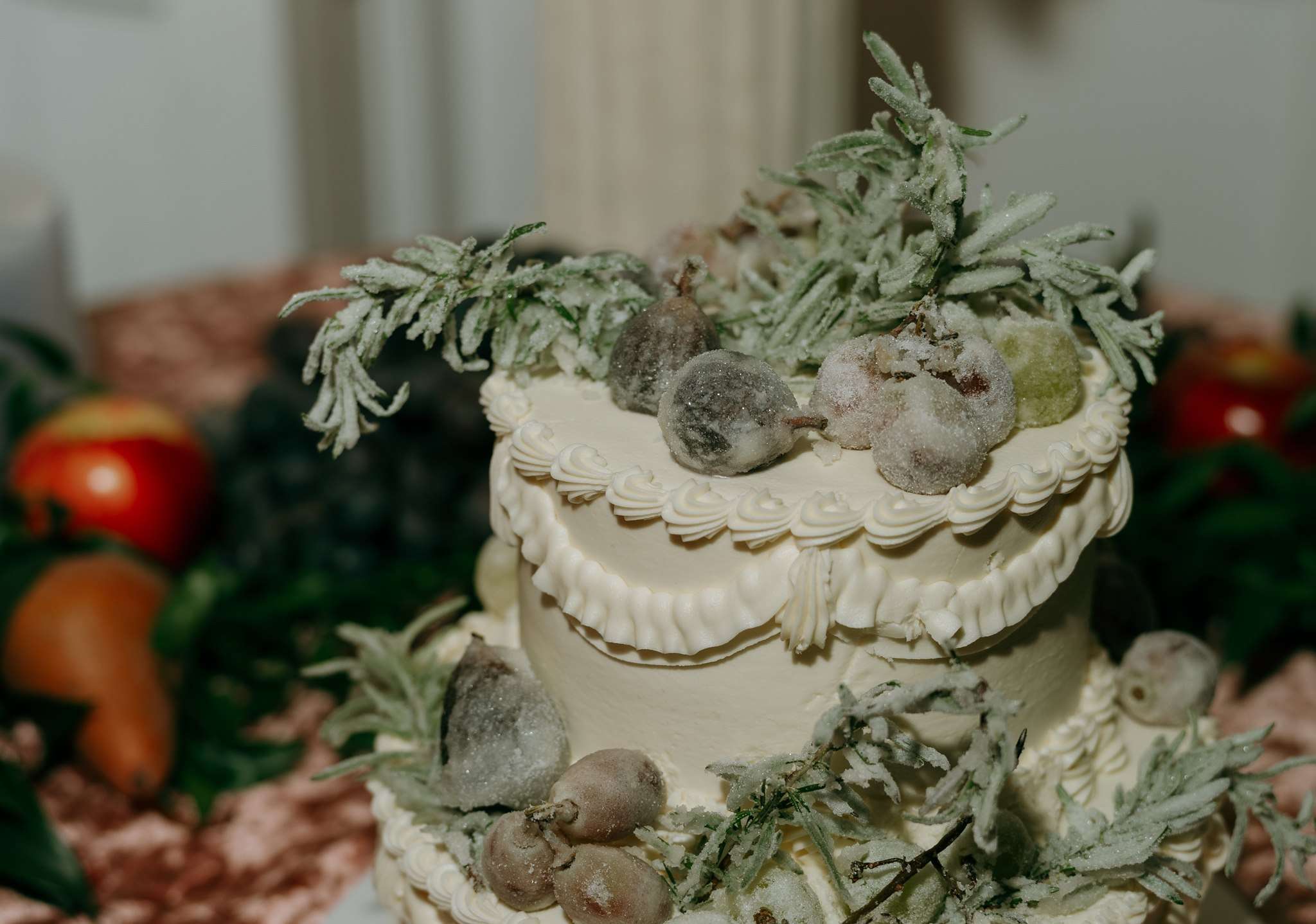
The couple’s approach also offers a blueprint for budget-conscious but high-impact events. By sourcing items from antique shops and second-hand stores and opting for DIY fabrication (such as the plaster vases), the couple managed to achieve a high-end, bespoke aesthetic that would have been prohibitively expensive if outsourced to traditional wedding planners.
The Legacy of the Event
Ultimately, the implications of Still Life in Real Life extend beyond the day itself. By treating their marriage as an "art project," the couple established a framework for their life together: one that values intentionality, creativity, and the courage to exist outside of the conventional. Their wedding was not just a celebration of a union, but a manifesto on the importance of creating a world that is uniquely one’s own.
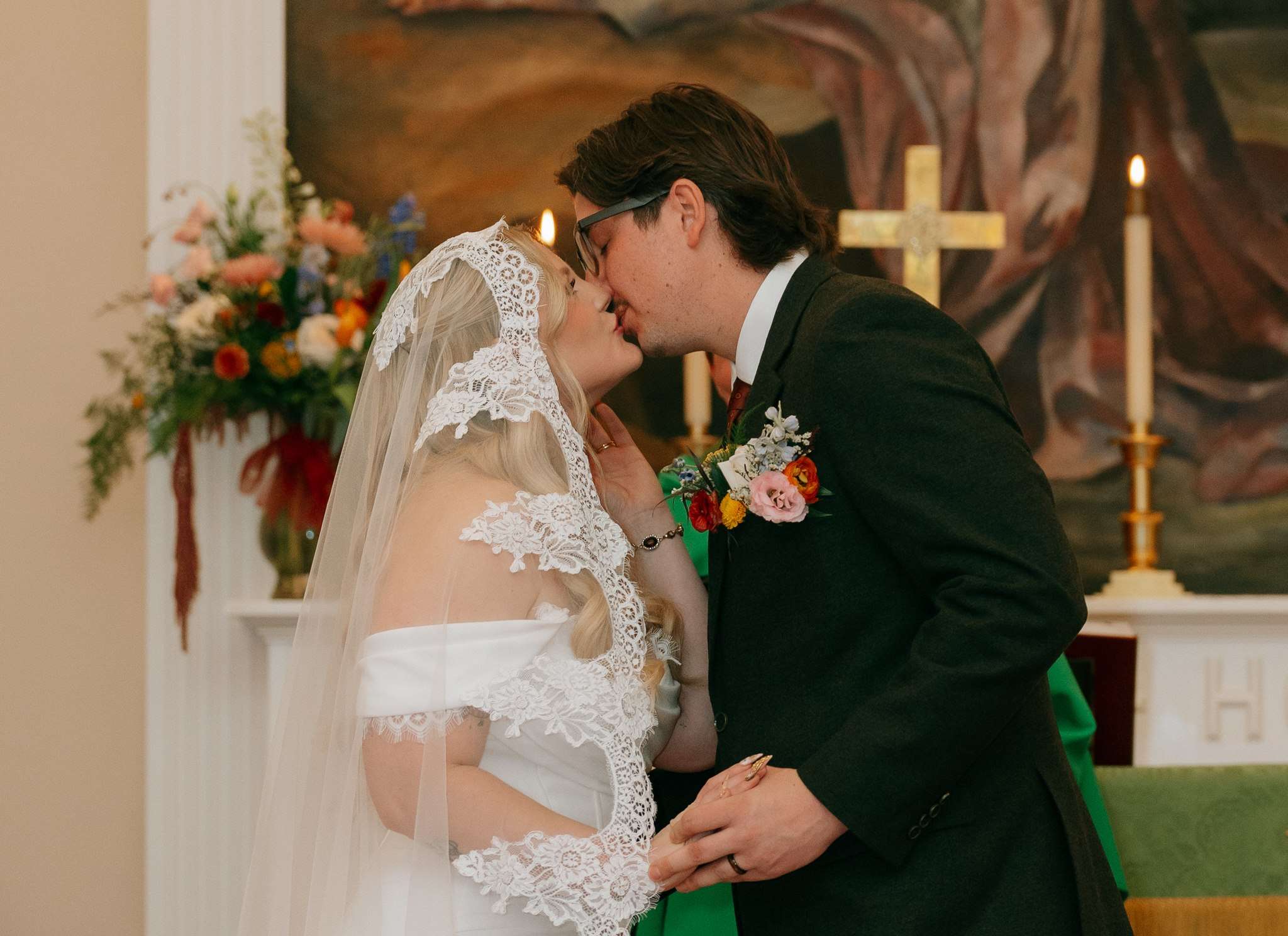
As the industry continues to evolve, the story of this Ohio wedding serves as a powerful reminder that the most memorable events are not those that follow a guide, but those that break the frame and turn the ordinary into the extraordinary. Whether through the inclusion of family history or the bold embrace of an artistic movement, the couple proved that the most "timeless" weddings are those that are, quite simply, the most honest.