
Yellowstone’s Geothermal Crisis: Park Officials Recover Record-Breaking Trash and a Surprising Number of Camera Lens Caps

Main Facts: The Human Footprint on America’s Oldest National Park
Yellowstone National Park spans an awe-inspiring 2.2 million acres of rugged wilderness, pristine forests, and world-famous geothermal wonders. Each year, roughly 4.5 million visitors flock to iconic locations like Old Faithful, the Midway Geyser Basin, and the breathtaking Morning Glory Pool to witness the raw, subterranean power of the Earth. However, this massive influx of tourism carries a heavy ecological toll.
According to recent findings published by the Yellowstone Volcano Observatory (YVO) in their weekly Caldera Chronicles, park staff and geology teams have reached a disheartening milestone: they have removed a record-shaping 20,100 individual pieces of trash from the park’s fragile hydrothermal basins.
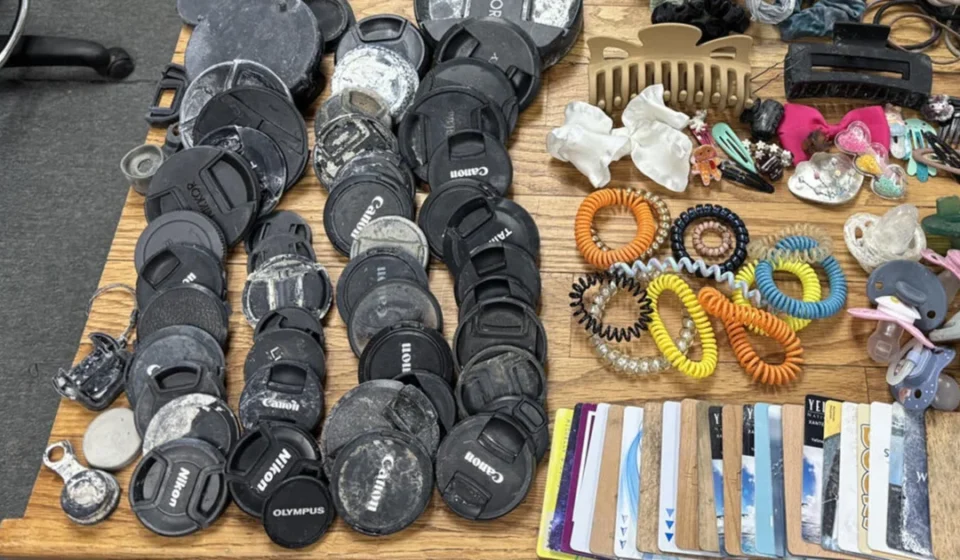
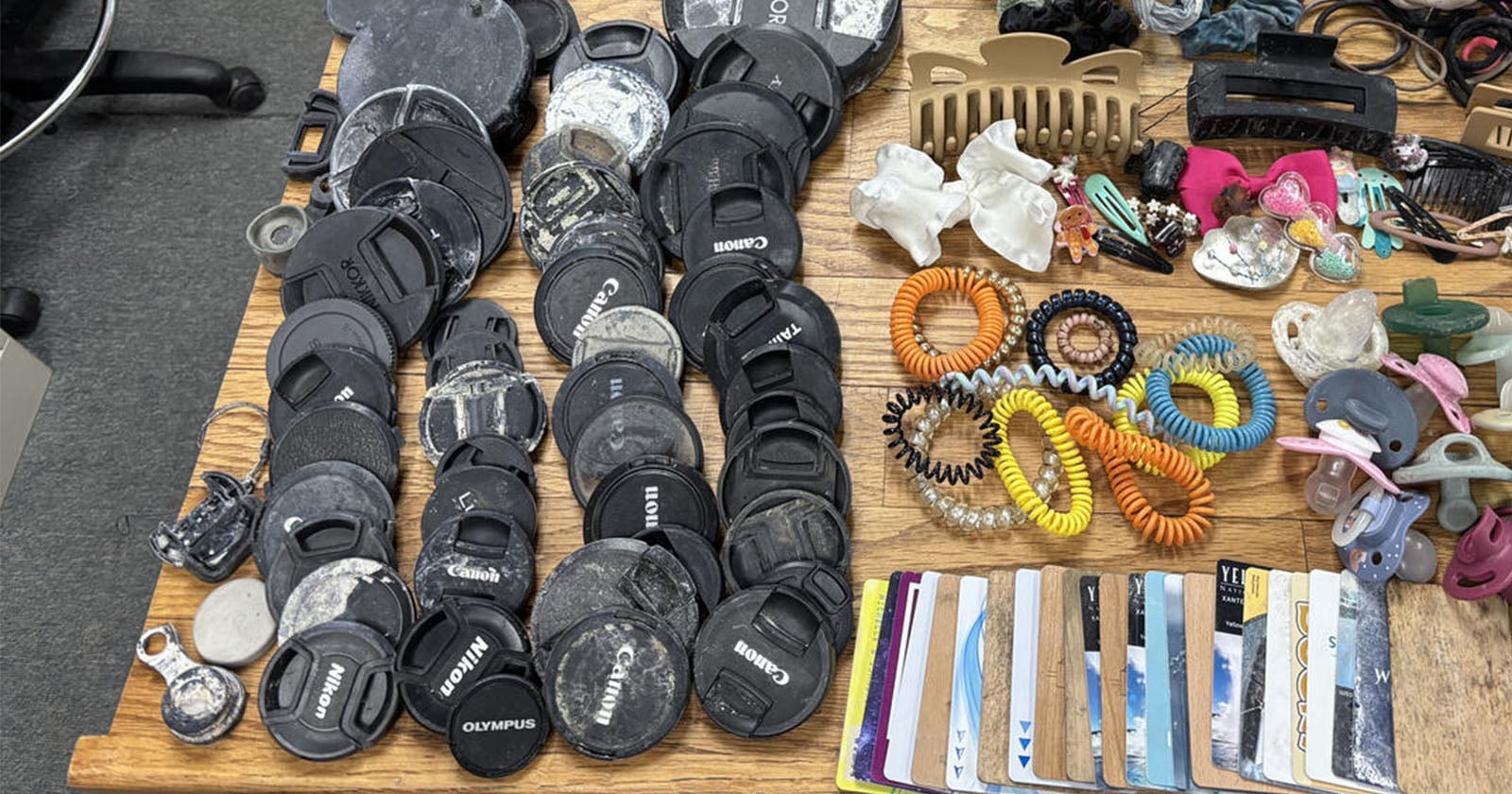
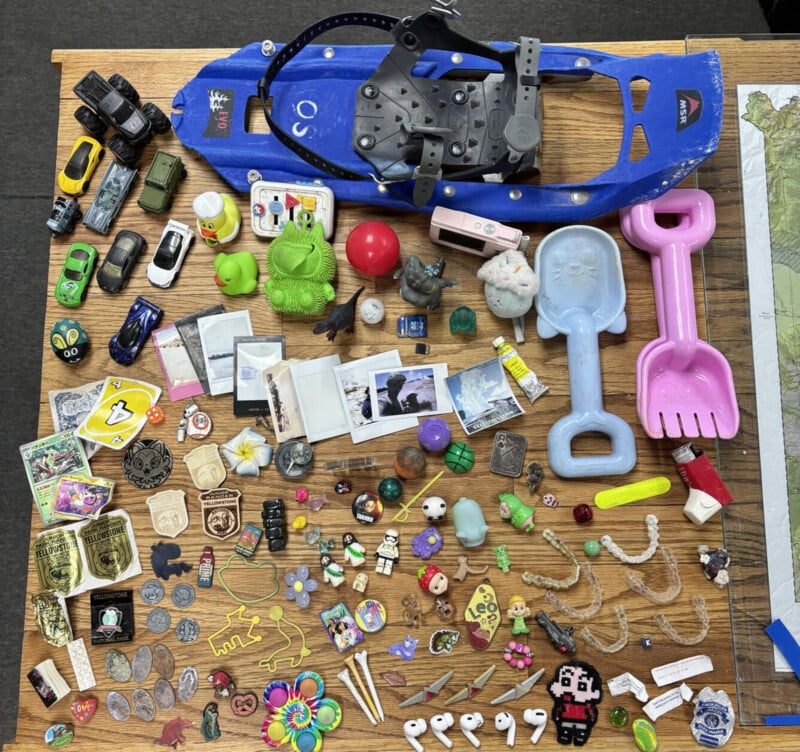
Among the eclectic, bizarre, and frequently frustrating array of discarded items—ranging from children’s toys and dental aligners to more than 280 hats and $18 in loose pocket change—stands a remarkably specific culprit: camera gear. Park staff have recovered 54 camera lens caps, several camera body caps, binocular covers, a lens hood, and even seven instant film prints. For photographers visiting the park, capturing the landscape’s surreal beauty has apparently come at the literal expense of their gear.
Chronology: From Pristine Wilderness to a History of Human Intrusion
To understand how foreign debris impacts Yellowstone’s plumbing systems, one must look at how these hydrothermal features have been treated over time.
- Pre-Park Era and Early Protection (Pre-1900s): For millennia, Indigenous peoples revered Yellowstone’s thermal springs. When the park was established in 1872, early tourists began visiting via stagecoach. Even in the 19th and early 20th centuries, visitors treated thermal features as makeshift wishing wells, tossing coins, rocks, and souvenirs into the crystal-clear water.
- The Mid-20th Century Turning Point: The mid-1900s marked a dramatic shift in environmental degradation. As automobile travel surged post-World War II, park visitation skyrocketed. This era saw the famous transformation of Morning Glory Pool. Originally a vibrant, deep sapphire blue, the pool famously changed color over the decades as visitors continually threw trash, coins, and rocks into its vent, altering its internal water circulation and encouraging the growth of heat-tolerant, yellow- and orange-pigmented bacteria.
- Modern Conservation Efforts (2000s–Present): In recent decades, the National Park Service (NPS) has implemented stringent boardwalk regulations, educational campaigns, and regular cleanup operations. Despite these preventative measures, the sheer volume of lost and intentionally discarded items has continued to climb.
- The 2026 Milestone: By early September 2026, the Yellowstone Geology team officially crossed the threshold of 20,100 pieces of trash pulled from hydrothermal environments in a single operational push, marking an all-time high for debris recovery.
Supporting Data: What’s Lurking in the Hot Springs?
The scale of the cleanup effort is difficult to fathom until categorized. The Yellowstone Geology team’s recent inventory reads less like a park maintenance report and more like an archaeological dig of modern consumerism.
The Photographic Toll
Photographers are inherently drawn to Yellowstone’s mist-shrouded basins, colorful bacterial mats, and dramatic steam vents. However, the combination of high winds, slippery boardwalks, and the frantic rush to frame a shot has proven disastrous for camera accessories. The recovery log includes:
- 54 individual lens caps, representing major manufacturers such as Nikon and Canon (including massive professional-grade Nikkor caps).
- Camera body caps and binocular caps dropped during swift equipment changes.
- A discarded lens hood, suggesting an entire assembly was lost to the bubbling waters.
- Seven instant film prints, capturing momentary memories that were subsequently lost to the elements.
The Oddities and Everyday Debris
Beyond the photographic gear, the recovery lists feature a staggering assortment of personal items:
- 280+ hats: Ranging from standard baseball caps to a World Cup souvenir hat and a viral Roblox bucket hat. (Park officials have noted that these will be laundered and donated to local charities).
- $18 in loose coins: Demonstrating that visitors still stubbornly treat boiling, acidic thermal springs as wishing wells.
- Miscellaneous personal effects: Pacifiers, hair accessories, plastic credit and ID cards, toy cars, small plastic figurines, a blue snowshoe, and even plastic dental aligners (Invisalign).
Official Responses: The Threat to Subterranean Ecosystems
The presence of foreign objects in Yellowstone’s hydrothermal basins is far more than an aesthetic nuisance; it poses an existential threat to the park’s fragile geology.
"No matter the type of debris, it needs to be removed," the Yellowstone Volcano Observatory stated in their official report. "Foreign material of any kind can damage or permanently alter a hydrothermal feature, whether from clogging its water supply, blocking or diverting its runoff channel, or polluting it with chemicals and sediment."
Park scientists explain that hydrothermal systems operate on delicate balances of pressure, temperature, and mineral-rich water flow. When plastic items, metal coins, or fabric are introduced into a vent or runoff channel, they can disrupt the subterranean plumbing. Plastics can degrade under extreme heat and chemical acidity, leaching synthetic compounds into pristine thermal waters. Furthermore, foreign blockages can alter the temperature and flow rates of features, inadvertently killing the unique extremophile microorganisms that give Yellowstone’s springs their iconic, rainbow-hued rings.
Law enforcement and park rangers also emphasize a critical safety warning: Visitors must never attempt to retrieve fallen items themselves.
Geothermal features in Yellowstone feature water temperatures reaching near-boiling points (around 199°F / 93°C at the park’s high altitude), and the ground crust surrounding these springs can be paper-thin and extremely unstable. Over the decades, numerous tourists and animals have suffered severe, life-threatening thermal burns after breaking through the crust or leaning too far over barriers. If a lens cap, hat, or phone falls into a thermal area, it must be written off as a permanent loss.
Implications: Promoting Responsible Tourism and Protecting the Future
The record-breaking volume of trash recovered from Yellowstone’s waters serves as a stark wake-up call for the outdoor and photography communities alike. As travel becomes more accessible and content creation drives millions to seek out hyper-visual natural landmarks, the pressure on national parks intensifies.
1. Education and Ethical Photography
For photographers, the cache of lost lens caps is a humorous yet sobering reminder of field hygiene. Professionals and hobbyists alike are urged to practice better gear management:
- Use lens cap leashes or designated pocket storage rather than placing caps on temporary, unstable surfaces near ledges.
- Secure equipment straps when leaning over or operating near sensitive environments.
- Acknowledge that no photograph is worth risking personal safety—or the integrity of a centuries-old natural wonder.
2. The "Stash Your Trash" Initiative
Park authorities continue to reinforce simple, actionable guidelines for all visitors navigating the park’s fragile ecosystems:
- Stash your trash: Secure wrappers, tissues, and lightweight plastics deep inside zipped pockets or bags where wind cannot snatch them away.
- Secure your wardrobe: In notoriously windy thermal basins like the Midway Geyser Basin, hats and loose garments should be tightly secured or stowed.
- Stay on the boardwalk: Designated paths are engineered not only to protect visitors from lethal thermal ground conditions but also to keep human traffic from trampling delicate bacterial mats and dropping debris into sensitive runoff channels.
As Yellowstone looks toward future visitor seasons, the ongoing efforts of the geology and maintenance teams highlight both the resilience of the park and the relentless persistence of human carelessness. Protecting America’s first national park ultimately relies on a collective cultural shift: treating the landscape not as a backdrop for a quick snapshot, but as a sanctuary that demands our absolute respect and restraint.
Related posts: