
For decades, the bridal fashion industry has operated under a singular, narrow lens. Wedding magazines, social media feeds, and high-street boutiques have spent years meticulously dissecting the nuances of the bridal gown—analyzing silhouettes, necklines, train lengths, and lace patterns with almost surgical precision. Yet, for the growing number of individuals who find themselves alienated by the traditional gown-centric narrative, the path to finding the "right" wedding outfit is fraught with obstacles. If you are looking to walk down the aisle in a suit, the advice becomes significantly less helpful—and often entirely non-existent.
The contemporary challenge lies in the binary nature of the retail market. Most womenswear brands treat the suit as a corporate commodity, leaving the bride or groom with options that feel uninspired, stiff, or strictly utilitarian. Conversely, traditional menswear, while offering superior craftsmanship and customization, is architecturally designed around a different set of body proportions, often failing to account for fuller chests, varied hip structures, or non-binary body types. For many, neither route feels like a true reflection of self.
The Cultural Shift: A Legacy of Tailored Icons
The notion of wearing a suit for one’s wedding is far from a modern trend; it is a storied practice with deep roots in fashion history. Iconic brides have long utilized tailoring to subvert expectations and define their personal brand of elegance.
In 1971, Bianca Jagger famously bypassed the traditional gown in favor of a white Yves Saint Laurent Le Smoking skirt suit for her wedding to Mick Jagger. Paired with a wide-brimmed hat and a veil, she stripped away the artifice of the lace ballgown, cementing the suit as a symbol of cool, defiant sophistication. Decades later, Amal Clooney chose a cream Stella McCartney trouser suit for her civil ceremony in Venice, proving that tailoring could be both soft and undeniably bridal.
Further back, in 1954, Marilyn Monroe chose a dark brown skirt suit for her marriage to Joe DiMaggio, a look that remains a touchstone for understated mid-century chic. Most recently, Dua Lipa’s custom Schiaparelli skirt suit for her civil wedding at Old Marylebone Town Hall served as a high-fashion homage to the legacy of the tailored bride. These women didn’t just wear suits; they utilized them to assert their agency, demonstrating that a wedding outfit is most powerful when it aligns with the wearer’s authentic identity rather than societal prescription.
Defining Your Vision: The Anatomy of a Suit
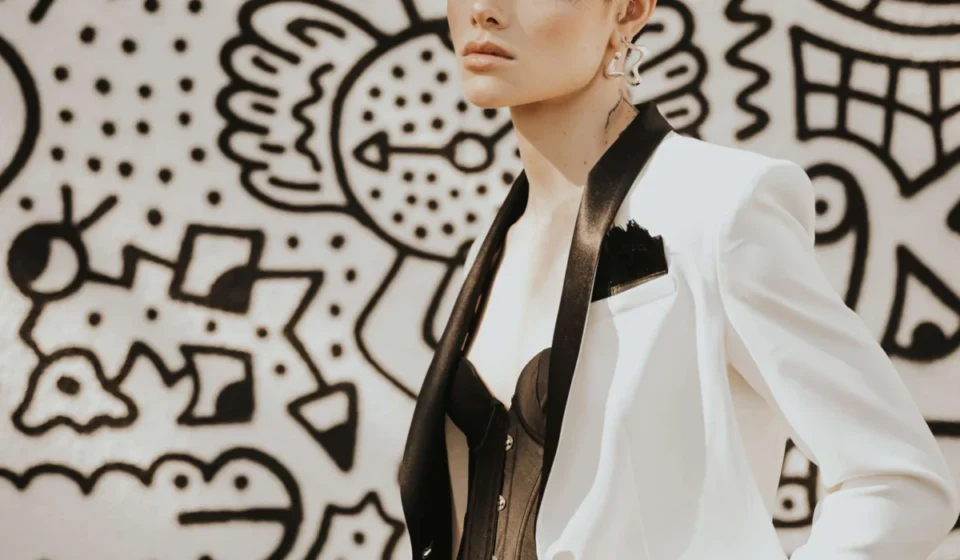
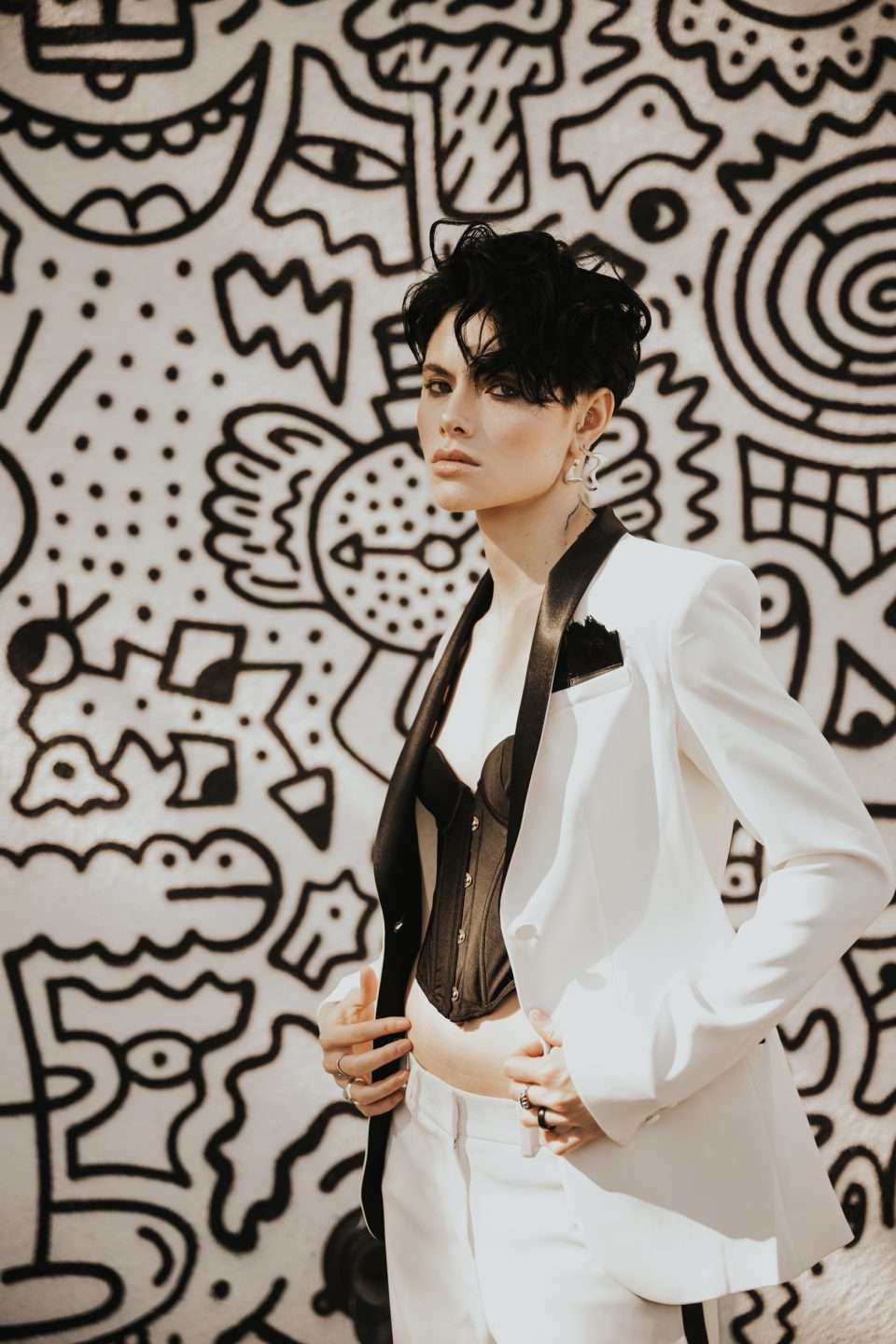
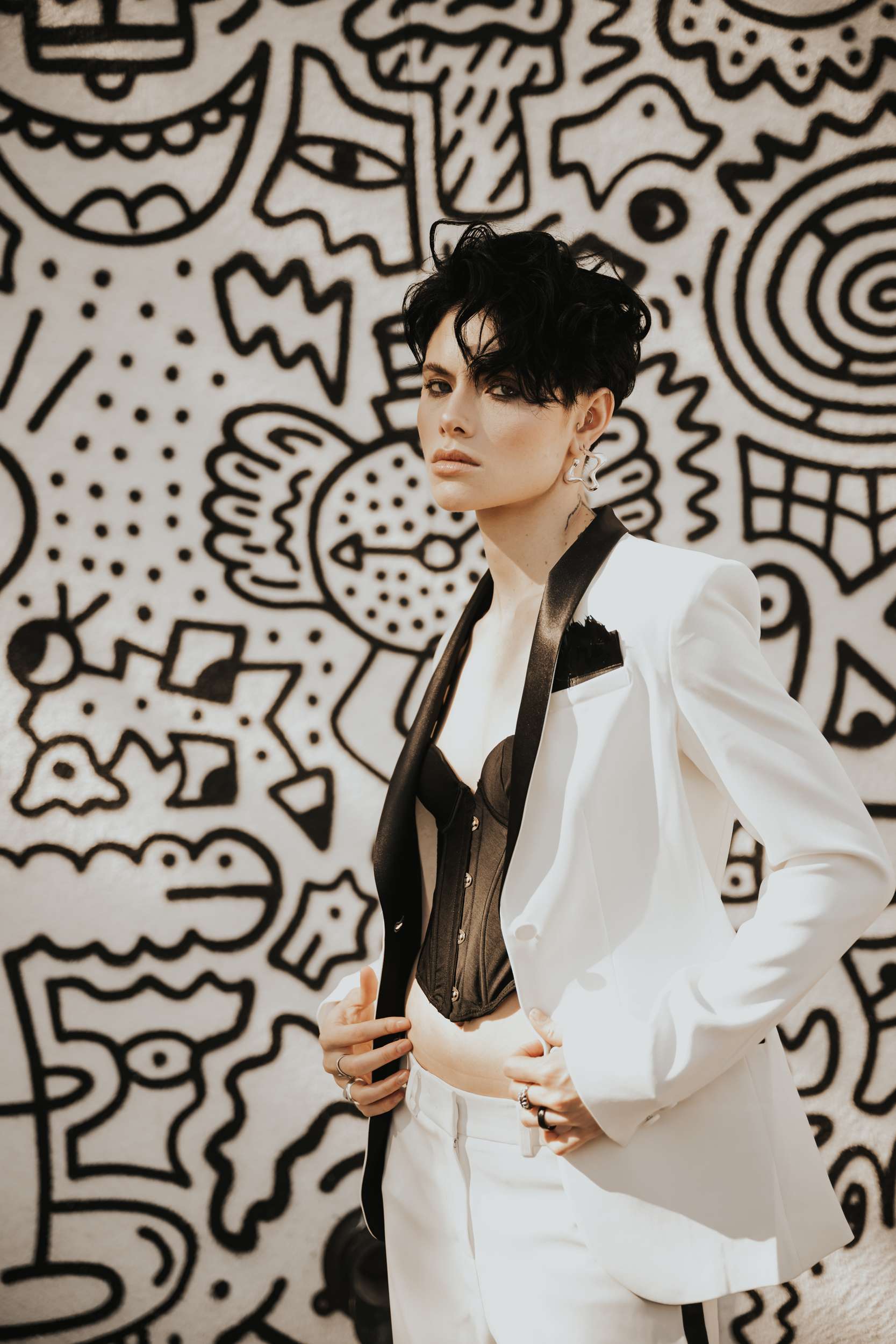
The first step in escaping the "corporate suit" trap is discarding the myth of the "correct" fit. There is no single template for a wedding suit. Some wearers seek a sharp, traditionally feminine cut with a cinched waist; others desire a boxy, oversized, or androgenous silhouette. You might find your joy in cropped jackets, wide-leg palazzo trousers, or even a structured skirt.
The Research Phase
Before stepping into a boutique, you must curate your visual vocabulary. Do not limit your inspiration to "wedding" Pinterest boards, which will inevitably push you back toward the status quo. Instead, look to the red carpet, runway archives, and the personal style of musicians and film icons. Pay close attention to structural details: Are you drawn to soft, natural shoulders or rigid, power-suit pads? Do you prefer the fluidity of a wide-leg pant or the precision of a cigarette cut?
When you finally engage a stylist or tailor, provide them with specific language. Phrases like, "I want a masculine aesthetic without the feeling of having borrowed a garment meant for someone else," provide a tailor with the necessary roadmap to adjust proportions effectively.
The Precision of Made-to-Measure Tailoring
For those prioritizing a perfect fit and unique expression, made-to-measure (MTM) tailoring is the gold standard. While it represents a higher financial investment, the control it offers is unparalleled. MTM allows you to dictate everything: the weight of the wool, the tone of the lining, the shape of the lapel, and the placement of pockets.
However, the process requires logistical foresight. A quality tailor should be viewed as a collaborator. When searching for a provider, prioritize those who demonstrate inclusive practices. Ask direct questions: "Have you worked with non-binary or trans clients before?" A tailor who has mastered the craft of dressing cisgender men may still struggle with the complex adjustments required for a body with a fuller bust or hips. Look for a portfolio that showcases diverse body types, and ensure that the price quoted includes multiple fittings and final adjustments. You should expect to begin this process at least six months out from your date to account for fabric sourcing and the inevitable "tweaks" that occur as the big day approaches.
Navigating the High Street and Off-the-Peg
If made-to-measure is outside your budget, the high street remains a viable—if more demanding—option. The secret to a successful off-the-peg experience is "strategic alteration."
Do not attempt to change the fundamental structure of a garment; rebuilding a jacket’s shoulder or dramatically shifting the rise of a pair of trousers is often more expensive than buying a custom piece. Instead, buy the suit based on the largest part of your body—be it your shoulders or your hips—and have a skilled local tailor take in the rest.
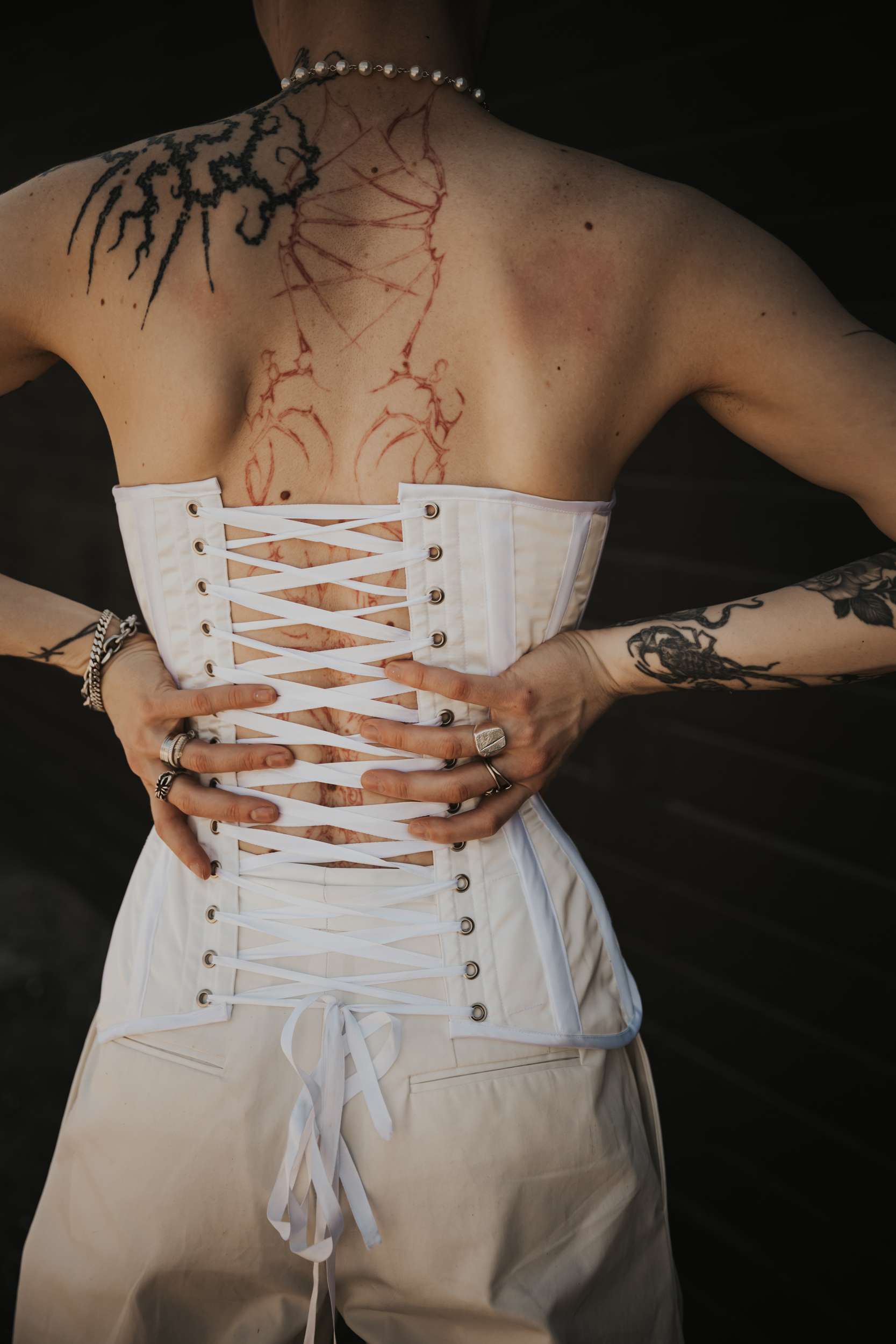
Pro-tip: Never shop for your wedding suit in standard undergarments. Bring the specific shoes, shirt, and—crucially—any shapewear, binders, or corsetry you intend to wear on the day. These layers fundamentally alter the "hang" of a jacket, and an alteration made without them will almost certainly fail to fit properly when it counts.
A Curated Guide to Inclusive Tailoring
The market is currently undergoing a welcome shift, with several providers intentionally creating space for those who fall outside traditional bridal norms:
- King & Allen: Renowned for their made-to-measure services, they actively cater to the LGBTQ+ community, focusing on the wearer’s preferred shape rather than gendered assumptions.
- Gresham Blake: A premier choice for those who want personality-driven British tailoring—expect bold fabrics and vibrant linings that strip away the "office" feel.
- Queer Suits You: Based in Portsmouth, this boutique specializes in bespoke tailoring specifically for the queer community, offering a safe, inclusive environment for those who have felt alienated by traditional Savile Row settings.
- Sumissura: An accessible entry point for custom-sized suits ordered online, allowing for significant control over design elements at a lower price point.
- Knatchbull (formerly The Deck London): Representing the luxury tier, they bring genuine Savile Row expertise to women’s and non-binary tailoring, offering everything from ready-to-wear to fully bespoke bridal options.
- ASOS & Coast: For those on a stricter budget, these retailers offer a surprising array of separates. By browsing across "men’s," "women’s," "petite," and "tall" categories, you can often assemble a look that feels more unique and less restricted than a traditional bridal boutique ensemble.
The Final Flourish: Styling Your Truth
Once the foundation of the suit is set, the styling possibilities are endless. The suit is a blank canvas, not a uniform. You can lean into tradition with a veil or a silk shirt, or subvert it with cowboy boots, platform loafers, a bolo tie, or chunky gold chains.
You are not required to adopt the "groom" archetype simply because you have chosen trousers, nor are you required to "soften" the suit to make it "bridal." The objective of your wedding wardrobe should be immediate, visceral recognition: when you look in the mirror, you should see yourself, not a costume. Your wedding is a celebration of your union, and it deserves a garment that respects your identity. Don’t settle for the "least-worst" navy blazer because you were told it was your only option. The industry is changing, and the tailored, authentic wedding of your dreams is well within reach.