Comments Off on A Decade of Discovery: Scientists Formally Identify Leopardus tilcayo, the First New Cat Species in Over a Century
By [Journalist Name] Published: September 2026
Introduction and Main Facts
In a landmark revelation for mammalian taxonomy, scientists have officially named and described a brand-new species of wild cat: Leopardus tilcayo. Published in the journal Current Biology, the formal identification marks a monumental milestone in modern zoology—representing the first time in over a century that researchers have officially classified a newly discovered, living species of feline.
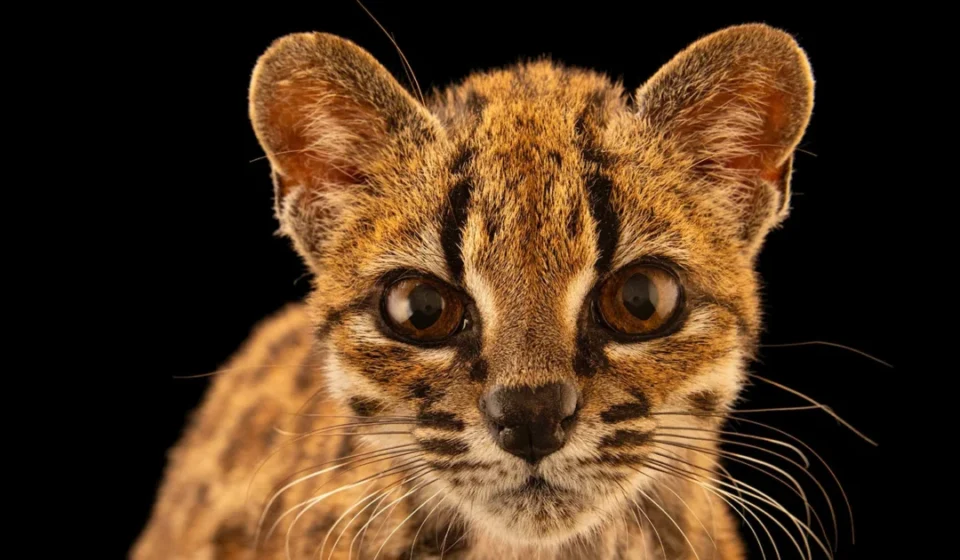
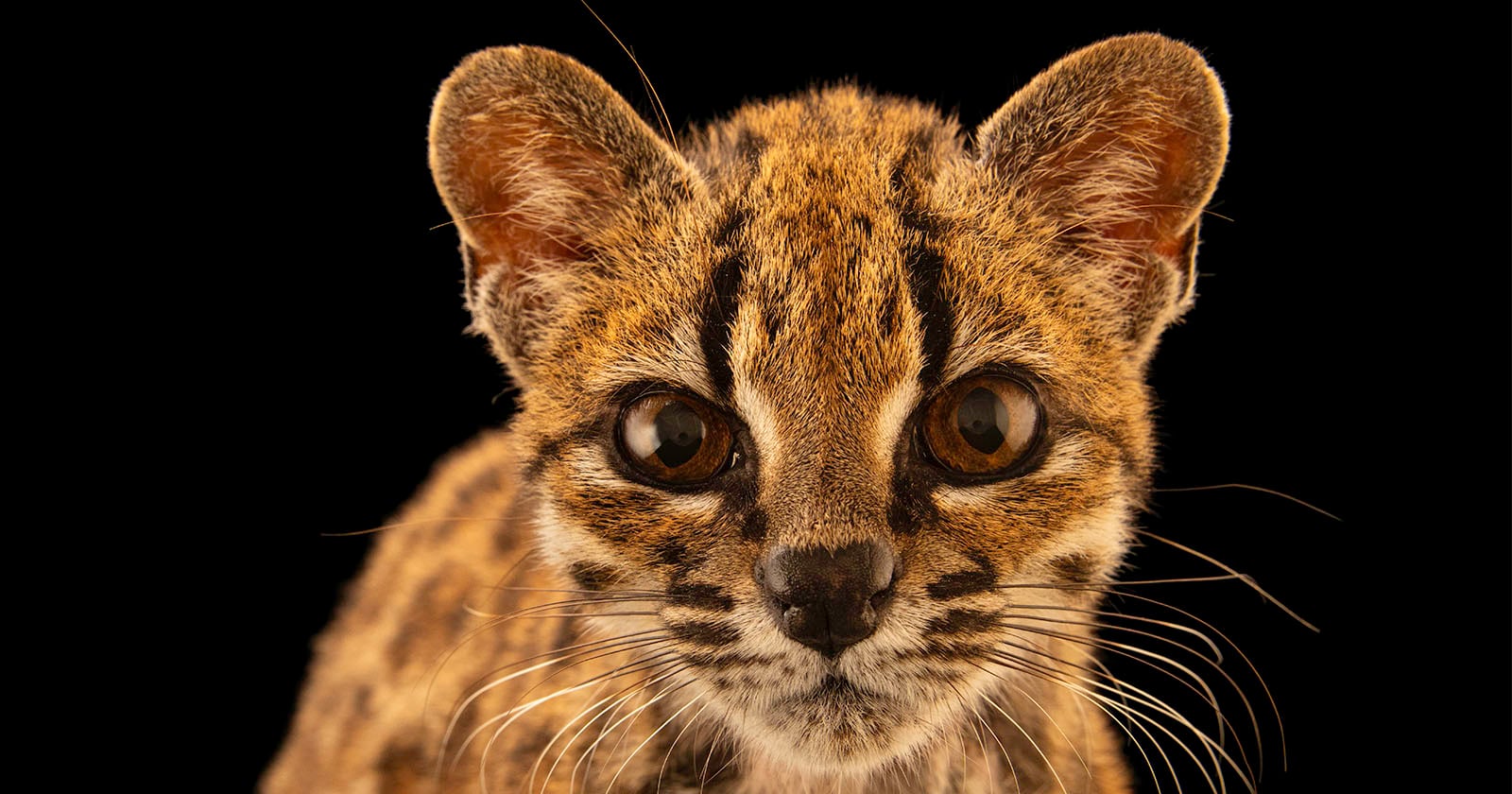
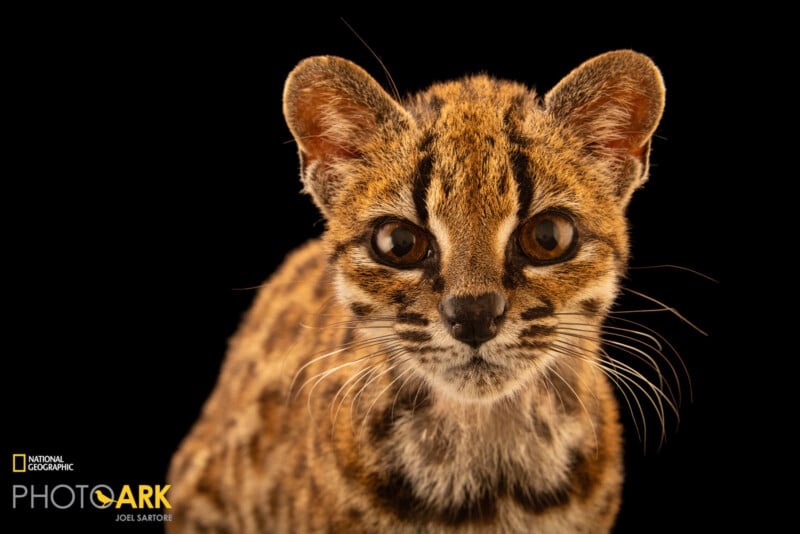
Standing remarkably small—weighing just a few pounds, which is significantly less than the average domestic house cat—Leopardus tilcayo features striking leopard-like spots, an adorable scrunched-up face, short and rounded ears, large amber-brown eyes, and prominent whiskers.
The discovery stems from an unlikely beginning in the Bolivian Andes, bridging a ten-year journey of serendipitous encounters, intensive field observations, and state-of-the-art genetic sequencing. Beyond its charming appearance, the arrival of Leopardus tilcayo onto the global scientific stage serves as a powerful reminder of how much of Earth’s biodiversity remains undocumented, even within heavily studied flagship groups like wild cats.
Chronology of a Ten-Year Mystery
The extraordinary story of Leopardus tilcayo began approximately a decade ago in the rugged terrain of Bolivia. A local resident traversing a remote forest road stumbled upon a tiny, vulnerable animal that appeared to be nothing more than an abandoned domestic kitten. Acting out of compassion, the man scooped up the kitten and brought it home to care for it.
However, as the animal matured, it quickly became apparent that this was no ordinary house cat. Exhibiting intensely wild behaviors, distinct morphology, and striking pelage patterns, the animal required specialized care. Recognizing that the creature could not thrive in a domestic environment, the rescuer surrendered it to the Senda Verde wildlife sanctuary located in Coroico, Bolivia—a renowned haven for rescued regional wildlife.
The Initial Encounter at Senda Verde
Around the time the animal arrived at the sanctuary, National Geographic Explorer and biologist Paola Nogales-Ascarrunz—founder of the Programa de Investigación de Félidos Bolivia (Bolivian Felids Research Program)—received a phone call alerting her that the sanctuary had taken in a "weird cat."
Always eager to study the elusive fauna of her home country, Nogales-Ascarrunz rushed to Senda Verde to investigate. Upon laying eyes on the small cat, she was instantly captivated.
"I took a hundred pictures of it," Nogales-Ascarrunz recalls. "I was so fascinated."
At the time, neither Nogales-Ascarrunz nor the sanctuary staff realized the historic nature of the animal in their care. Believing it fit broadly into regional classifications, researchers initially grouped the feline with Leopardus tigrinus (the oncilla or little spotted cat), an already elusive and poorly understood small wild cat species native to Central and South America.
The Turning Point in 2019
The mystery began to unravel years later, in 2019. While Nogales-Ascarrunz was compiling research and photographs for an educational booklet highlighting the wild cats of Bolivia, she revisited her 2016 archive of the Senda Verde cat. Comparing the photographs of the sanctuary resident against known phenotypic variations of Leopardus tigrinus, a jarring realization washed over her.
"This is so wrong," she thought, noting the distinct cranial structure, coat patterns, and physical proportions that sharply diverged from any known feline taxa in the region.
Bringing in Genetic Experts
Realizing she had stumbled upon a potential anomaly, Nogales-Ascarrunz sought to back her visual suspicions with empirical science. Over the next several years, she refined her molecular and genetic analysis skills, eventually forming a collaborative international research partnership.
She teamed up with prominent geneticist Eduardo Eizirik of the Pontifical Catholic University of Rio Grande do Sul (PUCRS) and study co-author Jonas Lescroart of the University of Antwerp. Together, the research team extracted and sequenced DNA from biological samples associated with the cat.
The genetic data provided undeniable proof: the animal was not a geographic variant or subspecies of a known cat, but an entirely distinct, evolutionarily isolated species. This pivotal genetic verification set into motion the final stages of formal taxonomic description, culminating in today’s global announcement.
Supporting Data and Biological Profile
Formally naming and describing a new mammalian species requires rigorous adherence to international zoological nomenclature codes, exhaustive morphological comparisons, and multi-locus genetic testing. The decade-long timeline from Nogales-Ascarrunz’s initial photographs to the formal publication in Current Biology underscores the immense depth of scientific validation required.
Physical Characteristics of Leopardus tilcayo
Size and Weight: Exceptionally diminutive, weighing only a few pounds—making it substantially smaller than a typical domestic feline.
Facial Morphology: A uniquely scrunched-up face, large amber-brown eyes, and short, rounded ears.
Coat and Markings: Distinctive, high-contrast leopard-like rosettes and spots overlaying a dense coat, adapted for camouflage in its native Andean forest habitats.
Sensory Features: Long, prominent whiskers aiding in spatial awareness through dense undergrowth.
Taxonomic Significance
Within the genus Leopardus—which includes other small spotted American cats such as ocelots, margays, oncillas, and Geoffroy’s cats—evolutionary relationships have long been notoriously complex. Many species within this lineage hybridize or share convergent physical traits, obscuring clear boundaries. The identification of Leopardus tilcayo proves that even among well-documented families like Felidae, cryptic species can remain entirely hidden in plain sight.
Official Responses and Expert Insights
The scientific community has greeted the unveiling of Leopardus tilcayo with a mixture of celebration and sobering reflection.
Dr. Eduardo Eizirik emphasized the broader philosophical and conservation-related implications of the discovery during interviews surrounding the Current Biology publication:
"Showing the general public that even in a flagship group such as cats… there are still new species to be discovered may transmit an important message," Eizirik noted. "There are many undiscovered species out there in the world, and they are at risk of disappearing before we even discover them."
The discovery also highlights the critical role played by local conservation infrastructures, such as the Senda Verde wildlife sanctuary in Coroico, Bolivia. Without a safe haven dedicated to rehabilitating and housing displaced wildlife, animals found along remote forest roads might perish unnoticed by the scientific community.
Furthermore, the individual cat that started it all has achieved a secondary form of immortality. Famed National Geographic photographer Joel Sartore traveled to Senda Verde to photograph the exact feline—now an adult—for the celebrated National Geographic Photo Ark, a multi-year documentary initiative aiming to capture portraits of every species living in human care before they vanish from the wild.
Implications for Conservation and Future Research
While the formal classification of Leopardus tilcayo is a triumph for taxonomy, it opens up a Pandora’s box of ecological questions. Because the discovery is so fresh, foundational aspects of the species’ natural history remain complete mysteries.
Unanswered Ecological Questions
Diet and Foraging: Scientists do not yet know the specific prey items Leopardus tilcayo targets in its natural habitat, though its small size suggests a diet consisting primarily of insects, small rodents, and reptiles.
Predation and Threats: Data regarding what apex predators or environmental pressures threaten the species in the wild is virtually nonexistent.
Reproductive Biology: Details regarding mating seasons, gestation periods, litter sizes, and parental care have not yet been documented in a wild context.
Population Status and Range: Researchers remain unsure of the exact geographic boundaries of the species’ range within the Andes and whether wild populations are currently stable, declining, or threatened by habitat fragmentation and deforestation.
Conservation Urgency
Because Leopardus tilcayo has only just been recognized, conservation assessments (such as its potential listing on the IUCN Red List) have yet to be finalized. However, given the rapid pace of habitat degradation, agricultural expansion, and climate change throughout South American forest corridors, conservationists fear that unknown populations could face immediate anthropogenic threats.
As Paola Nogales-Ascarrunz, Eduardo Eizirik, and their colleagues prepare for their next phases of field research, the scientific community recognizes that finding Leopardus tilcayo is only the first step. Protecting it in an increasingly fragile natural world will require an immediate, concerted global effort.