
OpenAI Acquires Smartphone Camera Innovator Glass Imaging in $300 Million Deal

SAN FRANCISCO — In a move that signals a deeper convergence between artificial intelligence and advanced optics, artificial intelligence pioneer OpenAI has reportedly acquired Glass Imaging, a cutting-edge startup specializing in neural image signal processing (ISP) for smartphones. According to an exclusive report by The Wall Street Journal, the transaction values Glass Imaging at $300 million, marking a significant markup from its previous $100 million valuation secured during a funding round last year.
While neither OpenAI nor Glass Imaging has officially acknowledged the acquisition—with representatives from both companies declining to comment—sources familiar with the matter confirmed the deal to The Wall Street Journal. The acquisition underscores OpenAI’s aggressive expansion beyond software models into physical hardware ecosystems, building upon its multi-billion-dollar maneuvers in the consumer technology space.
Main Facts: The Intersection of AI and Optics
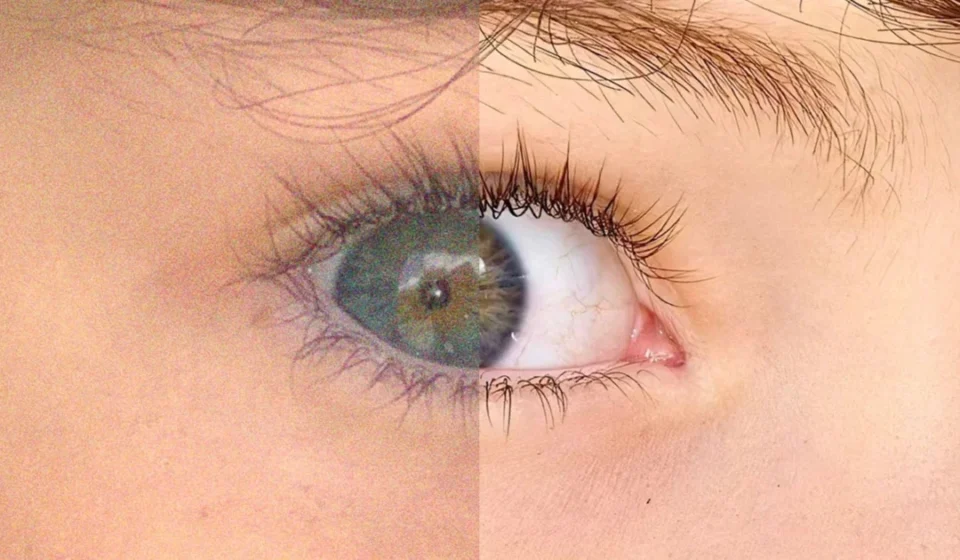
Glass Imaging has spent the past several years developing proprietary technologies designed to fundamentally redefine the boundaries of digital photography. At the heart of its innovation is the GlassAI Neural ISP, an advanced image signal processing system that bridges the gap between the physical limitations of miniature smartphone lenses and the computational power of artificial intelligence.
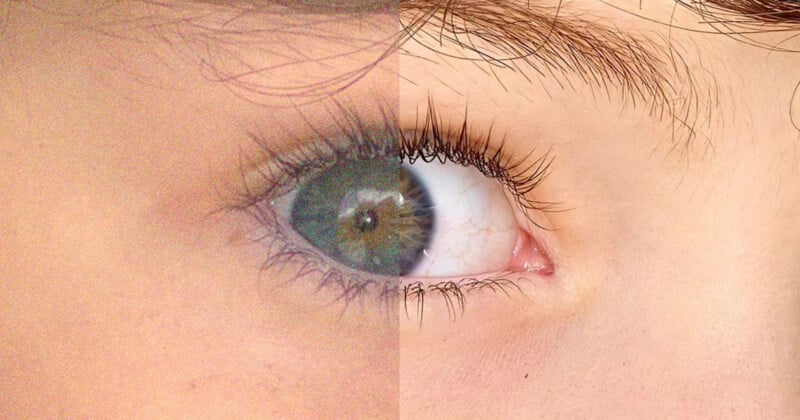
Unlike traditional computational photography techniques—which typically apply algorithmic sharpening, noise reduction, and HDR blending after an image has been compressed or processed by standard mobile pipelines—Glass Imaging’s technology operates at the RAW sensor level. By factoring in the precise physical characteristics of individual camera lenses and analyzing raw sensor data, the GlassAI Neural ISP produces images that rival the clarity, dynamic range, and detail of dedicated, full-frame cameras equipped with massive glass lenses.
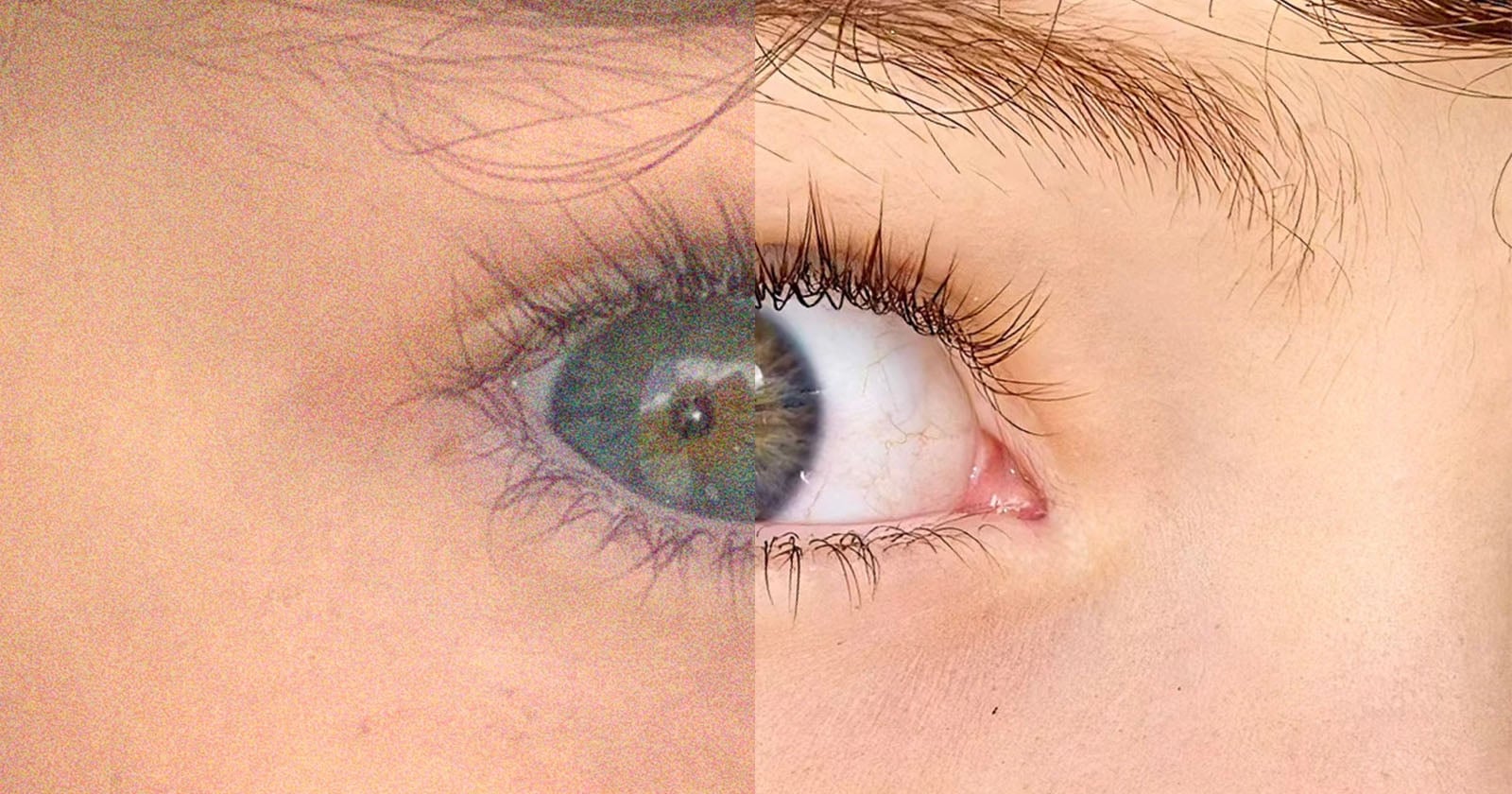
The technology’s efficacy has been proven on real-world hardware. Most recently, Glass Imaging’s neural ISP was integrated into the Honor 600 smartphone, where it dramatically enhanced high-zoom photography performance. Demonstrations dating back to 2024—showcased on devices powered by the Qualcomm Snapdragon 8 Elite mobile platform—revealed that Glass Imaging could bypass the traditional physical constraints of pocket-sized devices, rendering textures, skin tones, and distant details with unprecedented fidelity.
Chronology of Innovation and Growth
To understand the trajectory that led to OpenAI’s $300 million buyout, it is necessary to examine the steady, methodical rise of Glass Imaging within the mobile imaging sector:
- The Foundation (Pre-2024): Founded by imaging experts and computer vision researchers, Glass Imaging set out to solve a fundamental paradox of modern consumer tech: while smartphone sensors and processors advanced rapidly, the physical thickness of phones limited lens size, capping optical quality. The startup developed neural networks trained specifically on the physics of light, optics, and sensor behavior.
- Late 2024 (The Breakthrough Demos): Glass Imaging burst into broader tech industry awareness through high-profile demonstrations. Utilizing hardware like Qualcomm’s Snapdragon 8 Elite, the startup proved that its software could upscale and refine mobile shots to look as though they were captured on professional DSLR or mirrorless cameras.
- Mid-2025 (Investor Confidence): Fueled by growing industry validation, Glass Imaging closed a major funding round that pegged its valuation at $100 million, backed by venture capitalists who recognized the immense commercial potential of revolutionizing the world’s largest digital camera market.
- Mid-2026 (Commercial Realization): The startup achieved a major milestone when its GlassAI Neural ISP was officially built into the Honor 600 smartphone, delivering tangible, consumer-facing improvements in long-range zoom and low-light scenarios.
- Late 2026 (The OpenAI Acquisition): Propelled by its technological leaps and growing strategic value, Glass Imaging attracted the attention of OpenAI, culminating in a reported $300 million acquisition.
Supporting Data and Market Impact
The smartphone market represents the single largest digital camera ecosystem on Earth, with billions of active devices capturing trillions of photos annually. Yet, physics has long imposed a ceiling on what a device measuring less than a centimeter thick can achieve.
- Valuation Tripling: In a span of roughly 12 to 18 months, Glass Imaging’s enterprise value surged from $100 million to $300 million, reflecting a 300% growth driven entirely by the scarcity and potency of its optical AI intellectual property.
- Sensor Agnosticism: While optimized primarily for smartphones—where processing magic is most desperately needed to compensate for microscopic camera modules—the GlassAI Neural ISP is theoretically capable of operating on any digital sensor capable of outputting uncompressed RAW data.
- Competitive Landscape: Independent testing and crops showcased across tech journalism outlets routinely pitted Glass Imaging-enhanced devices against industry heavyweights like Apple’s iPhone lineup, frequently demonstrating superior resolution recovery and artifact suppression at high digital zoom levels.
Strategic Implications: Why OpenAI?
For industry analysts and photography enthusiasts alike, the most pressing question surrounding the acquisition is simple: Why does OpenAI want a smartphone camera company?
OpenAI is universally recognized as a software and generative AI powerhouse, best known for large language models, multimodal reasoning engines, and creative generative tools like ChatGPT and Sora. Historically, the company has not manufactured consumer electronics or focused on the nuances of optical physics.
However, the acquisition becomes clearer when viewed in the context of OpenAI’s broader hardware ambitions. In May 2025, OpenAI executed a massive $6.5 billion acquisition of LoveFrom—the AI hardware startup founded by legendary former Apple chief design officer Jony Ive. That deal signaled OpenAI’s intent to design proprietary physical hardware built natively for the age of ambient artificial intelligence.
If OpenAI—in collaboration with Ive’s design team—is actively developing a next-generation consumer AI device equipped with advanced visual capture capabilities, the missing link has always been high-end visual ingestion. An AI device cannot reason about the physical world efficiently if its "eyes" (its cameras) are hampered by the physical constraints of traditional smartphone optics. By integrating Glass Imaging, OpenAI gains proprietary technology capable of transforming low-grade visual data into pristine, high-resolution inputs. This capability could prove critical for advanced multimodal AI models, visual intelligence interfaces, and real-time environmental data analysis.
Industry Outlook and Uncertainties
While the marriage of OpenAI’s world-class machine learning infrastructure and Glass Imaging’s pioneering neural ISP technology holds breathtaking potential for future hardware, the immediate impact on the existing mobile photography ecosystem remains bittersweet.

For years, Glass Imaging served as an independent beacon of hope for mobile photographers, licensing its tech to hardware manufacturers like Honor and teasing a future where standalone cameras might finally face legitimate competition from pocket devices across all brands. With the startup now absorbed into OpenAI’s corporate fold, its ongoing commercial licensing efforts and consumer-facing smartphone partnerships appear to be placed on indefinite hiatus, if not canceled outright.
Whether Glass Imaging’s groundbreaking code will ever find its way back into mainstream third-party smartphones is entirely up to OpenAI’s discretion. What is certain, however, is that OpenAI has secured one of the most brilliant teams in computational optics, ensuring that whatever future hardware devices emerge from the partnership will view the world with unprecedented clarity.
Related posts: