
The Concrete Footprint of the Cloud: Satellite Timelapses Reveal the Massive Physical Toll of the AI Infrastructure Boom

By Global Tech & Environment Desk
Published: September 2026
Main Facts: The Invisible Architecture Made Visible
For the average user, interacting with artificial intelligence feels entirely weightless. A prompt is typed into a browser or mobile application, and a sophisticated response materializes in milliseconds—a fluid, frictionless exchange occurring in the abstract ether of "the cloud." However, a striking new visual project reveals that this digital ephemeralism has a massive, unyielding physical counterpart.
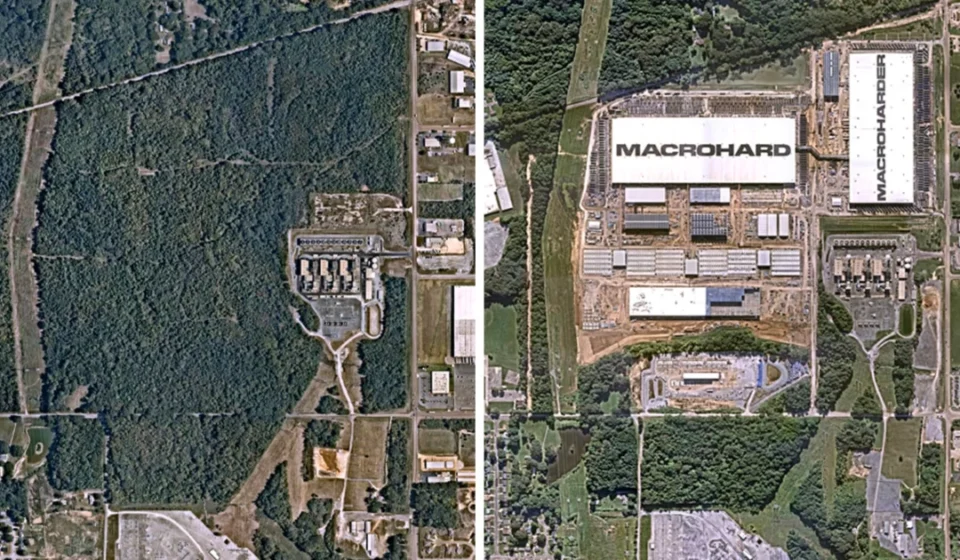
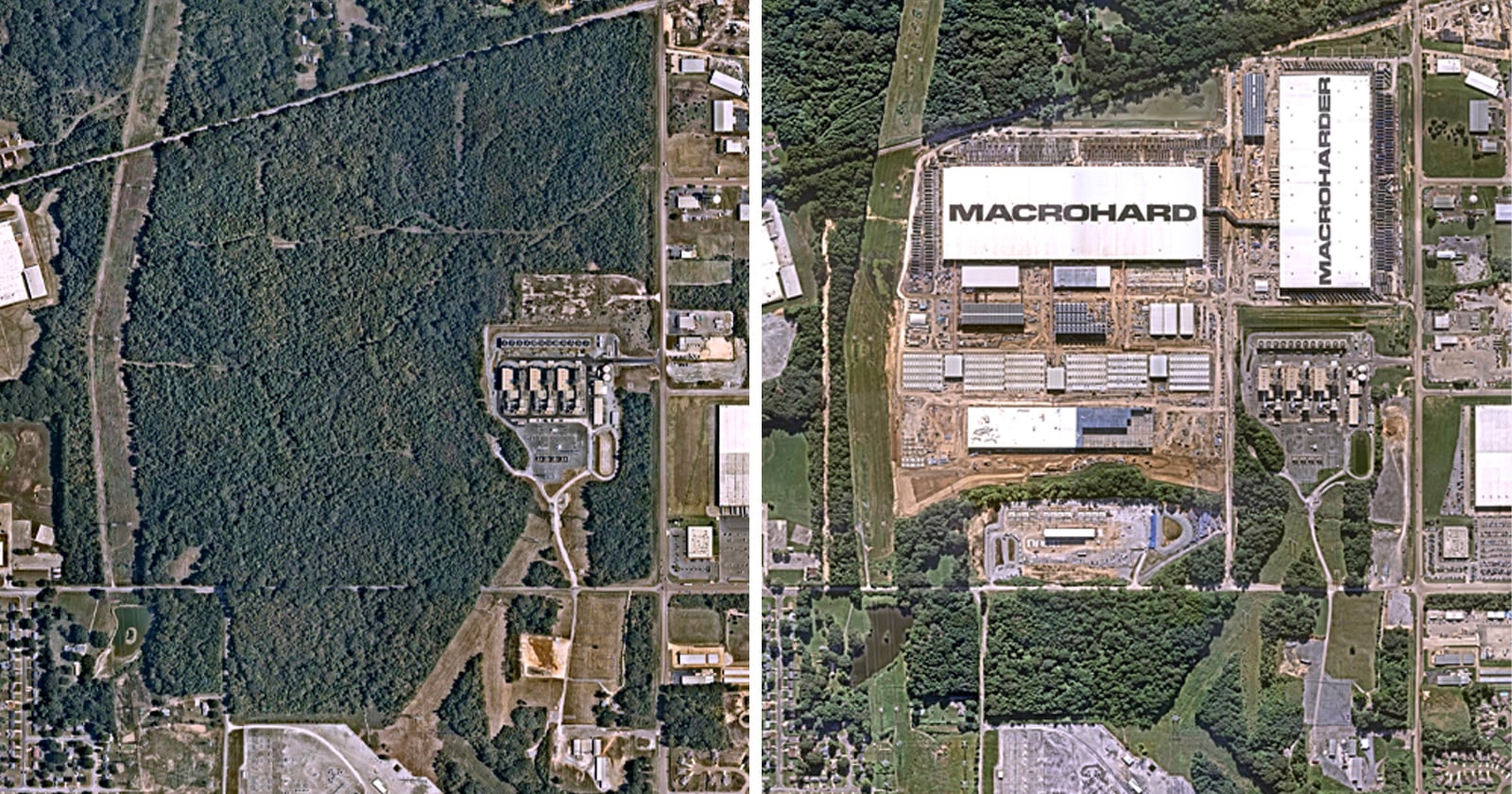
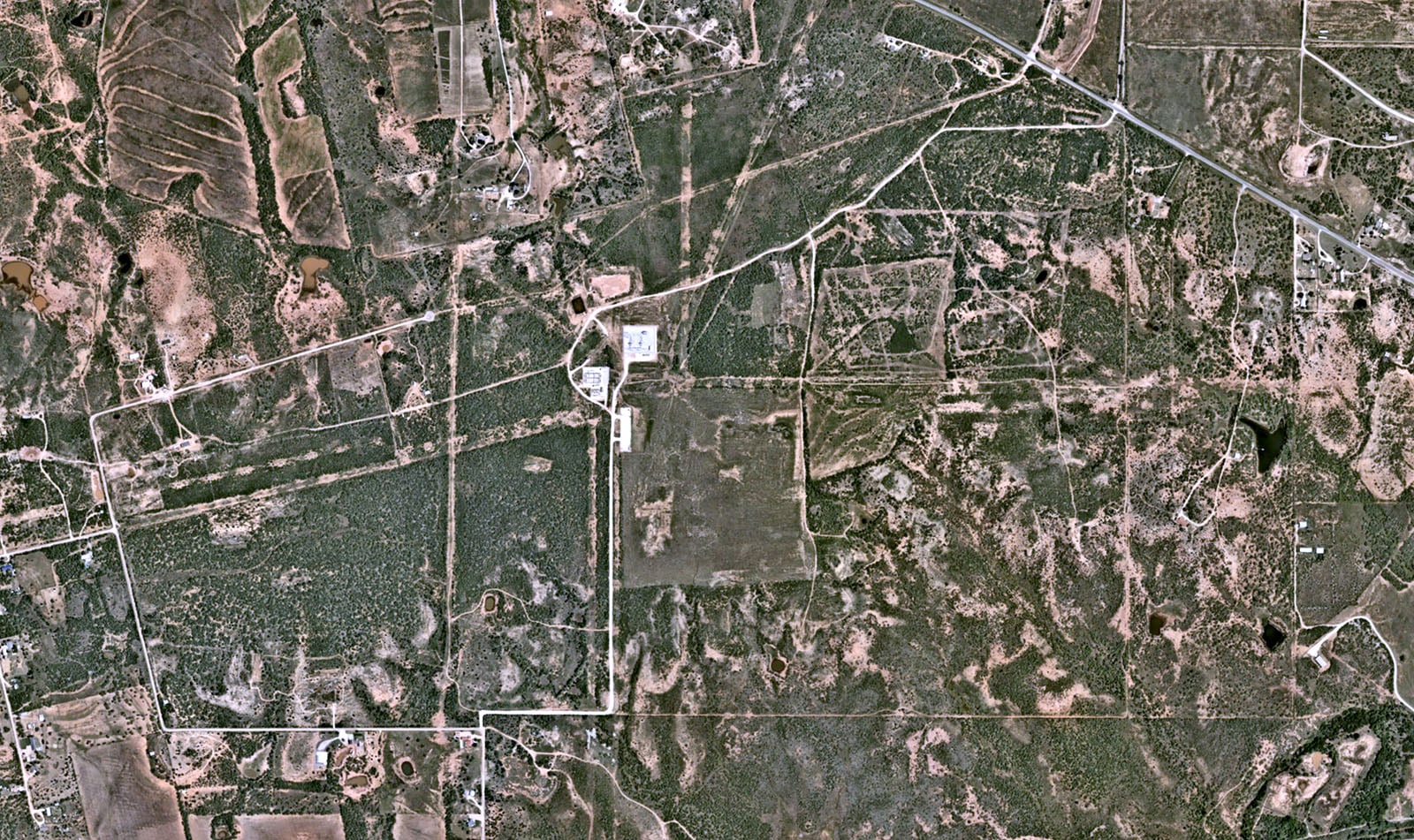
Benjamin Grant, the creator of the widely followed Daily Overview project, has shared a series of dramatic satellite timelapses with PetaPixel documenting the rapid, large-scale construction of mega-data centers across the United States. Spanning from 2015 to 2026, these high-resolution aerial comparisons capture hundreds of acres of lush forests, agricultural fields, and rural landscapes being flattened and paved over to house the colossal server farms powering modern artificial intelligence.
The project highlights three major developmental hubs driving the current tech boom:
- xAI’s massive facility in Memphis, Tennessee
- OpenAI-associated infrastructure in Abilene, Texas
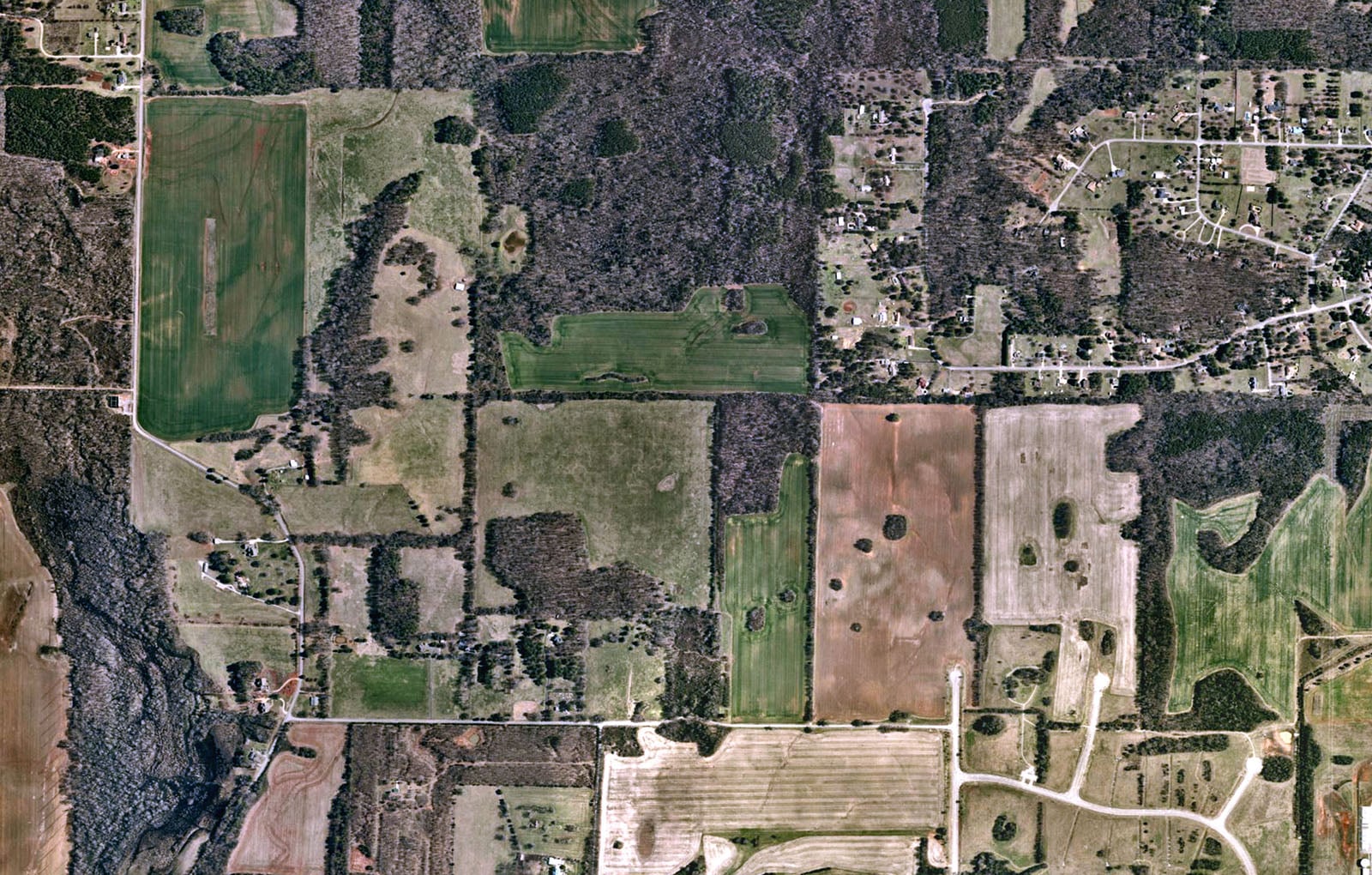
- Meta data center expansions in Huntsville, Alabama
These massive builds arrive at a pivotal cultural and political juncture. As voters, environmental groups, and local municipalities increasingly push back against the sprawling footprints of data centers—citing skyrocketing energy consumption, grid strain, and water resource depletion—these satellite images offer undeniable proof of the radical geographic transformation happening in real time. The invisible digital revolution is leaving deeply visible scars on the American landscape.
Chronology: From Reforestation to Rapid Industrialization
To fully understand the scale of these structural transformations, one must trace the timeline of land use over the past decade. The evolution of these sites highlights how swiftly the artificial intelligence boom has outpaced traditional industrial development cycles.
Phase 1: Pre-2020 – Dormant Landscapes
Before the generative AI gold rush, the locations selected for these modern data centers were largely rural or semi-forested.
- In Memphis, the eventual home of xAI’s facility was characterized by dense tree coverage, adjacent electrical infrastructure, and sparse commercial zoning.
- In Abilene, Texas, the landscape primarily consisted of flat terrain, dirt roads, scattered regional vegetation, and small agricultural ponds.
- In Huntsville, Alabama, the designated sites were a peaceful mosaic of family farms, patches of mature forest, and minor residential subdivisions.
Phase 2: 2020–2023 – The Post-Pandemic Pivot and Generative Breakthroughs
Following the public launch of foundational generative models like OpenAI’s ChatGPT in late 2022, the technology sector shifted gears with unprecedented velocity. The demand for compute power skyrocketed overnight.
- During this window, initial land acquisitions began quietly. Local zoning boards across the Sunbelt and rural corridors approved massive rezoning initiatives, often incentivized by promises of local job creation and tech-sector tax revenue.
- Clearing operations commenced. Heavy machinery moved into quiet rural zones, ripping up root systems, leveling rolling topography, and grading massive plots of land to prepare for hyper-scale foundations.
Phase 3: 2024–2026 – The Hyper-Scale Mega-Campus Era
By 2024, the timeline shifts into hyper-drive. The satellite imagery from this period reveals the rapid, almost aggressive erection of industrial buildings characterized by enormous rooflines, specialized cooling yards, and dedicated electrical sub-stations.
- The xAI site in Memphis expanded into a sprawling technological fortress, consuming vast swaths of land previously untouched by heavy industry.
- The Abilene and Huntsville locations transformed from open fields into monolithic concrete complexes.
- By 2026, these campuses stand as some of the largest private infrastructure build-outs in the United States, consuming local power generation capacity on a scale previously reserved for entire manufacturing cities.
Supporting Data: The Scale of the Build-Out and the Energy Crisis
The visual evidence captured by Daily Overview aligns directly with a mountain of economic and environmental data concerning the modern tech landscape. The appetite of artificial intelligence for physical resources is staggering, challenging national energy grids and municipal water supplies alike.
The Power Paradigm
Data centers designed for training frontier AI models do not operate like traditional corporate servers. They require hundreds of thousands of specialized graphical processing units (GPUs) running continuously at maximum load.
- Energy Consumption: Industry analysts estimate that modern AI data centers consume as much electricity as small-to-medium-sized towns. A single mega-campus can demand hundreds of megawatts of continuous power.
- Grid Strain: In regions like Tennessee and Texas, utility providers have had to rethink long-term resource allocation. Power companies are increasingly forced to delay the retirement of fossil-fuel plants or fast-track new energy generation projects—ranging from natural gas pipelines to nuclear power purchase agreements—just to keep pace with tech-sector demand.
Land and Environmental Fragmentation
The environmental impact extends far beyond electricity generation. As Benjamin Grant points out, the physical footprint of these campuses introduces profound ecosystem disruptions:
- Deforestation: Hundreds of acres of carbon-sequestering forests are clear-cut to make way for monolithic concrete slabs.
- Stormwater Runoff: Transforming permeable soil and forest cover into massive impervious roofs and asphalt parking lots radically alters local hydrology, increasing the risk of localized flooding and requiring multi-million-dollar drainage engineering.
- Water Usage: Beyond the land footprint, massive cooling systems evaporate millions of gallons of water daily, drawing heavily from municipal water tables in regions that are already vulnerable to drought.
Official Responses: The Paradox of Tech Leadership and Self-Regulation
The timing of Grant’s timelapse release coincides with a fascinating ideological shift within the leadership of the tech industry itself. Even as bulldozers work 24/7 to expand the physical footprint of AI infrastructure, the industry’s highest-ranking executives are beginning to pump the brakes on software development.
The Call for a Frontier Pause
Over the past weekend, Anthropic CEO Dario Amodei published a widely discussed essay calling for a deliberate slowdown in the development of frontier artificial intelligence models to ensure safety and alignment standards are met. In a surprising alignment of competitors, tech leaders including OpenAI CEO Sam Altman and xAI founder Elon Musk voiced agreement regarding the need to pace the industry’s explosive trajectory.
However, this intellectual hesitation stands in stark contrast to the unyielding momentum of physical construction. Speaking on the dichotomy between software theory and hardware reality, Benjamin Grant notes:
"Timing-wise, with companies like OpenAI, Anthropic, and xAI now floating a pause on frontier model development over safety concerns, it has made me wonder whether or not the physical build-out will actually slow, or if the infrastructure race has taken on a life of its own. For me, this timelapse brings that question to life."
An AI’s Perspective on Its Own Birthplace
In a uniquely meta twist, when Grant published the satellite comparison to the Daily Overview Instagram page, he collaborated with Claude—Anthropic’s flagship AI chatbot—to write the accompanying caption and select the background music.
Reflecting on the images of the landscape being transformed into server farms, Claude wrote:
"I don’t know which of these buildings, if any, I’m running on right now. Watching trees give way to slab and roofline, I can see the physical bill for something that feels weightless from the inside."
Grant admitted that utilizing the AI to critique its own physical housing felt deeply surreal. "I was curious to hear Claude’s take on seeing where it ‘lives’ and I do appreciate the hint of guilt in its response," Grant remarked. "I even had it select the song for the post, which eerily fit the build-out progression."
Implications: What the Future Holds for Communities and the Climate
As the physical footprint of the artificial intelligence revolution expands across America’s heartland, the long-term implications are becoming a central flashpoint in local, state, and national politics.
The Grassroots Pushback
Voters of all political affiliations are increasingly organizing against the unchecked zoning and rapid construction of data centers in their backyards. Concerns range from the aesthetic degradation of rural communities and falling property values to the very real threat of noise pollution from industrial cooling fans running day and night. Furthermore, local taxpayers are increasingly resistant to subsidizing massive tax breaks for tech giants when those same companies contribute to rising local utility bills and strained public infrastructure.
The Infrastructure Inertia Dilemma
The central paradox highlighted by Grant’s timelapses is the disconnect between corporate strategy and physical reality. Software development can be paused with the click of a button; code can be rewritten, models can be constrained, and executive directives can alter the course of research overnight.
Concrete and steel, however, possess a permanent inertia. Once hundreds of acres are graded, substations are wired, and billion-dollar concrete facilities are erected, those assets demand a return on investment. Even if AI software development slows down for safety evaluations, the massive physical infrastructure already built across Tennessee, Texas, Alabama, and beyond will remain—a permanent monument to the moment humanity decided to house the digital mind by reshaping the physical earth.
To explore more stunning aerial perspectives of human geography, follow the Daily Overview on Instagram.
Related posts: