Beyond the Vine: How Chateau Ste. Michelle Redefined the Pacific Northwest Wine Experience

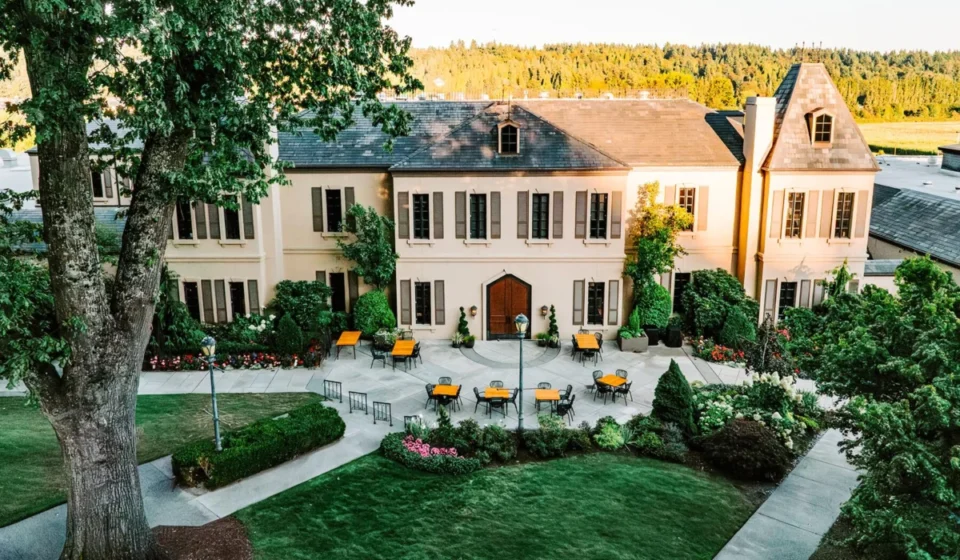
Just 45 minutes northeast of the bustling urban sprawl of Seattle lies a destination that feels worlds away—a lush, French-inspired estate that has served as the heartbeat of Washington’s wine country for nearly half a century. Chateau Ste. Michelle, located in the verdant valley of Woodinville, is far more than a production facility; it is a cultural landmark, an architectural retreat, and a premier entertainment venue that has successfully bridged the gap between viticulture and the performing arts.
Since opening its doors in 1976, the winery has become the standard-bearer for Washington wine. Yet, as contemporary travelers seek more immersive, multi-sensory experiences, the estate has evolved. It is no longer just a place to sip a glass of Cabernet Sauvignon; it is a sprawling, 105-acre campus where oenology meets high-end hospitality, garden aesthetics, and world-class live entertainment.
The Pillars of the Estate: Main Facts and History
To understand the gravity of Chateau Ste. Michelle, one must first look at its historical significance. Washington State’s oldest winery, Chateau Ste. Michelle, isn’t just a legacy brand; it is the pioneer that put the Columbia Valley on the international map. While the estate in Woodinville acts as the "front porch" for the brand, the company manages thousands of acres of vineyards across the state, utilizing the unique high-desert climate of Eastern Washington to produce world-class Riesling, Merlot, and Cabernet Sauvignon.
The Woodinville estate itself is a marvel of landscape design. Inspired by the grand chateaus of France, the grounds feature meticulously manicured rose gardens, sweeping lawns, and an amphitheater that has become an integral part of Western Washington’s summer identity. The facility hosts hundreds of thousands of visitors annually, offering everything from intimate blending workshops to grand-scale public events.
A Chronology of Innovation: From Tasting Room to Cultural Icon
The trajectory of Chateau Ste. Michelle is a story of deliberate growth and adaptation.
- 1976: The Woodinville estate officially opens to the public, establishing a permanent home for wine enthusiasts just outside of Seattle. This move proved visionary, as it created a accessible hub for urban dwellers to engage directly with winemaking.
- 1980s – 1990s: The winery began its pivot toward becoming a lifestyle destination. Recognizing that the wine industry was shifting toward "experiential tourism," leadership invested heavily in public-facing programming.
- Mid-1980s: The inception of the Summer Concert Series. By inviting major national acts to perform on the lawn, the winery tapped into a demographic that might not visit solely for a tasting, effectively diversifying its audience.
- 2000s – Present: The estate continued to refine its offerings, introducing bespoke experiences like the "Winemaker for a Day" blending classes and high-end culinary pairings, such as the rose garden "tea" service.
Supporting Data: Why Woodinville Wins
The success of the Chateau is inextricably linked to its location in Woodinville. Often cited as one of the most concentrated wine-tasting regions in the United States, Woodinville has blossomed into a logistical powerhouse for tourism.
Data suggests that the "halo effect" of the Chateau benefits the entire surrounding area. With over 100 tasting rooms in the immediate vicinity, the city has become a hub for culinary excellence. Visitors don’t just stop at the Chateau; they fuel a local economy that includes boutique eateries like Sparrow and the elevated dining scene found at The SOMM and its rooftop venue, The Shed.
Furthermore, the integration of outdoor recreation—such as renting Duffy boats on nearby Lake Washington—creates a holistic itinerary. For the modern traveler, the ability to combine wine education, fine dining, and aquatic leisure within a 10-mile radius is a significant draw, contributing to high rates of repeat visitation.
The Intersection of Wine and Performance: The Summer Concert Series
If the wine is the soul of Chateau Ste. Michelle, the Summer Concert Series is its heartbeat. For over four decades, the estate’s amphitheater has played host to a staggering array of talent. The list of performers reads like a "Who’s Who" of the music industry: Bob Dylan, Boyz II Men, Sarah McLachlan, and John Legend are just a few of the headliners who have graced the stage.
The experience is unique because of the setting. Unlike a stadium concert where the environment is purely utilitarian, a concert at the Chateau is an atmospheric event. Attendees are invited to wander the gardens in the late afternoon, enjoy a glass of wine from the estate’s own cellar, and then transition to the lawn as the sun dips below the horizon. The acoustics, the proximity to the vines, and the temperate Pacific Northwest summer evenings create a symbiotic relationship between the art of music and the art of wine.

Culinary Craft: Beyond the Tasting Room
While many wineries offer a standard cheese board, Chateau Ste. Michelle has leaned into the "high tea" concept with a viticultural twist. This service is a masterclass in pairing. Rather than traditional tea, guests are served a curated flight of wines accompanied by gourmet bites—smoked salmon mousse, delicate lemon meringue tarts, and buttery scones that have garnered a reputation of their own.
This service highlights a broader shift in the winery’s strategy: moving away from the "transactional" nature of a tasting room toward "experiential" hospitality. By blending education with leisure, the estate ensures that guests are not merely consumers of the product, but active participants in the brand’s lifestyle.
Official Perspectives: The Philosophy of the Estate
The leadership at Chateau Ste. Michelle has long maintained that their goal is to make wine accessible and celebratory. In official statements regarding their programming, representatives emphasize that the estate is intended to be a "third space"—a place that is neither work nor home, but a community hub.
"Our goal has always been to remove the pretension from the wine experience," says a spokesperson for the estate. "Whether you are here to learn about the nuances of a barrel-aged Cabernet or you are here to sing along with your favorite artist under the stars, the common denominator is the quality of the moment."
The decision to keep the concert series running for 40-plus years was driven by the realization that wine is a social lubricant. By providing a stage for world-class artists, the winery cements its role as a cultural cornerstone rather than just a commercial entity.
Implications for the Future of Wine Tourism
The "Chateau Ste. Michelle model" provides a blueprint for the future of the American wine industry. As global wine consumption patterns shift, wineries are finding that they can no longer rely on bottle sales alone. They must become destinations.
- Diversification of Revenue: By hosting concerts, the winery generates significant revenue through ticketing and event-specific hospitality, reducing reliance on wine sales alone.
- Brand Loyalty: By associating the brand with positive, memory-making experiences (like a summer concert or a successful blending class), the winery builds a deeper, emotional connection with consumers.
- Regional Synergy: The growth of the Woodinville area as a culinary destination shows that wineries thrive when they are part of a larger ecosystem of hospitality.
Conclusion: A Must-Visit Destination
For those traveling to the Pacific Northwest, the Chateau Ste. Michelle experience is an essential component of any itinerary. It offers a rare opportunity to witness how a historic institution can successfully innovate without sacrificing its core identity.
Whether you are participating in a blending workshop, where you might craft a vintage named When Cab Met Franc, or simply finding a spot on the grass for an evening of live music, the estate delivers a sense of place that is rare in the modern world. It is, quite simply, a total destination. As the summer season concludes and planners look toward the future, one thing remains clear: the Chateau will continue to be a beacon for those who believe that the best stories—and the best wines—are best shared in good company.
For the traveler looking to balance the urban energy of Seattle with the serene beauty of the vine, there is no better choice. Plan your visit, book your tickets early, and prepare to discover why this Woodinville estate remains the crown jewel of Washington’s wine country.