The Modern Pet Owner’s Guide to Domestic Harmony: Comprehensive Analysis of Advanced Household Maintenance and Pet Hygiene Technologies

Main Facts
The intersection of pet ownership and interior domestic maintenance has long presented a logistical challenge for households across the globe. Recent market data from home-care analytics and pet industry research indicates that over 70% of households incorporate at least one companion animal, resulting in an escalating demand for specialized sanitization, odor-abatement, and grooming technologies. Traditional cleaning methods—relying heavily on generic detergents, manual brushing, and superficial masking agents—frequently fail to neutralize the biological origins of pet-related soils and malodors.

To address these pain points, a new generation of targeted consumer goods has emerged. These innovations range from enzymatic fabric treatments and industrial-grade air purification systems to passive dental hygiene supplements and washable containment solutions. Industry analysts note a definitive shift in consumer spending toward preventative maintenance products that reduce physical labor while preserving indoor air quality and protecting delicate surfaces, including upholstery, carpets, and aquatic habitats.

Chronology
The evolution of pet-specific cleaning and maintenance solutions has tracked parallel developments in biotechnology, material science, and consumer electronics over the past two decades:
- Early 2000s: The market was largely dominated by mechanical tools—standard vacuum cleaners, wire slicker brushes, and rudimentary disposable pee pads—alongside harsh chemical cleaners that often masked rather than eliminated biological odors.
- 2010–2015: The introduction of advanced enzyme-based formulas revolutionized stain removal. Manufacturers began utilizing biological catalysts to break down uric acid crystals and proteins at a molecular level, preventing repeat marking behaviors in companion animals.
- 2016–2020: Portable deep-cleaning upholstery machines, such as specialized spot-cleaners, gained mainstream adoption. Concurrently, consumable dental additives (liquid water additives and dietary powders) provided non-invasive alternatives to traditional canine and feline toothbrushing.
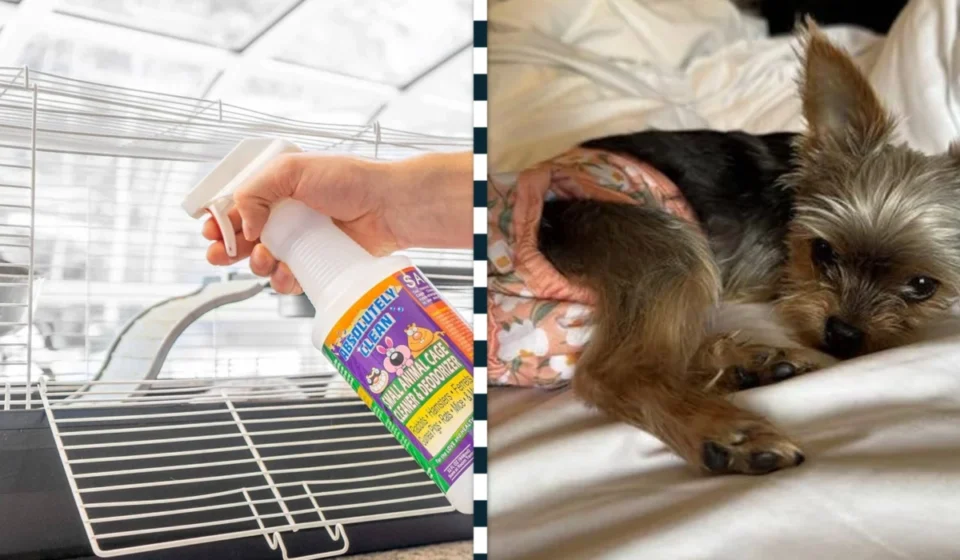
- 2021–Present: The post-2020 surge in pet adoption accelerated demand for high-efficiency domestic technologies. The market now features multi-stage HEPA air purifiers specifically tuned for pet dander and volatile organic compounds (VOCs), sustainable washable barriers (diapers and pee pads), and specialized habitat maintenance solutions for non-traditional pets such as reptiles and small mammals.
Supporting Data and Product Evaluation
A comprehensive evaluation of current top-tier market offerings reveals distinct categories of intervention designed to maintain domestic hygiene without compromising animal welfare.
1. Oral Health and Dental Hygiene Management
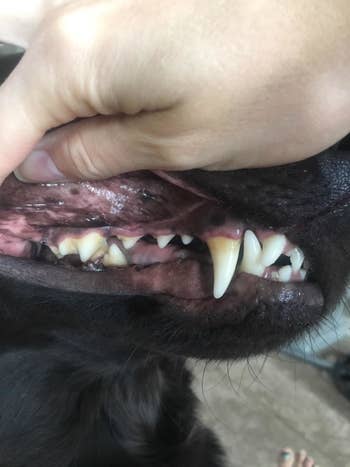
Periodontal disease affects a vast majority of adult dogs and cats, contributing significantly to chronic halitosis.
- Twist-and-Lick Oral Gels: Formulated to mimic flavored treats while delivering enzymatic plaque-fighting agents, these topical gels reduce reliance on manual brushing. Clinical feedback highlights high acceptance rates among notoriously finicky breeds, such as Shih Tzus.
- Water Additives and Dental Powders: Liquid tartar removers and kelp-based dental health powders integrated directly into daily nutrition offer passive prophylaxis, effectively minimizing sulfur-producing bacteria and subgingival calculus buildup over sustained use.
2. Fabric, Carpet, and Upholstery Restoration
Biological spills and tracked-in debris require specialized mechanical and chemical extraction.
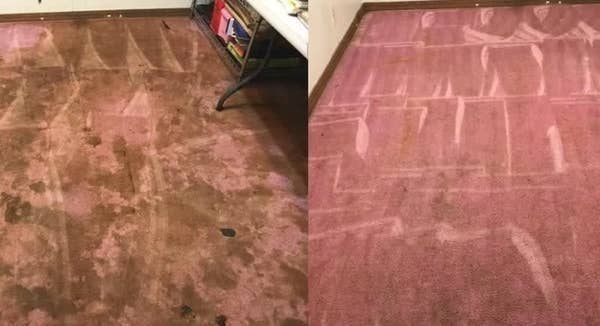
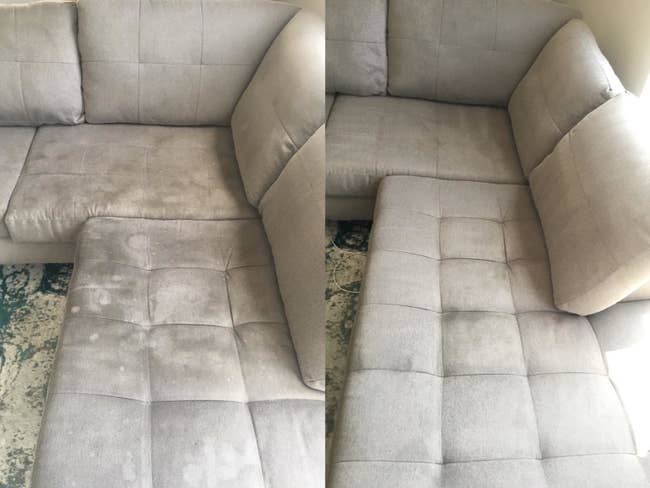
- Portable Upholstery Cleaners: Devices combining targeted fluid delivery with high-suction extraction (such as compact green-machine extractors) penetrate deep into woven fabrics to lift embedded mud, dander, and biological fluids.
- Enzymatic Spot Treatments and Shampoos: Formulas engineered by brands like Sunny & Honey and Rocco & Roxie utilize bio-enzymatic action to digest organic waste rather than bleaching or masking it. These are frequently paired with diagnostic tools such as UV black-light flashlights, which illuminate dried uric acid deposits invisible to the naked eye.
- Dry Extraction Rollers: Reusable rubber-blade rollers (e.g., the ChomChom Roller) generate electrostatic friction to lift embedded fur from textiles without the adhesive waste and fabric snagging associated with traditional lint papers.
3. Ambient Odor Mitigation and Air Quality Control
Confined spaces and multi-pet households often experience accumulation of airborne dander and pet-specific VOCs.
- Activated Carbon and HEPA Air Purifiers: Heavy-duty multi-stage filtration units equipped with specialized odor-absorption carbon layers have been clinically demonstrated to reduce airborne allergens down to levels acceptable for sensitive human allergy sufferers.
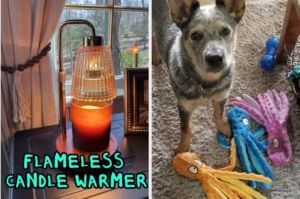
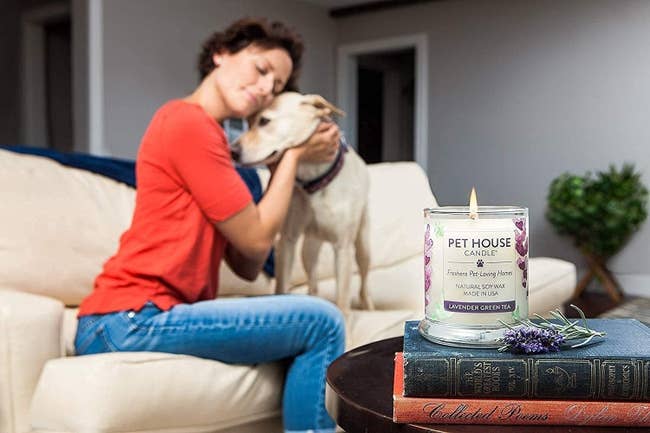
- Pet-Safe Combustion and Neutralization: Unlike paraffin-based candles that release soot and synthetic perfumes, specialized soy-wax candles infused with natural odor neutralizers target sulfur and ammonia bonds in the air.
- Litter Box Enhancements: Zeolite-based mineral powders and corn-cob absorbents extend the life of clay and natural litters by locking in moisture and neutralizing alkaline waste products before volatilization occurs.
Official Responses and Industry Standards
Manufacturers and consumer advocacy groups emphasize that modern pet hygiene products must balance efficacy with rigorous safety standards. According to leading veterinary dermatologists and toxicologists, household cleaning agents must be formulated to prevent secondary ingestion toxicity, as companion animals frequently groom their paws and coats after walking on treated floors.
Furthermore, trade organizations representing small business manufacturers note an increased regulatory focus on biodegradable and non-toxic surfactant formulations. Industry leaders have responded by shifting toward plant-derived enzymes and sustainable packaging models, ensuring that high-performance cleaning does not come at the expense of environmental sustainability or animal safety.

Implications for Modern Pet Owners
The availability of advanced, specialized maintenance tools alters the fundamental economics and lifestyle dynamics of pet ownership. By shifting from reactive scrubbing to proactive biological management, households can mitigate the physical wear and tear traditionally associated with domestic animals.
- Economic Efficiency: Reusable items—such as washable incontinence pads, durable hair removal rollers, and concentrated enzyme refills—reduce the recurring expenditure associated with disposable paper products and single-use cleaning wipes.
- Health Outcomes: Improved indoor air filtration and consistent oral hygiene protocols contribute directly to the longevity and health span of both human occupants and their companion animals, reducing veterinary intervention costs related to periodontal disease and respiratory distress.
- Psychological Well-being: Maintaining an odor-free, visually pristine living environment alleviates the social friction and stress often reported by multi-pet owners, ensuring that the emotional benefits of pet companionship remain the central focus of the modern household.