The Evolution of Home Organization and Aesthetic Upgrades: A Comprehensive Industry Analysis

Main Facts
In recent years, the consumer market for home organization, interior aesthetics, and cleaning innovations has undergone a significant transformation. Driven largely by digital platforms, shifting remote-work dynamics, and an increased cultural focus on domestic spaces, homeowners and renters alike are investing heavily in products that promise both high functionality and elevated design.
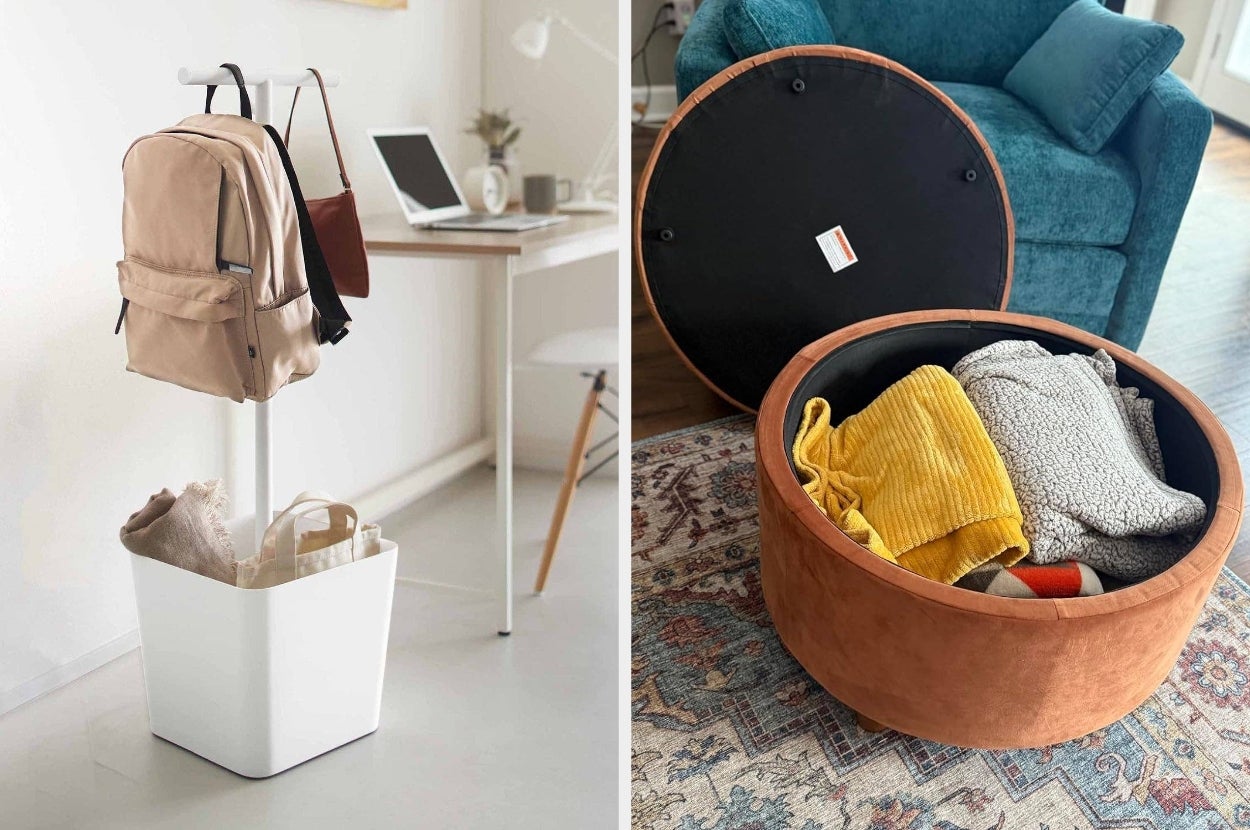
Market research indicates a sustained surge in demand for affordable luxury items—products that bridge the gap between high-end interior design and accessible e-commerce pricing. Key product categories leading this consumer trend include:
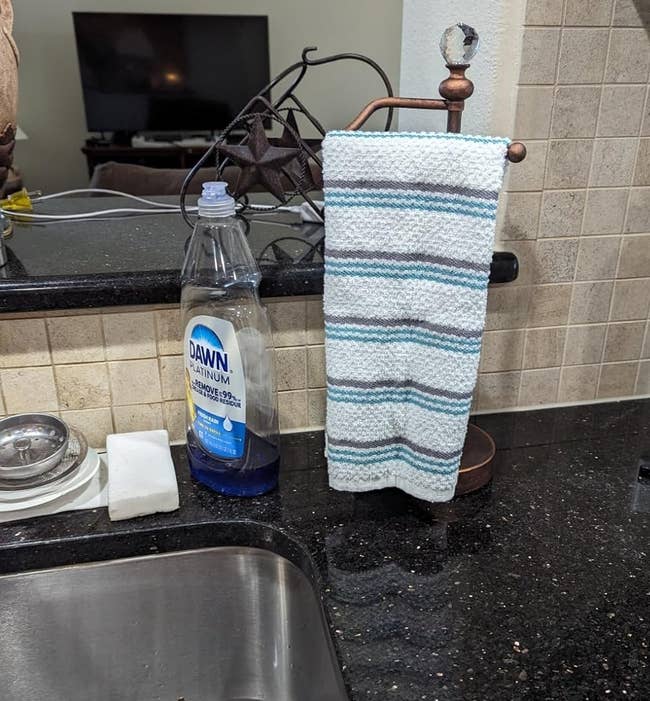
- Targeted Cleaning Solutions: Heavy-duty cleaning pastes, 2-in-1 cordless wet-dry vacuums, and specialized stainless steel treatments.
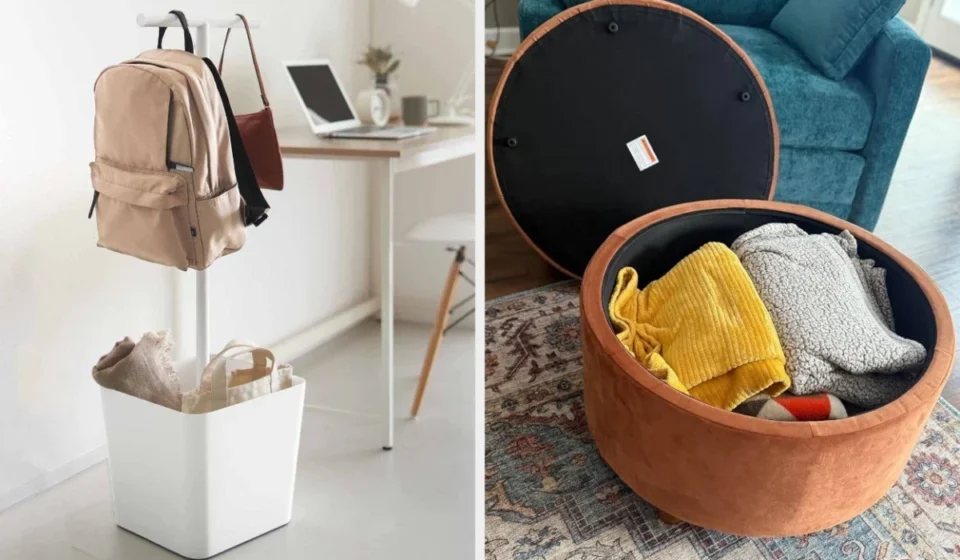
- Aesthetic Organization: Faux-book storage boxes, under-cabinet wire management, and modular shoe racks.
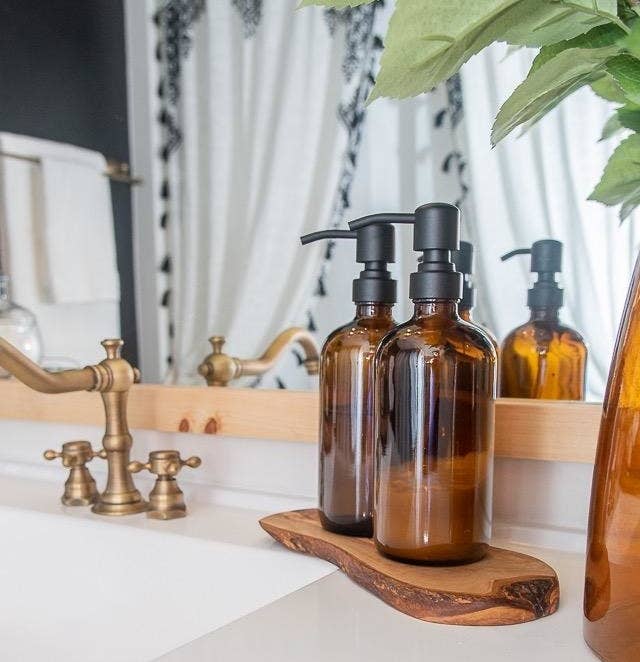
- Sensory Enhancements: Amber glass dispensers, luxury post-bathroom deodorizers, and acoustic insulation strips.
- Low-Cost Architectural Upgrades: Peel-and-stick floor tiles, marble self-adhesive films, and faux garage door magnets.
These items represent a shift away from purely utilitarian home maintenance toward curated, visually harmonious living environments designed to withstand public scrutiny—both in-person and via social media sharing.
Chronology
The rapid acceleration of these consumer trends can be traced across several distinct phases over the past half-decade:
1. The Pre-2020 Baseline
Prior to 2020, home organization products were primarily marketed based on utility. Standard plastic bins, utilitarian trash cans, and basic cleaning supplies dominated big-box retail inventories. Aesthetic considerations were largely secondary to functional capacity, and the home goods market grew at a steady, predictable rate.
2. The 2020–2021 Pandemic Pivot
The onset of global lockdowns forced populations to spend unprecedented amounts of time indoors. Consumer spending abruptly pivoted toward domestic improvements. Home offices required acoustic adjustments; living spaces needed to accommodate multiple family members simultaneously; and platforms like TikTok became incubators for viral home-cleaning and organization hacks. Products that promised instant gratification and visual clutter reduction—such as adhesive wall decor and specialized cleaning pastes—experienced unprecedented supply chain strain.
3. The 2022–2023 Post-Pandemic Consolidation
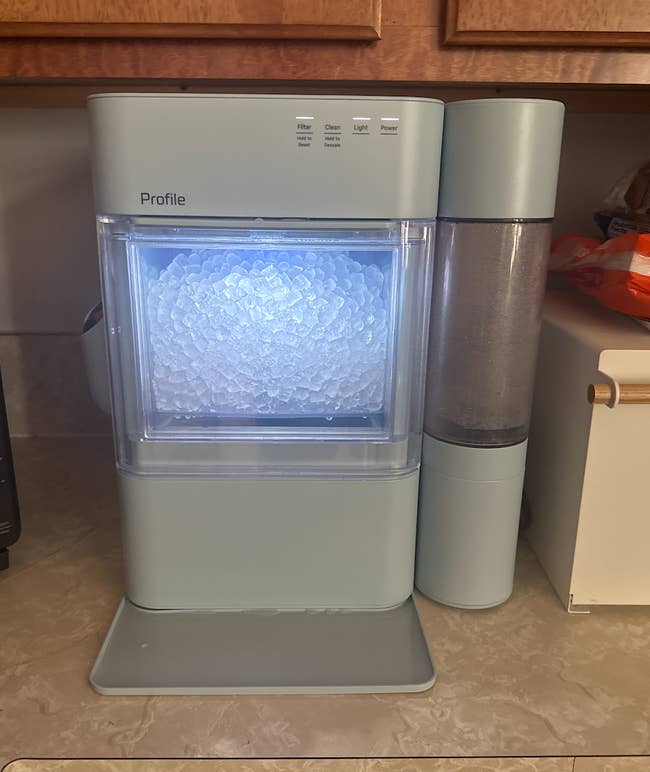
As society emerged from lockdowns, the focus shifted toward entertaining and hosting. Consumers sought to showcase their newly optimized spaces to guests. This era saw a boom in "guest-ready" enhancements, including under-cabinet wineglass racks, aesthetic soap dispensers, and high-end countertop appliances like nugget ice makers.
4. The 2024–Present Value-Driven Aesthetic Era
Today, inflation and economic tightening have altered consumer purchasing habits. While the desire for a luxury aesthetic remains high, shoppers are increasingly looking for "dupes" and low-cost renovation alternatives—such as peel-and-stick tiles and adhesive marble films—that achieve high-end interior design results at a fraction of the cost of traditional remodeling.
Supporting Data and Product Analysis
To understand the mechanics of this consumer movement, analysts examine specific product categories and their performance metrics across e-commerce platforms.

High-Impact Cleaning and Maintenance
Traditional cleaning methods are being replaced by high-efficiency appliances and advanced chemical formulations.

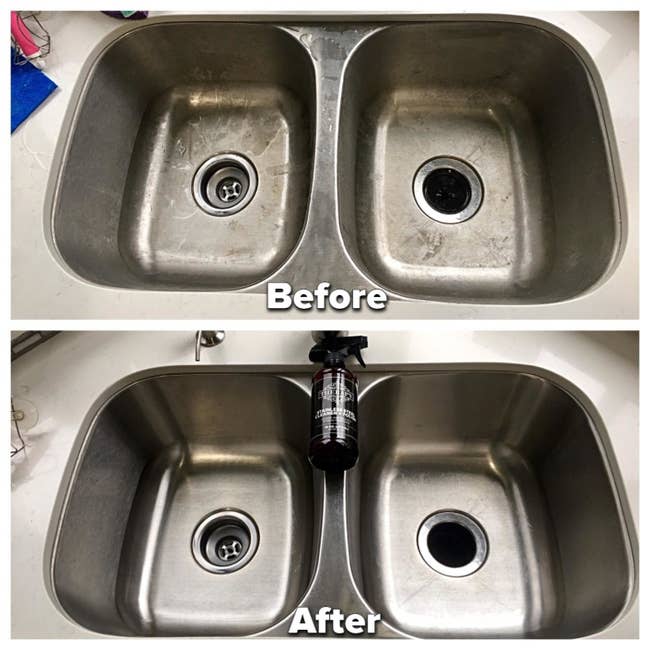
- Multi-Surface Pastes: Products like The Pink Stuff have capitalized on viral social media demonstrations, proving that heavy-duty stain removal can be achieved without industrial equipment.
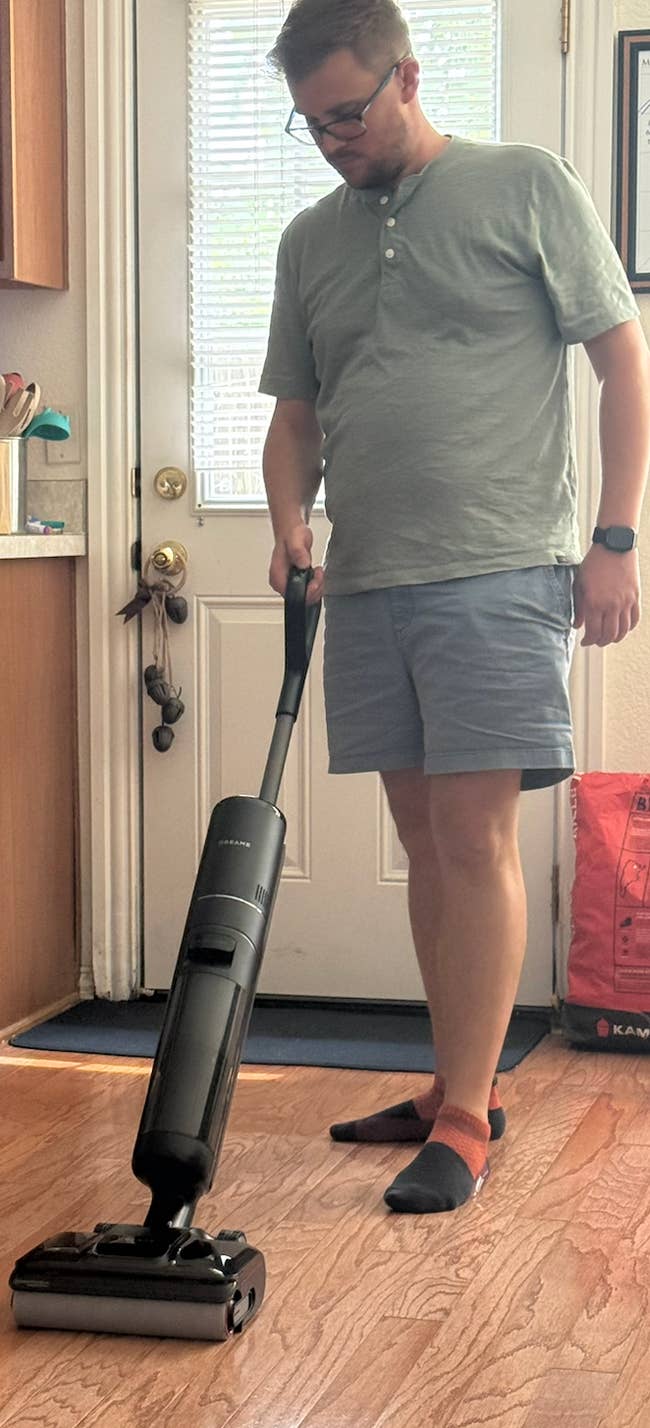
- Wet-Dry Vacuums: The introduction of self-cleaning, cordless 2-in-1 vacuum and mop systems (such as units by Dreame) has transformed floor care from a dreaded weekly chore into an automated, low-effort maintenance task. Market data shows consumers are willing to invest higher price points ($300+) for appliances that drastically reduce physical labor.
Space Optimization and Concealment
Modern urban living often equates to smaller square footage, increasing the value of vertical space utilization and clutter concealment.
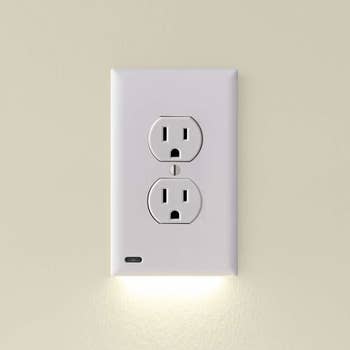
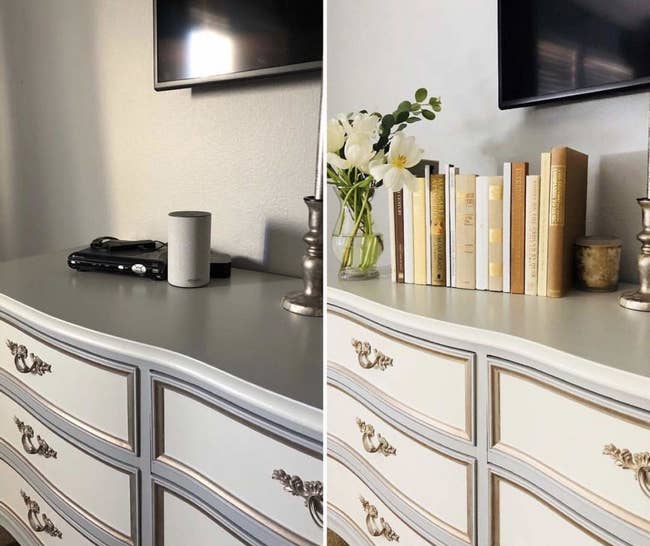
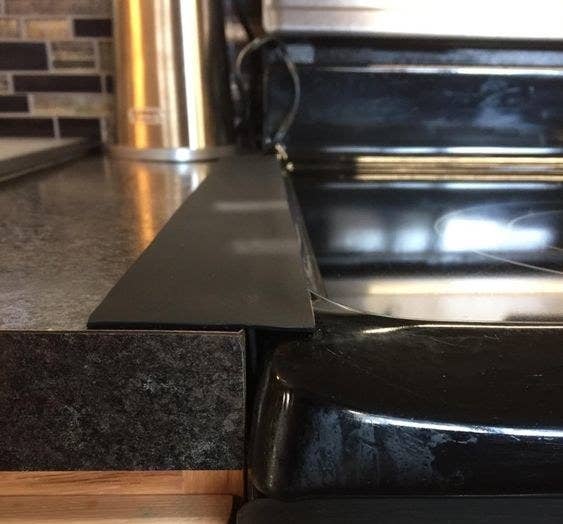
- Cord and Router Management: Items like custom-reclaimed faux-book storage boxes and flat outlet plugs address a universal modern annoyance—ugly technology infrastructure. By camouflaging Wi-Fi routers and tangled power cords as literature or baseboard trim, these products satisfy the psychological need for visual order.
- Footwear and Wardrobe Storage: Modular items like Shoe Slotz and minimalist wall hooks allow users to maximize closet capacity while transforming functional storage into display art.
Sensory and Ambient Upgrades
Interior design is increasingly understood as a multisensory experience.
- Olfactory and Visual Cohesion: The replacement of branded commercial soap bottles with heavy amber glass dispensers and the adoption of sophisticated post-use bathroom drops (such as Aesop Post-Poo Drops) reflect a desire to curate every touchpoint of the home.
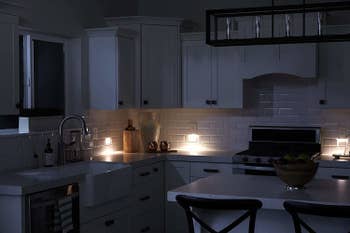
- Acoustic and Light Control: Soundproofing door strips and light-dimming LED stickers address the invisible stressors of modern living—urban noise pollution and disruptive artificial lighting in home offices and bedrooms.
Official Responses and Industry Insights
Retail analysts and consumer advocacy groups have weighed in on the longevity of these trends. According to retail data compiled by major e-commerce marketplaces, home-improvement and decor purchases driven by social media discovery continue to outperform traditional seasonal retail cycles.
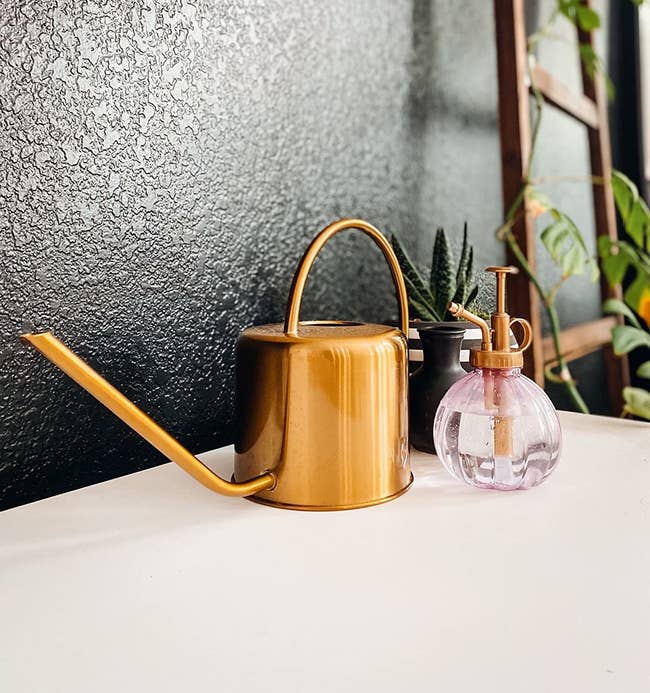
Industry representatives emphasize that modern consumers view their living spaces as extensions of their personal identity. "Home goods are no longer just functional necessities; they are emotional investments," notes a leading retail strategist. "When consumers face macro-environmental uncertainty, the home becomes a primary locus of control. Upgrading a living space provides an immediate, tangible sense of agency and comfort."
Furthermore, manufacturers have responded to consumer feedback regarding ease of installation. Products that require zero specialized tradespeople—such as peel-and-stick floor tiles, magnetic garage door accents, and self-adhesive marble films—have seen exponential year-over-year growth because they empower renters and budget-conscious homeowners to execute high-end transformations independently.
Implications
The sustained popularity of curated, aesthetic home products carries broad implications for real estate, retail, and consumer behavior:
1. The Rise of the "Micro-Renovation"
Traditional home renovations requiring contractors, permits, and substantial capital investments are seeing competition from DIY micro-renovations. Consumers are increasingly comfortable using semi-permanent materials—such as vinyl wraps, peel-and-stick tiles, and slipcovers—to achieve aesthetic updates that can be easily reversed or modified. This trend is particularly pronounced among millennial and Generation Z renters who cannot alter permanent structures.
2. The Influence of Digital Curation on Retail
E-commerce algorithms and short-form video platforms now serve as the primary discovery engines for home goods. Traditional advertising has taken a backseat to peer-to-peer reviews and real-world demonstration videos. Brands that fail to provide transparent, user-validated performance data risk losing market share to agile direct-to-consumer competitors.
3. Psychological Well-Being and Domestic Space
The intersection of mental health and interior design is becoming more pronounced. As remote work blurs the boundaries between professional and personal life, the demand for products that reduce sensory overload—such as blackout curtains, soundproofing strips, and organizational wedges—will likely remain high. A well-organized, aesthetically pleasing environment is increasingly recognized by consumers as a vital component of daily wellness and stress reduction.