The Pet-Proofing Paradox: How Modern Owners Are Saving Their Homes from Four-Legged Chaos

Main Facts: The Intersection of Pet Ownership and Home Maintenance
As pet adoption rates continue to remain high globally, a distinct sub-economy has emerged within the domestic goods market: specialized pet-proofing and behavioral redirection products. Modern pet owners increasingly find themselves navigating an expensive paradox. They adore their animal companions, yet these same companions—driven by natural instincts like scratching, chewing, burrowing, and climbing—frequently treat domestic interiors, electronics, and rental properties as open-source playgrounds.
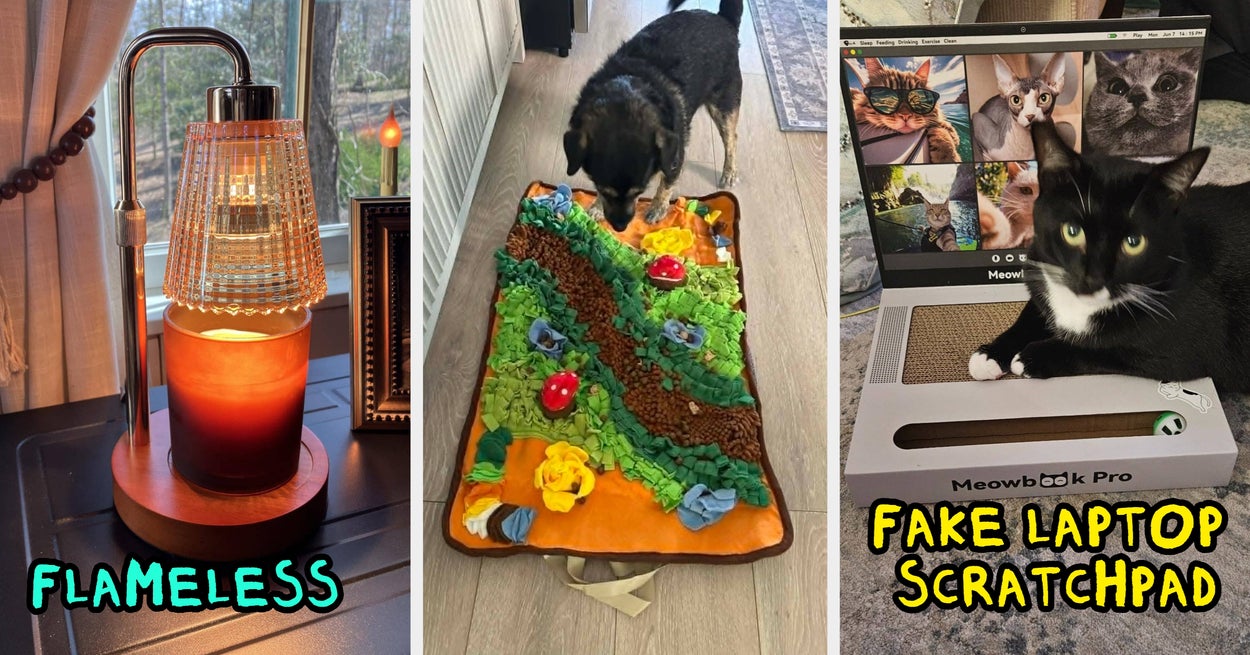
Recent retail data highlights a massive surge in demand for targeted solutions that protect personal property without harming animals or violating rental agreements. From anti-tipping hardware capable of anchoring heavy media consoles to specialized clear shields that prevent upholstery shredding, the market has pivoted toward functional innovation. Rather than relying on traditional punitive training methods, today’s pet owners are utilizing environmental enrichment and physical barriers. These products satisfy an animal’s innate behavioral drives while safeguarding household assets.
Chronology: The Evolution of Pet-Proofing Solutions
The journey from improvised household defenses to engineered pet products has evolved significantly over the past two decades.
- Early 2000s and Prior: Pet management largely consisted of makeshift deterrents. Owners relied on aluminum foil on countertops to deter cats, bitter apple sprays on furniture legs, and closed doors that blocked airflow in homes. Heavy furniture was rarely secured unless families had toddlers, leaving television sets and bookshelves vulnerable to athletic cats and energetic dogs.
- The 2010s: As the pet humanization trend accelerated, manufacturers recognized that standard pet toys were insufficient for curbing destructive behaviors like separation anxiety and boredom. Early iterations of interactive feeders, heavy-duty rubber chew toys, and basic adhesive furniture guards entered the mainstream market.
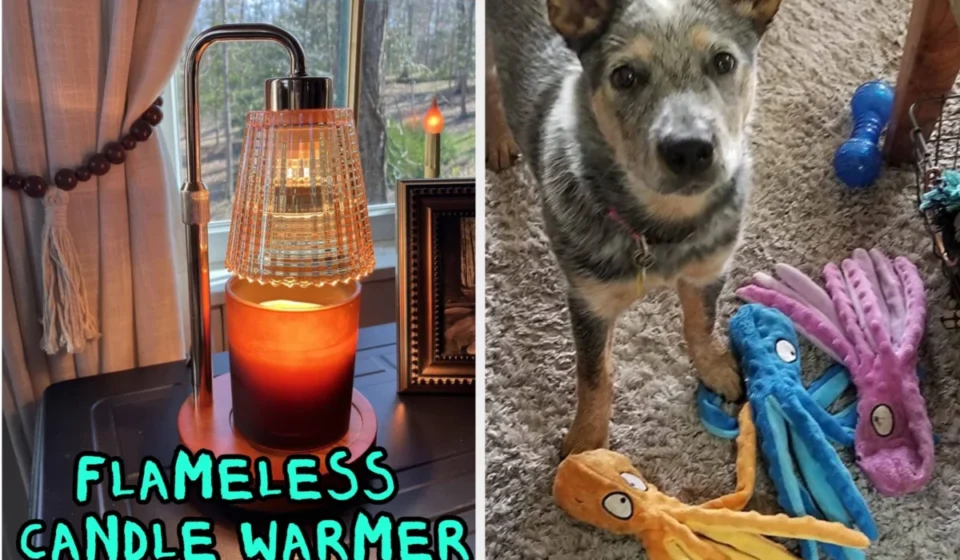
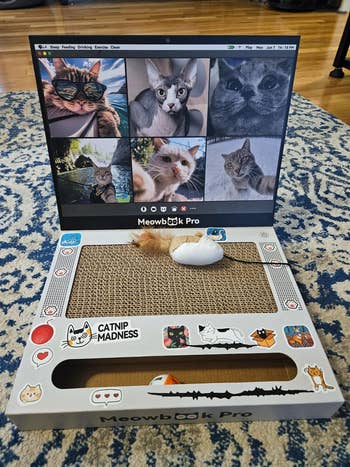
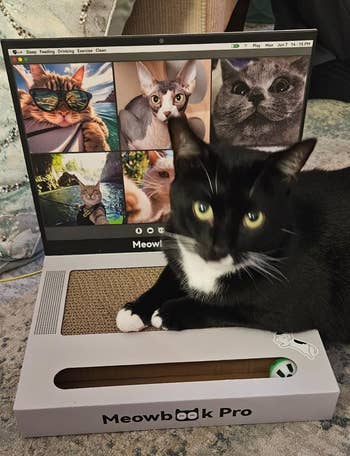
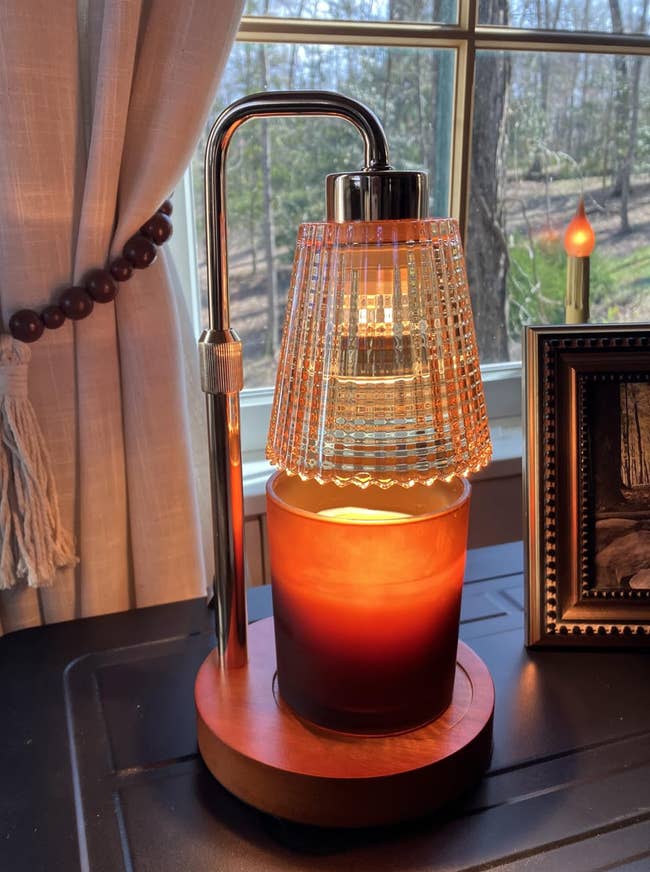
- The 2020s to Present: The remote-work boom fundamentally changed pet ownership dynamics. With millions of humans working from home alongside their pets, direct conflicts escalated—most notably cats hijacking keyboards and dogs chewing cables during conference calls. This era gave rise to hyper-specific, design-conscious solutions: laptop-shaped cardboard scratchers, flameless candle warmers for nosy whiskers, and renter-friendly, damage-free security straps.
Supporting Data: The Economics of Domestic Destruction
The financial impact of unsupervised pets is a silent driver of the modern pet-goods industry. According to industry analyses, pet owners spend billions annually not just on food and routine veterinary care, but on replacing household items damaged by chewing, scratching, and indoor accidents.
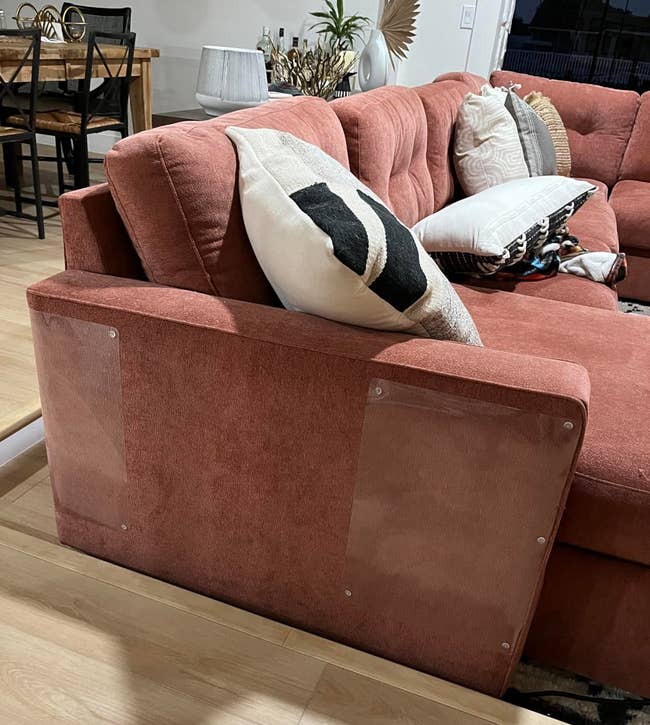
- Upholstery and Flooring Damage: Sofas, armchairs, and carpet thresholds are primary targets for feline scratching. Traditional solutions like declawing have rightly fallen out of favor due to ethical concerns, leading to a massive increase in demand for protective panels, wall-mounted scratch pads, and physical barriers like carpet scratch stoppers.
- Cord Safety and Electrical Hazards: With home offices proliferating, pet chewing on live electrical wires has become a major safety concern. Flexible PET cord protectors, capable of bundling up to 14 wires, now represent a staple safety category for pet-owning remote workers.
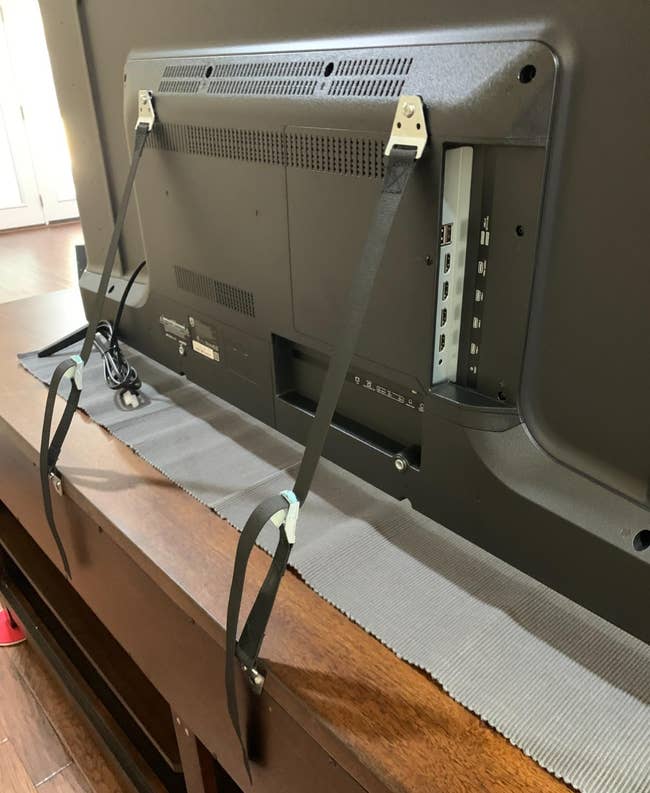
- Tech and Furniture Stability: Overzealous kittens treating flat-screen TVs and bookshelves as parkour tracks have driven the adoption of heavy-duty, triple-stitched nylon anti-tipping straps. These straps, designed to withstand loads up to 400 pounds, bridge the gap between child safety and pet safety.
Official Responses and Expert Insights: Behavioral Veterinarians Weigh In
Animal behaviorists and veterinarians emphasize that destructive behaviors in pets are rarely malicious. Instead, they are the direct result of unmet physical and mental needs.
Dr. Elena Vance, a prominent veterinary behaviorist, notes, "When a cat shreds a sofa or a dog destroys a throw pillow, they aren’t acting out of spite. They are expressing fundamental evolutionary needs—scratching to shed dead claw sheaths and stretch muscles, or chewing to relieve stress and clean teeth. The most successful pet-proofing strategies don’t suppress these behaviors; they redirect them."
Consumer advocacy groups and retail analysts echo this sentiment, pointing out that modern product design succeeds precisely when it mimics a pet’s natural desires. For instance, snuffle mats engage a dog’s olfactory instincts to forage for food, effectively replacing the destructive urge to tear up baseboards. Similarly, wall-mounted catnip toys and interactive activity mats offer high-energy felines an acceptable outlet for ambush play, keeping them away from fragile home decor and human ankles.
Implications: The Shift Toward Renter-Friendly Pet Ownership
The proliferation of damage-free pet-proofing products carries profound implications for renters and urban dwellers. Historically, pet ownership was heavily restricted in rental housing due to fears of permanent property damage—specifically ruined carpets, scratched doorframes, and drilled holes in walls.
The advent of renter-friendly innovations has begun to shift this paradigm:
- Adhesive and Tension-Based Mounts: Products utilizing heavy-duty 3M adhesive strips, tension rods, and pressure-mounted door straps allow pet owners to secure living spaces without violating lease agreements or risking security deposits.
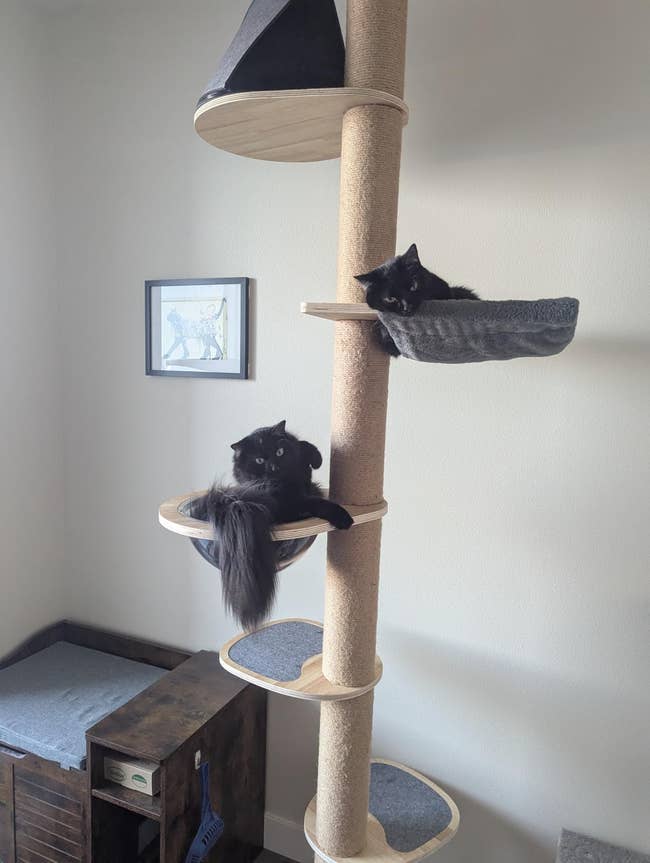
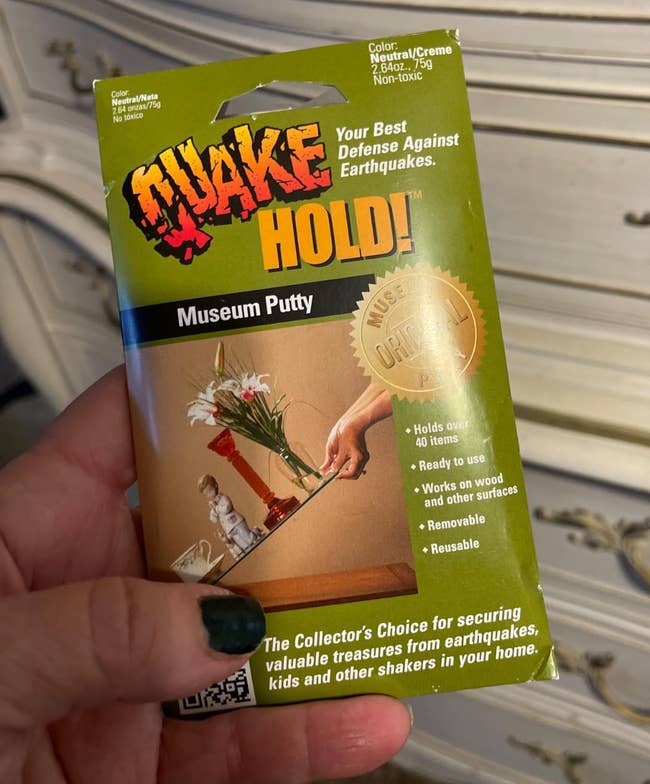
- Space-Saving Vertical Integration: Floor-to-ceiling cat trees that require zero drilling, along with slim wall-mounted scratch pads, enable pet owners in compact apartments to maximize vertical space. This prevents animals from scaling curtains or knocking over delicate knick-knacks secured with reusable museum putty.
- Aesthetic Integration: Modern pet gear is increasingly designed to blend with contemporary home decor. Items like classic painting-themed scratchers and sleek, minimalist wall pads ensure that pet owners no longer have to sacrifice interior design aesthetics for animal safety.
Ultimately, the modern pet-proofing market represents a harmonious convergence of animal welfare and human peace of mind. By acknowledging that pets will always be curious explorers, manufacturers have provided consumers with the tools needed to protect their homes, their budgets, and their sanity—all while keeping their furry coworkers happy, safe, and comfortably entertained.