Beyond the Dolce Vita: The Definitive Guide to Planning a Bespoke Italian Wedding

The dream of an Italian wedding is a cultural monolith. From the sun-drenched vineyards of Tuscany to the dramatic limestone peaks of the Dolomites, Italy remains the premier destination for couples seeking a ceremony defined by romance and architectural grandeur. However, beneath the veneer of social media perfection lies a complex logistical landscape that often leaves couples overwhelmed.
"Search ‘elope in Italy’ and you’ll be inundated with generic wedding packages," says Alessandra Ferretti, a seasoned planner with over thirty years of experience navigating the Italian wedding industry. "While these packages promise convenience, they often strip the day of its personality. Couples are frequently left with cookie-cutter ceremonies that feel more like a product than a celebration of their unique bond."
The Myth of the Traditional Italian Production
There is a pervasive assumption that an Italian wedding must adhere to a rigid script: a church ceremony, hundreds of guests, and a decadent, five-course banquet stretching late into the night. While this traditional model remains a cornerstone of Italian culture, Ferretti insists that the most memorable events she has orchestrated in the last decade have defied these expectations.
"The country itself is indifferent to the format of your vows," Ferretti explains. "I have facilitated ceremonies for two people on a precarious rock face at dawn, and I have managed weddings where the couple opted for all-black attire and a heavy-metal soundtrack. The challenge is not cultural permission; it is finding an infrastructure—photographers, caterers, and officiants—that doesn’t flinch when a couple rejects convention."
The key to a successful, non-traditional wedding in Italy is working with vendors who view unconventional requests as standard operating procedure rather than a logistical hurdle. Engaging directly with a venue that has only ever hosted "standard" weddings often leads to a draining planning process where the couple must constantly justify their vision.
Financial Transparency: Mapping the Costs
One of the most persistent issues in the destination wedding sector is the lack of transparent pricing. Prospective couples are often left to guess at budgets, leading to "sticker shock" once they are deep into the planning process. To demystify this, Ferretti provides a realistic, albeit variable, breakdown of the current market:
- The Elopement (2 people): Including a celebrant, professional photography, a scenic location, and a post-ceremony dinner, costs generally range between €3,000 and €8,000, depending on the region and the season.
- The Small Wedding (20–30 guests): For a more intimate gathering, budgets typically fall between €12,000 and €20,000.
- The Mid-Sized Wedding (50–60 guests): A more substantial celebration typically requires a budget of €20,000 to €35,000.
These figures serve as a baseline. Costs fluctuate significantly based on peak tourism seasons and the level of exclusivity required for the venue.
The "Package" Paradox
Many agencies offer all-inclusive packages. Ferretti warns that these are not inherently deceptive, but they can be restrictive. A package is only beneficial if it bundles essential, non-negotiable services. If a package includes a three-tier cake or a specific photographer that the couple would not have chosen independently, it ceases to be a convenience and becomes a constraint. Her advice is simple: "Ask what can be removed. If the answer is ‘nothing,’ you are not buying a package; you are reading a menu you aren’t allowed to order from."
The Legal Landscape: A Chronological Roadmap
For international couples, the legalities of an Italian marriage represent the most significant hurdle. The process must be initiated months in advance, and failure to account for bureaucratic timelines can derail the entire event.
The Timeline to "I Do"
- Initial Consultation (6–8 months out): Determine if you want a legal marriage or a symbolic one. If choosing a legal marriage, verify the specific requirements for your nationality.
- Document Gathering (4–6 months out):
- For British citizens: You must obtain a Certificate of No Impediment. This requires giving notice at your local register office; the certificate is issued 28 days later and has a strict validity window that must overlap with your wedding date.
- For U.S. citizens: You must secure a sworn declaration at a U.S. consulate in Italy, which must then be legalized by the local Italian prefecture.
- Certification and Translation (3 months out): Ensure all documents are translated by an official translator and apostilled where necessary.
The Symbolic Alternative
Because of the bureaucratic weight, over 50% of couples opting for an Italian destination wedding choose to handle the legal paperwork in their home country. They then host a symbolic ceremony in Italy. This allows for total freedom regarding the officiant—be it a friend or family member—and eliminates the risk of administrative delays or errors. "Your guests will never know the difference," Ferretti notes. "It provides the same aesthetic beauty and emotional weight without the, quite literal, baggage of international paperwork."
Strategic Locations for the Non-Conformist
If you seek a location that avoids the "tourist trap" aesthetic, Ferretti suggests looking toward the geographical extremes of the country:
- The Dolomites: Offering rugged, high-altitude beauty, the Dolomites are ideal for couples who prioritize dramatic photography over traditional ballroom settings. However, these are high-maintenance locations; they require early starts (often 4:30 a.m. to catch the light) and careful coordination with cable car schedules.
- The Ligurian Coast (Cinque Terre): Perfect for small, dramatic gatherings. Because these areas are protected national parks, car access is limited, necessitating boat or train travel for guests. It is an immersive, intimate experience that requires a professional to manage the limited property availability.
- Lake Como (The Off-Season): Often pigeonholed as a destination for opulent, large-scale weddings, Lake Como is surprisingly versatile. By booking in October, couples can secure beautiful villas at a fraction of the cost, enjoying the tranquility of the lake after the summer crowds have departed.
Optimal Timing: Navigating the Italian Climate
Timing is the single most important variable for controlling both costs and comfort.
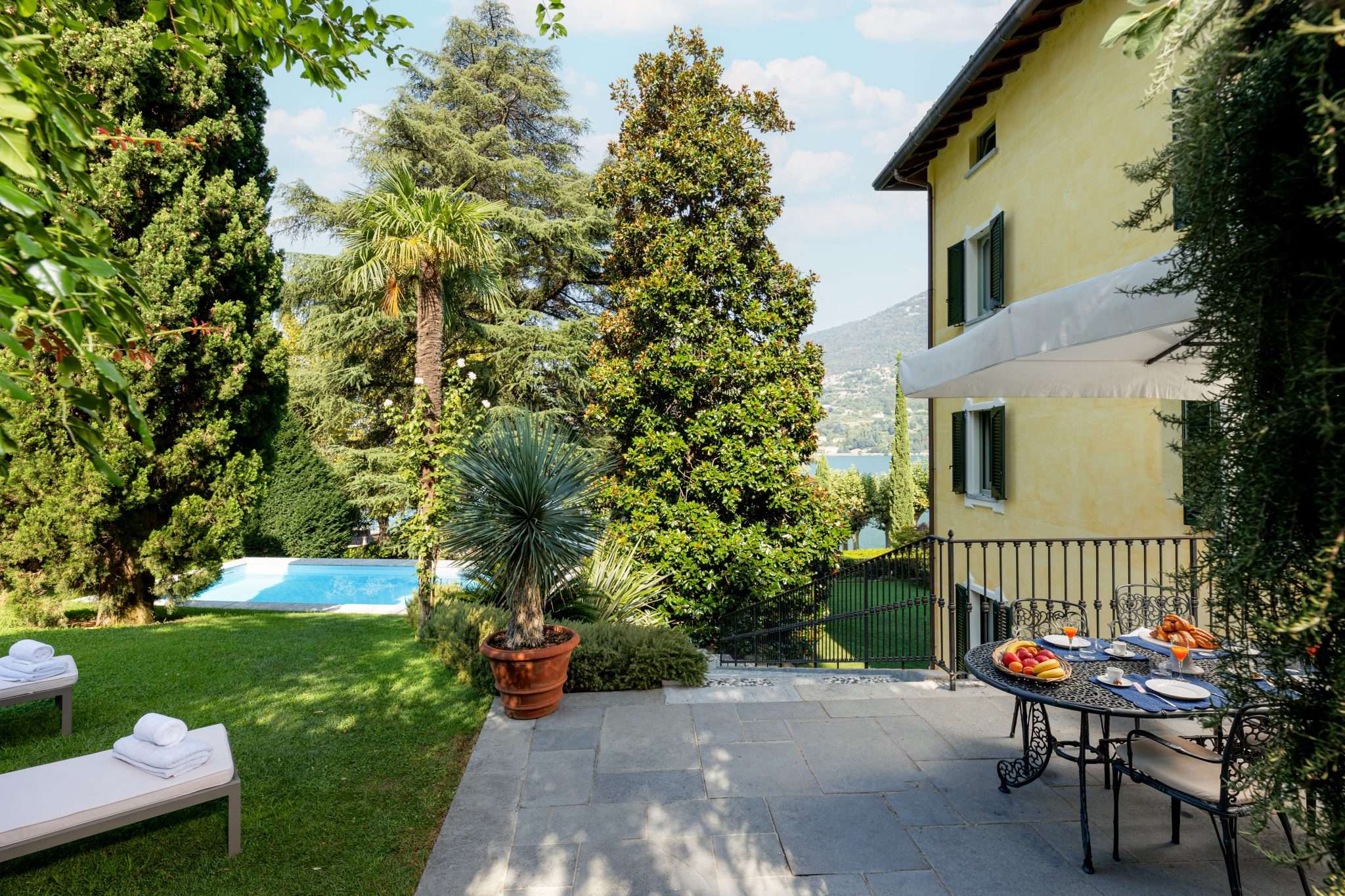
- The "Golden Window" (September to early October): This is the ideal period. The sweltering summer heat has dissipated, the peak tourist crowds have thinned, and the late-afternoon light provides the iconic "amber" glow that defines the Italian landscape.
- The Spring Alternative (Late April to early June): This is the second-best window. The countryside is at its most vibrant, though couples should prepare for occasional spring showers.
- The Off-Season (Winter): Underrated for small weddings. While many venues close for the season, those that remain open offer significant cost savings and total privacy.
Conclusion: Orchestrating Your Vision
Planning a wedding in Italy is an exercise in balancing romantic aspiration with pragmatic execution. Whether you are planning a clandestine elopement on a mountain peak or an intimate gathering on the shores of Lake Como, the secret lies in clear communication and the selection of vendors who view your non-traditional requests as an opportunity for creativity rather than a burden.
By prioritizing legal simplicity through symbolic ceremonies, avoiding the trap of rigid, one-size-fits-all packages, and selecting the right window of time, couples can ensure that their Italian wedding is not just a carbon copy of a magazine spread, but a genuine reflection of their personal story. As Ferretti concludes, "The infrastructure is there to support you—you just need the right partners to help you navigate it."