Living Above the Clouds: Inside the Extraordinary High-Altitude Life and Photography of Megumi Ueda Atop Mount Fuji

TOKYO — For two months out of every year, while millions of tourists and weekend hikers look up at Japan’s iconic Mount Fuji from the comfort of the valleys below, photographer and weather observer Megumi Ueda is living inside a completely different world. Stationed in Spartan lodgings atop a centuries-old Shinto shrine at the very summit of Japan’s highest peak, Ueda trades the comforts of modern civilization for an existence suspended between the earth and the sky.
Her daily routine during the mountain’s official climbing season is a high-stakes balancing act. Alongside capturing breathtaking, ethereal imagery of the shifting heavens, Ueda serves a critical meteorological role, gathering vital weather data from an unforgiving altitude where high winds, rapid barometric changes, and sudden temperature drops are a daily reality.
Main Facts
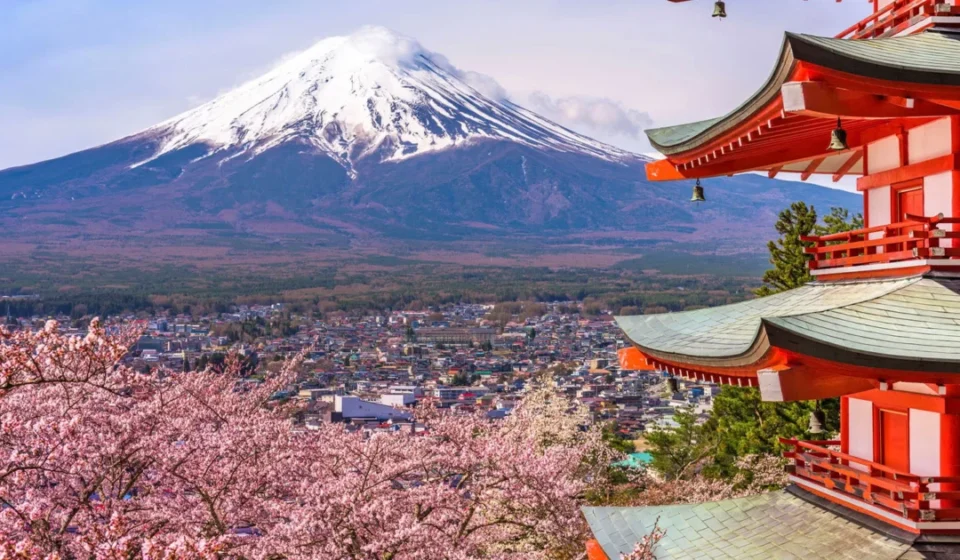
At 3,776 meters (12,388 feet) above sea level, Mount Fuji is not merely a geographic landmark; it is a complex, volatile meteorological ecosystem. Megumi Ueda’s annual two-month residency places her right in the middle of this environment.
- The Living Quarters: Ueda resides in austere, minimalist quarters within a mountain Shinto shrine. Jokingly referring to her hardwood sleeping platform and heavy-duty sleeping bag as her "suite room," she embraces the lack of modern amenities.
- The Dual Mission: Ueda’s work is split between two demanding disciplines: rigorous meteorological observation—gathering data above the clouds where high-altitude winds and storms brew—and world-class landscape photography.
- The Visuals: Her portfolio features ethereal compositions including dramatic sunsets above unbroken cloud decks, hazy, multi-layered mountain ranges stretching into the horizon, and hypnotic swirling star trails wheeling across the pitch-black night sky.
- The Safety Message: Beyond aesthetics, Ueda acts as an unofficial safety ambassador. Through dedicated weather reporting platforms and social media, she issues frequent warnings to climbers about the dramatic disparities between ground-level warmth and summit-level freezing conditions, urging visitors to prioritize descent over ego.
Chronology: A Season Above the Clouds
To understand the magnitude of Ueda’s undertaking, one must trace the timeline of her annual migration to the summit and the cyclical rhythms that dictate life on the peak.
Pre-Season Preparation and Ascent
Months before the official climbing season opens, preparations begin. Unlike casual hikers who make a swift trek up and down the mountain over the course of a weekend, Ueda prepares for an extended isolation. Logistics are tightly controlled, as every piece of equipment, camera gear, and survival supply must be meticulously packed to withstand the rigors of high-altitude transport.
When the climbing season officially commences, Ueda makes her ascent to the summit shrine. Moving from the humid, often sweltering heat of the Japanese summer lowlands into the rarefied air of the peak, she undergoes a rapid physical transition.
The Daily High-Altitude Routine
Once established in her shrine quarters, Ueda’s days fall into a demanding rhythm dictated by the sun and the atmosphere:
- Dawn: Early morning hours begin with weather assessments and capturing the first light hitting the sea of clouds below—a phenomenon known locally as unkai.
- Midday: Throughout the day, Ueda monitors shifting barometric pressures, wind speeds, and cloud formations, relaying critical data to meteorological tracking networks while tending to her basic daily needs in her minimalist lodgings.
- Dusk and Night: As evening falls, her focus shifts back to her cameras. Sunset shoots transition seamlessly into astrophotography sessions, where she captures long-exposure star trails against the crystal-clear, thin air of the upper atmosphere.
End of Season and Return to the Lowlands
When the brief climbing window closes and autumn weather begins to violently reclaim the summit, Ueda packs up her gear and descends back to the mainland. The transition back to normal society is often jarring, moving from profound solitude and bone-chilling winds back to the hustle and bustle of urban Japan, carrying with her terabytes of visual data and months of invaluable meteorological logs.
Supporting Data and Meteorological Realities
The disparity between ground-level expectations and summit realities is one of the most dangerous factors facing Mount Fuji’s annual influx of visitors. Megumi Ueda’s observations highlight the stark data points that catch climbers off guard every year.
The Thermal Divide
While cities like Tokyo or the base towns surrounding Mount Fuji routinely swelter in mid-summer temperatures exceeding 30°C (86°F), the summit tells a radically different story.
"It probably was really hot today on the ground below," Ueda notes in interviews with the Associated Press. "linkedExternalBut at the summit, the temperature is like midwinter in February."
At nearly 3,800 meters, temperatures can plummet below freezing even in July and August, exacerbated by severe wind chill factors.
The Complexity of High-Altitude Meteorology
Predicting weather at the peak of Mount Fuji is a notoriously difficult task for national agencies, let alone casual hikers. Because the mountain stands isolated, towering far above surrounding terrain, it creates its own microclimate.
"The weather in the mountains is so complicated," Ueda explains. "That I think even meteorologists probably have a hard time predicting it."
Rapidly forming convection clouds, sudden micro-storms, and violent shear winds can materialize within minutes, completely blinding climbers who started their ascent under clear blue skies.
Official Responses and Safety Advocacy
Megumi Ueda’s presence on the mountain is not merely artistic; it serves a vital public safety function. With Mount Fuji designated as a UNESCO World Heritage site, visitor numbers have surged to historic highs in recent years, leading to increased concerns about unprepared tourists—often referred to as "bullet climbers" attempting to summit overnight without proper rest or gear.
Collaboration with Weather Platforms
Ueda contributes directly to specialized tracking portals, such as platforms dedicated exclusively to Mount Fuji weather reporting. Her real-time observations help ground-based authorities issue accurate advisories.
Furthermore, she uses her growing digital footprint—including a popular Instagram page (@mushphoto)—to reach demographics that traditional safety pamphlets often miss: younger, adventure-seeking travelers and international tourists.
Direct Pleas to Climbers
Rather than romanticizing the dangers of the climb, Ueda uses her platform to instill a sense of mountain respect. In her public advisories, she repeatedly stresses the importance of situational awareness:
- Continuous Monitoring: Climbers are urged to check weather updates not just before leaving the trailhead, but continuously as they ascend.
- The Wisdom of Retreat: In a culture that heavily emphasizes perseverance (ganbaru), Ueda actively challenges this mindset when it comes to alpine safety. She famously advises: "Please choose to descend rather than pushing yourself to the summit."
Emergency services and local authorities have increasingly echoed this sentiment, praising content creators and observers like Ueda who use their reach to combat "summit fever"—the dangerous psychological drive to reach the top regardless of personal safety or worsening weather conditions.
Implications: Art, Conservation, and the Future of Mount Fuji
Ueda’s unique dual role as a high-altitude researcher and fine-art photographer carries profound implications for how we interact with, document, and protect sacred natural monuments like Mount Fuji.
The Psychology of Obsession and Dedication
When asked what drives her to endure Spartan living conditions, biting cold, and relentless isolation year after year, Ueda points to an almost hypnotic visual captivation.
"I wanted to see all the possible views from Mount Fuji," she tells the Associated Press. "To an extent that I didn’t want to even blink. Once I started feeling that way, I became completely hooked."
This profound dedication has resulted in a body of work that redefines how the world sees Japan’s most famous peak. Her images—ranging from pastel-hued cloud inversions to razor-sharp celestial arcs—move past the standard postcard aesthetic, capturing the mountain as a living, breathing, dynamic entity.
Balancing Tourism and Preservation
As over-tourism continues to plague global landmarks, Mount Fuji faces severe strain, from trail erosion to waste management issues and rescue strain. Observers stationed on the mountain provide a human reminder of the mountain’s raw, untamed nature. Ueda’s transparent documentation of both the sublime beauty and the harsh perils of the summit serves as a sobering counter-narrative to commercialized adventure tourism.
By showing the reality of the "best bedroom on Mount Fuji"—a hardwood frame and a sleeping bag inside a drafty shrine—Ueda strips away the romantic illusion of easy conquest. She reminds the world that Mount Fuji is not a theme park ride, but a majestic, independent alpine giant that demands humility, preparation, and profound respect.
As long as Megumi Ueda continues her annual pilgrimage to the clouds, her lens will capture the fleeting poetry of the summit, while her voice stands guard over those who dare to climb it.