Motorola Unleashes the Signature 27: A New Era of Mobile Imaging and AI at the Snapdragon Summit

Main Facts: The Debut of Motorola’s Most Advanced Flagship
At the annual Qualcomm Snapdragon Summit, amidst a flurry of high-profile announcements and technological breakthroughs, Motorola took center stage to officially preview its most ambitious mobile device to date: the Motorola Signature 27. Positioned as a definitive push into the ultra-premium smartphone segment, the Signature 27 merges cutting-edge silicon, heavy-hitting camera hardware, and sophisticated artificial intelligence to redefine what users can expect from a pocket-sized camera and multimedia suite.
Powered by Qualcomm’s newly unveiled Snapdragon 8 Elite Extreme Gen 6 Mobile Platform, the Signature 27 promises blistering performance, next-generation generative AI processing, and groundbreaking video capabilities—most notably bringing elite-tier 8KP60 video capture to the mobile form factor. However, what has truly captured the attention of mobile tech enthusiasts and professional photographers alike is Motorola’s heavy investment in high-end, Sony-sourced sensor technology and a newly announced audio partnership with luxury acoustic brand Bang & Olufsen (B&O).
While Motorola is keeping a tight lid on a complete spec sheet and exact global pricing until a later launch date, the company has provided a substantial preview of the hardware and software capabilities that will anchor its flagship device when it hits the market later this year.
Chronology: Unveiling the Signature 27 at the Snapdragon Summit
The rollout of the Motorola Signature 27 was meticulously timed to coincide with Qualcomm’s major developer and industry showcase.
- Day One – The Silicon Foundation: Qualcomm kicked off the Snapdragon Summit by announcing the Snapdragon 8 Elite Extreme Gen 6, detailing its massive leap in Neural Processing Unit (NPU) performance, energy efficiency, and native support for hyper-realistic graphics and high-resolution video codecs.
- The Motorola Reveal: Immediately following Qualcomm’s keynote, Motorola executives took the stage to demonstrate how the Signature 27 leverages this new silicon. Nicole Hagen, Motorola’s Head of Global Marketing, introduced the device to the press, highlighting its "industry-leading" camera architecture and bespoke industrial design.
- The Deep Dive: Throughout the remainder of the summit, Motorola detailed individual pillars of the Signature 27 experience—showcasing its dual-Sony Lytia sensor system, the AI-driven Video Enhancement Engine, its physical styling featuring tactical and textile finishes, and the newly minted multi-year partnership with Bang & Olufsen.
- Looking Ahead: Motorola confirmed that the Signature 27 shown at the summit serves as a premier preview. The company plans to release full specifications, regional availability, and official launch dates in the coming weeks ahead of a targeted global rollout before the year concludes.
Supporting Data and Hardware Architecture: Under the Hood
While a full technical data sheet remains under wraps, the components Motorola has revealed paint a picture of a device built without compromise.
The Camera System: Sony Lytia Dominance
Mobile imaging is the undisputed crown jewel of the Signature 27. Motorola has leaned heavily into Sony’s cutting-edge Lytia sensor lineup to handle difficult lighting conditions and massive resolutions:
- Primary Wide Camera: At the heart of the main camera module sits the 50-megapixel Sony Lytia 910 LOFIC (Lateral Overflow Integration Capacitor) image sensor. Featuring a Type 1/1.28 format, this sensor is designed to drastically expand dynamic range. By utilizing LOFIC technology, the sensor can capture extreme highlights and deep shadows simultaneously without clipping, making high-contrast scenes—such as neon-lit cityscapes or bright sunlit beaches—far easier to render accurately.
- Telephoto Camera: Paired with the main shooter is a staggering 200-megapixel Type 1/1.12 Sony Lytia 901 sensor, first introduced last year. This high-density sensor ensures that zoomed-in shots retain incredible clarity, detail, and low-noise profiles even at extended focal lengths.
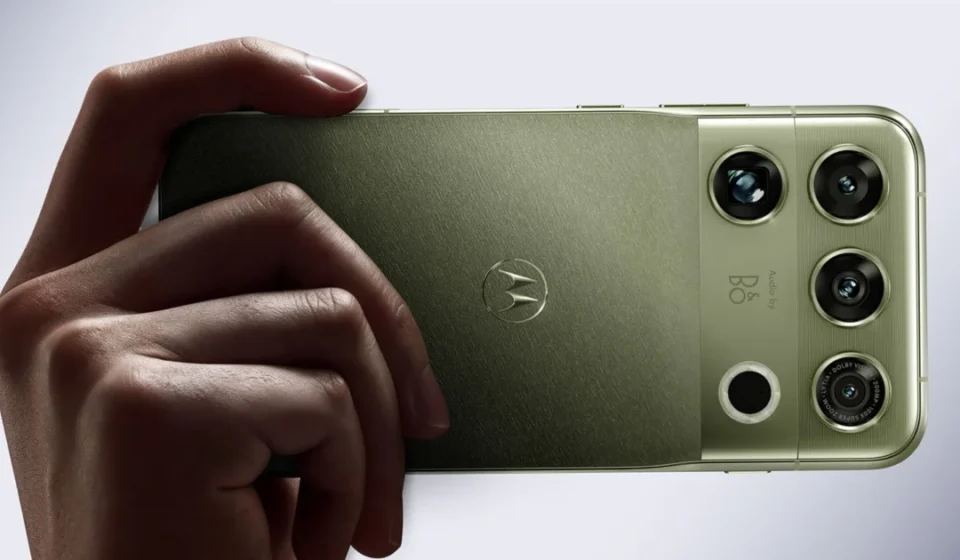
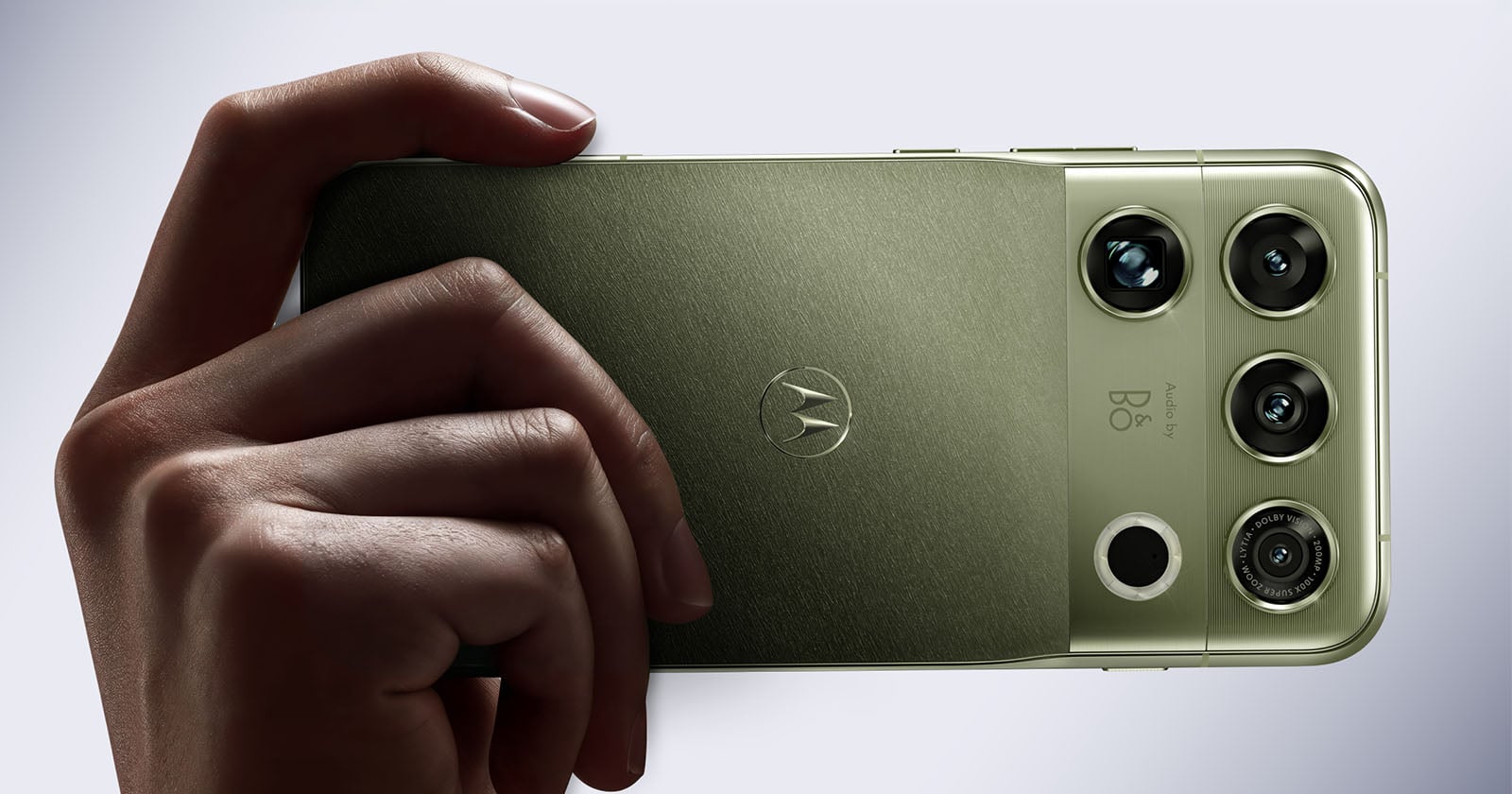
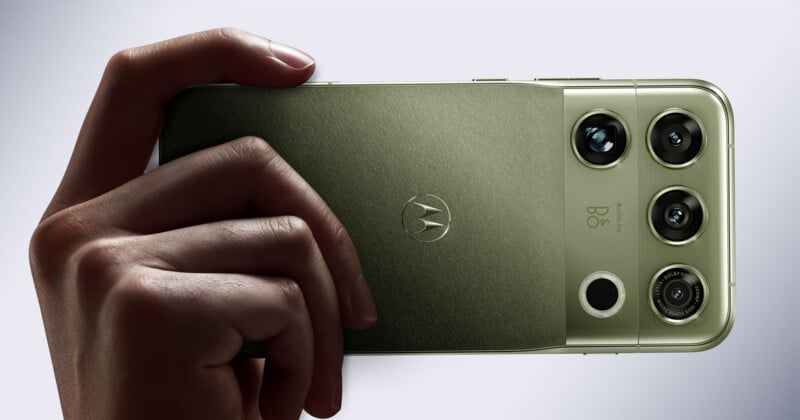
- The Mystery Hardware: Promotional images and hands-on units reveal a distinct horizontal or prominent rear camera module housing at least three distinct lenses (and potentially four, depending on the angle and variant), alongside a circular flash and "Audio by B&O" branding. Motorola has remained tight-lipped regarding the ultra-wide shooter or potential periscope modules, promising further reveals soon.
Computational Photography and AI Integration
Hardware is only half the battle in modern smartphone photography. The Signature 27 introduces proprietary software solutions designed to bridge the gap between what the eye sees and what the sensor records:
- Video Enhancement Engine: This AI-driven intelligence layer operates in real-time during video recording. As the user shoots, the engine dynamically analyzes color tones, lighting shifts, and environmental variables, automatically correcting exposure and color profiles on the fly.
- Advanced Stabilization: Combining Qualcomm’s advanced algorithmic image stabilization with traditional Optical Image Stabilization (OIS) hardware, the device aims to deliver gimbal-like smoothness for handheld video, even in low-light environments where shutter speeds are naturally compromised.
Premium Audio and Industrial Design
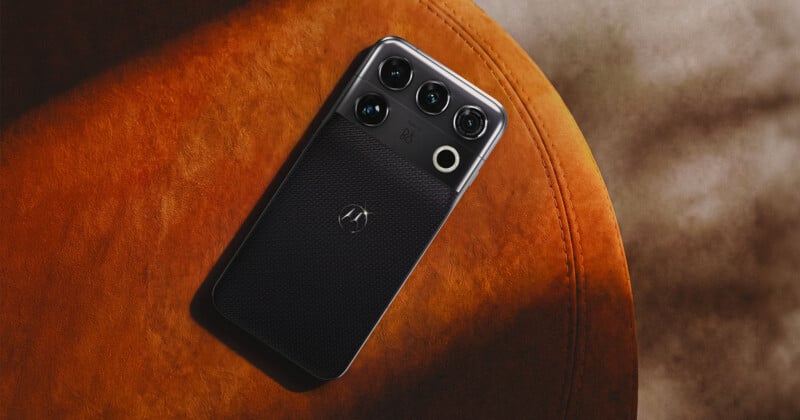
In an industry often dominated by slippery glass slabs, Motorola has focused heavily on tactile luxury. The Signature 27 features a sleek aluminum chassis paired with distinct, carefully crafted rear finishes:
- Coal Smoke: A tactical weave finish that offers enhanced grip and a rugged, industrial aesthetic.
- Capulet Olive: A brushed, textile-finished olive green that debuted to high praise at the Snapdragon Summit, presenting a sophisticated, organic look.
- Bang & Olufsen Partnership: Complementing the visual design is a multi-year partnership with B&O. The Signature 27 features custom-tuned acoustics designed to deliver spatial depth, clarity, and rich sound profiles whether playing media through the internal speakers or pairing high-end headphones.
Official Responses and Industry Perspectives
Motorola’s leadership has framed the Signature 27 not merely as an incremental upgrade, but as a statement of intent regarding the brand’s positioning in the upper echelons of the mobile market.
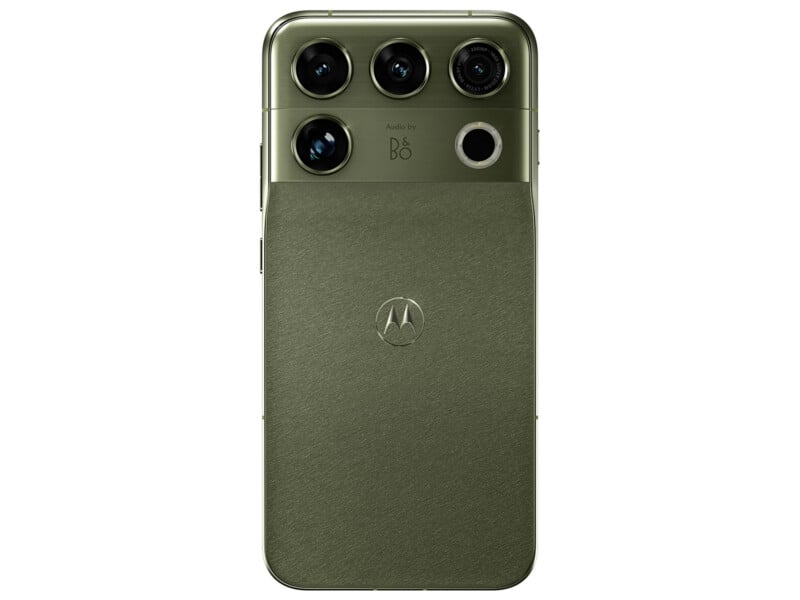
"Though only a preview of what’s to come, the Motorola Signature 27’s complete camera system demonstrates Motorola’s continued commitment to push the boundaries of smartphone photography," the company stated in an official press release.
During her presentation at the Snapdragon Summit, Nicole Hagen emphasized the sensory and emotional connection users have with their devices, noting that the Signature 27 was engineered to be "admired, held, and deeply chosen." This philosophy is reflected in the physical materials chosen for the chassis and the careful tuning of the B&O audio partnership.
Industry analysts observing the event noted that by pairing Qualcomm’s Snapdragon 8 Elite Extreme Gen 6 with specialized, high-capacity Sony Lytia sensors, Motorola is directly challenging established imaging powerhouses like Apple, Samsung, and Google. The inclusion of LOFIC technology—previously restricted to specialized industrial and high-end photographic applications—signals a serious effort to solve the dynamic range bottlenecks that have historically plagued mobile sensors.
Implications: What the Signature 27 Means for the Smartphone Market
The arrival of the Motorola Signature 27 carries several significant implications for the consumer electronics and mobile photography landscapes:
- Mainstreaming Advanced Sensor Tech: By bringing the Sony Lytia 910 with LOFIC architecture and the massive 200-megapixel Lytia 901 into a consumer flagship, Motorola is accelerating the adoption of high-end semiconductor imaging tech in everyday phones. Other manufacturers will likely feel pressured to match these dynamic range improvements in their upcoming generations.
- The Rise of Real-Time Generative Video AI: As demonstrated by the Video Enhancement Engine and the capabilities unlocked by the Snapdragon 8 Elite Extreme Gen 6, the frontier of mobile imaging has shifted away from post-processing and toward real-time, AI-assisted capture. Users increasingly expect their phones to solve complex lighting and color challenges instantly while filming, rather than waiting for software algorithms to render highlights after the fact.
- A Renewed Focus on Tactile Differentiation: In a saturated market where internal specs often feel iterative, Motorola’s emphasis on bespoke physical finishes (tactical weave and brushed textile) and luxury acoustic partnerships (Bang & Olufsen) highlights a growing consumer demand for tactile individuality and premium sensory experiences.
- Motorola’s Resurgence in the Ultra-Premium Tier: For years, Motorola has been celebrated for its incredible value propositions in the budget and mid-range segments (such as the Moto G line) and its innovative foldable Razr series. The Signature 27 firmly stakes a claim for the brand in the uncompromising, top-tier flagship space, proving that Motorola is ready to compete toe-to-toe with the most expensive devices on the market.
As anticipation builds toward the full commercial launch later this year, the Motorola Signature 27 stands as a bold blueprint for the future of mobile technology—where raw silicon power, advanced optics, and artificial intelligence converge in the palm of your hand.
Related posts: