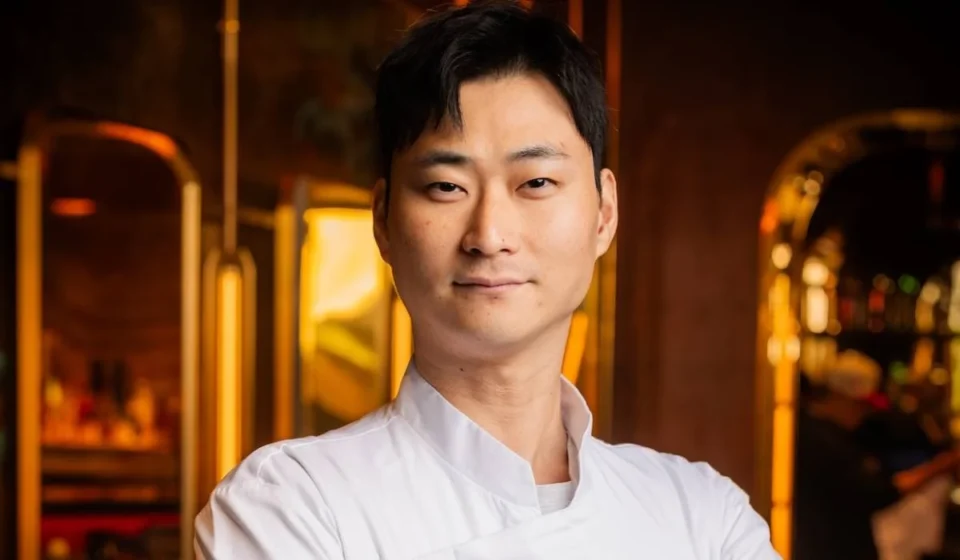
A New Culinary Era: Nuri Steakhouse Appoints Kyungwon Kim as Executive Chef

Uptown Dallas’s premier Korean-forward steakhouse, Nuri Steakhouse, has officially entered a transformative chapter. The restaurant recently announced the appointment of Kyungwon Kim as its new Executive Chef. This strategic hire signals a definitive shift for the establishment, as it seeks to harmonize the high-octane standards of a contemporary American steakhouse with the nuanced, heritage-driven flavors of Korean cuisine.
For Nuri, which translates to "whole world" in Korean, the arrival of Chef Kim is more than a change in leadership; it is an evolution of the restaurant’s foundational philosophy. By marrying his extensive background in French fine dining with the deeply personal flavors of his upbringing, Kim is poised to redefine the "steakhouse" experience for the Dallas market.
The Culinary Pedigree: From Seoul to Manhattan
Chef Kyungwon Kim’s ascent to the helm of Nuri Steakhouse is rooted in a rigorous education in some of the world’s most demanding kitchens. A Korean-born talent, Kim’s trajectory began long before he arrived in Texas. His most recent tenure saw him spending three years at the iconic Daniel in New York City, the flagship restaurant of world-renowned chef Daniel Boulud.
At Daniel, Kim moved rapidly through the ranks, demonstrating an aptitude for precision and technical mastery that earned him a promotion to executive sous chef. Prior to his time in the Boulud orbit, Kim honed his craft at Oiji Mi, a Michelin-starred destination in New York City celebrated for its elevated approach to traditional Korean cuisine. These experiences—blending the refined techniques of French culinary traditions with the bold, complex flavor profiles of Korea—provide the bedrock for his vision at Nuri.
The Vision: A Synthesis of Texas and Korea
The culinary direction under Chef Kim is defined by a deliberate fusion of place and memory. While the steakhouse format is quintessentially American, Kim is tasked with infusing it with the spirit of the Korean table.
"I want guests to experience Korean food through my perspective," Kim stated during the menu launch. "I use flavors that are personal to me, and I want to work more with local Texas farms and ingredients. The menu shows where I come from and what I want Nuri to become."
This vision is anchored in the concept of jeong—a Korean term often translated as a deep, unspoken connection or affection—which Kim believes is best cultivated through the act of sharing food. By sourcing premium beef and integrating local Texas produce, Kim aims to create a bridge between the Lone Star State’s robust ranching culture and the ancestral techniques of Korea.
A Chronology of Evolution at Nuri
To understand the significance of Chef Kim’s appointment, one must look at the timeline of Nuri’s growth in the Dallas dining scene:
- Foundational Vision: Nuri Steakhouse was established with the specific mission of bridging cultures. The owners sought to create a space that felt like a "whole world," where the steakhouse model—a pillar of American hospitality—could serve as a canvas for global flavor exploration.
- The Search for Leadership: As the restaurant matured, the owners recognized the need for a chef who could elevate the "Korean-forward" identity from a conceptual novelty to a cohesive, world-class dining experience.
- The Appointment: In 2024, the search culminated in the hiring of Kyungwon Kim, whose background in Michelin-starred environments was deemed the perfect fit for the restaurant’s ambitions.
- The Menu Debut: Within weeks of his appointment, Chef Kim unveiled a completely revamped menu, serving as the first public declaration of his culinary direction and signaling the start of a new, more refined era for the restaurant.
The New Menu: A Study in Sophistication
Chef Kim’s debut menu is a masterclass in balance, utilizing Korean-influenced sauces and preparations to transform standard steakhouse fare into something entirely new.
Appetizers and Small Plates
The new menu begins with a playful yet sophisticated approach to the raw bar. The Hamachi & Chamoe Crudo is a standout, featuring the Korean chamoe melon—prized for its crisp, sweet texture—stuffed with snow crab and cucumber. It is paired with hamachi and a bright, acidic vinaigrette made of Korean pear, gooseberry, and kombu-cucumber.
Similarly, the Korean Ceviche draws inspiration from mulhoe (a traditional chilled raw-fish soup). Kim reimagines the dish with fluke, a chili vinaigrette, sesame leaf, and stone fruit, offering a bright, refreshing start to a meal that is typically heavy.
Elevated Classics
One of the most notable changes is the Caviar Service. In a bold departure from traditional service, Kim replaces the standard blinis with gamja-jeon (Korean potato pancakes), accompanied by tamagoyaki, finger lime, and citrus zest. It is a brilliant marriage of textures that respects the luxury of the caviar while introducing a distinct Korean soul.
The Bibimyeon—a cold noodle dish—serves as a refreshing palate cleanser, incorporating seasonal vegetables, soy, tahini, chili oil, and scallion oil. It showcases Kim’s ability to highlight simple ingredients through complex, layered sauces.
The Steakhouse Centerpiece
The heart of the menu remains the steak, but even here, the influence of the Korean barbecue tradition is evident. Nuri’s Texas Akaushi steaks are now served with a trio of accompaniments: a house-made steak sauce, ssamjang (a thick, spicy paste), and a specially seasoned salt. This trio encourages the guest to interact with the beef in a way that mirrors the communal, interactive nature of Korean grilling.
The Cowboy Crab Cake provides the final bridge between the two worlds. It is a jumbo lump crab cake reimagined through a Texas lens, finished with avocado and served alongside roasted Texas sweet peppers stuffed with crab. The dish is layered with charred scallion, Rio Grande Valley citrus, and a house-made romesco using regional peppers, creating a deep, smoky complexity.
Official Responses and Strategic Implications
Owner Wan Kim, reflecting on the appointment, emphasized that the transition is a strategic move to solidify Nuri’s reputation as a destination for cultural integration.
"Nuri was created to bring people and cultures together around the table," the owner noted. "This next chapter gives that vision a clearer Korean point of view. Chef Kim understands the depth of Korean flavor, the generosity of Korean hospitality and the standards of a world-class dining experience."
The implications of this move are significant for the Dallas dining landscape. By moving away from "fusion" as a gimmick and toward a "Korean-forward" steakhouse model, Nuri is positioning itself at the intersection of high-end gastronomy and cultural storytelling. The restaurant is betting that diners are looking for more than just a cut of meat; they are looking for a narrative.
Looking Ahead: The Future of Nuri
As Chef Kim continues to settle into his role, the trajectory suggests that Nuri will become an increasingly localized experience. His stated intent to work more closely with Texas farms indicates a commitment to the "farm-to-table" ethos, which will likely result in a menu that changes more dynamically with the seasons.
The success of this transition will ultimately be measured by the reception of the local community. However, with a foundation built on the rigorous standards of Daniel Boulud and the heart of Korean home cooking, Chef Kim has provided a compelling argument that the steakhouse of the future is one that embraces its heritage while remaining deeply rooted in the local terroir.
In a city as competitive as Dallas, Nuri Steakhouse has chosen to lean into its identity. By appointing a chef who balances global technique with personal heritage, the restaurant has not only updated its menu—it has renewed its purpose. As guests sit down to experience the new offerings, they are participating in a conversation between two distinct culinary cultures, moderated by a chef who understands the language of both.