From Southern Comfort to Chapter 11: The Rise and Restructuring of Yardbird

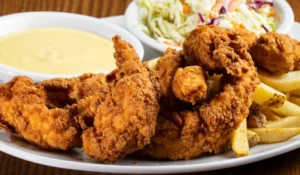
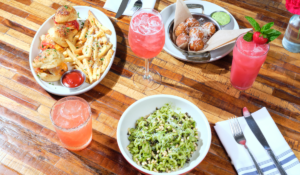
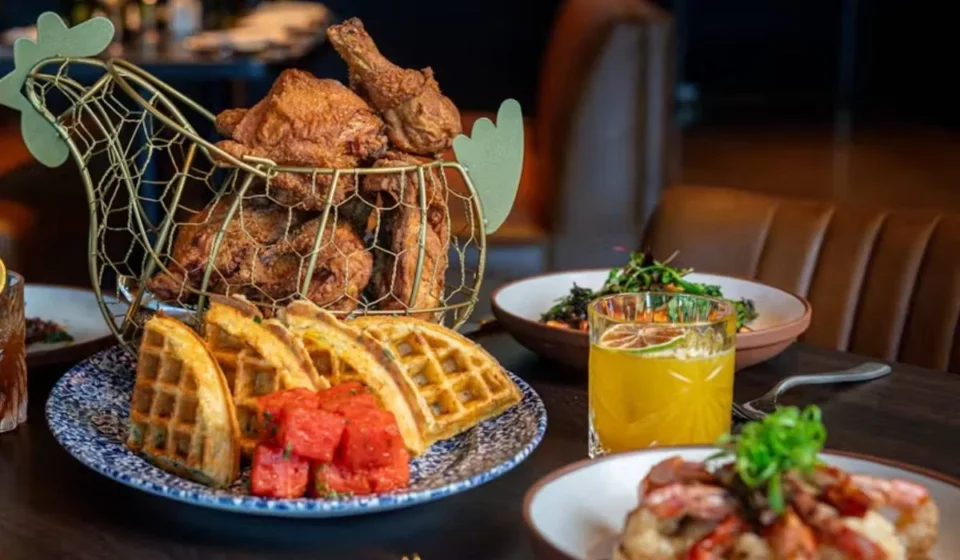
Yardbird Southern Table & Bar, the celebrated Miami-born concept known for its elevated take on fried chicken and bourbon-soaked Southern hospitality, has officially filed for Chapter 11 bankruptcy. The move, initiated this past Sunday, marks a sobering inflection point for a brand that once epitomized the rapid-fire expansion strategies of the post-2017 restaurant industry.
As the company seeks to navigate a court-supervised sale, it finds itself buckling under the weight of roughly $50 million in total liabilities. The filing serves as a cautionary tale of how aggressive capital expenditures, shifting post-pandemic urban demographics, and the rigid realities of debt maturity can erode even the most popular dining brands.
The Core Financial Crisis: By the Numbers
The financial anatomy of the Yardbird collapse is characterized by a precarious mix of secured and unsecured debt. According to court filings, the company is managing approximately $24.8 million in funded debt, bolstered by an additional $24.2 million in unsecured claims.
The primary stakeholder, Brightwood Loan Services, sits at the top of the capital stack, holding a first-priority lien on nearly all company assets. Their exposure stands at approximately $13.3 million. Following closely behind is the City National Bank of Florida, which is owed nearly $8.4 million under the Main Street Lending Program—a government-backed facility that became a lifeline for many during the pandemic but proved to be a source of litigation as maturity dates approached. Additionally, the company owes $3.1 million to inKind, the restaurant financing and rewards platform.
To survive the bankruptcy process, Yardbird has requested access to $5.4 million in debtor-in-possession (DIP) financing. This package, designed to cover payroll, vendor payments, and operational costs, includes a $1.8 million revolving credit component and a "roll-up" of existing Brightwood debt. The company has made it clear: without this liquidity, the doors of its remaining locations could close permanently.
Chronology: A Decade of Expansion and Contraction
The Founding Era (2011–2016)
Yardbird began its journey in Miami Beach in 2011. Founded on a premise of high-end Southern comfort food—showcasing staples like 27-hour brined fried chicken, artisanal bourbon dinners, and refined cocktail programs—it quickly became a critical darling. Its initial success provided the foundation for its first expansion, a licensed location in Las Vegas in 2015.
The Aggressive Growth Phase (2017–2020)
In 2017, the brand caught the eye of a private equity sponsor. With a fresh injection of capital, Yardbird pivoted to a high-growth model. This period saw the company open a string of high-profile locations in Los Angeles, Dallas, Washington, D.C., Chicago, and Denver, along with an international expansion into Singapore. This period required massive capital expenditure on leases, architectural design, and high-end restaurant build-outs, largely financed through the very debt that would eventually constrain the firm.
The Pandemic and Post-COVID Reality (2020–2024)
The COVID-19 pandemic acted as an accelerant for the brand’s underlying structural weaknesses. As dining rooms were shuttered and consumer behavior shifted, Yardbird’s reliance on high-traffic urban centers became a liability. While some locations remained resilient, others suffered from the collapse of convention business, changes in local tourism, and the fluctuating nature of downtown office life.
The Turning Point and Legal Standoff (2025–Present)
By 2025, the brand’s expansion model had stalled. The company underwent a significant corporate restructuring, separating from its founders and shifting to sole ownership by its private equity sponsor. During this time, the brand began a process of contraction, closing its Denver location in 2025, followed by Los Angeles and Miami in 2026.
Tensions peaked when a loan with City National Bank matured in August 2025. When negotiations to restructure the debt failed, the bank sued for breach of contract in March. As of today, the bank has filed for summary judgment, adding a layer of legal urgency to the bankruptcy proceedings.
Operational Status and the Sale Process
Despite the bankruptcy filing, Yardbird is not ceasing operations. The company currently employs 508 people across its corporate offices and active locations in Dallas, Washington, D.C., Chicago, and its licensed outlets in Las Vegas and Singapore.
Yardbird has filed a series of "first-day motions" to ensure the brand remains viable for a potential buyer. These motions seek court approval to continue paying employee benefits, honoring customer programs, and maintaining vendor relationships. The company’s leadership maintains that keeping the restaurants running is the only way to preserve the brand’s value.
The Stalking-Horse Strategy
The company’s path to a sale has already begun. In August, Soravine Advisors initiated a marketing process, reaching out to over 170 potential investors. While 21 parties signed non-disclosure agreements, the initial bids were underwhelming, falling significantly below the value of the first-lien debt.
Consequently, Yardbird has entered into an asset purchase agreement with an affiliate of its secured lenders. This entity will act as the "stalking-horse bidder," setting the floor for the auction. While there is no breakup fee, the agreement allows for the reimbursement of up to $275,000 in expenses to the stalking-horse bidder should another party prevail at the auction.
The proposed timeline is aggressive:
- October 27: Deadline for higher or better bids.
- November 2: Auction date.
- November 9: Sale hearing.
- November 30: Target closing date for the transaction.
Official Responses and Strategic Outlook
Chief Restructuring Officer Albert Altro has been the face of the company’s transition, framing the bankruptcy not as an end, but as a necessary surgical procedure. "The Debtors’ ultimate goal in these Chapter 11 Cases is to achieve a value-maximizing result for their stakeholders through the sale of the Debtors’ assets," Altro stated in the official filing.
Behind the scenes, the sentiment is one of pragmatic urgency. The company recognizes that its current debt load is unsustainable, and the failure to secure a restructured loan with City National Bank left the firm with no choice but to seek the protection of the bankruptcy court. The focus now is on stabilizing the "core" locations—those that proved their profitability even through the turbulence of the last three years—and jettisoning the liabilities that plagued the portfolio during the rapid expansion years.
Implications: A Warning for the Casual-Dining Sector
The Yardbird bankruptcy provides a clear lens into the current state of the restaurant industry, where the "polished-casual" segment is facing a reckoning.
- Debt-Fueled Growth: Yardbird’s reliance on heavy debt for expansion is a strategy that worked in a low-interest-rate environment but proved fatal when interest rates rose and urban consumer traffic patterns shifted.
- The "Urban-Centric" Risk: By positioning its restaurants in major metropolitan hubs, Yardbird was particularly vulnerable to the decline of business travel and the slow return of office workers to downtown districts.
- The Limits of Private Equity: The transition to sole private equity ownership in 2025 highlights the often-difficult path when original founders depart a brand, leaving financial sponsors to grapple with the operational realities of the restaurant floor.
For the restaurant industry at large, the Yardbird case serves as a reminder that brand equity, while valuable, cannot overcome structural debt imbalances. As the court prepares for the November auction, the industry will be watching closely to see if a buyer emerges who can strip away the legacy debt and revitalize a brand that, at its heart, remains a beloved name in the Southern dining space. The fate of Yardbird now rests in the hands of the court, its lenders, and the bidders who will decide whether the "Yardbird" name survives as a viable business or is reduced to a collection of liquidated assets.
Related posts: