The Death of the Follower: Why Discoverability, Niche Creators, and Employee Advocates Are Redefining Social Media Strategy

NEW YORK — For over a decade, the playbook for brands on social media was uniform, predictable, and rigidly linear: chase followers, scale reach, drive engagement, convert sales, and demand a larger budget. Rinse and repeat.
Today, that playbook is effectively dead.
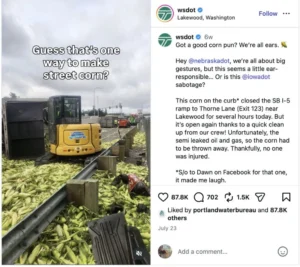
Modern social networks no longer run on chronological feeds dictated by audience subscriptions; they run on algorithmic recommendation engines. On platforms like TikTok and Instagram, it is entirely normal for a post to rack up tens of thousands of views from non-followers—numbers that routinely dwarf an account’s total follower count. In this new ecosystem, raw audience size has taken a backseat to structural relevance, transforming how brands must approach content creation, influencer partnerships, and digital marketing.
Furthermore, this shift extends far beyond the walled gardens of individual apps. Social media content is increasingly feeding directly into traditional search engine results pages and powering Answer Engine Optimization (AEO) tools like ChatGPT, Claude, and Gemini. Consequently, a single well-optimized post can drive brand awareness and web traffic long after it has vanished from standard feeds.
For marketing professionals, the message is stark: the age of optimizing for the audience you already have is over. Success now belongs to those who engineer for universal discoverability.
Chronology of a Paradigm Shift: From Chronicling Feeds to the "For You" Era
To understand how the digital marketing landscape reached this inflection point, it is helpful to look back at how social media algorithms evolved:
- The Chronological Era (Pre-2016): Social networks operated on a simple principle—if you followed a brand, you saw their posts in the order they were published. Success was directly tied to audience acquisition. Brands spent millions on campaigns designed purely to inflate follower counts, treating social channels as broadcast megaphones.
- The Algorithmic Pivot (2016–2020): Platforms introduced engagement-based feeds, prioritizing posts from friends, family, and accounts with high historical interaction rates. While follower counts still mattered, visibility began to fracture.
- The Recommendation Engine Era (2020–2024): Fueled by the meteoric rise of short-form video platforms like TikTok, algorithms shifted away from social graphs (who you follow) to interest graphs (what you like to watch). Discovery became untethered from subscriptions.
- The Post-Follower Era (2025–Present): Today, algorithmic recommendation feeds dominate user experiences. Platforms explicitly serve content based on instantaneous relevance rather than legacy audience sizes. Concurrently, social search (SOSEO) and AI answer engines have integrated social content into the broader web architecture, completing the death of the follower-as-primary-metric model.
Supporting Data: The Metrics That Actually Drive Performance
Recent industry data underscores just how disconnected follower counts have become from actual consumer behavior. According to a Q3 Pulse Survey conducted by Panoplai on behalf of Sprout Social—polling over 2,200 consumers across the U.S., U.K., and Australia—the old indicators of authority hold little weight with modern audiences.
Key data points illustrating this structural change include:
- The Non-Follower Majority: Sprout’s internal platform data reveals that more than 70% of total content views come from non-followers a striking 60% of the time on modern algorithmic feeds.
- The Irrelevance of Follower Count: Only 17% of surveyed users check an influencer’s total follower count before deciding to follow them or trust their recommendations.
- Niche Outperforming Mega: When asked who they trust more for purchasing decisions, 21% of consumers said they are more likely to purchase based on a recommendation from a niche creator, compared to just 15% for mega-influencers (with roughly a third reporting no preference).
- The Employee Advocacy Boom: Employee-generated content now drives product discovery at least monthly for 40% of all consumers—a figure that surges to 62% among Gen Z shoppers.
- Search Habits: Social media is now the second most commonly used platform for search across all demographics, trailing only traditional search engines and outpacing AI chat tools and direct peer recommendations.
Official Industry Responses and Expert Perspectives
As brands scramble to adapt to post-follower metrics, marketing leaders are recalibrating how they allocate budgets and evaluate partnerships.
Industry analysts point out that the democratization of the algorithm has leveled the playing field, allowing smaller brands and lean creators to punch well above their weight class.
"Follower count has officially become a vanity metric," notes a leading digital strategist specializing in social ecosystem optimization. "If you are evaluating an influencer partner based on how many people hit ‘follow’ five years ago, you are paying for ghost towns. You need to look at topic relevance, content retention, and genuine engagement rates. Ironically, the only time a massive follower count is a red flag today is when it hints at historical artificial inflation."

Retail giants are also taking notice of the shift toward raw authenticity. Companies like Gap Inc. and Starbucks have begun formalizing employee creator programs, establishing clear frameworks that compensate frontline workers—such as baristas and stockroom associates—for generating organic content that resonates far more deeply with consumers than polished, high-budget corporate campaigns.
Implications for Brands in the Post-Follower Era
The transition away from follower-centric strategies carries profound implications for every layer of an organization’s digital marketing framework.
1. Re-evaluating Influencer Partnerships
Brands can no longer rely on mega-influencers as broad-stroke megaphones. Modern consumers demand authenticity; 80% believe influencers should genuinely use the products they promote, and 44% prefer creators who have been long-term users of a brand before entering a partnership. Micro-influencers and niche creators, who maintain intimate, highly engaged communities, consistently deliver superior purchase intent and trust compared to their macro counterparts.
2. Frontline Employees as the New Marketing Engine
Consumers increasingly reject the sterile, overly produced corporate narrative coming from C-suites and marketing teams. Instead, they want to hear from the people actually doing the work. Whether it is a logistics worker explaining supply chains or a retail employee highlighting everyday store occurrences—exemplified by viral sensations like the "Staples Baddie"—employee-generated content represents an untapped trust engine. However, brands must formalize these programs ethically, ensuring workers are fairly compensated for labor that extends beyond their standard job descriptions.
3. The Rise of Social SEO (SOSEO) and AEO Integration
Discoverability is no longer just about landing on a "For You" page; it is about engineering content to be parsed by algorithms across multiple touchpoints. Social media platforms analyze not just text captions, but spoken audio, on-screen text, and visual cues to determine relevance.
Furthermore, because traditional search engines (like Google’s Short Videos tab) and AI answer engines (like ChatGPT, Claude, and Gemini) now index and pull directly from social platforms like TikTok, Instagram, and Reddit, social content has transformed from fleeting 24-hour media into evergreen digital assets. Optimized content can now experience compounding loops of discoverability, going viral multiple times across different segments of the internet over extended periods.
Conclusion
The rules of social media engagement have been rewritten. By abandoning the outdated pursuit of follower accumulation and redirecting resources toward algorithmic discoverability, strategic niche partnerships, empowered employee advocates, and robust SOSEO/AEO frameworks, forward-thinking brands can future-proof their digital presence.
In the post-follower era, relevance is currency, discoverability is the strategy, and authenticity is the ultimate competitive advantage.
Frequently Asked Questions (FAQ)
What is social media discoverability?
Social media discoverability measures how likely a piece of content is to be found by people who do not already follow the account that posted it. It is driven primarily by algorithmic recommendation feeds—such as Instagram’s Reels tab or TikTok’s For You page—which surface content based on real-time relevance, engagement, and user interest graphs rather than existing follower relationships.
How does social SEO differ from traditional SEO?
Traditional SEO optimizes for search engine crawlers reading written text on static web pages. Social SEO (SOSEO), on the other hand, optimizes for platform algorithms that parse spoken audio, on-screen text, closed captions, and user engagement signals within dynamic video or image posts. While the ranking factors differ, the underlying objective remains identical: matching content to what target audiences are actively searching for.
Why are follower counts becoming less important?
Algorithmic recommendation engines now distribute the vast majority of views on major social platforms, frequently routing content to massive audiences of non-followers. Consequently, raw audience size has been superseded by topic relevance, content quality, and engagement rates as the most reliable predictors of performance and reach.