
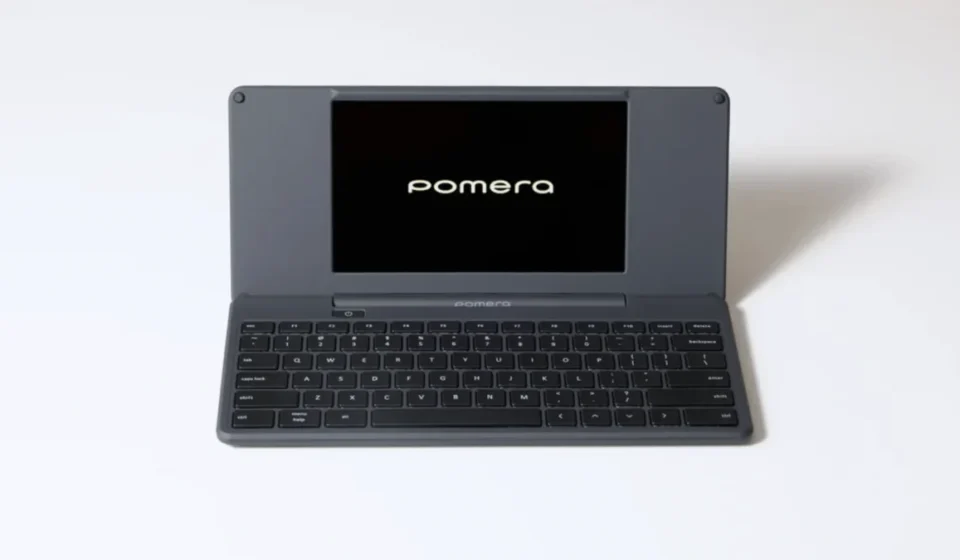
The Return of the Analog Ethos: Why the Pomera DM250 Is the Writer’s Ultimate Distraction-Free Sanctuary

In an era defined by the relentless ping of notifications, the infinite scroll of social media, and the constant urge to multitask, the simple act of writing has become increasingly fragmented. For many creative professionals, the modern computer—a device designed for infinite productivity—has ironically become the greatest barrier to actual output. Enter the Pomera DM250: a dedicated, portable digital typewriter that promises to restore the sanctity of the page.
While it may appear to some as a niche gadget for the tech-savvy hipster, the Pomera DM250 represents a growing movement toward "single-use" technology. As digital fatigue reaches a tipping point, this Japanese-engineered device offers a compelling case for the necessity of friction-free, distraction-free environments.
The Core Philosophy: Why "Dumb" Tech is the New "Smart"
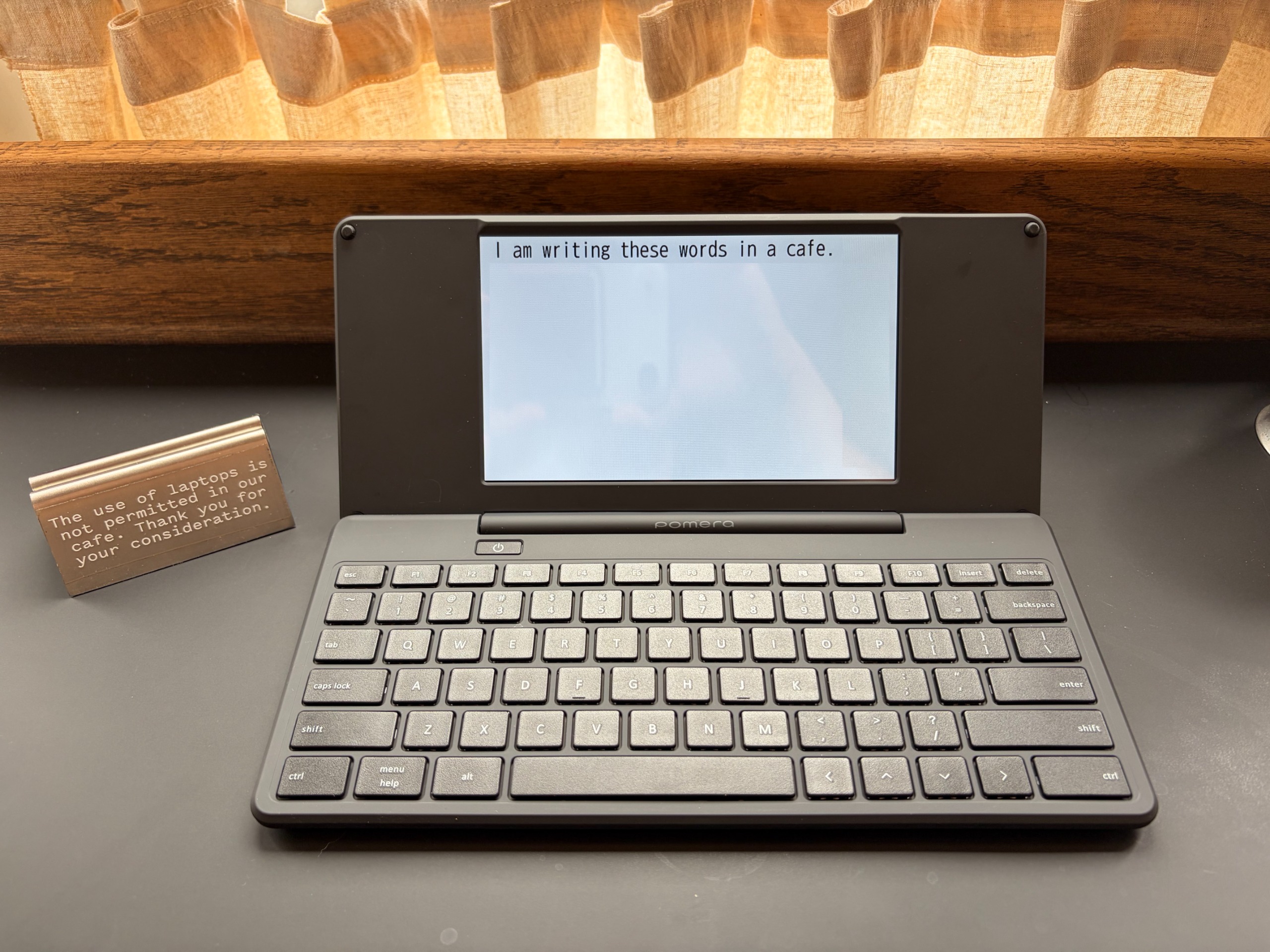
The premise of the Pomera DM250 is deceptively simple: it does one thing, and it does it exceptionally well. Unlike a laptop, which invites users to check email, browse the web, or manage project management software, the DM250 is a digital typewriter. It features a high-quality, crisp LCD screen and a responsive keyboard designed for extended typing sessions.
The device operates on a closed-loop system. It is not an iPad, it is not a Chromebook, and it certainly is not a gaming machine. It is a sanctuary. By stripping away the bells and whistles of modern operating systems, the DM250 forces the user into a state of "deep work," a concept popularized by author Cal Newport. When the only available action is to move the cursor and strike a key, the internal friction of starting a project vanishes.
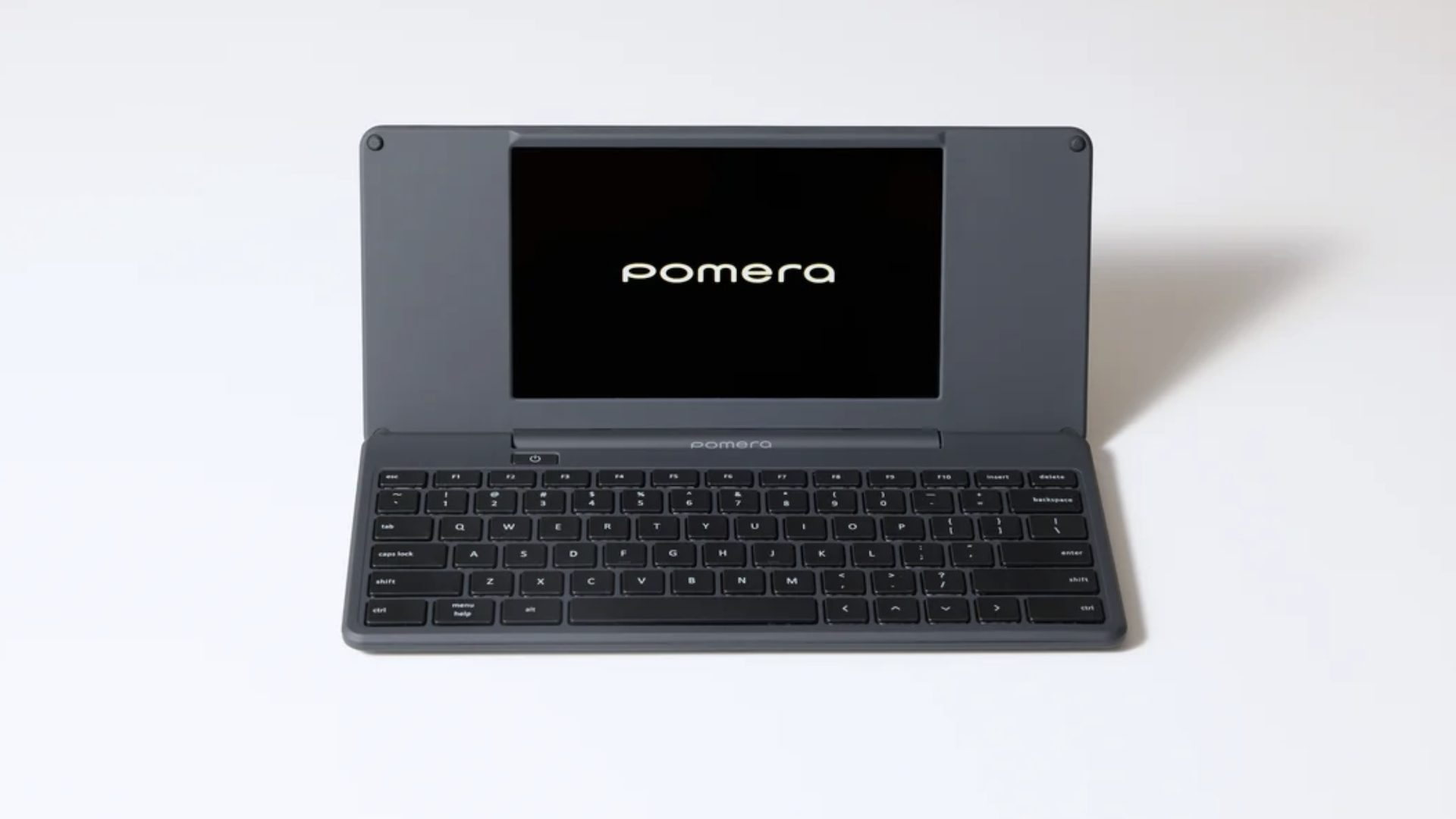
A Brief History: From the First Pomera to the DM250
The Pomera line, produced by King Jim, has been a cult favorite in Japan for years. The series began in 2008, long before the modern "digital detox" trend went mainstream. At the time, the market was dominated by bulky laptops and emerging netbooks. King Jim identified a specific subset of users—novelists, journalists, and students—who required a lightweight, long-battery-life device that could be opened in a cafe or on a train without the setup time of a traditional computer.
The evolution from the original DM10 to the current flagship DM250 has been one of refinement rather than feature-bloat. While competitors have tried to integrate e-ink displays—often suffering from ghosting and slow refresh rates—the DM250 opted for a snappy, high-resolution LCD. This design choice highlights a commitment to the user experience: it feels immediate. When you press a key, the letter appears instantly. There is no latency, no waiting for the screen to refresh, and no stuttering software.
Supporting Data: The Productivity Gap
The demand for "dumb" devices—or, more accurately, "single-purpose" devices—is supported by an emerging body of research regarding cognitive load and multitasking. Studies from the University of California, Irvine, have shown that it takes an average of 23 minutes to return to a deep focus task after a distraction occurs.
In a standard office environment, the average worker is interrupted every three to eleven minutes. By using a device like the Pomera DM250, a writer effectively builds a digital moat around their focus.
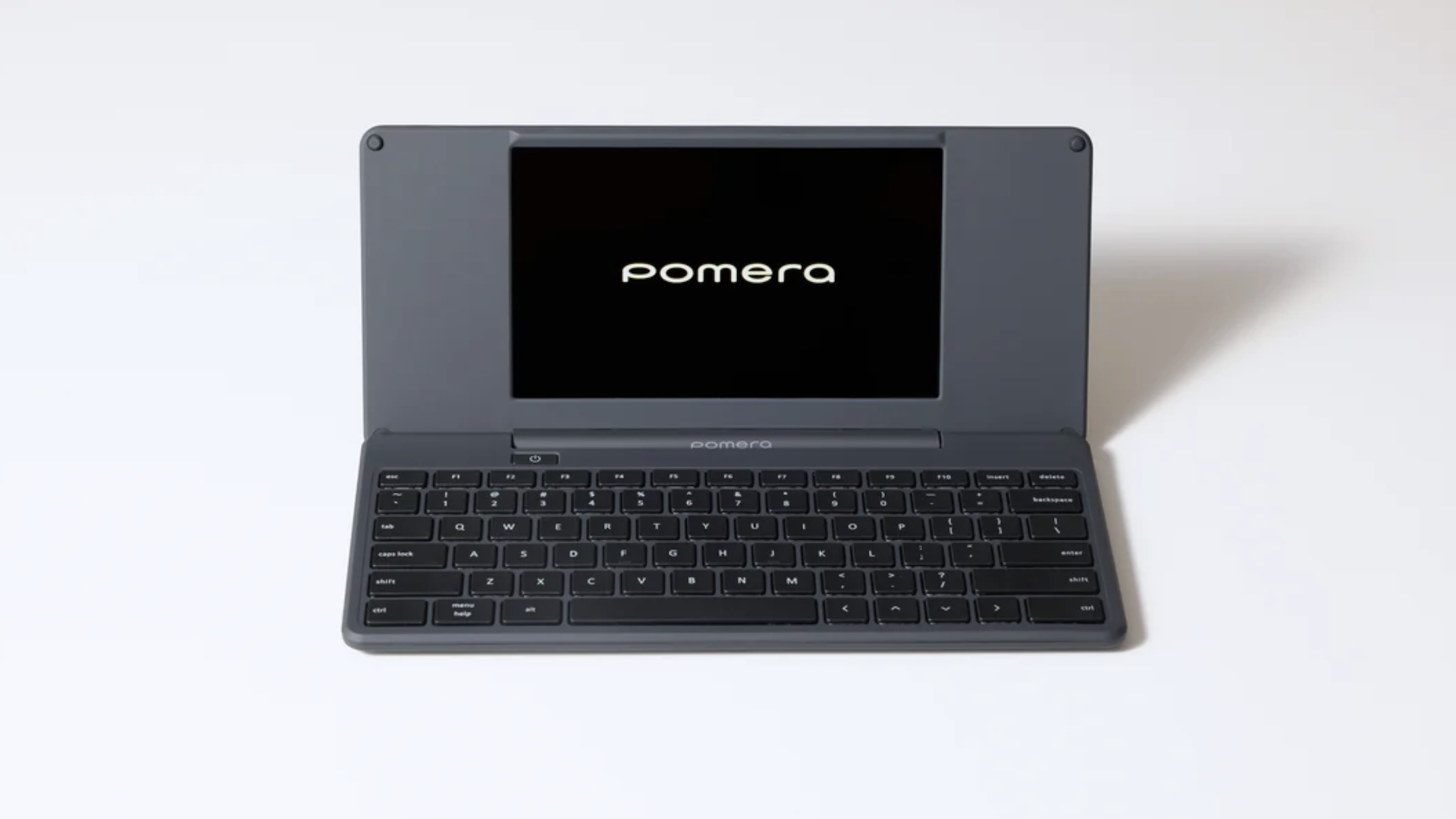
- Battery Efficiency: Unlike a laptop, which requires a power source after a few hours of intensive work, the DM250 can last for days or even weeks on a single charge.
- Portability: Weighing significantly less than the average ultra-book, it removes the physical barrier of "carrying work."
- The "Email-Out" Workflow: While the device possesses Wi-Fi, it is strictly for the purpose of exporting files. This architecture prevents the "loop" of checking news sites or social media, as the browser is not intended for general use.
Official Stance and Market Positioning
King Jim, the manufacturer behind the Pomera, has never marketed the DM250 as a replacement for the modern workstation. Instead, it is positioned as a supplementary tool—a specialized instrument for the "drafting phase" of creation.
Industry analysts have noted that the device is finding a home among two distinct demographics: the aging writer who misses the tactile nature of typewriters, and the Gen-Z professional who is increasingly wary of the mental health impacts of "always-on" technology. The move toward "analog" tech is not a rejection of progress, but a conscious selection of the right tool for the specific task of creation.
Implications for the Creative Future
The success of the Pomera DM250, alongside similar products like the reMarkable tablet or the Light Phone, signals a fundamental shift in how we value hardware. We are entering the "post-gadget" era, where the value of a device is determined not by how many apps it can run, but by how well it protects the user’s time and attention.
1. The Cost of Focus
At $549, the DM250 is undeniably a luxury. This leads to an important economic question: What is the monetary value of an hour of uninterrupted thought? For a professional screenwriter or a novelist, a device that prevents a four-hour "rabbit hole" of research into a useless topic pays for itself within a few weeks of use. The price tag is not for the hardware components—it is for the focus it facilitates.
2. The Cultural Shift
We are currently witnessing a cultural backlash against the "attention economy." Algorithms are designed to steal our time; the Pomera DM250 is designed to reclaim it. As we look toward the future of remote work and the gig economy, the ability to produce high-quality work in non-traditional spaces—without the need for heavy power bricks or constant internet connectivity—will become a competitive advantage.
3. Sustainability and Longevity
Modern laptops are often designed with planned obsolescence in mind. They become sluggish with OS updates and suffer from battery degradation within two to three years. The DM250, by virtue of its simplicity, is built to last. It is a "forever" device. By investing in hardware that does not change, the user is liberated from the constant cycle of firmware updates and hardware upgrades.
Final Verdict: Is It Worth the Investment?
The Pomera DM250 is not for everyone. If your workflow requires heavy image editing, complex spreadsheet management, or real-time collaboration, this device will frustrate you. However, if your primary work involves the arrangement of words—if you are a thinker, a dreamer, or a professional scribe—the DM250 is a revelation.
It removes the temptation of the browser and the weight of the OS. It allows for a tactile, immediate relationship with your text. It is a bridge between the romance of the analog past and the efficiency of the digital future.
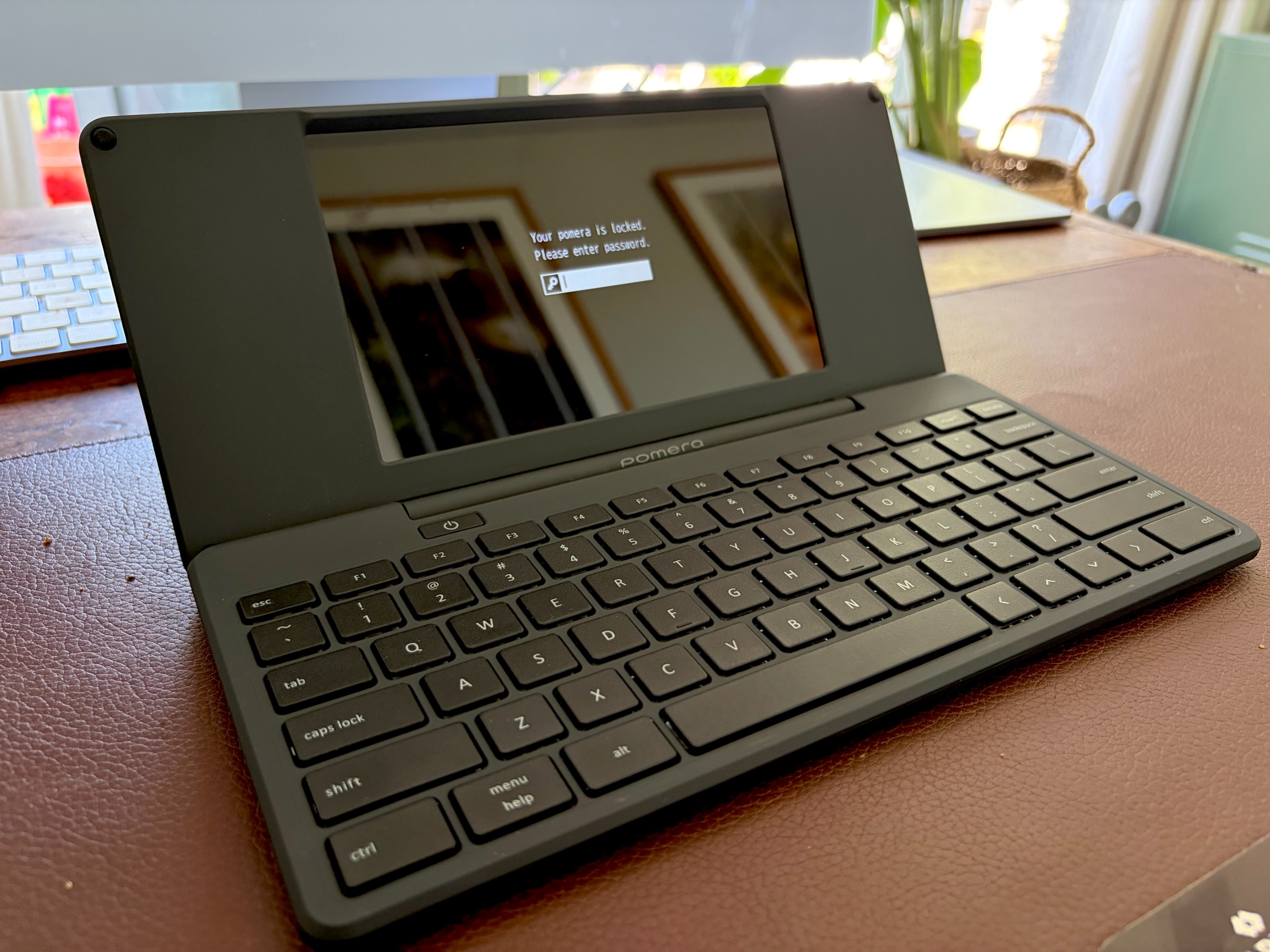
In a world that is constantly screaming for our attention, the Pomera DM250 provides the quiet space necessary to hear one’s own thoughts. Perhaps the greatest luxury in the 21st century is not a faster processor or a brighter screen, but the ability to sit down, open a clamshell keyboard, and simply write. For those who can afford the price of admission, the DM250 is more than a typewriter; it is a declaration of independence from the chaos of the digital world.