Comments Off on Navigating the Polarized Workplace: Key Insights and Tools from Dr. Poornima Luthra at Convening EMEA
By Barbara Palmer Deputy Editor, Convene
Main Facts
In an era defined by rapid technological advancement, global economic uncertainty, and deepening ideological divides, modern workplaces are increasingly struggling with polarization. According to organizational behavior expert Dr. Poornima Luthra, these rising societal tensions have penetrated office environments, making routine interactions—from casual exchanges by the coffee machine to high-stakes strategic meetings—fraught with hesitation and fear.
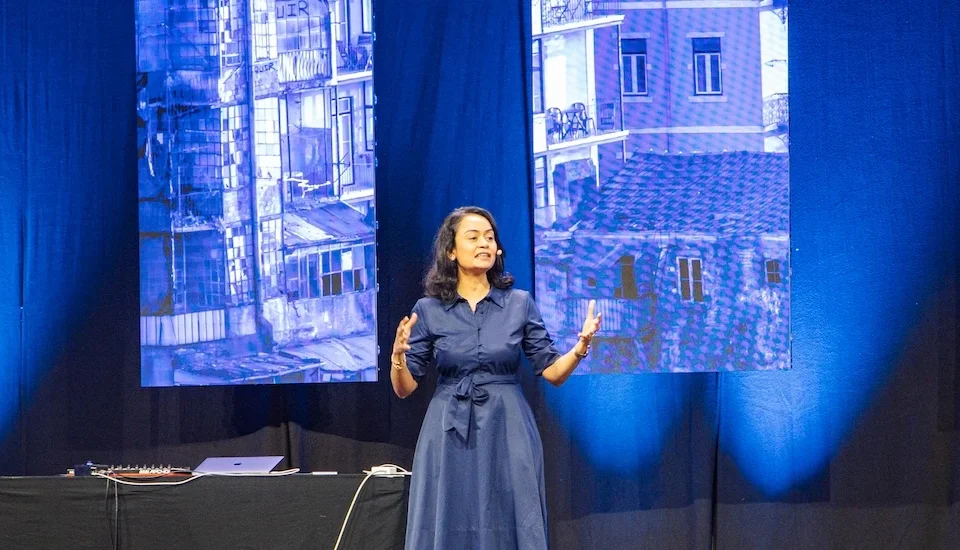
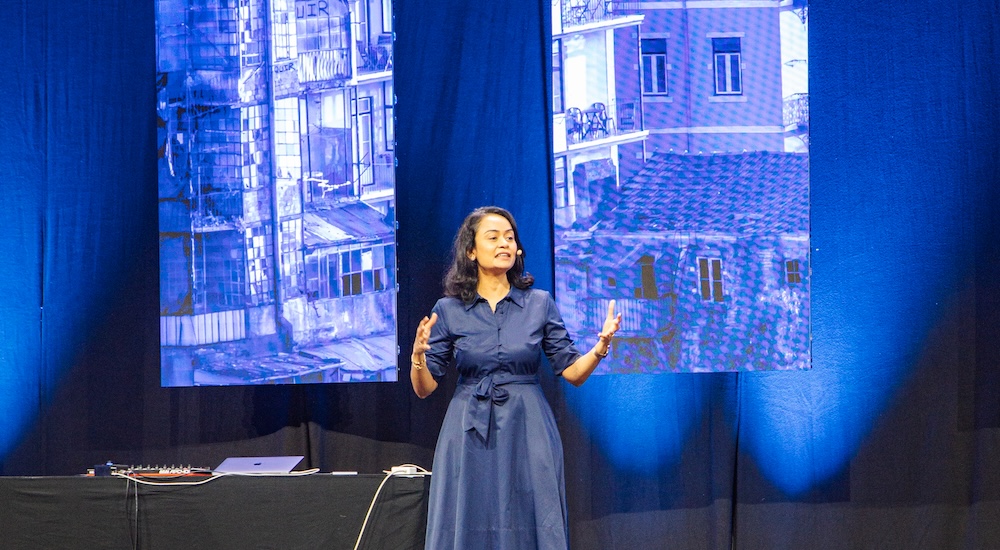
Delivering the opening keynote address at the Convening EMEA conference in Lisbon, Portugal, Luthra addressed a pressing reality for contemporary leaders and professionals: the fundamental human mechanisms of trust and collaboration are under strain. When individuals encounter colleagues holding starkly different viewpoints, the human brain frequently misinterprets these opposing perspectives as existential threats. This triggers primal fear responses, such as the fear of social retribution, the anxiety of saying the wrong thing, or the apprehension associated with changing established worldviews.
Compounding this psychological barrier is the modern "cancel culture" and widespread digital stigmatization. Together, these cultural forces create a chilling effect, deterring employees and managers alike from engaging in the robust, diverse conversations required to drive meaningful organizational change.
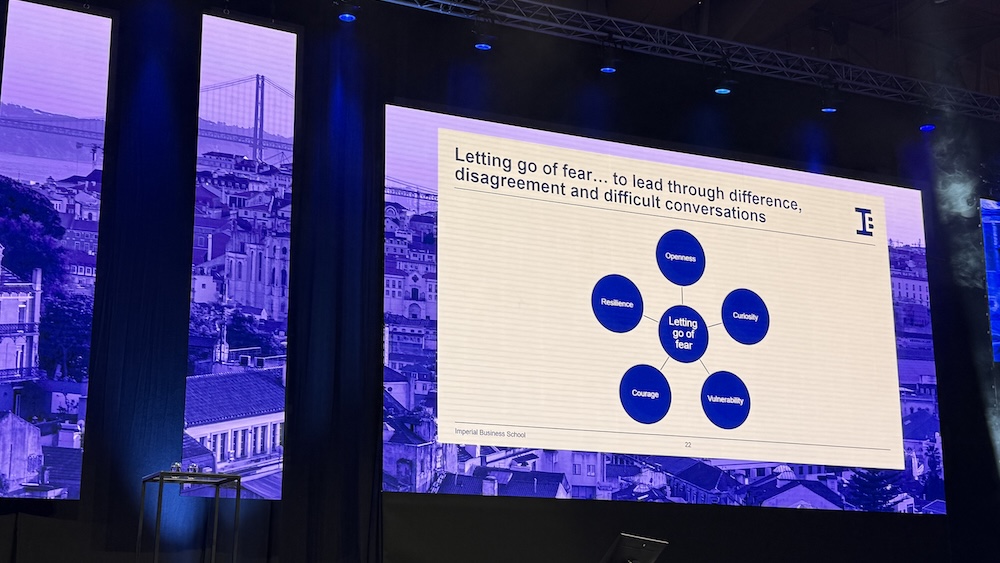
However, Luthra’s research offers a roadmap out of this stalemate. Drawing on more than two years of specialized investigation into workplace polarization and emotional triggers, she outlined five actionable cognitive and behavioral tools—Openness, Curiosity, Vulnerability, Courage, and Resilience—designed to dismantle fear, foster psychological safety, and rebuild institutional trust.
Chronology: The Evolution of Workplace Polarization and Modern DEI
To understand the urgency of Dr. Luthra’s message at Convening EMEA, it is vital to trace how modern communication dynamics have shifted the landscape of professional interaction over the past decade.
Pre-2020s: Corporate Diversity, Equity, and Inclusion (DEI) initiatives primarily focused on structural representation, compliance, and unconscious bias training delivered via standardized corporate modules. While foundational, these programs often treated bias as a mechanical error rather than an emotional or deeply rooted psychological response.
The Digital Acceleration (2020–2023): The widespread shift to hybrid and remote work during and after the global pandemic increased reliance on digital communication tools and social media algorithms. Echo chambers deepened, and global sociopolitical events began to spill directly into professional communications via messaging apps, video calls, and town halls.
The Rise of Cancel Culture and Stigmatization: As public discourse grew more fragmented, employees increasingly reported a paralyzing fear of professional repercussions for misspeaking or debating sensitive topics. DEI efforts stalled in many organizations due to employee reluctance to engage in authentic dialogue.
Publication of Foundational Texts (2025): Dr. Poornima Luthra released her landmark book, Can I Say That? Your Go-To Guide for Diversity, Equity, and Inclusion, following extensive empirical research into the emotional mechanics of polarization.
September 14, Convening EMEA (Lisbon, Portugal): Luthra took the main stage to deliver her opening keynote, synthesizing years of research into five practical tools aimed at helping business events professionals and corporate leaders bridge ideological divides and restore collaborative trust.
Supporting Data and Psychological Insights
Dr. Luthra’s keynote was grounded in hard cognitive science and behavioral research, highlighting the vast disconnect between the amount of information humans receive and what they can consciously process.
The 11 Million vs. 40 Bit Reality: According to neurological data cited by Luthra, the human brain is bombarded with approximately 11 million bits of sensory and informational data every second. Yet, human consciousness can only actively process about 40 bits per second.
The Role of Mental Shortcuts: Because the brain must filter out 99.999% of incoming data to prevent cognitive overload, it relies heavily on unconscious mental shortcuts, cognitive biases, and deeply ingrained characterizations of others. This neurological efficiency mechanism is precisely why systemic and personal biases are so difficult to unlearn without deliberate intervention.
The Threat Response: Psychological tracking during Luthra’s two-and-a-half-year study revealed that encountering opposing political or social viewpoints activates the amygdala—the brain’s fear and survival center. This triggers a physiological threat response, rendering higher-order, empathetic, and open-minded communication physically and mentally exhausting.
The Trap of Rapid Consensus: Organizational data indicates that modern teams under tight deadlines and heavy workloads frequently converge around a single, dominant perspective within minutes. This premature consensus stifles innovation, suppresses dissenting opinions, and alienates team members whose life experiences do not align with the majority.
Official Responses and Expert Frameworks
Dr. Luthra’s presentation moved beyond diagnosing organizational ailments by offering a structured framework of five distinct tools. Each tool is designed to systematically dismantle the fear response and encourage inclusive, trust-building behaviors within teams.
1. Openness: Intentionally Expanding Horizons
Luthra challenged audience members to consciously break out of algorithmically curated echo chambers. Modern news feeds and social media platforms are designed to feed existing beliefs, reinforcing ideological bubbles.
"In order to bridge the polarization that divides us, we have to understand where people are coming from and the life experiences that have led them to think and feel the way they do about the world around them," Luthra emphasized.
2. Curiosity: Interrogating Our Biases
Acknowledging that biases are embedded deeply within human neurology, corporate systems, and societal cultures, Luthra argued that bridging differences must begin with personal introspection. Instead of reacting defensively to opposing viewpoints, professionals should treat every challenging interaction as an educational opportunity to understand others on a deeper level.
True dialogue across differences is rarely comfortable. Luthra urged leaders to normalize physical and psychological discomfort rather than fleeing from it.
Actionable Advice for Teams: Resist the temptation to rush toward consensus simply to meet a project deadline. Intentionally holding space for just "a couple of extra minutes" during team discussions can dramatically open the floor to alternative perspectives that might otherwise go unvoiced.
4. Courage: Asking the Right Questions
In a climate of heightened cancellation and professional risk, standing up for core principles requires immense courage. However, courage does not necessitate aggressive confrontation. Luthra advocates for the strategic use of inquiry:
"When you ask the right questions in the right tone—not ‘gotcha’ questions, but ones that come from a place of curiosity—it can foster an environment of collaboration and trust."
5. Resilience: Playing the Long Game
Cultural transformation does not happen overnight. Luthra identified resilience as "perhaps the most important, but most challenging" tool of all. Because the impact of individual actions can feel imperceptible in the face of macro-level societal polarization, professionals must remain patient, trust the underlying purpose of their inclusive efforts, and focus on incremental changes within their immediate sphere of influence.
Implications for the Business Events Industry and Modern Organizations
The implications of Dr. Luthra’s address at Convening EMEA extend far beyond the conference walls, offering critical takeaways for event planners, corporate executives, human resources leaders, and team managers.
Redesigning Event Programming and Professional Spaces
For the business events industry, creating environments where attendees feel psychologically safe enough to engage in difficult conversations is paramount. Conferences can no longer rely solely on passive lecture formats. Planners must intentionally design interactive sessions, roundtables, and networking spaces that encourage structured, curious dialogue across ideological and cultural lines. By integrating frameworks like Luthra’s five tools into event design, organizers can help delegates navigate complex topics without fear of professional alienation.
Transforming Corporate Culture and Leadership Development
Inside traditional corporate structures, leadership development programs must evolve past check-the-box compliance training. HR departments are challenged to cultivate cultures where leaders model vulnerability, encourage dissenting viewpoints, and reward intellectual curiosity over superficial agreement.
Overcoming Paralysis Through Small Actions
Ultimately, Luthra’s message serves as both a caution and an encouragement. While societal polarization poses a genuine threat to organizational cohesion and collaboration, professionals are far from helpless. By exercising everyday courage, practicing deep openness, and committing to the long-term resilience required for cultural change, modern workplaces can transform division into an engine for sustainable innovation and mutual trust.