
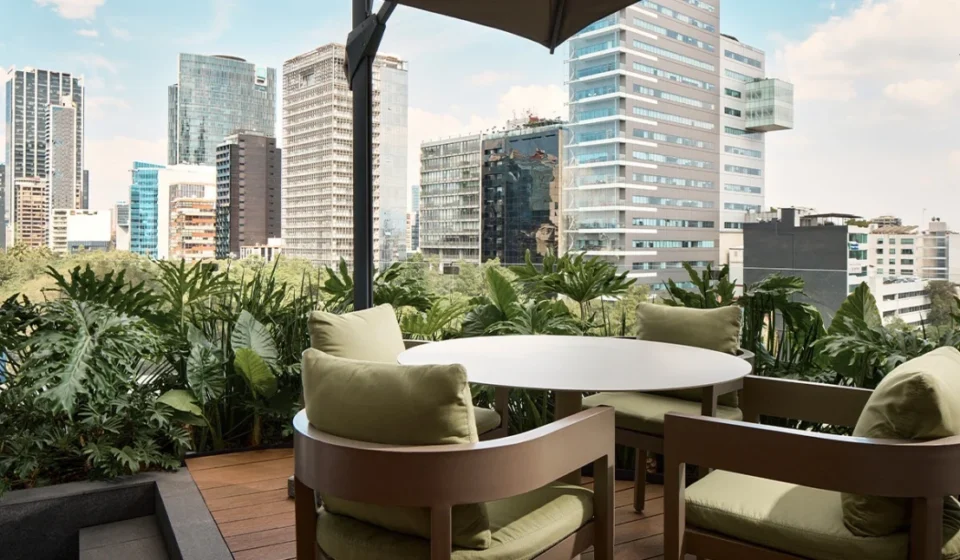
The Renaissance of Hospitality: How Iconic Properties are Redefining Luxury for a New Era

The hospitality landscape is currently undergoing a profound metamorphosis. From the historic corridors of Wilmington and Cincinnati to the sun-drenched coastlines of Los Cabos and the vibrant urban centers of Mexico City and Austin, hotelier groups are investing heavily in a "new chapter" of guest experiences. This wave of renovations and grand unveilings is characterized by a deliberate tension—a sophisticated balance between preserving storied, historic architecture and integrating the streamlined, functional demands of contemporary travelers and meeting planners.
As global travel patterns shift toward experiences that offer a distinct "sense of place," these five landmark properties are setting a new standard for luxury, blending heritage with high-tech infrastructure, destination-worthy culinary concepts, and flexible, modern event spaces.
The Strategic Shift: Merging History with Modernity
The common thread linking these disparate properties is the realization that today’s luxury guest—whether a corporate executive or a leisure traveler—seeks authenticity. They no longer want sanitized, cookie-cutter environments; they want properties that tell a story.
By breathing new life into structures that have stood for decades, and in some cases a century, these hotels are creating immersive environments. This is not merely about aesthetic refreshes; it is about infrastructure upgrades that accommodate the digital-first professional and the social-first event planner. The result is a surge in boutique-style luxury that respects the past while leaning aggressively into the future of hospitality design.
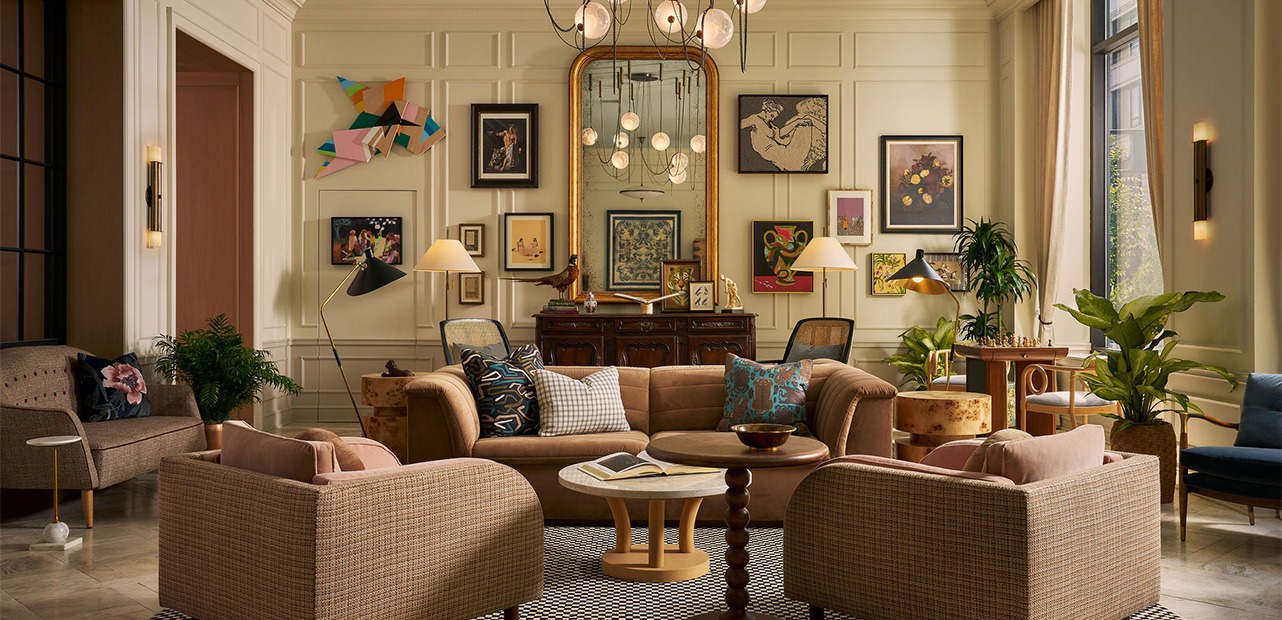
Fidelity Hotel: A Beaux-Arts Revival in Cincinnati
In the heart of downtown Cincinnati, the newly opened Fidelity Hotel has emerged as a beacon of urban revitalization. The property occupies the landmark 1913 Gwynne Building, a structural marvel that has been meticulously restored to preserve its Beaux-Arts exterior.
Architectural Harmony
The interior transformation, led by the design firm Looney & Associates, serves as a masterclass in adaptive reuse. The 165-room property honors the building’s history while introducing a sleek, contemporary interior language. The design team has integrated Cincinnati’s rich cultural heritage into the guest experience, ensuring that every touchpoint—from the lobby’s architectural details to the curated art in the rooms—feels distinctly rooted in the city.
Culinary and Event Versatility
The property has also prioritized destination dining, establishing Gwynne as a signature restaurant and Cora’s Cafe as an accessible, all-day social hub. For the meetings and events industry, the Fidelity Hotel offers a significant 7,770 square feet of flexible space. This, combined with its central downtown location, positions the hotel as a premier choice for corporate retreats and high-profile gatherings, effectively bridging the gap between historical grandeur and modern business utility.
Viceroy Los Cabos: An Evolution of Coastal Sophistication
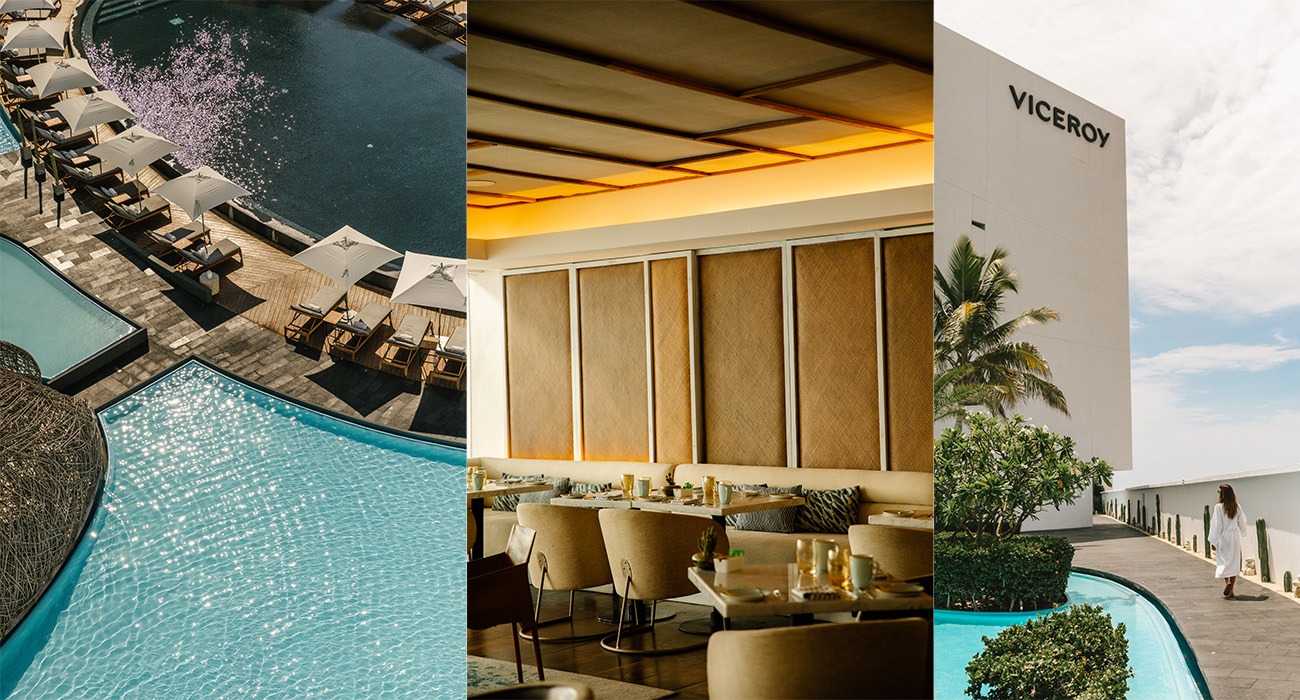
If the Fidelity represents urban historicism, Viceroy Los Cabos represents the cutting edge of contemporary resort design. Following a comprehensive, resort-wide evolution, the property has unveiled a series of updates that elevate the guest experience to new heights.
The Arrival Experience
The resort’s transformation begins at the lobby. The signature "Water Mirrors"—the reflecting pools that have become an iconic visual staple of the resort—have been meticulously restored. These pools serve as a serene transition from the outside world into the tranquil, minimalist aesthetic of the lobby.
Culinary Innovation
Viceroy has significantly bolstered its culinary footprint. The introduction of Nodo, an Italian market-inspired concept, focuses heavily on the hyper-local ingredients of Baja California Sur, emphasizing the farm-to-table movement that is currently reshaping Mexican luxury dining. Furthermore, the property has introduced Archaea, an intimate, atmospheric speakeasy that caters to the sophisticated palate with rare spirits and bespoke, made-to-order cocktails.
The St. Regis Mexico City: A Multimillion-Dollar Reimagining
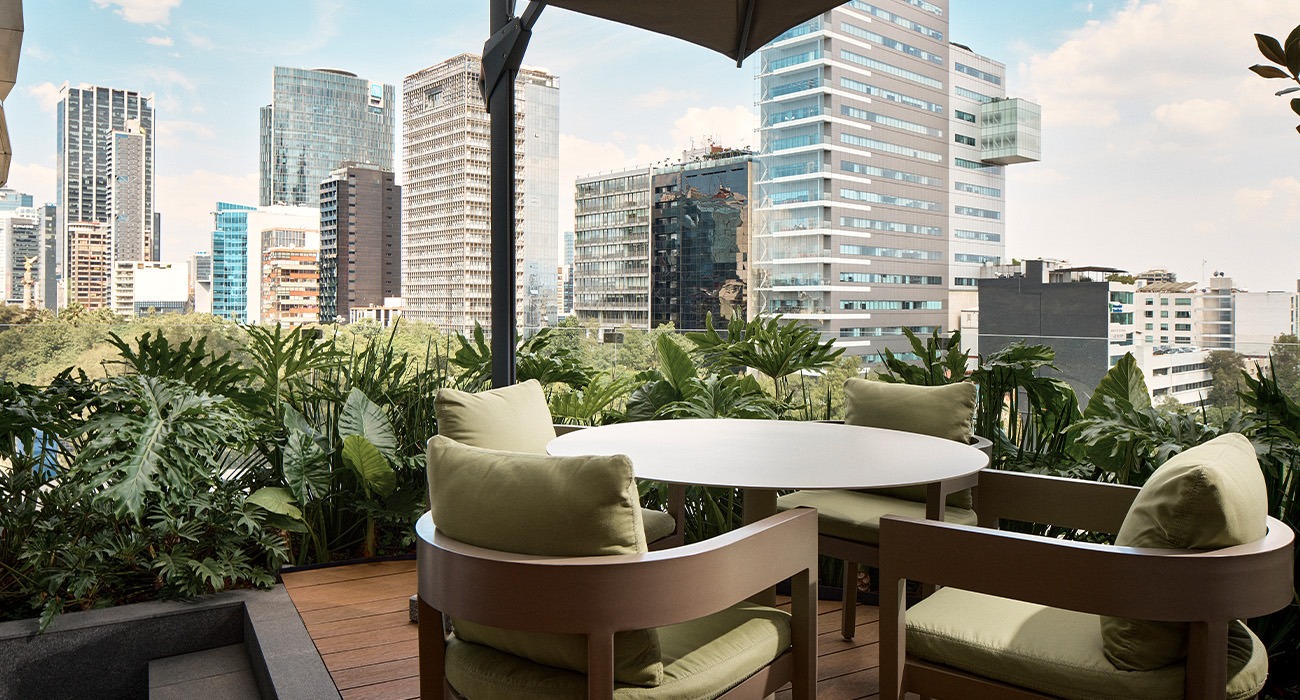
In Mexico City, The St. Regis has undertaken a massive, multimillion-dollar renovation project aimed at redefining the standard for urban luxury. Led by the renowned Kalí Design Group, the project spans 189 guest rooms and suites, as well as critical public areas including the elevator lobbies and reception.
Design Inspiration
The design philosophy behind the renovation is "layered history." By utilizing natural materials such as jade, cacao, stone, and marble, the designers have imbued the property with an earthy, tactile warmth. The lobby, now designed to feel like an elegant residential living space, features personalized, seated check-in stations.
Artistic Details
The attention to detail is remarkable. From Frida Kahlo-inspired pendant lighting to hand-embroidered cushions created by local artisans, the hotel is a celebration of Mexican craftsmanship. These elements, paired with sculptural bronze and copper lighting fixtures that mimic the colors of the Valley of Mexico’s sunsets, create an atmosphere that is both international in its polish and local in its soul.
AT&T Hotel and Conference Center: The Future of Meetings
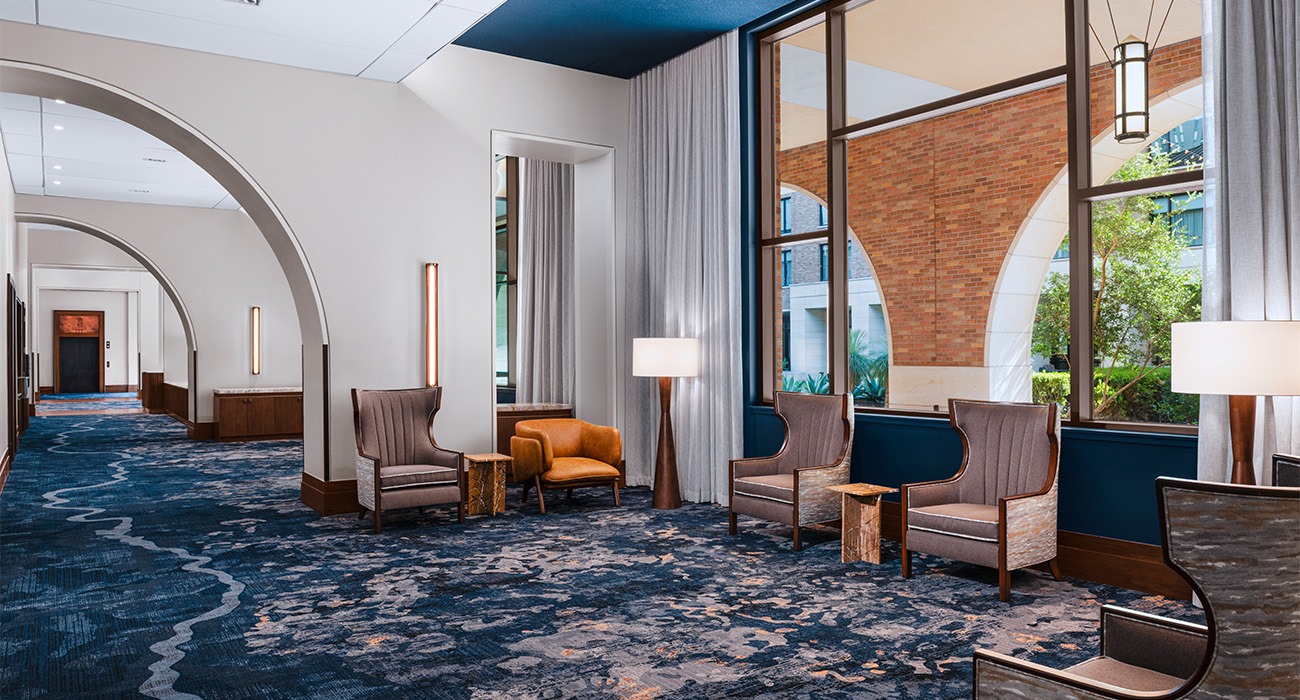
Austin’s AT&T Hotel and Conference Center has completed a $30 million renovation that serves as a blueprint for institutional hospitality. Located on the University of Texas campus, the property is a vital hub for both academic and corporate life in Austin.
Scalability and Design
The renovation covered all 297 guest rooms and significantly upgraded the conference facilities. Perhaps most notably, the addition of a new junior ballroom expands the property’s capacity to host larger, more complex events. The design aesthetic is a refined take on "Texas heritage," blending the state’s rugged, storied past with a modern, clean-lined sensibility that appeals to the diverse demographic of UT Austin’s visitors.
The Meeting Planner Advantage
For event organizers, the property is now even more attractive. By balancing the functional requirements of high-capacity conferences with the aesthetic appeal of a luxury hotel, the AT&T Center has effectively positioned itself to capture a larger share of the professional events market in the Southwest.
Hotel Du Pont: Preserving a Century of Elegance
In Wilmington, Delaware, Hotel Du Pont is taking a meticulous approach to its evolution. Rather than radical change, the property is focusing on the restoration and celebration of its early 20th-century roots.
A Private Dining Milestone
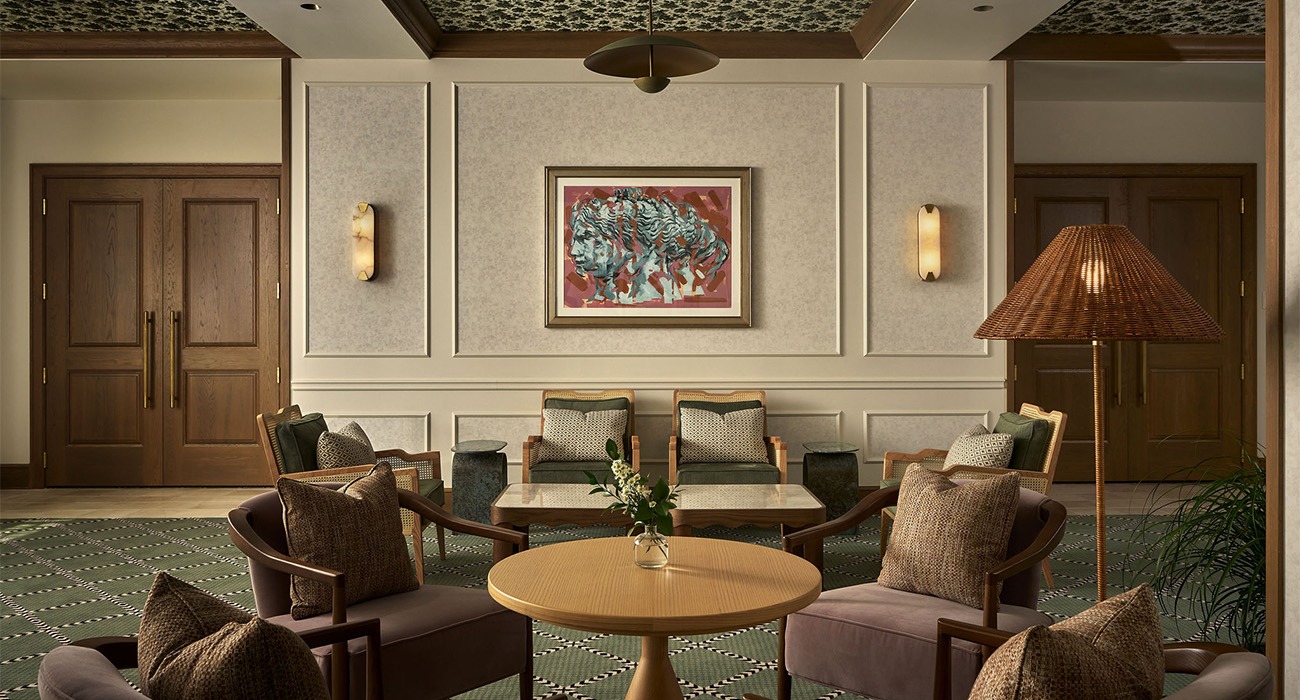
The latest addition is a 36-seat private dining room designed by Stokes Architecture + Design. The room is a tribute to the history of the Du Pont family, featuring original sketches and watercolors by Sophie du Pont. This space is a prime example of "narrative-driven design," where the room itself acts as an archive of the hotel’s long history.
Restoration Efforts
The commitment to authenticity is further reflected in the restoration of the 1913 hand-clipped marble mosaic flooring. These preserved details, complemented by modern touches like ochre velvet chairs and deep green finishes, create a residential, club-like atmosphere. With the 2025 guest room renovations behind them and a major lobby transformation slated for fall 2026, Hotel Du Pont is positioning itself as one of the most significant historic preservation projects in the luxury sector.
Implications for the Industry
The rapid pace of these renovations suggests a broader trend in the hospitality sector: the "experiential arms race." As competition increases, the ability to offer a unique, deeply local, and aesthetically elevated experience is the new baseline.
For the meetings industry, these developments are crucial. Planners are increasingly looking for properties that offer "all-in-one" solutions—where the hotel provides the accommodation, the high-tech meeting space, and the culinary experience all under one roof. The success of the AT&T Center and the Fidelity Hotel proves that when these elements are integrated with thoughtful, localized design, they become far more than just a place to sleep; they become the anchor of the guest experience.
As we look toward the end of 2026, it is clear that the future of hospitality lies in this delicate balancing act. By respecting the structural legacy of the past while aggressively upgrading the technological and service-oriented future, these iconic properties are ensuring their relevance for generations to come. The message to the industry is clear: to survive in a modern, hyper-competitive market, one must not only provide comfort—one must provide a story.