Global Travel Briefing: Tropical Storms, Industrial Action, and Ecological Anomalies

From the storm-lashed coastlines of the Pacific to the bustling terminals of Australia, the global travel landscape is currently navigating a period of significant volatility. As travelers adjust to the realities of a changing climate and shifting labor dynamics, the industry faces a series of multifaceted challenges. This briefing provides a comprehensive analysis of the most critical developments currently impacting travelers worldwide.
1. Meteorological Disruptions: Hawaii and Mexico Under Siege
Nature has once again asserted its dominance over travel logistics, with two major weather systems forcing significant operational changes across the Pacific and Gulf regions.
The Hawaii Situation: Tropical Storm Nolo
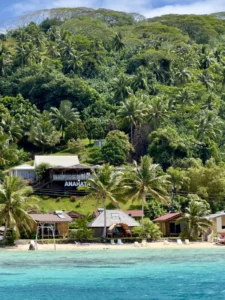
In Hawaii, the Department of Land and Natural Resources (DLNR) has initiated a precautionary lockdown of state parks, forests, and public trails. Triggered by the approach of Tropical Storm Nolo, these closures began on September 24, starting on Hawaii Island before expanding to Maui and Molokai.
Chronology of Events:
- Sept 23: Initial bulletins released by the DLNR announcing the suspension of camping permits.
- Sept 24: Official closures commence on Hawaii Island.
- Sept 25: Expansion of closures to include Maui and Molokai.
The implications for tourists are severe, with the department confirming that all state park and forest camping permits are suspended until further notice. Officials emphasize that safety is the primary driver, noting that reopening will only occur after a thorough assessment of infrastructure integrity once the storm passes. Affected travelers are advised that refunds for cancelled nights are being processed, though the uncertainty of the storm’s path leaves many itineraries in limbo.
The Mexican Coast: Hurricane Polo
Simultaneously, the southwestern coast of Mexico is grappling with the aftermath of Hurricane Polo. Having reached Category 5 status, the storm recently weakened to a Category 4. As of the latest reporting from the National Hurricane Center, Polo carries maximum sustained winds of 155 mph.
While the storm has begun its trajectory away from the immediate coastline, the residual effects remain a high-priority concern. A Tropical Storm Warning is currently active for the stretch between Tecpan de Galeana and Manzanillo. Forecasters warn that the storm is generating hazardous surf conditions and dangerous rip currents, compounded by anticipated rainfall totals of 4 to 6 inches—with isolated areas potentially seeing up to 8 inches. The risk of life-threatening flooding and mudslides persists, prompting local authorities to urge caution among coastal residents and tourists alike.
2. Infrastructure and Labor: The Strain on Aviation
The aviation sector is currently facing a "double-front" struggle: labor disputes impacting daily operations and aging infrastructure failing to meet modern demands.
Sydney Airport: Labor Strikes
Travelers passing through Sydney Airport are facing significant delays due to ongoing labor actions. Approximately 400 security staff employed by Certis Security engaged in a two-hour walk-off on Thursday, protesting stalled wage negotiations. The industrial action is not a one-off event; a secondary two-hour stoppage was scheduled for the same evening, with a more disruptive three-hour strike planned for Monday—coinciding with the start of the New South Wales school holidays.
Supporting Data:
- 400: Number of security staff involved in the Certis Security strike.
- 24-hour: Duration of the concurrent strike by Qantas freight subsidiary employees.
- Locations affected: Sydney, Adelaide, Brisbane, and Perth.
Qantas has issued statements claiming that contingency plans are in place to mitigate the impact on passengers. However, the complexity of these overlapping disputes—covering wages, rostering, and job security—suggests that travelers should prepare for a period of instability. Airport authorities have issued a stark warning: arrive early, remain flexible, and monitor airline communications closely.
The FAA’s Technology Crisis
In the United States, the vulnerability of the National Airspace System has been thrust into the spotlight following a cascade of failures in the Northeast. A malfunction at an air traffic control facility in Philadelphia, combined with a severed fiber-optic cable in New Jersey, brought air traffic to a virtual standstill, resulting in thousands of cancellations and delays.
Implications of Aging Tech:
The root cause of these disruptions lies in the FAA’s reliance on legacy systems. Some critical infrastructure still operates on analog technology and computers that have been obsolete for decades. In some instances, the agency has resorted to sourcing replacement parts from secondary markets like eBay or utilizing 3D-printing technology to replicate components no longer in production.
While Congress has greenlit $12.5 billion for modernization, Transportation Secretary Sean Duffy is currently lobbying for an additional $30 billion to accelerate the overhaul. Experts warn that until this transition is complete, the risk of similar outages remains an inherent feature of the current system.
3. Ecological Anomalies: Spiders and Sea Life
Travelers are encountering unexpected biological phenomena that underscore the unpredictable nature of our environment.
The Galveston "Spider Event"
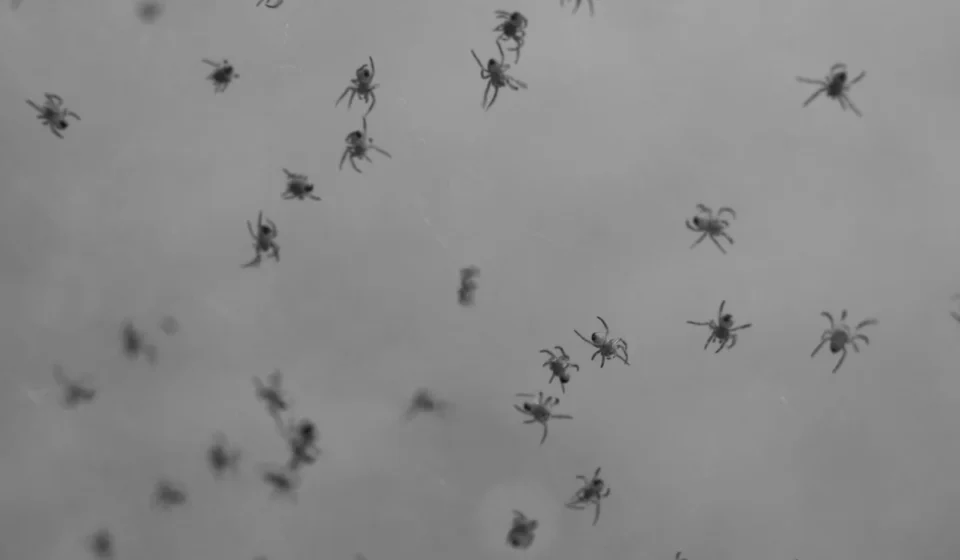
An unsettling incident at the Royal Caribbean Cruise Terminal 10 in Galveston, Texas, has gone viral. Two passengers returning from a Caribbean cruise discovered their vehicle completely covered in hundreds of baby spiders.
While the imagery is undoubtedly the stuff of nightmares for some, biologists explain this as a natural phenomenon known as "ballooning." During this stage of their lifecycle, young spiders release silk threads that catch the wind, allowing them to disperse over long distances. It is not uncommon for large groups of these arachnids to land simultaneously on outdoor surfaces, including parked vehicles. Despite the unsettling nature of the event, there is no underlying danger to the public, though it serves as a stark reminder of the wild nature of the Gulf Coast.
El Niño and Marine Life in California
Southern California is experiencing a rare surge in marine biodiversity, attributed to the warming waters of an El Niño event. This shift has brought several "visitor" species to northern latitudes where they are rarely observed.
Key Marine Sightings:
- Olive Ridley Sea Turtle: A historic first, with a nesting event recorded near Seal Beach.
- Whale Shark: Sighted near the Channel Islands.
- Longfinned Bigeye: The first recorded appearance of this species in California waters.
While the presence of these species is a marvel for nature enthusiasts, it carries significant environmental implications. Scientists are expressing concern that these warmer waters could stress native ecosystems, encourage toxic algal blooms, and lead to the stranding of marine mammals. The National Oceanic and Atmospheric Administration (NOAA) is urging the public to maintain a respectful distance from any stranded or sick marine life and to report such incidents immediately by calling (866) 767-6114.
Final Thoughts for the Traveler
The current global climate—both meteorological and industrial—demands a higher degree of vigilance from the modern traveler. Whether it is monitoring weather warnings before departing for the Pacific, checking airline notifications for potential strike-related delays in Australia, or simply maintaining a respectful distance from unusual wildlife in coastal regions, preparation remains the most effective tool for navigating these challenges.
As the aviation industry continues to grapple with the modernization of its foundational infrastructure, passengers should continue to build extra "buffer time" into their travel itineraries. The world remains an endlessly fascinating place, but one that currently requires a cautious and well-informed approach to navigation.