Weaving Time and Negative Space: How Lexar and Leica Brought Suzhou’s Ancient Kesi Art to Amsterdam

Main Facts
In an era dominated by hyper-speed digital consumption, a rare intersection of ancient heritage and modern analog photography recently took center stage at the Leica Gallery in Amsterdam. The exhibition, which concluded its run to critical acclaim, explored the delicate art of kesi—an extraordinarily intricate, centuries-old Chinese silk tapestry technique—through the lens of award-winning photographer Jing Huang.
Commissioned through a unique cultural partnership between memory solutions giant Lexar and iconic camera manufacturer Leica, the project documents the painstaking labor of Jingwei, a young master artisan from Suzhou. Jingwei is one of only eight individuals officially recognized in modern China as a master inheritor of the traditional kesi weaving technique, an art form that reached its golden age during the Song Dynasty in the twelfth century.
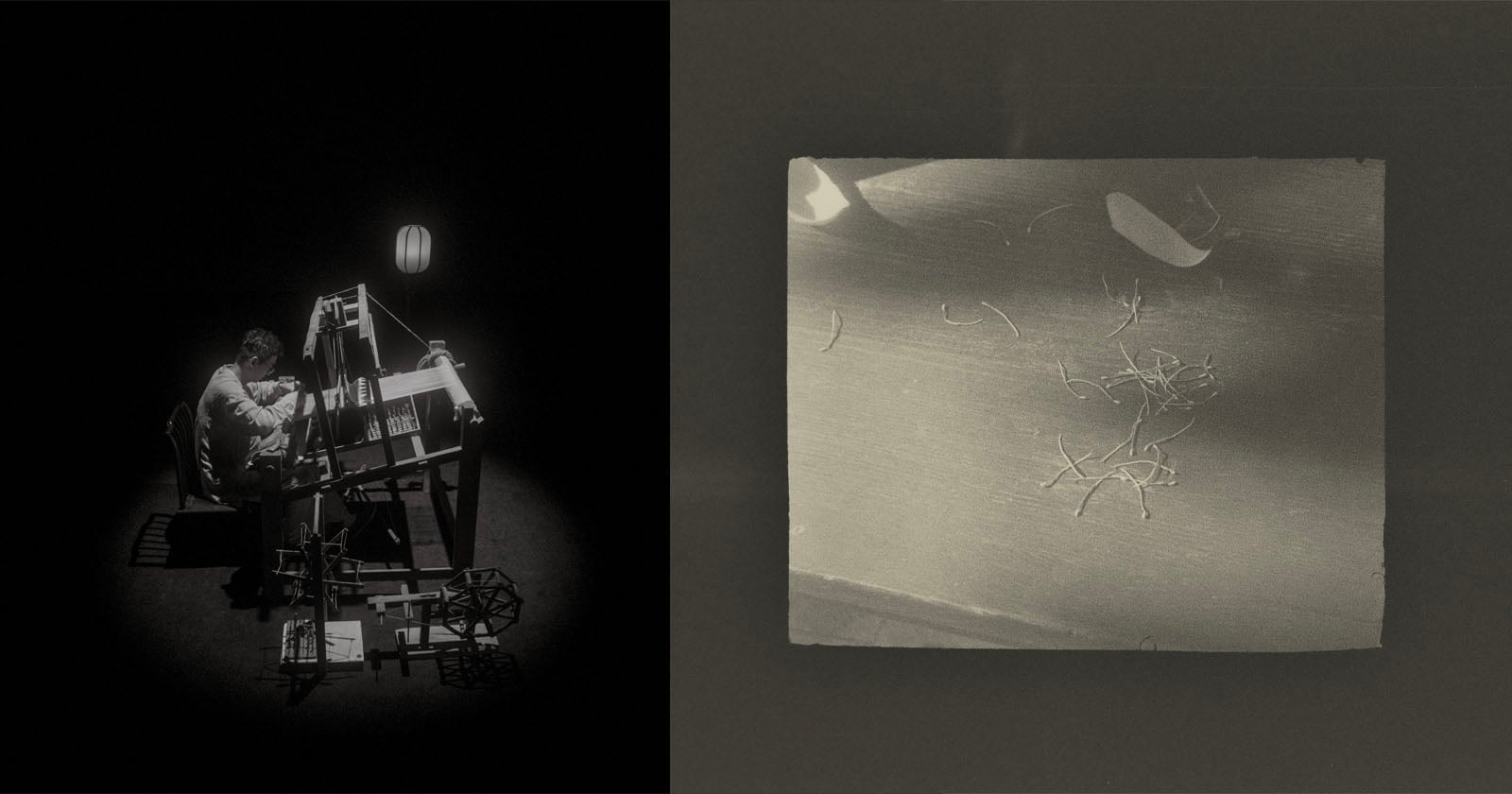
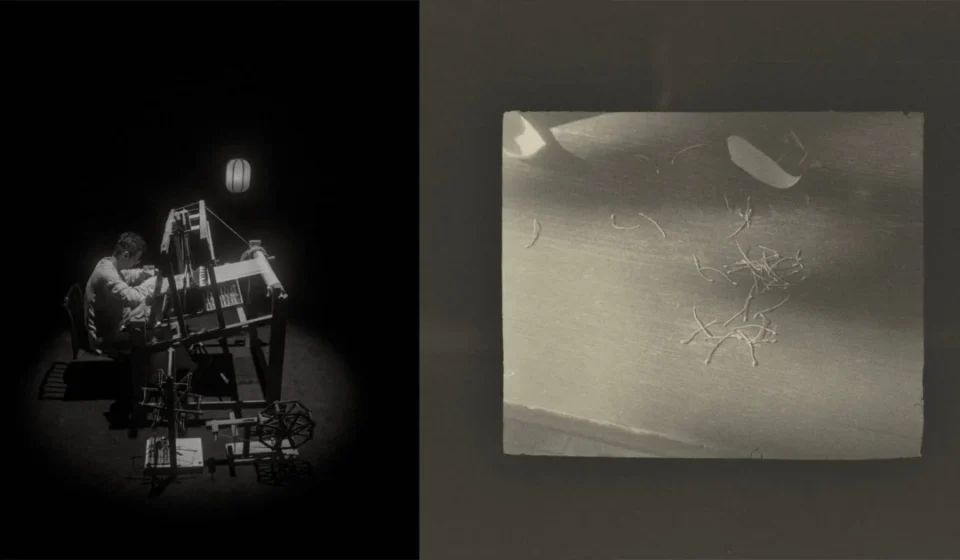
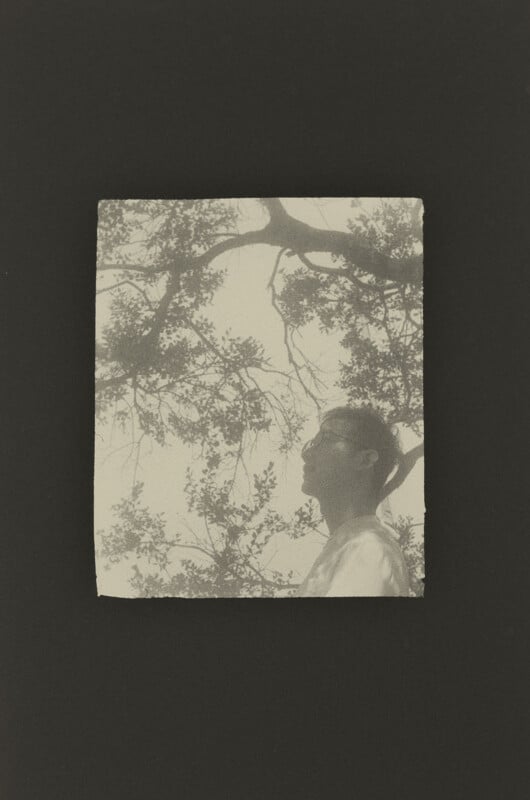
Rather than relying on modern digital cameras, Huang utilized an analog Leica SLR and 35mm film to capture the artisan’s world. Known for his minimalist style that emphasizes negative space and the margins of subjects, Huang’s photographs create a quiet dialogue with Jingwei’s meticulous craft. The resulting exhibition bridges two distinct artistic mediums: photography, which typically freezes a fraction of a second in time, and kesi weaving, which builds an image over weeks and months through the deliberate interlacing of warp and weft.
Chronology of an Artistic Collaboration
The genesis of this cross-disciplinary project traces back to a shared vision between corporate patrons of the arts and artists dedicated to preservation.
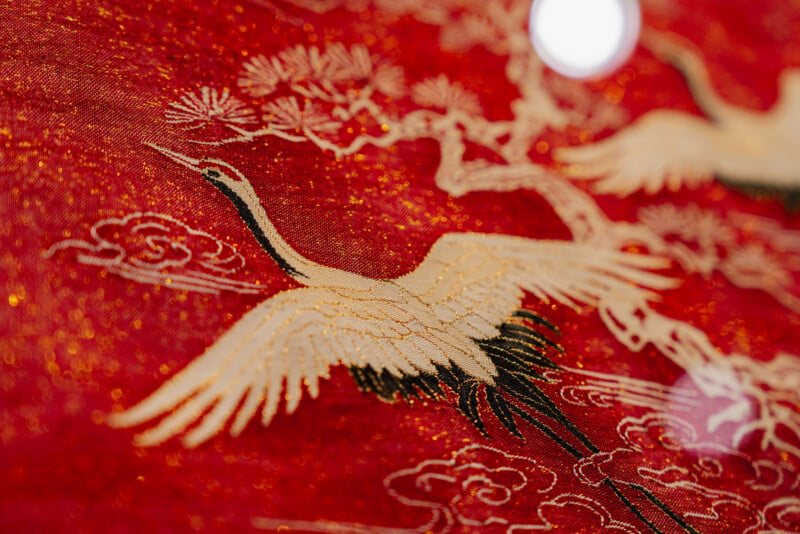
- The Historical Roots (12th Century): The kesi (pronounced kooh-su) weaving technique reaches its artistic peak during the Song Dynasty, celebrated for its "carved silk" appearance, which is achieved by cutting individual colored threads to create painterly gradients without floating threads on the reverse side.
- The Modern Revival: Generations later, the tradition faces near-extinction, with only eight officially designated master inheritors remaining in contemporary China. Among them is Jingwei, based in Suzhou, who continues to practice the slow, methodical craft section by section.
- The Commission: Seeking to document endangered intangible cultural heritage through a distinct artistic perspective, Leica and Lexar join forces to commission photographer Jing Huang, whose work heavily draws on traditional Chinese ink painting aesthetics and small-format compositions.
- The Fieldwork: Huang travels to Suzhou to spend intensive time with Jingwei. Operating entirely on vintage analog equipment, Huang avoids straightforward documentary photography, opting instead to build an empathic visual conversation with the weaver.
- The Exhibition: The finished body of work—pairing Huang’s atmospheric, sepia-toned, and high-contrast silver halide prints with Jingwei’s physical textile pieces—is installed at Leica Gallery Amsterdam, drawing international attention before concluding its run.
Supporting Data & Cultural Context
To understand the weight of the Lexar-Leica exhibition, one must examine the extreme rarity and technical demands of kesi weaving alongside the distinct philosophy of Jing Huang’s photography.
The Mathematics of Kesi
Unlike standard tapestry weaving where weft threads run continuously from edge to edge, kesi employs a "cut-silk" technique (tianjing tongfeng). Artisans use small shuttles to pack colored silk threads back and forth only where a specific color is required. This leaves tiny gaps or "slits" between color changes, giving the motifs a sharp, carved definition when held up to the light. A single square foot of high-grade kesi can take months, sometimes over a year, to complete. Today, preserving this skill is considered a matter of urgent cultural preservation.
Huang’s Aesthetic Framework
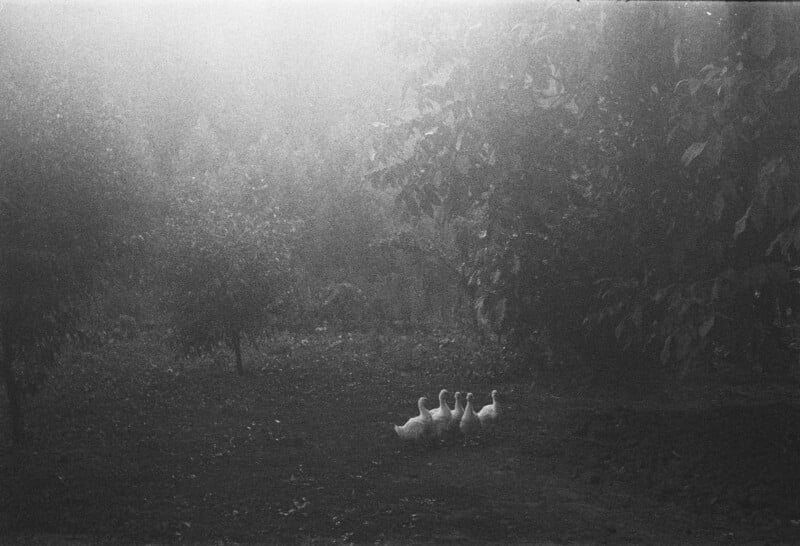
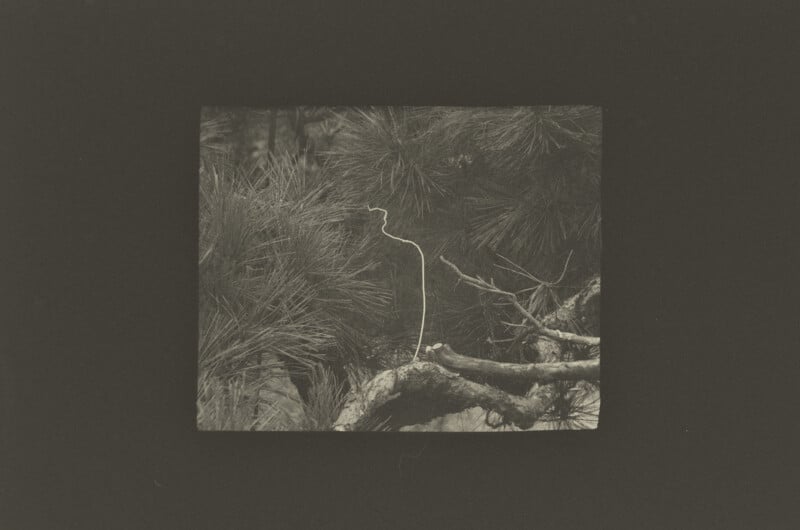
Jing Huang’s photography diverges sharply from commercial photojournalism. Heavily influenced by traditional Chinese landscape and ink painting, Huang prioritizes stillness, restraint, and balance. His images frequently focus on edge details—misted fields, isolated shadows, rippling water surfaces, and the structural silhouettes of branches.
+-------------------------------------------------------------------------+
|                        PARALLEL CREATIVE PILLARS                        |
+---------------------------+---------------------------------------------+
| Kesi Weaving              | Analog Photography                          |
+---------------------------+---------------------------------------------+
| Governed by warp and weft | Governed by silver halide chemistry         |
| Built slowly over months  | Captured in fractions of a second           |
| Relies on spatial density | Relies on negative space & framing          |
| Emphasizes physical touch | Emphasizes visual restraint & empathy       |
+---------------------------+---------------------------------------------+
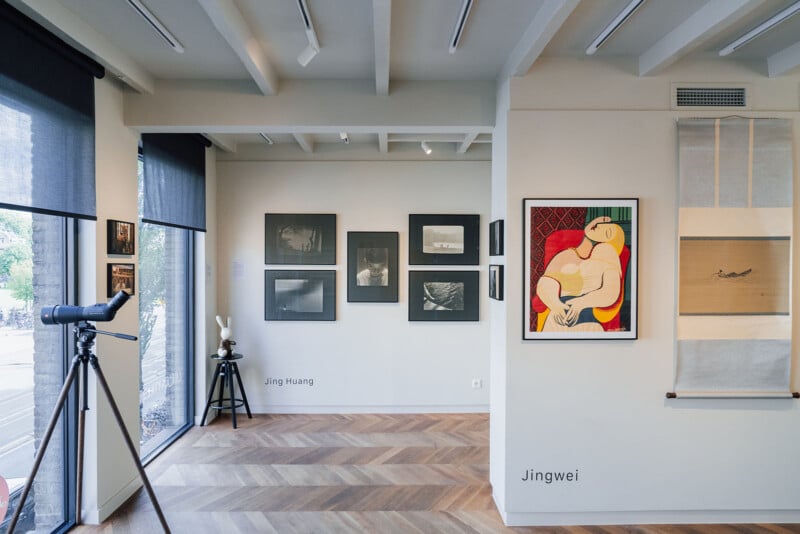
As demonstrated in the exhibition layout in Amsterdam, Huang’s textured silver halide prints were displayed in direct conversation with Jingwei’s framed hanging scrolls and physical yarn scraps, creating a unified sensory experience for gallery visitors.
Official Responses and Perspectives
The collaboration drew enthusiastic commentary from curators, corporate sponsors, and the artists themselves, highlighting the philosophical ties binding storage technology, analog cameras, and ancient handcrafts.
Linda Warmerdam, manager and curator of Leica Gallery Amsterdam, emphasized the interactive nature of the display:
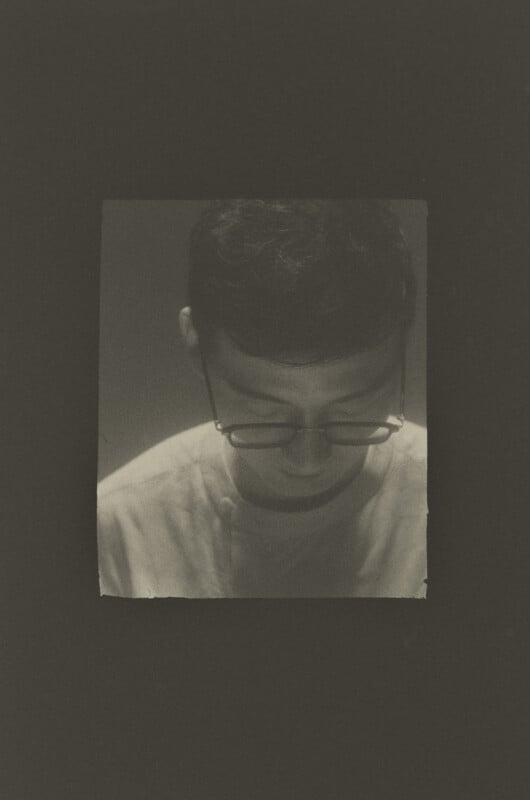
"What makes this project meaningful is the dialogue between the photographer’s eye and the artisan’s hand," Warmerdam noted following the exhibition’s conclusion. "Through photography, audiences can encounter Suzhou kesi not only as a heritage object, but as a living process shaped by time, patience, and human presence."
Artisan Jingwei reflected on the shared boundaries inherent in both photography and weaving:
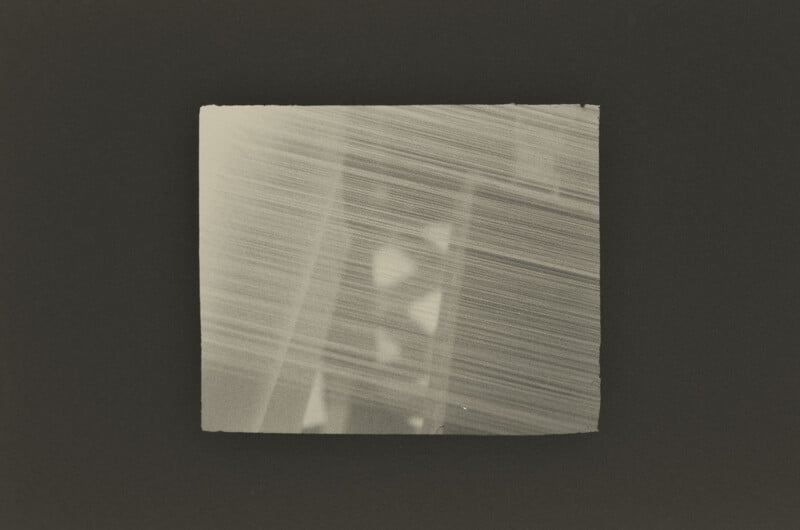
"What moves me most about kesi is its restraint," said Jingwei. "It is not a free gesture. It is created within the order of warp and weft, built slowly through time, patience, and the experience of the hand."
Photographer Jing Huang elaborated on his philosophical approach to the camera:
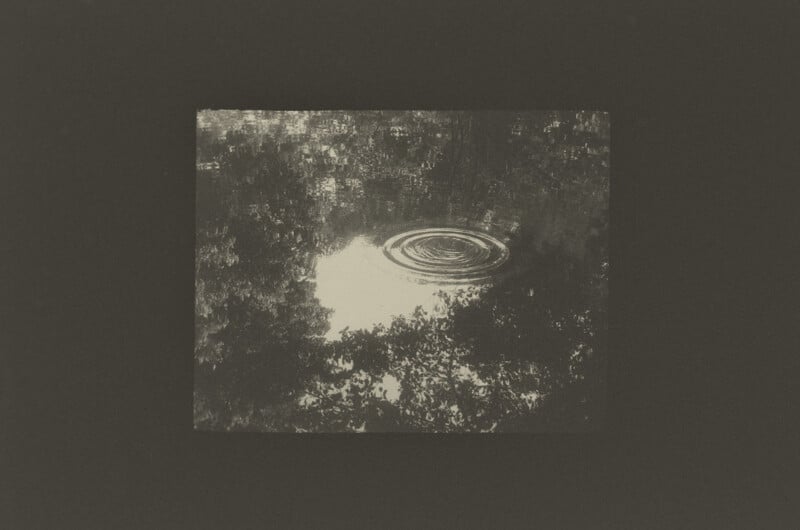
"For me, photography is not only about recording time," Huang explained. "Sometimes it is about forgetting time. What stays in an image is not simply when or where it was taken, but whether it carries a sense of beauty that can still be felt beyond that moment."
Grace Su, General Manager of Lexar EU—representing the Shenzhen-based memory solutions firm that supported the showcase—addressed the apparent paradox of a tech brand backing an analog art project:
"Lexar has always been close to the creative process—photographers, filmmakers, and creators rely on storage to protect work that often cannot be recreated," Su told PetaPixel. "Kesi builds an image over time, while photography often captures one in a fraction of a second. But both depend on the same thing: a creator deciding what is worth seeing, and how it should be remembered."
Implications for Heritage Preservation and Corporate Art Patronage
The success of the Lexar-Leica-Huang-Jingwei collaboration points to shifting paradigms in how endangered global arts are documented and sustained in the 21st century.
1. The Intersection of Tech and Tradition
Technology corporations are increasingly looking beyond traditional product marketing to fund cultural heritage projects. By aligning high-performance digital memory solutions (Lexar) and precision optical engineering (Leica) with a craft that relies on zero digital infrastructure, the sponsors successfully positioned their brands as stewards of human memory and timeless craft.
2. Moving Beyond Passive Documentation
Traditional ethnographic documentation often treats vanishing crafts like museum artifacts—lifeless items placed behind glass for academic study. By injecting an interpretive artistic lens (Huang’s minimalist analog photography), the project elevates the process of making over the final product. Viewers are forced to contemplate the psychological state of the maker, the weight of silence, and the value of labor in an automated world.
3. Raising Global Awareness for Intangible Heritage
With only eight master weavers remaining, Suzhou kesi faces a perilous future against industrial textile manufacturing. Exhibitions hosted in prominent European cultural hubs like Amsterdam introduce these hyper-localized Chinese traditions to Western audiences, creating international demand, scholarly interest, and institutional recognition that can help secure government and private funding for apprentice training programs in China.
Ultimately, the exhibition at Leica Gallery Amsterdam demonstrated that whether constructing a textile masterpiece thread by thread on a wooden loom or exposing silver grains on 35mm film, the human impulse to capture beauty against the relentless march of time remains unchanged.
Related posts: