Marvel’s Wolverine Review: A Visceral, Yet Restrained, Adamantium-Clad Adventure

By [Your Name/Staff], Creative Bloq
Insomniac Games has carved out a reputation as the gold standard for superhero adaptations, having redefined the genre with the Marvel’s Spider-Man series. However, with the release of Marvel’s Wolverine on PlayStation 5, the studio faces a different challenge: capturing the raw, unhinged, and often repetitive nature of Logan. The result is a game that is visually breathtaking and narratively compelling, yet one that frequently feels shackled by a desire for mass-market accessibility, resulting in a combat loop that lacks the depth one might expect from the world’s most dangerous mutant.
The Core Conflict: Style Over Substance
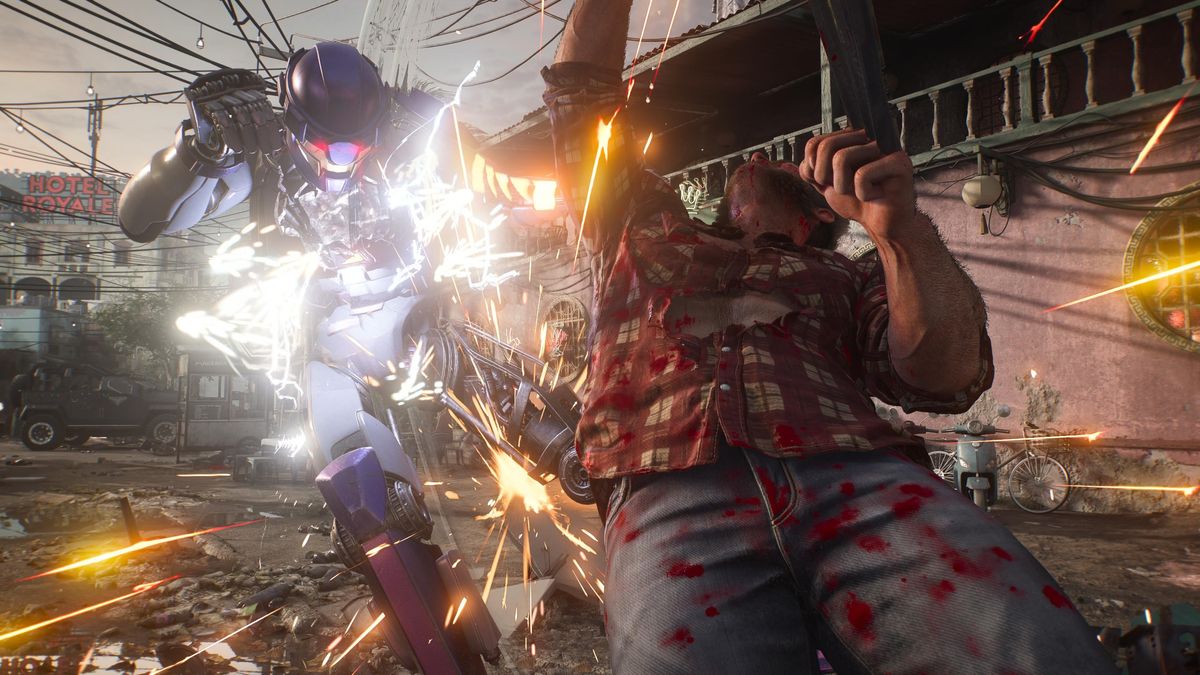
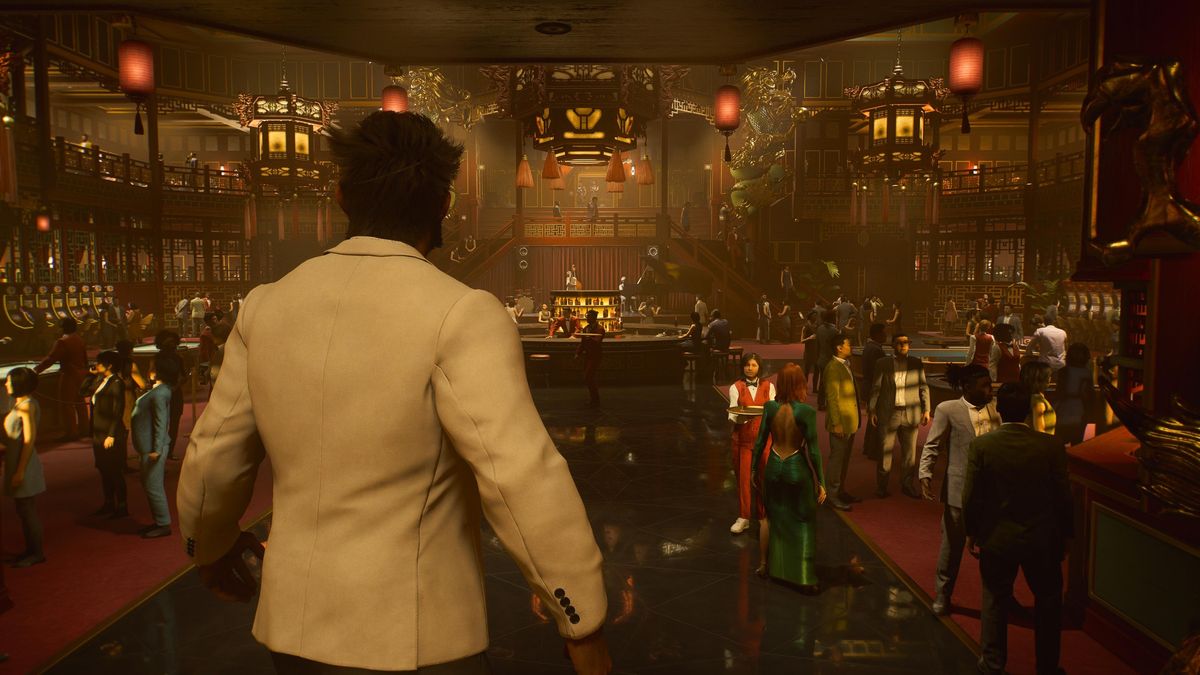
From the opening moments, Marvel’s Wolverine is undeniably a treat for the eyes. The attention to detail in character models, the atmospheric rendering of locales ranging from the snow-swept wilderness of Canada to the neon-drenched alleys of Madripoor, is nothing short of masterful. Yet, three hours into the experience, a peculiar design choice becomes impossible to ignore: the growling.
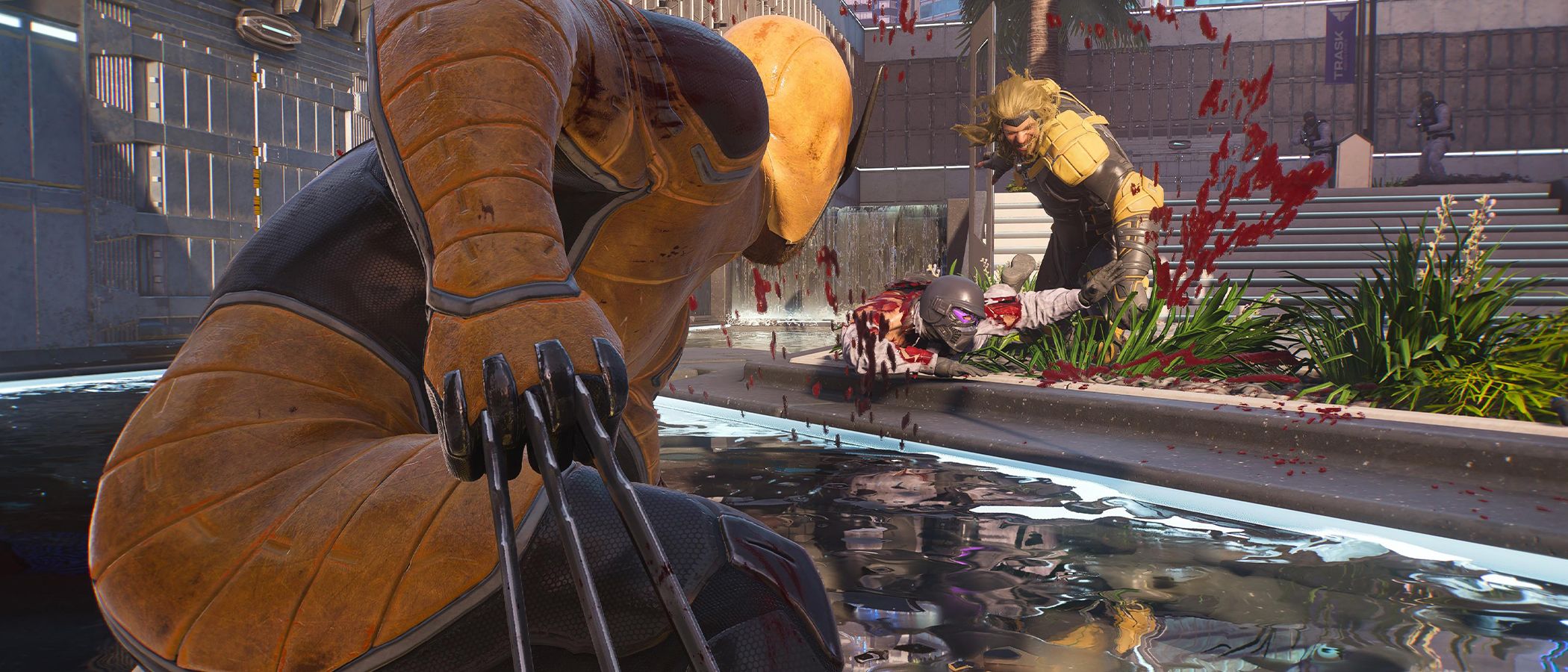
Logan, voiced with absolute commitment by Liam McIntyre, growls when he is angry, hurt, aggressive, or seemingly just because the script calls for it. While this serves as a character beat initially, it eventually devolves into a repetitive sonic tick. This "growl" mirrors the gameplay itself—a relentless, singular note that threatens to undermine the sophisticated world-building Insomniac has worked so hard to establish. There is a far more nuanced, multi-dimensional Wolverine buried beneath the surface, but the game takes a full 14 hours to truly unearth him, and by then, the core combat mechanics have long since plateaued.
A Chronology of the Hunt
The narrative premise is refreshingly focused. Set three years after Logan’s departure from the infamous Team X, the story pulls him back into the fold alongside iconic mutants Mystique and Sabretooth. The catalyst is Bolivar Trask, a billionaire whose vision for human superiority serves as the perfect foil for our protagonist.
- The Early Act: The game moves away from the "New York as a playground" trope, opting for a linear, corridor-to-arena structure. Players are tasked with sniffing out leads and tracking scents, which effectively uses the DualSense controller to create a tactile sense of investigation.
- The Mid-Game: As the scope expands to Japan and Madripoor, the narrative stakes rise. The inclusion of Jean Grey adds much-needed emotional weight, providing the warmth and moral grounding that the perpetually furious Logan often lacks.
- The Finale: The game’s conclusion offers a satisfying, albeit predictable, resolution. While the story is arguably the best reason to push through the repetition, it does not fully compensate for the stagnation of the mechanical loop.
Supporting Data: The Mechanics of Violence
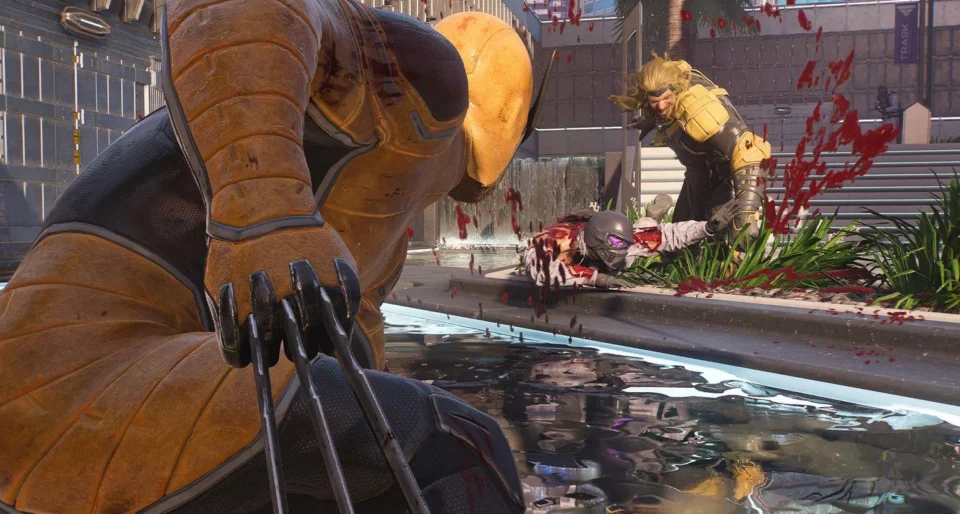
When the combat in Marvel’s Wolverine works, it is a visceral masterpiece. The animation team deserves immense credit for selling Logan’s physicality; he is heavy, messy, and leaves a trail of environmental destruction in his wake. Launching claws-first into an enemy, tearing through furniture, and feeling the impact of every strike is exactly the "unhinged" experience fans were promised.

However, the disparity between how the combat looks and how it plays is stark. On paper, the system is robust:
- The Arsenal: Basic attacks, parries, and dodges are supplemented by "Special Techniques" like the Tornado Spin and Knee Breaker.
- Rage System: A three-tiered meter that allows for critical hits.
- Adaptation System: An upgrade tree that allows for minor adjustments to health, parry windows, and ability cooldowns.
Despite these layers, the actual gameplay loop often devolves into a "wait-parry-strike" rhythm. The camera, while cinematic, often struggles to keep pace with the frantic movement, and the depth promised by the skill trees never truly manifests into the build-crafting complexity found in genre-defining titles like Ninja Gaiden or Hi-Fi Rush.
The "Sony Formula" and Its Discontents
Marvel’s Wolverine is perhaps the most glaring example of the "Sony formula" pressing against its own boundaries. While Spider-Man flourished due to the sheer joy of traversal and God of War succeeded through the interplay of puzzles, exploration, and combat, Wolverine relies almost entirely on its brawling mechanics. When those mechanics lack variety, the game struggles to maintain momentum.
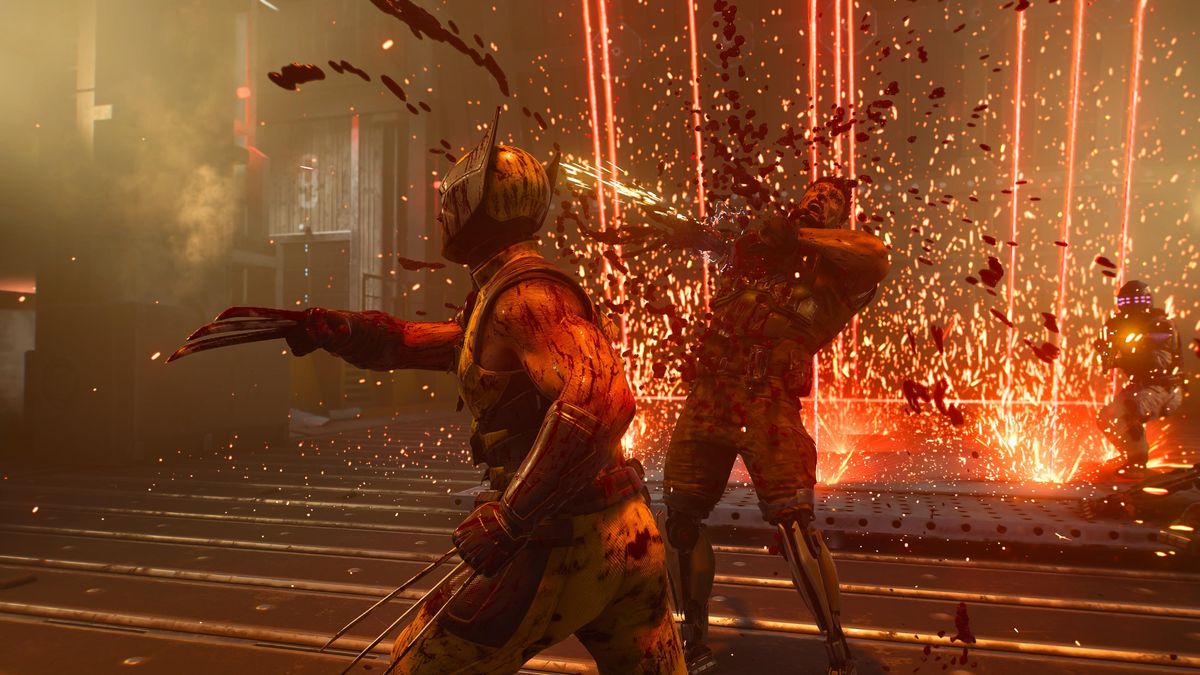
Furthermore, for the first time in an Insomniac title, technical imperfections break the illusion of the spectacle. Players may encounter floating NPCs, enemies trapped within environmental geometry, and AI stutters that feel jarring in a high-budget production. These bugs, combined with a "leash" that prevents players from exploring off the beaten path, create a feeling of confinement that contradicts the untamed nature of the character.
Official Responses and Industry Context
While Insomniac Games has not issued a formal statement regarding the combat simplicity, it is clear from the design that the studio prioritized "broad accessibility." The goal was to create a cinematic experience that any fan of the Marvel films could pick up and play.
Industry analysts suggest this is a strategic move to ensure the game remains palatable to a wide audience. However, critics argue that by prioritizing accessibility over mechanical depth, the game loses the "bite" that makes Wolverine such a compelling character. The collectible costumes and claw variants, while beautifully rendered, act as purely cosmetic fan service, failing to provide the gameplay variance that long-term players crave.
Implications for the Future
The implications for the future of the Marvel gaming franchise are significant. Wolverine proves that Insomniac is capable of crafting a top-tier narrative with high emotional stakes, but it also serves as a warning: spectacle alone is not enough to sustain a 14-hour experience.
If future installments or character-driven titles are to succeed, developers must find a balance between the cinematic polish that Sony is known for and the mechanical agency that makes action games truly rewarding. Marvel’s Wolverine is a game that teeters on the edge of greatness. It has the visual fidelity, the character depth, and the emotional resonance of a classic. Yet, by playing it too safe, it settles for being merely "solid" rather than iconic.
Conclusion: Is It Worth Your Time?
Marvel’s Wolverine is a game of two halves. There are flashes of brilliance—moments where the environment, the story, and the combat converge to deliver a truly singular experience. The relationships between Logan, Jean, and their adversaries are handled with care, elevating the game above a standard licensed brawler.
However, it is a game that lacks the courage to let go of the leash. For players looking for a cinematic, story-driven romp with high production values, Marvel’s Wolverine will satisfy. For those looking for a combat system that challenges and evolves with the player, the "growl-hit-growl" loop will eventually wear thin. It is, at its heart, a beautiful, high-budget, but ultimately narrow-in-scope adventure that leaves you wishing for just a little more edge.
Why you can trust Creative Bloq:
Our expert reviewers spend dozens of hours testing and comparing titles, hardware, and creative software. We evaluate everything from narrative pacing and mechanical depth to technical stability, ensuring that our recommendations help you make the best decision for your time and budget.