
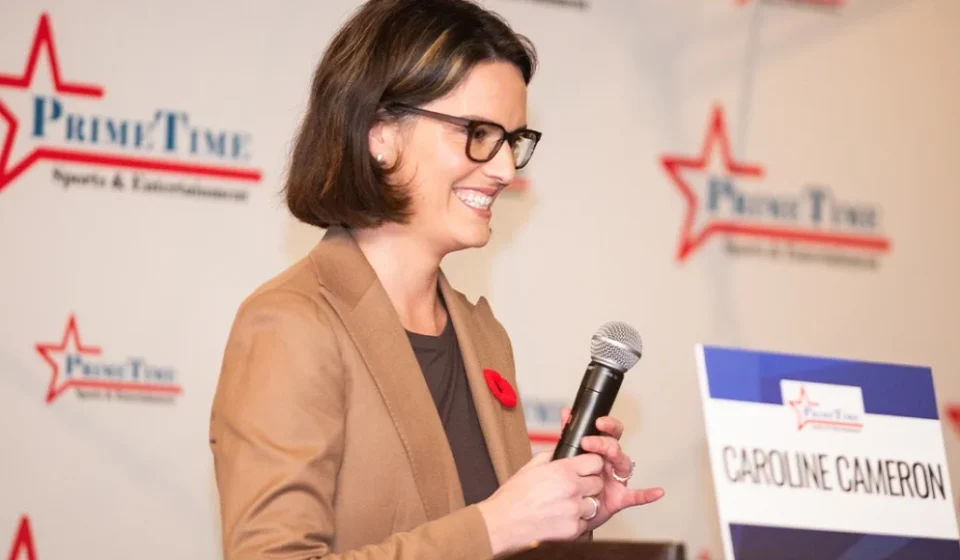
The Evolution of the Game: PrimeTime Sports Management Conference Returns for its 19th Year in Toronto

By [Your Name/Journalistic Staff]
As the global sports landscape undergoes a seismic shift driven by technological disruption, shifting fan demographics, and the increasing integration of data analytics, the industry’s most prominent voices are preparing to converge in Toronto. From November 12 to 14, The Westin Harbour Castle Hotel will once again transform into the epicenter of the North American sports business world, playing host to the 19th annual PrimeTime Sports Management Conference & Trade Show.
For nearly two decades, this event has served as the premier "reunion" for the sports industry. With a projected attendance of 550 executives, decision-makers, and high-performance leaders, the conference is not merely a gathering of professionals; it is a vital incubator for the strategies that will define the future of sport.
Main Facts: A Hub for Industry Innovation
The 19th annual edition of the PrimeTime Sports Management Conference stands out as a critical juncture for the industry. Across three intensive days, participants will gain unprecedented access to more than 70 industry speakers, ranging from C-suite executives and high-performance general managers to elite athletes and seasoned broadcasters.
The conference is strategically positioned to bridge the gap between traditional management practices and the modern, data-driven reality of professional leagues. By facilitating a environment where networking is prioritized alongside intellectual discourse, PrimeTime ensures that attendees leave not just with insights, but with the professional capital necessary to navigate an increasingly competitive global market.
The Chronology: From Legacy to Modernity
Since its inception, the PrimeTime Sports Management Conference has evolved alongside the leagues it serves. What began as a modest gathering of industry professionals has expanded into a three-day, multi-track symposium.
- Day 1 (Nov 12): Focuses on foundational industry trends, establishing the current state of professional sports, and setting the stage for the week’s high-level discussions.
- Day 2 (Nov 13): Often considered the "core" of the conference, this day features the integration of business operations and team-side logistics, alongside the launch of the highly anticipated Business Case Competition.
- Day 3 (Nov 14): Dedicated to forward-looking themes, including the debut of AI-centric panels and career development workshops designed for the next generation of industry leaders.
This year, organizers have taken a significant step toward modernizing the event structure. Historically, the conference segregated business-focused panels and team-operations panels into separate days. Recognizing that these two pillars of sports management are now inextricably linked, PrimeTime has consolidated the schedule to ensure a more cohesive and comprehensive experience for all delegates.
Supporting Data: Why This Conference Matters
The strength of PrimeTime lies in its ability to attract "the people behind the curtain." The speaker roster for the 19th annual conference is a testament to the event’s reputation for excellence. Attendees will have the opportunity to engage with:
- Rowan Barrett: General Manager and Executive Vice President of Men’s High Performance for Canada Basketball, whose insights into international competition and talent identification are highly sought after.
- John Chayka: The veteran NHL executive and former GM, known for his pioneering use of analytics in professional hockey.
- Jason Hernandez: General Manager of Toronto FC, representing the rapidly growing footprint of Major League Soccer in Canada.
- Kathleen McGinn: Board Chair for Rugby Canada, offering a perspective on organizational governance and the development of national sport bodies.
Beyond the headliners, the inclusion of an inaugural panel on Artificial Intelligence (AI) highlights the organizers’ commitment to staying ahead of the curve. As AI begins to influence everything from player scouting and injury prevention to fan engagement and ticket pricing, this panel serves as a critical entry point for executives looking to understand the next wave of technological investment.
Official Responses: The Philosophy of Connection
Patrice Whiffen Hunnicutt, Director of Marketing and Events for PrimeTime Sports & Entertainment Inc., emphasizes that while the content is world-class, the primary value proposition remains the human connection.
"Our goal is for everyone to learn from and network with the leaders in sport, and join the conversation of sharing best practices, overcoming challenges and creating meaningful connections for future engagement in the industry," says Hunnicutt. "This event has become an annual reunion of the sports industry, and we hope to continue to see attendees year after year."
Regarding the structural changes implemented for this year’s conference, Hunnicutt highlights a commitment to efficiency and inclusivity. "The goal here was to ensure all delegates can participate and learn from panels catered to their specific roles in sport on both days of the program," she explains. By breaking down the silos between business and operations, the conference aims to provide a more holistic view of the sports ecosystem.
Implications: Shaping the Future Workforce
Perhaps the most enduring legacy of the PrimeTime conference is its investment in the next generation. Through its academic partnerships spanning North America, the conference actively bridges the gap between the classroom and the executive suite.
The Business Case Competition
Twelve teams, each comprised of three to four university students, will face a "real-world" test. These students are presented with a genuine business challenge currently facing a major sports organization. This is not a theoretical exercise; it is an opportunity for students to prove their value to potential employers in real-time.
"This hands-on competition has provided the next generation an opportunity to showcase their critical and creative thinking to industry judges," Hunnicutt notes. "It has resulted in job offers and industry connections built on actionable engagement with a current issue facing our industry."
Careers in Sport Workshop
Complementing the competition is the Careers in Sport Workshop. This session is designed for recent graduates and emerging professionals who are seeking a roadmap in a notoriously difficult industry to break into. The workshop focuses on demystifying career pathways, offering advice on personal branding, and facilitating intimate Q&A sessions with veteran leaders.
The "inclusive environment" mentioned by Hunnicutt is a strategic design choice. By ensuring that junior professionals have the same access to networking opportunities as veteran executives, PrimeTime is helping to democratize entry into the sports world, ensuring that talent—rather than just pedigree—is the primary driver of career progression.
Conclusion: The Path Forward
As the 19th annual PrimeTime Sports Management Conference approaches, the industry is at a crossroads. The convergence of AI, evolving fan expectations, and the increasing globalization of sport requires a new kind of leader—one who is as comfortable with a spreadsheet as they are in the locker room.
By providing a venue that combines deep intellectual engagement with high-stakes professional networking, PrimeTime Sports & Entertainment Inc. has solidified its role as a steward of the industry. Whether it is a student presenting a winning business case to a board of directors, or a veteran GM debating the merits of a new AI scouting algorithm, the conference remains the vital heartbeat of the Canadian sports business scene.
As delegates gather at The Westin Harbour Castle this November, the conversations held in those meeting rooms will likely reverberate throughout the sports world for months, if not years, to come. The future of the game is being written in Toronto, and for those in attendance, the opportunity to be part of that narrative is the ultimate draw.