The Tangible Spell: Why the Hogwarts Acceptance Letter Still Holds Power in a Digital Age

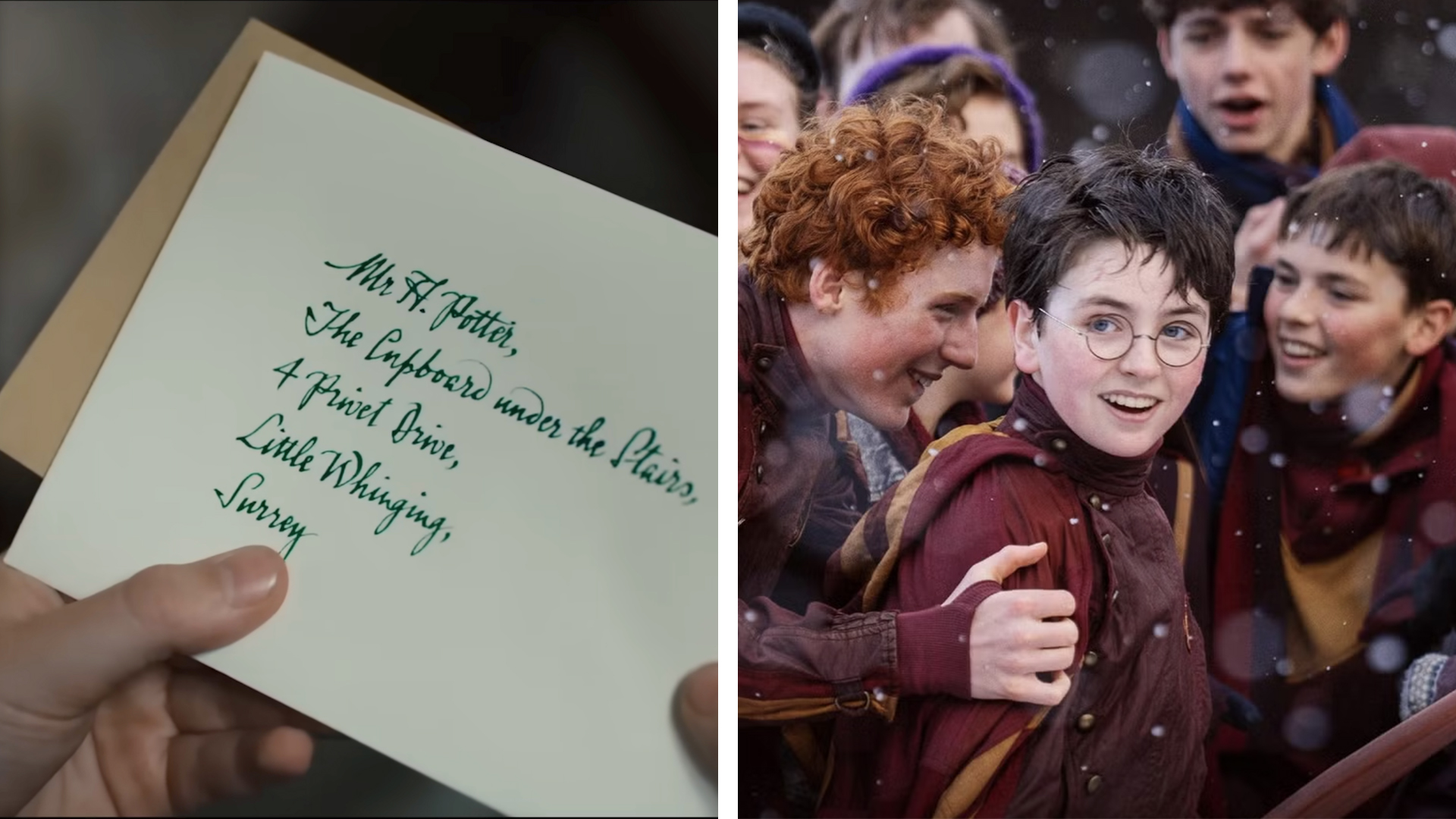
From the iconic chime of the Harry Potter theme to the image of a Golden Snitch mid-flight, the Wizarding World is defined by its enchanting imagery. Yet, among the wands, broomsticks, and magical creatures, one object remains the most resonant, enduring symbol of the franchise: a humble, hand-addressed envelope. Written in emerald ink on heavy parchment and sealed with wax, the Hogwarts acceptance letter addressed to "Mr. H. Potter, The Cupboard Under the Stairs, 4 Privet Drive, Little Whinging, Surrey" is more than a plot device—it is a cultural artifact that continues to captivate new generations.
As we approach the 25th anniversary of the first film’s release, the arrival of a new HBO Harry Potter reboot has reignited global interest in this quintessential moment. Whether it’s the original cinematic version of letters flooding the Dursley fireplace or the fresh, grounded perspective offered in the upcoming series’ trailer—which depicts the letter’s arrival at the Weasleys’ breakfast table—the emotional weight of the letter remains unchanged. But why, in an era of infinite digital connectivity, does a piece of physical mail remain the ultimate symbol of wonder?
A Chronology of the Envelope: From Screen to Reality
The journey of the Hogwarts letter began in 1997 with the publication of Harry Potter and the Philosopher’s Stone. J.K. Rowling’s description of the letter was precise: yellowed parchment, heavy stock, and a distinctive wax seal bearing the Hogwarts crest. When the film adaptation arrived in 2001, the production design team, led by Miraphora Mina and Eduardo Lima, brought this description to life with obsessive detail.
Over the last two decades, the letter has evolved from a movie prop into a universal shorthand for "discovery" and "change." In the early 2000s, the letter represented the start of Harry’s journey from a neglected boy in a cupboard to a hero in a magical society. Today, it serves as a nostalgic touchstone for the millennial generation, while simultaneously functioning as an entry point for Gen Z, who are discovering the story via streaming and social media.
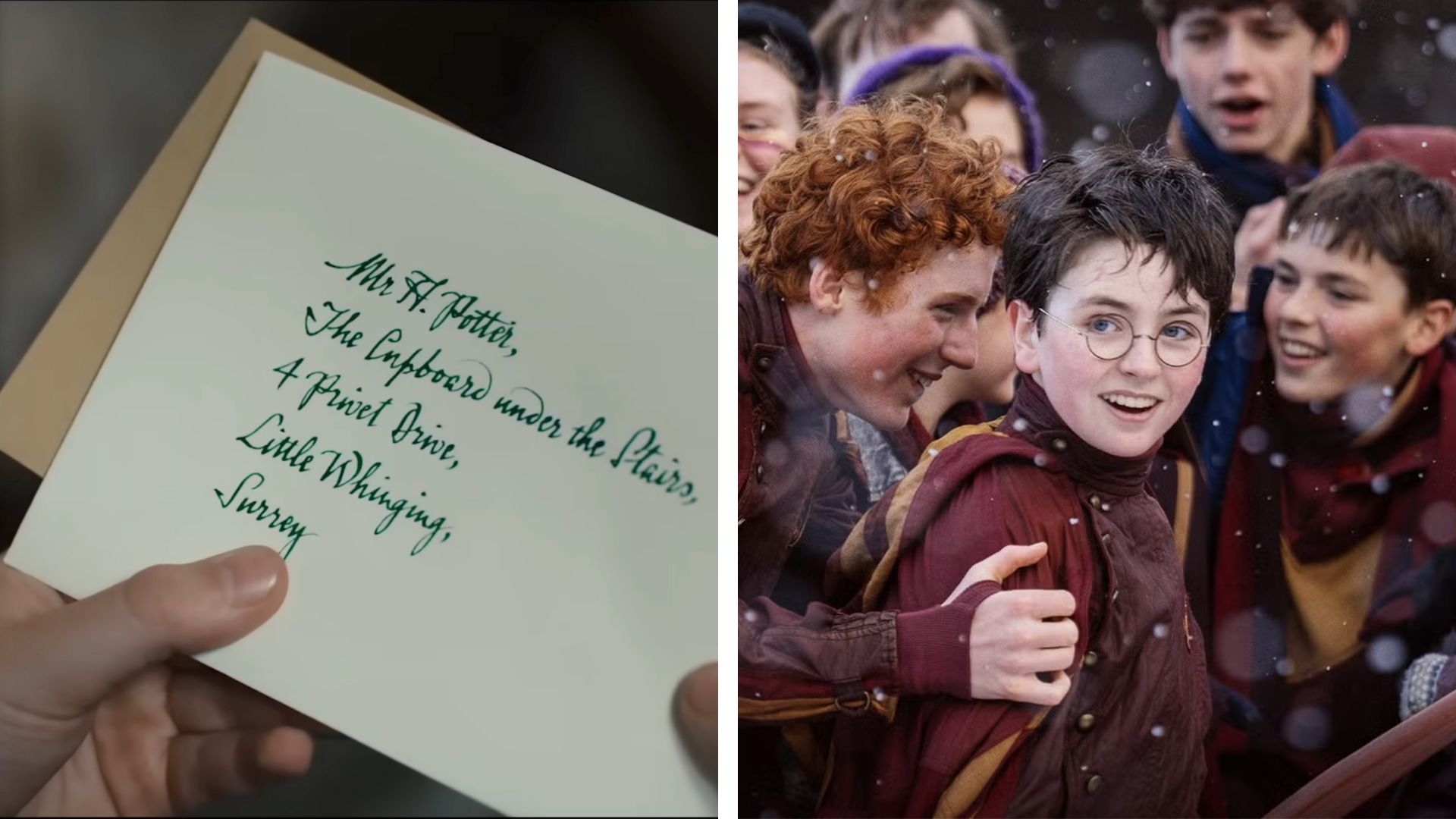
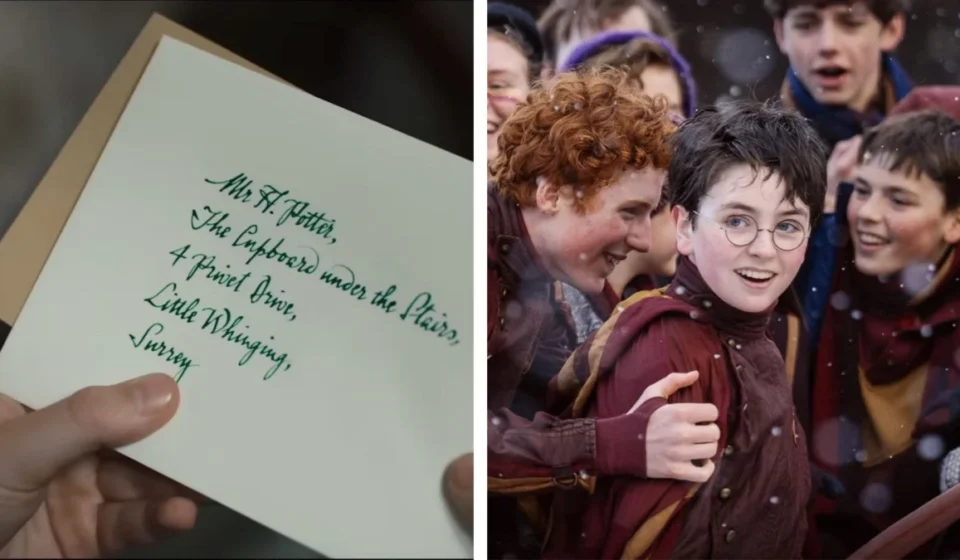
The recent discourse surrounding the upcoming HBO reboot—sparked by side-by-side comparisons of the classic 2001 imagery against new, high-definition promotional material—highlights a collective obsession with the "authenticity" of the object. Fans are not just watching; they are analyzing the texture, the weight, and the way the letter sits on the table, proving that the tangible nature of the prop is as important to the narrative as the characters themselves.
The Sensory Appeal: Why Physical Media is Resurging
The fascination with the Hogwarts letter is not an isolated phenomenon; it is part of a broader, global shift toward physical media. In a digital landscape where every interaction is ephemeral, intangible, and algorithmic, Gen Z is increasingly seeking "tactile anchors."
This trend is mirrored in the resurgence of vinyl records, the sudden spike in CD player sales—with retailers like John Lewis reporting a 96% increase in interest—and the enduring popularity of print books. Recent surveys indicate that 75% of Gen Z readers engage with physical books at least once a month. This is not mere nostalgia; it is a psychological reaction to "screen fatigue."
When we interact with physical objects, we engage our senses. The weight of a letter, the sound of a record needle hitting the groove, or the texture of a book spine provides a sensory feedback loop that digital swiping cannot replicate. This "slow media" movement encourages us to pause, pay attention, and disconnect from the relentless stream of content that defines modern life.
Supporting Data: The Trust Factor
Why is physical mail specifically seeing such a resurgence in effectiveness? The answer lies in the psychology of trust. In the digital world, we are constantly bombarded by ads, suspicious links, and content curated by opaque algorithms. We often don’t know who is behind the screen or if the message is authentic.
By contrast, physical mail is difficult to ignore. According to industry data, 97% of all mail received is engaged with by the recipient. Unlike an email, which can be deleted with a single click, a physical letter demands a moment of physical presence. Furthermore, 71% of consumers report that they trust mail as a communication channel more than any digital alternative.
This trust is being leveraged by brands globally. The latest IPA Bellwether report shows a 3.0% increase in direct marketing investment, making physical mail one of the fastest-growing media channels. Brands are realizing that in a world of infinite digital choice, a piece of mail stands out as a curated, intentional, and high-value experience.
Real-World Case Studies: McDonald’s and Beyond
The appetite for the tangible is being successfully exploited by major corporations. Earlier this year, McDonald’s launched a series of physical trading cards, a move that tapped directly into the consumer desire for tactile, collectible experiences. This strategy proved that physical media doesn’t have to replace digital; it can act as a bridge that creates a deeper, more lasting emotional connection.

This "phygital" approach—blending physical assets with digital reach—is the gold standard for modern marketing. While digital channels provide the reach and the immediacy, physical components provide the staying power. JICMAIL data reveals that the average piece of mail stays in a household for 7.4 days. During that time, it acts as a constant, passive reminder of the message it carries, unlike a digital ad that vanishes as soon as the page is refreshed.
The Immersive Future: From Shop Windows to Diagon Alley
The desire for the physical also extends to spatial experiences. The massive, sustained queues at the "Platform 9 ¾" photo opportunity at King’s Cross station are a testament to the fact that fans do not just want to watch the story—they want to inhabit it.
The imminent opening of a dedicated Harry Potter store on Oxford Street is designed specifically to cater to this need for immersion. By recreating the aesthetic of Diagon Alley, complete with interactive elements and physical goods, the store offers a sensory experience that a screen simply cannot provide. It allows fans to transition from passive viewers to active participants in the Wizarding World.
Implications: The Message is the Medium
What does this mean for the future of marketing and storytelling? The success of the Hogwarts letter as a symbol reveals that the most effective experiences are not necessarily the ones with the most advanced technology. They are the ones that prioritize human connection, tangibility, and the "slow" build-up of anticipation.
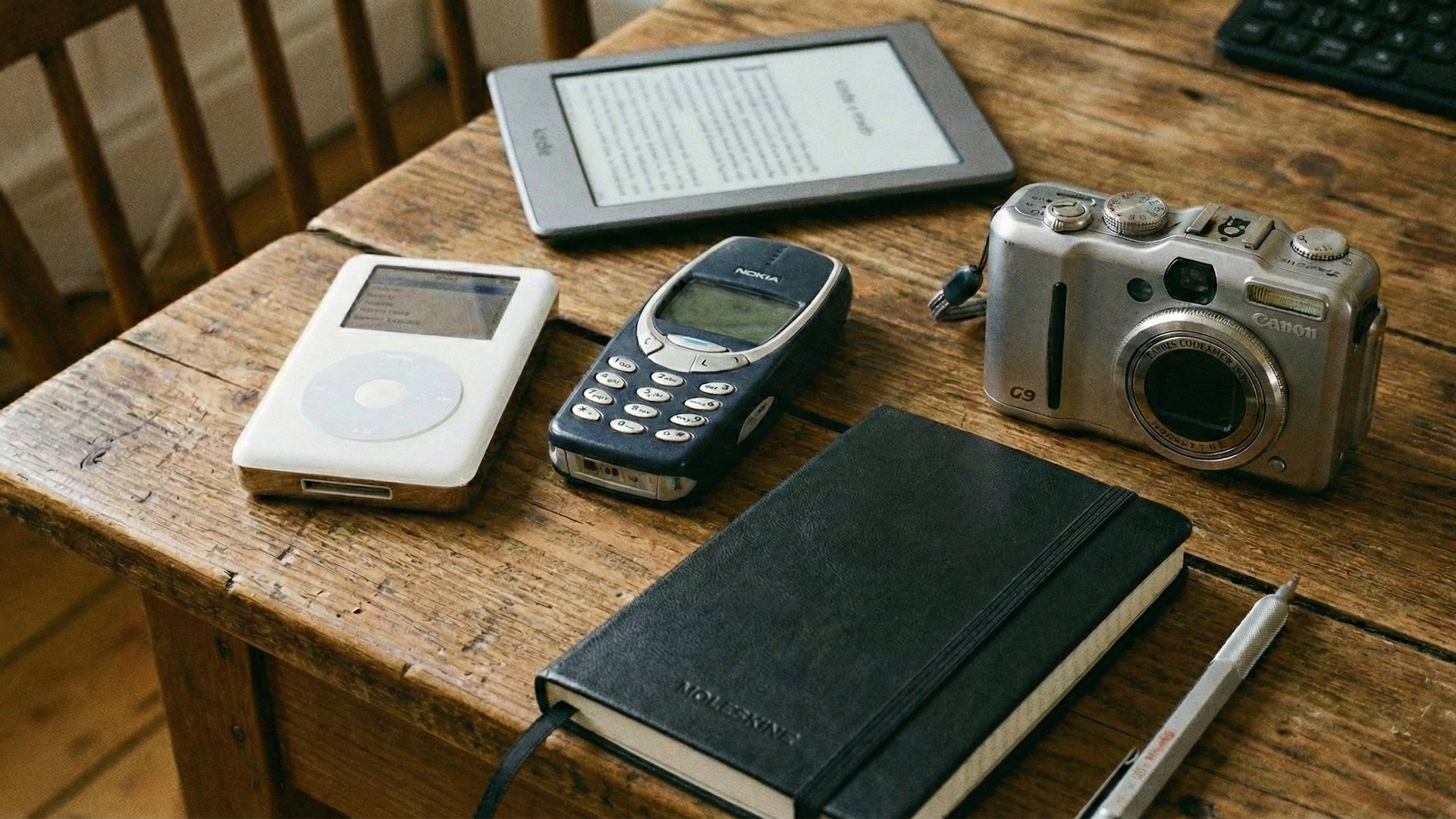
For brands, the lesson is clear: if you want to be remembered, you must offer something that can be touched, held, and kept. Digital channels are excellent for driving interaction, but physical formats are essential for building trust and resonance.
The Hogwarts letter remains a powerful icon because it represents a "call to adventure" that is delivered directly into one’s hands. In a world of fleeting pixels, the weight of that parchment is a reminder that some messages are too important to be sent to a spam folder. As we look toward the future of the Harry Potter franchise and the evolution of consumer behavior, it is evident that the "magic" of the physical object is far from dead. In fact, it is only just beginning to make a comeback, proving that sometimes, the most revolutionary step forward is a return to the tactile, the intentional, and the real.