The Performative Mirage: How Social Media Has Transformed Discovery into Consumption

In the age of the algorithm, the "real picture" is often the one least seen. As we scroll through curated feeds, travel and consumer habits have shifted from authentic experiences to carefully staged, ephemeral performances. Whether it is a sugary beverage at a coffeehouse or a bucket-list trip to a global landmark, the act of "doing" has been eclipsed by the act of "appearing." This shift—driven by the attention economy and the insatiable demand for viral content—has fundamentally altered our relationship with the world, turning exploration into a hollow exercise of clout-chasing.
The Starbucks Phenomenon: A Case Study in Manufactured Hype
The return of the Starbucks Unicorn Frappuccino this past August offers a chilling window into this modern reality. When the coffee giant brought back the neon-hued, hyper-sweet concoction for a limited 48-hour run in North America, it triggered a frenzy. Starbucks reported a record-breaking weekend, with more than 2 million beverages sold.
Yet, the data suggests a disconnect between sales and consumption. Influencers swarmed locations like bees, their phones held aloft to capture the perfect aesthetic shot. Reports quickly surfaced—and were mirrored in viral TikTok commentary—that many of these drinks were never consumed. They were purchased as props, photographed for social media clout, and then unceremoniously dumped into trash cans. This behavior is not an isolated incident; it is a symptom of a culture that treats products as disposable staging elements. From TikTok-famous fries in Amsterdam to viral gelato in Italy, the trend is clear: the utility of the item is irrelevant; its ability to generate engagement is everything.
Chronology of a Cultural Shift: From Discovery to Performance
The evolution of this behavior can be traced back to the democratization of travel and the rise of the smartphone.
- Pre-2010s: Travel was guided by physical guidebooks, word-of-mouth recommendations, and the pursuit of genuine discovery. The "awe" factor was an internal experience.
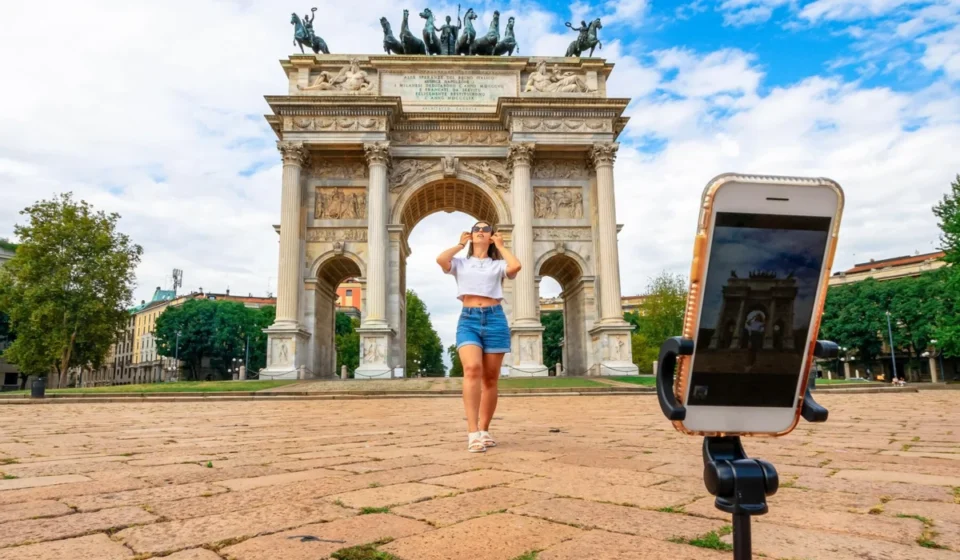
- 2010–2017: The rise of Instagram and the "influencer" economy began to shift the power dynamic. Destinations like Bali, Tulum, and Santorini became "Instagrammable" hotspots, where the goal was to visit locations that guaranteed a specific aesthetic return.
- 2017–Present: The "Unicorn Frappuccino" era signaled a maturation of this trend. Content creation moved from documenting a trip to manufacturing a moment. We have entered an era where places are so heavily documented that they feel "seen" before a traveler even arrives, leading to a sense of exhaustion and detachment when reality fails to meet the digital promise.
The Bali Paradox: When the Performance Disappoints
The hollowness of this culture was laid bare last year when YouTuber Zoe Rae shocked her audience by leaving Bali just two days after arriving. Her critique was scathing: she argued that the version of Bali presented on social media was a facade—a curated dream that ignored the gritty, authentic reality of the destination.
While Rae faced backlash from critics who pointed to her own privilege and the narrow lens through which she viewed the Indonesian island, her frustration highlights a systemic issue. She was a creator participating in the very machine she was criticizing. This irony is the hallmark of the digital age—we are all, to some extent, trapped in the loop of performing for an audience that we know is being lied to, while simultaneously demanding more of that same performance.
Supporting Data: The Disparity of Global Access
To understand the weight of this performative culture, one must look at the data regarding who actually travels. While global tourism hit record levels in 2025, with approximately 1.52 billion international arrivals, the reality of global mobility remains starkly unequal.
According to Pew Research, 21% of the world’s population has never traveled internationally. When broken down by nation, the privilege of global tourism becomes even clearer. In countries like India, 95% of the population has never left their borders; in Indonesia, that figure is 92%, and in Nigeria, it is 90%.
When we treat travel as a disposable backdrop for a social media post, we are engaging in a form of consumption that is inaccessible to the vast majority of the human population. The disconnect between those who travel to "collect" experiences for their feed and the millions for whom international travel is a financial impossibility creates a jarring societal friction.
Implications: The Psychological and Societal Cost
The normalization of performative travel has profound implications for how we interact with the world and each other.
The Erosion of Presence
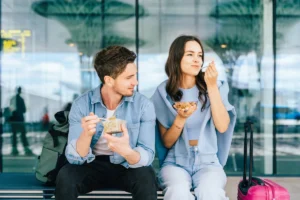
When we view the world through a screen, we prioritize "capture" over "experience." This has made moments inherently skippable. If a location doesn’t yield the desired photo or video, it is deemed a failure. This mindset prevents deep engagement, leaving travelers feeling bored or unfulfilled, even while their social media followers believe they are having the time of their lives. A recurring theme on forums like Reddit involves travelers lamenting that their companions were visibly disinterested in the history, culture, or cuisine of cities like Florence or Rome, yet spent hours curating content to make it appear as though they were having a life-changing experience.
The Algorithm’s Grip
The responsibility for this shift is not solely on the individual. Researchers have long studied how social media algorithms intentionally foster addictive behaviors. The "attention economy" rewards shock value, aesthetic perfection, and trend-following. By keeping users hooked on the pursuit of external validation, platforms create a cycle that is highly profitable for capitalism—encouraging us to buy more, travel more, and discard more.
The Loss of Awe
Historically, travel was synonymous with learning and humility. By commodifying the experience into a series of "must-see" shots, we have stripped travel of its capacity to surprise us. When you have seen a destination thousands of times on your feed before arriving, you are not discovering—you are simply confirming.
A Call for Perspective
While it is easy to view these trends with cynicism, it is important to acknowledge that there is no "correct" way to travel. Everyone has a personal relationship with the world. However, the current trend of "manufacturing" experiences demands a reevaluation.
The next time you find yourself at an idyllic location—or perhaps standing in line for a viral snack—it is worth pausing. Acknowledge that the opportunity to be there is an extraordinary privilege, regardless of whether it trends on TikTok or garners a thousand likes. The pressure to conform to the digital narrative is immense, but the act of stepping away from the screen—even for a moment—is an act of reclaiming the experience for yourself.
As we navigate this landscape, the challenge is to divorce our personal enjoyment from the need for external validation. Travel should be a journey of discovery, not a production set. By acknowledging the flaws of the digital lens, we can begin to appreciate the world as it is, rather than how it looks on a feed. After all, the most memorable moments in life are rarely the ones captured in 15-second clips; they are the ones that remain, un-filmed, in our own private archives.