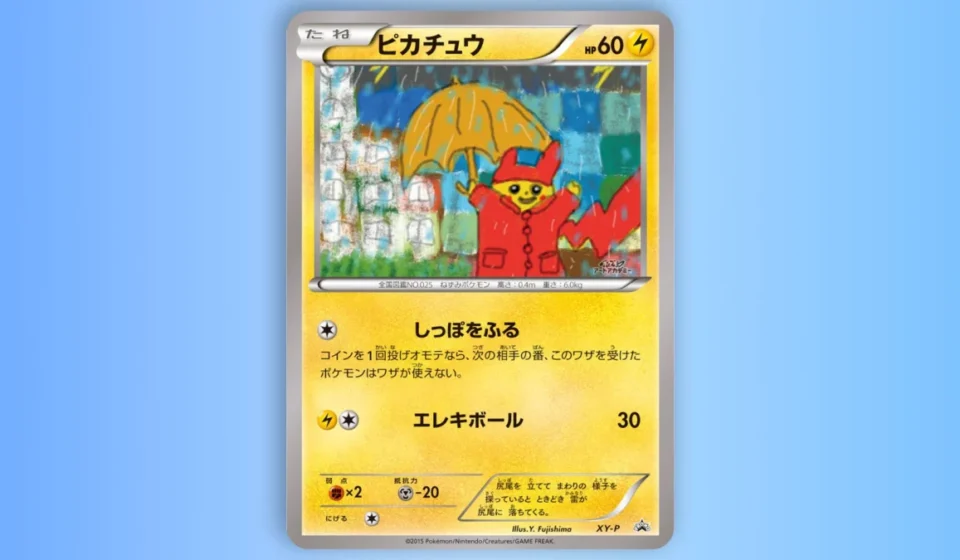
The $8.4 Million Pikachu: How a Fan-Drawn Illustration Became a Global Investment Icon

The world of trading card games (TCGs) has transcended its origins as a hobby for children, evolving into a high-stakes arena of alternative asset investment. At the center of this movement stands the Pokémon Trading Card Game, a franchise that has successfully leveraged three decades of nostalgia and scarcity to command prices that rival fine art and vintage automobiles.
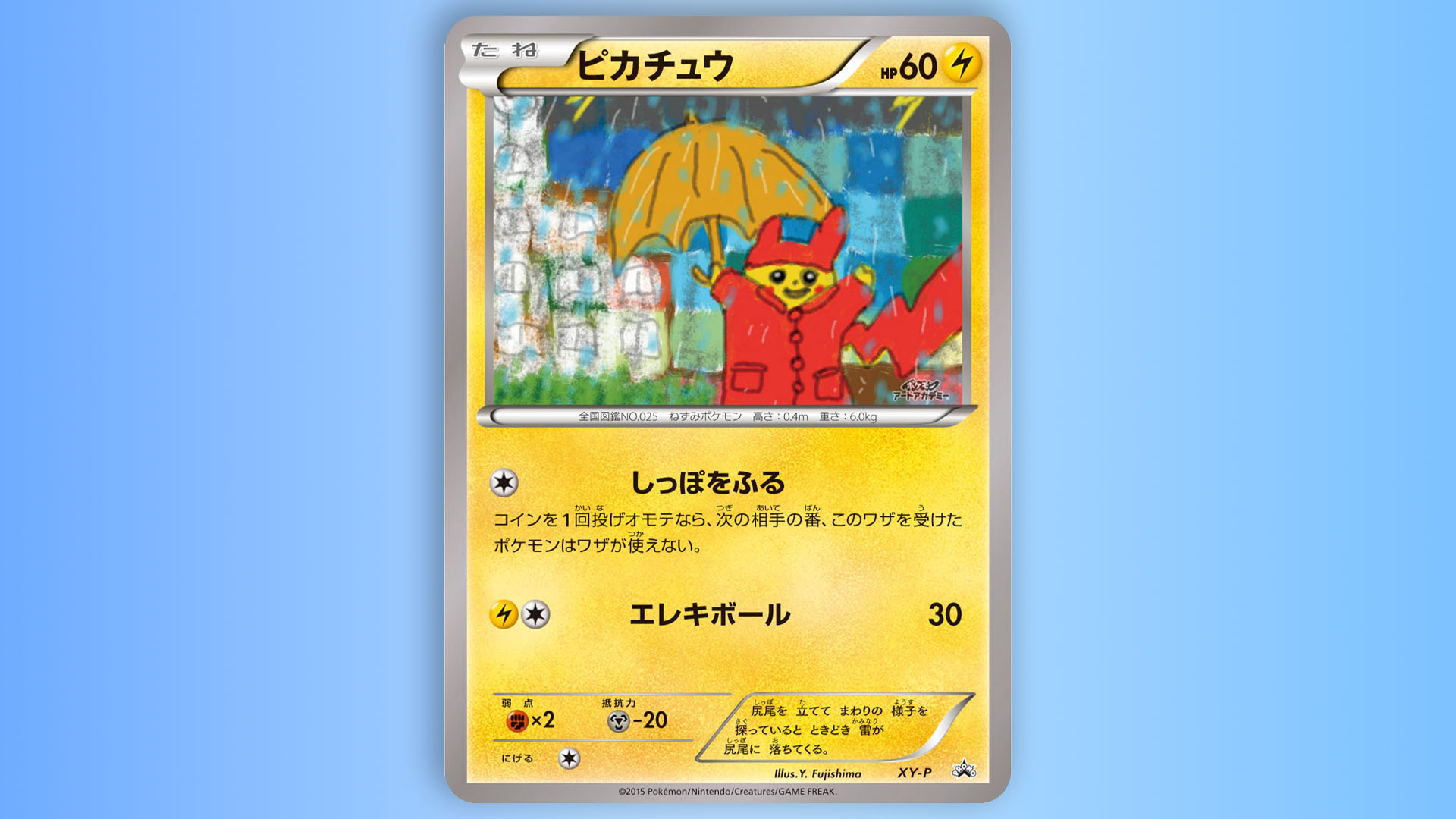
The most recent testament to this phenomenon is the spectacular sale of a "Raincoat Pikachu"—a 2015 Japanese Pokémon XY Promo Art Academy card. Securing a winning bid of $8.4 million, this card has redefined the ceiling for what collectors are willing to pay for cardboard, cementing its status as the second most valuable Pokémon card ever sold.
The Genesis of a Masterpiece: The Pokémon Art Academy Competition
To understand the astronomical valuation of the "Raincoat Pikachu," one must look back to 2015. At the time, The Pokémon Company International collaborated with Nintendo to host a global contest through the Pokémon Art Academy software on the Nintendo 3DS. The competition challenged aspiring artists to draw their favorite Pokémon in creative, thematic scenarios.
The competition was divided into specific categories, including the "Dress-Up Pikachu" contest. Among thousands of entries, an artist identified as Y. Fujishima stood out. Fujishima’s winning submission featured an endearing, hand-drawn aesthetic: a Pikachu wearing a vibrant red raincoat and holding an umbrella while navigating a stormy scene.
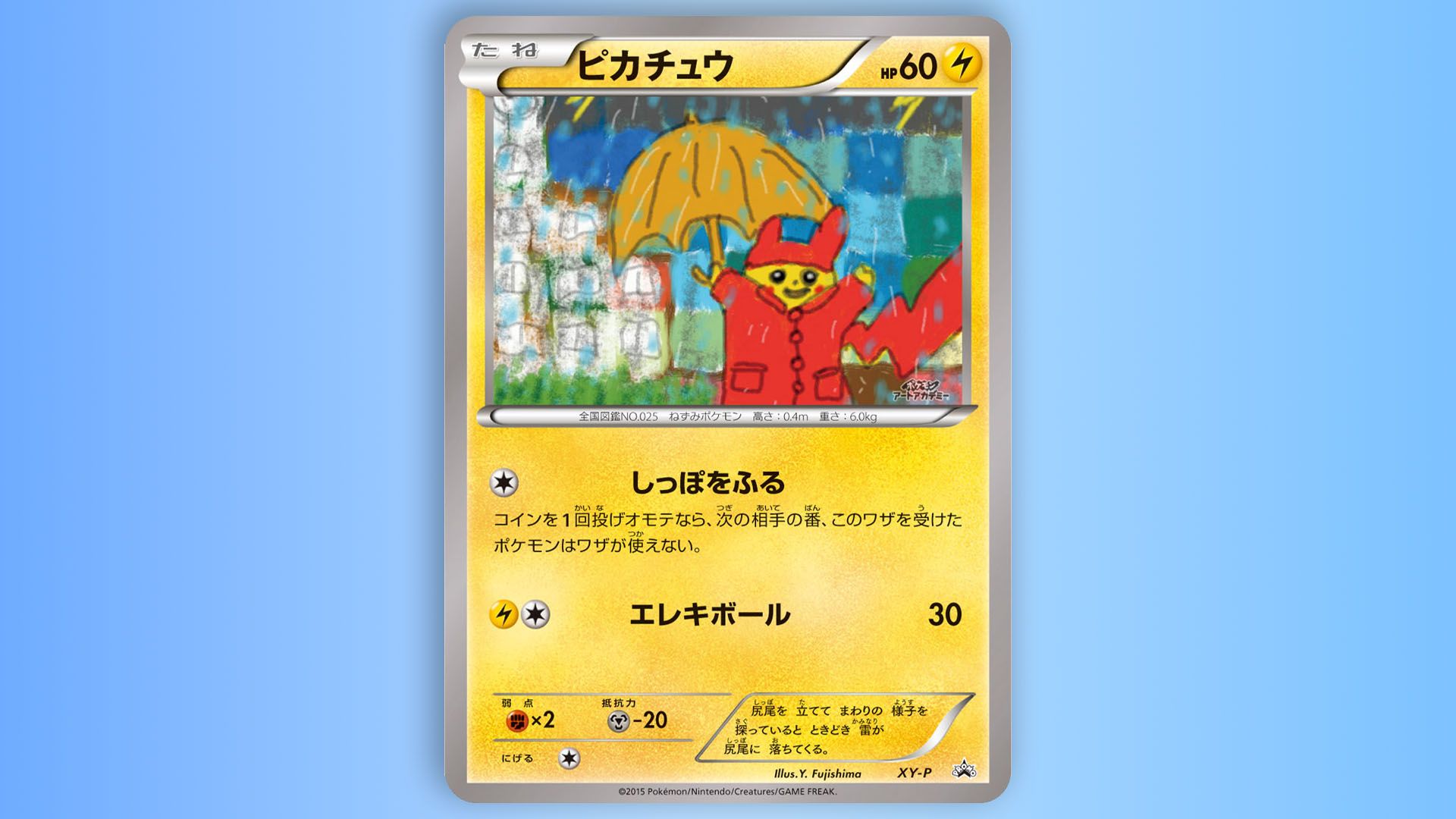
The reward for the winners was unique: The Pokémon Company committed to printing 100 physical copies of the winning artwork, turning the digital creations into official trading cards. Unlike mass-produced sets found in booster packs, these cards were never sold at retail. They were distributed exclusively to the competition winners, creating an immediate and permanent state of scarcity.
Chronology of a Record-Breaking Sale
The journey of this specific card from a contest prize to a multi-million dollar asset is a narrative of market maturation.
- 2015: The "Raincoat Pikachu" is produced, with only 100 copies in existence.
- 2015–2023: The card remains in the hands of serious collectors, occasionally appearing in private sales. As the Pokémon market exploded during the pandemic era, the value of "trophy cards" began to rise exponentially.
- Early 2024: A PSA 10 Gem Mint copy of the card is submitted for auction through Fanatics Collect.
- The Auction Window: Over the course of the bidding period, the card attracted 64 distinct bids. The intensity of the auction highlighted the fierce competition between institutional investors and high-net-worth individual collectors.
- The Climax: The hammer fell at $8.4 million USD, including the buyer’s premium. This figure officially established the card as the second most expensive Pokémon card in history, trailing only the legendary "Pikachu Illustrator" card.
The Hierarchy of Rarity: Supporting Data
To contextualize the $8.4 million sale, it is necessary to examine the current landscape of the TCG investment market. The primary metric for value in this sector is a combination of scarcity, historical significance, and physical condition, as graded by professional services like PSA (Professional Sports Authenticator).
The Top Tiers of Pokémon Valuation
- Pikachu Illustrator ($16.5 million): Often cited as the "Holy Grail" of the hobby, this card was awarded to winners of an illustration contest in 1998. The specific copy owned by influencer and entrepreneur Logan Paul set the current world record, serving as the benchmark for the entire industry.
- Raincoat Pikachu ($8.4 million): While the Illustrator card represents the earliest era of the game, the Raincoat Pikachu represents the "Modern Rare" sector. Its value is derived from the limited print run and the "Art Academy" branding, which appeals to collectors who prioritize provenance.
The secondary market has seen a consistent upward trend in "Gem Mint" (PSA 10) cards. The scarcity of these cards in perfect condition is the primary driver of price. When a card has only 100 copies in existence, and only a fraction of those are graded at the highest tier, the supply-demand imbalance becomes extreme, leading to the "millions a pop" reality seen in recent auctions.
Official Perspectives and Market Implications
The record-breaking sale has sent shockwaves through the collecting community, prompting experts to weigh in on the long-term viability of TCGs as asset classes.
While critics often dismiss these valuations as a "bubble," those within the auction industry argue that Pokémon has achieved a status similar to blue-chip art. "We are seeing a convergence of gaming culture and traditional wealth management," says one market analyst. "Pokémon is the first intellectual property to successfully bridge the gap between being a toy and being a legitimate store of value."
The Pokémon Company itself has remained relatively quiet regarding the secondary market, maintaining a focus on the game’s competitive play and core audience. However, their commitment to "handmade" aesthetics—as seen in their recent push against AI-generated art—suggests that they understand the intrinsic value of human creativity. By prioritizing unique, artist-driven designs, they continue to provide the raw materials that fuel the collector’s market.
The Cultural Shift: Why Physical Media Still Matters
In an era dominated by the volatility of cryptocurrencies and the uncertainty of NFTs, the return to physical, tangible assets is a notable trend. The $8.4 million price tag on the Raincoat Pikachu is, in some ways, a rejection of the digital-only investment model.
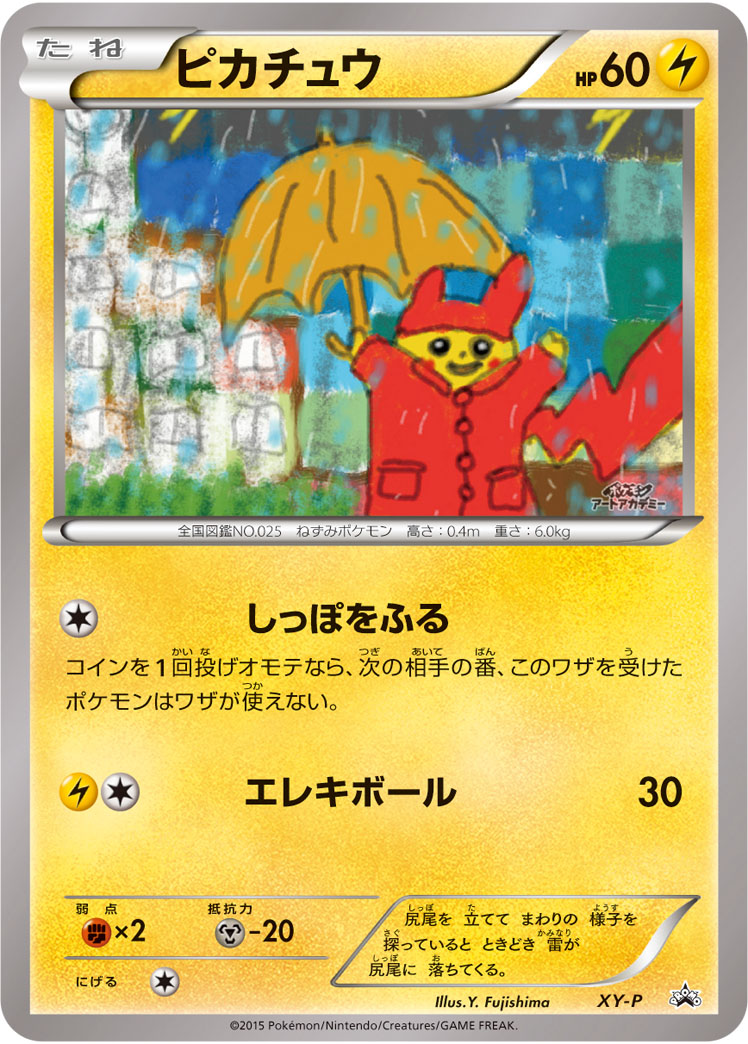
Collectors find comfort in the physical presence of the card. Unlike a digital token, the card is a tangible object that can be physically preserved, verified, and displayed. This shift reflects a broader societal movement toward "physicality" in collecting, where the weight of the cardstock and the tactile quality of the finish provide a sense of security that digital assets currently struggle to replicate.
Looking Ahead: The Future of Pokémon Collectibles
What does the sale of the Raincoat Pikachu mean for the future?
- Increased Institutional Involvement: As these cards reach price points in the tens of millions, we can expect to see more financial firms and investment funds treating trading cards as part of their diversified portfolios.
- The Rise of Preservation: With such high valuations, the pressure to preserve these items in climate-controlled, secure facilities will intensify. The hobby is no longer just about owning the cards; it is about acting as a steward for cultural artifacts.
- Market Scrutiny: As prices rise, the demand for transparency in authentication and grading will grow. The hobby will likely see a push for even more rigorous standards to ensure that the cards being sold are indeed the genuine, limited-edition items they claim to be.
The "Raincoat Pikachu" is more than just a piece of cardstock featuring a beloved electric mouse in a slicker; it is a symbol of how far the Pokémon franchise has traveled since its inception in 1996. Whether this $8.4 million valuation is a peak or merely a milestone remains to be seen, but one thing is certain: for the world’s most dedicated collectors, the hunt for the next masterpiece is only just beginning. As long as Pokémon continues to be a central pillar of global pop culture, the "cardboard gold" of the TCG market will continue to capture the imagination—and the wallets—of the world’s most elite collectors.