Chicago on Edge: The Impending Storm of a Historic Hotel Workers’ Strike

For event planners, business travelers, and tourists with upcoming engagements in the Windy City, the hospitality landscape has suddenly become precarious. If you are currently contracted with a hotel in downtown Chicago or in the immediate vicinity of McCormick Place, you are likely navigating the early tremors of what labor experts suggest could become the largest and most disruptive hotel workers’ strike in the city’s history.
The situation is fluid, high-stakes, and carries profound implications for the local economy. With over 7,000 housekeepers, front desk agents, cooks, dishwashers, and food service staff having voted by an overwhelming 85% margin to authorize a strike, the message to major hotel operators is clear: the status quo is no longer sustainable.
The Core Conflict: Economic Survival and Labor Dignity
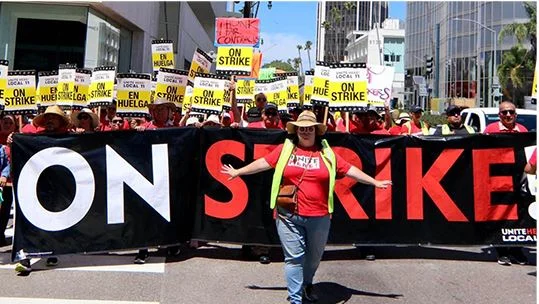
Represented by Unite Here Local 1, the collective workforce across 46 major hotels—including heavy hitters like Hyatt, IHG, Hilton, and Marriott—is demanding a fundamental shift in how they are treated and compensated. The properties affected range from luxury icons like The Ritz-Carlton Chicago to high-volume, select-service locations such as Home2Suites by Hilton near the McCormick Place convention complex.
At the heart of the unrest is the rising cost of living. A comprehensive internal survey conducted by the union paints a grim picture of the financial reality faced by many of the city’s hospitality workers. Nearly one-third of respondents reported that their wages are insufficient to cover basic rent or mortgage payments, while nearly 30% noted an inability to consistently cover essential utility bills.
Beyond wages, the strike authorization reflects deep-seated grievances regarding working conditions. The industry’s push for "efficiency"—often translated into higher room quotas and grueling, unpredictable scheduling—has left many employees at their breaking point.
Cassandra Pope, a room attendant at the Palmer House Hilton, provided a poignant glimpse into this exhaustion. "I voted yes to strike because I’ve had enough," Pope stated. "They’re putting us on the schedule six consecutive days without even asking us. They demand and demand, always rushing us in the rooms, without acknowledging that we are human beings. We only have two hands and two feet. I’m coming out of here extremely exhausted. And I have to come and work, because I need money to feed my four children."
Chronology of a Labor Standoff
The current tensions did not emerge overnight; they are the result of months of stalled negotiations and the expiration of legacy labor contracts.
- Late Summer 2024: As existing labor contracts across the 46 impacted properties reached their expiration dates by the end of August, negotiations hit a standstill.
- The Authorization Vote: In the weeks following the expiration of these contracts, Unite Here Local 1 organized a formal strike authorization vote. The 85% approval rate signaled a unified workforce prepared to walk off the job.
- The "Rolling Strike" Strategy: Unlike a singular, city-wide walkout, reports indicate that if strikes erupt, they are likely to unfold in strategic "waves." Because bargaining agreements are structured separately across different chains and properties, the union can utilize a rolling strike model to maximize pressure while maintaining a presence on the picket lines for longer durations.
- The 2018 Precedent: The industry is looking back at 2018, the last time Chicago faced a major hotel labor dispute. That strike involved 26 hotels and lasted four weeks. The outcome was a significant win for the union, which secured year-round health insurance for its members—a benchmark that remains a point of pride and a foundation for the current demands.
Supporting Data: A National Wave of Union Momentum
The Chicago dispute is not an isolated incident; it is part of a broader, national resurgence of hospitality labor activism. Recent years have seen a string of victories that have emboldened local chapters of Unite Here across the United States.
In 2025, for example, the union achieved a landmark victory in Houston, securing a 25% wage increase in what was characterized as the first major labor action of its kind in Texas history. This victory followed significant gains achieved through strikes in high-cost-of-living hubs, including Southern California, Honolulu, Boston, Baltimore, Las Vegas, and San Francisco.
These successes have created a "demonstration effect," where workers in Chicago are emboldened by the concrete gains made by their counterparts in other major cities. The narrative has shifted from mere survival to a push for a "living wage" that reflects the soaring profitability of the post-pandemic travel boom.
Official Responses and Corporate Contingencies
As the threat of a strike looms, the major hotel chains have been quick to reassure the public and, more importantly, their corporate clients and event planners. The messaging from corporate offices is carefully calibrated to minimize panic while acknowledging the gravity of the situation.
Hilton, speaking on behalf of its properties, issued a statement aimed at stabilizing guest confidence: "There is currently no labor disruption at the hotels, and a strike vote does not mean that there will be a strike. We are also focused on providing our guests with our signature hospitality and have contingency plans in place to ensure operations continue to run as smoothly as possible in the case of a work stoppage."
This "business as usual" stance is standard protocol, but behind the scenes, hotel management is undoubtedly bracing for the logistical nightmare that a strike would present. A work stoppage during a major convention or city-wide event would necessitate the use of temporary staff, which often leads to a degradation of service quality, security concerns, and public relations challenges.
Implications for the Meetings and Events Industry
For the professional events industry, the implications are immediate and severe. The Chicago Marathon, scheduled for October 11, is the most high-profile event currently in the crosshairs. The race is expected to draw 55,000 runners from across the globe, alongside thousands of spectators and media personnel. A strike at key hotels during this weekend would not only disrupt the hospitality experience but could cast a shadow over the city’s reputation as a premier host for international events.
Unite Here Local 1 has taken an aggressive approach to protecting the interests of event planners caught in the middle. The union’s official website explicitly claims that several events originally slated for affected hotels have already chosen to cancel or relocate. Furthermore, the union has taken the unusual step of providing "model contract language" for planners to include in their agreements. This language covers "excused non-performance due to labor disputes," effectively providing planners with a legal roadmap to cancel contracts without financial penalty should a strike disrupt their event.
Navigating the Uncertainty: A Path Forward
The situation leaves meeting planners and business travelers with a difficult set of choices. Those with upcoming bookings are advised to:
- Review Contracts Immediately: Scrutinize existing hotel contracts for force majeure clauses and specific language regarding labor disputes.
- Open Communication Channels: Initiate direct, documented conversations with hotel management regarding their contingency plans. Do not rely on generic press statements; demand specific details on how service levels will be maintained.
- Consult Legal Counsel: Given the potential for significant financial loss, consulting with legal counsel regarding the union’s suggested "non-performance" language may be necessary to protect organizational assets.
- Monitor the Union: Stay updated through the Unite Here Local 1 official channels, which provide the most granular information regarding which specific properties may be targeted in the next wave of potential action.
As Chicago waits to see if the strike will actually materialize, the standoff highlights a critical friction point in the modern economy: the struggle to balance the massive profitability of the hospitality industry with the basic economic dignity of the people who make that industry function. Whether a settlement is reached at the eleventh hour or the picket lines become a fixture on Michigan Avenue, the events of the coming weeks will likely set a new precedent for labor relations in the American hospitality sector for years to come.