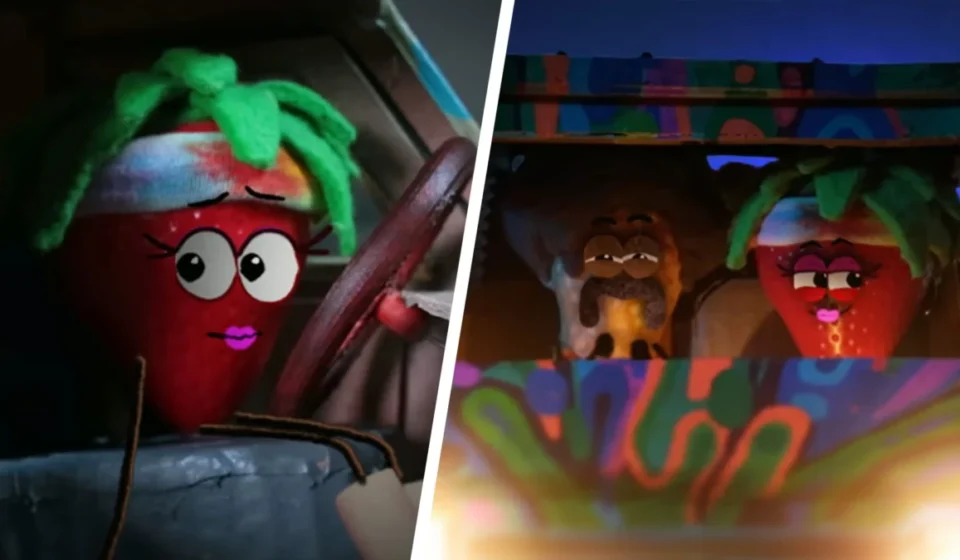

In an industry defined by the polished, high-fidelity 3D computer-generated imagery (CGI) that made Pixar a household name, the studio has taken a jarringly experimental turn. Its latest project, a seven-minute short film titled Fruit & Nut, has caught the animation community off guard—not just for its surrealist narrative, but for its defiant departure from the "Pixar look." Featuring a peanut and a strawberry as the leads of a high-octane, neon-drenched crime caper, the film serves as a bold manifesto for the studio’s evolving creative internal culture.
The Premise: A Road Trip Like No Other
Fruit & Nut is being billed by the studio as the "untold story of the most famous duo of all time." On the surface, the narrative follows a lonely, anthropomorphized peanut who finds himself thrust into a Thelma & Louise-style road trip after a failed attempt to skip out on a bar tab. His accomplice? A hitchhiking strawberry with a penchant for chaos.
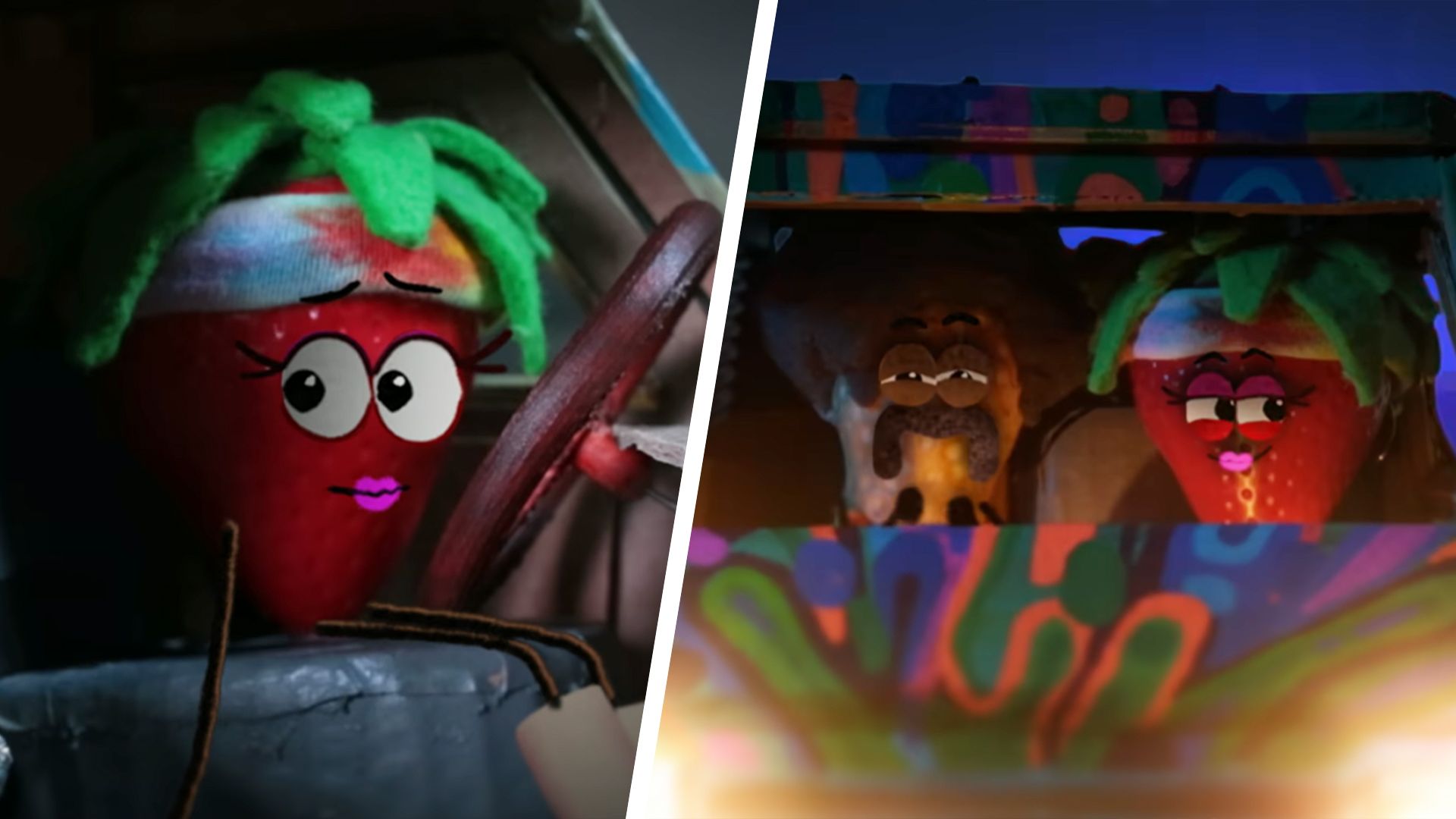
The short quickly pivots from a standard buddy comedy into a psychedelic, surrealist heist thriller. The visual language—punctuated by glowing pink and cyan neon signage—has already drawn inevitable, if tongue-in-cheek, comparisons to the upcoming Grand Theft Auto VI. However, where Rockstar Games aims for hyper-realism, Fruit & Nut opts for a tactile, handcrafted aesthetic that feels grounded in the physical world rather than the digital void.
Chronology of a Creative Pivot
The development of Fruit & Nut reflects a deliberate effort by Pixar to decentralize its creative output. Directed by Pixar veterans Rej Bourdages and Tony Maki—whose resumes include heavy-hitters like Coco, Soul, Inside Out 2, Elio, and Hoppers—the film represents a significant technical departure for the studio.
- Conceptualization: Driven by a desire to experiment with non-CGI mediums, Bourdages and Maki pitched the project as an internal artist initiative.
- Production: Unlike the massive, multi-year production cycles of feature films, the project utilized a smaller, agile team. The production process focused on tangible assets, using physical puppets and sets to achieve a stop-motion look that is inherently organic and slightly imperfect.
- The Hybrid Approach: The film is not pure stop-motion. It blends handcrafted puppet work with intricate 2D animation sequences. This hybrid style creates a visual rhythm that fluctuates between the physical weight of clay and the fluid, dreamlike nature of traditional illustration.
- The Release: The film debuted quietly online, bypassing the traditional theatrical "short" window often attached to feature releases, signaling a move toward direct-to-consumer experimental distribution.
Technical Analysis: Why Stop-Motion Matters
For a studio built on the technological marvels of Renderman and 3D modeling, Fruit & Nut is a radical anomaly. It is only the second stop-motion film ever released by Pixar, following the 2024 experimental short Self.
Stop-motion animation requires a different set of constraints than 3D modeling. Every frame is a photograph of a physical object, meaning the "performance" is captured in real-time. This imparts a sense of tactile realism—a "human touch"—that CGI often struggles to replicate. By embracing the imperfections of hand-wrought puppets, Bourdages and Maki have managed to give the short an indie, subversive energy.
This is not merely a stylistic choice; it is a technical challenge to the studio’s pipeline. By forcing artists to work outside of their comfort zone, the project acts as an incubator for new techniques. The success of Fruit & Nut suggests that Pixar is looking to bridge the gap between its heritage of technical perfection and a future of diverse, auteur-led visual storytelling.
Implications for the Future of Pixar
The release of Fruit & Nut is far from a one-off whim. It is a direct product of the studio’s internal artist-driven programs, which function as spiritual successors to the celebrated SparkShorts initiative. These programs are designed to provide Pixar employees—who spend years working on massive, singular visions—a sandbox to play in.
1. Stylistic Diversification
The studio is clearly entering a new era. We have already seen this shift in the 2D-inspired marketing and design choices for the upcoming Gatto. Fruit & Nut serves as further evidence that Pixar is no longer content to be a "CGI-only" studio. By fostering these smaller, riskier projects, the studio is effectively diversifying its creative portfolio, making itself more resilient to changing audience tastes.
2. The "Meme-ification" of Animation
The internet response to Fruit & Nut has been overwhelmingly focused on its "meme potential." The film’s surreal visuals and absurdity make it highly shareable, a metric that is becoming increasingly important for legacy studios trying to remain relevant in a short-form video landscape dominated by TikTok and YouTube.
3. Talent Retention and Satisfaction
In the high-pressure environment of major animation houses, burnout is a constant threat. By allowing senior artists to direct their own idiosyncratic projects, Pixar is investing in the long-term creative health of its workforce. When a lead animator on Inside Out 2 can also be a creator of a bizarre, stop-motion peanut heist film, the studio benefits from a more creatively satisfied and multi-faceted team.
Official Stance and Audience Reception
While Pixar has not issued a formal "strategic update" regarding the future of their stop-motion department, the reception has been vocal. Critics have lauded the move as a "bold departure," noting that the studio seems to be reclaiming the spirit of its early days, when innovation and experimentation were the primary goals.
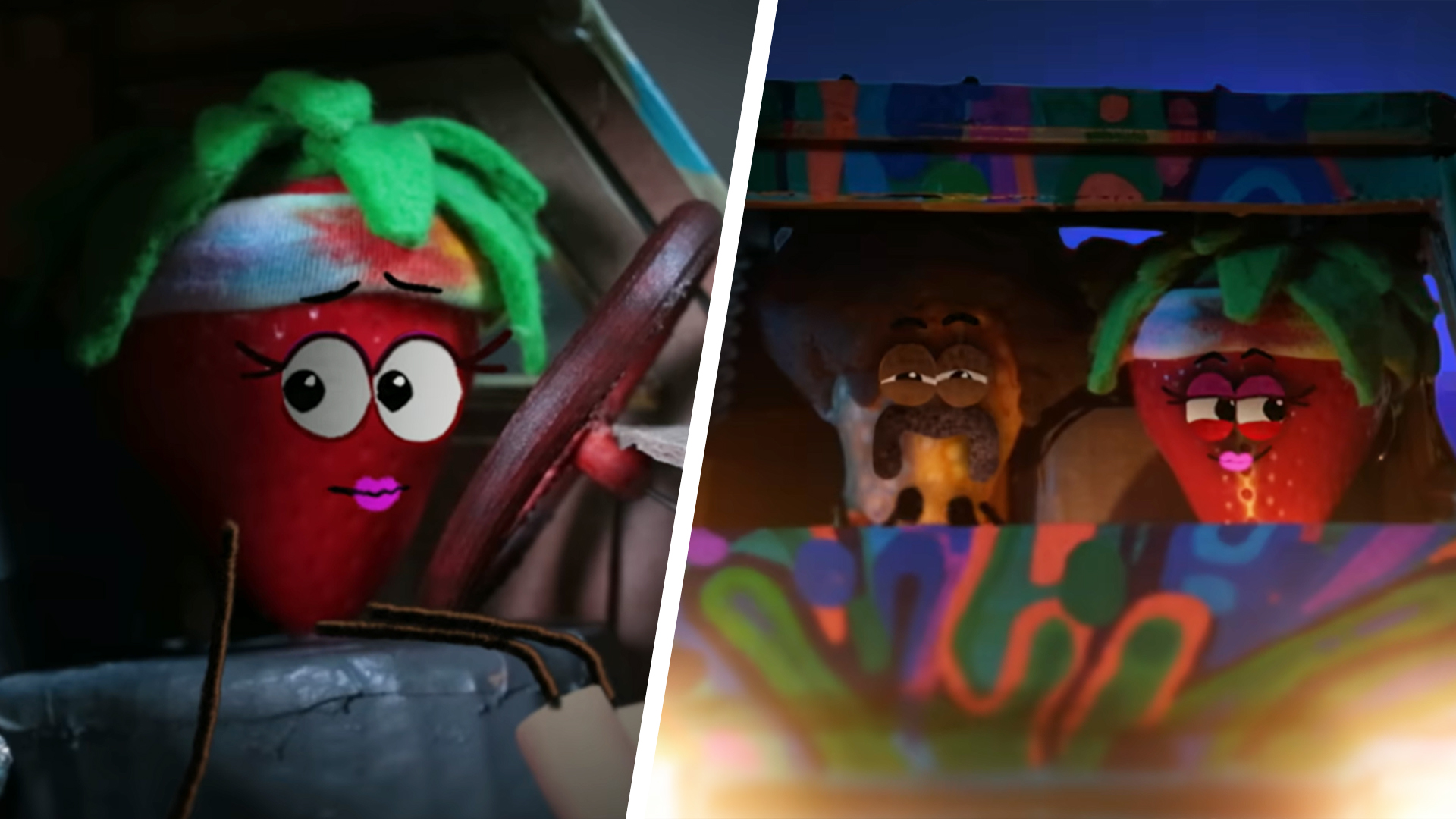
"The film feels like a fever dream," one animation industry analyst noted. "It’s messy, it’s vibrant, and most importantly, it doesn’t look like a computer generated it. That is a massive win for a studio that many felt had become too safe in its visual identity."
Looking Ahead: The Path to ‘Gatto’ and Beyond
The success of Fruit & Nut raises a significant question: will these experimental shorts eventually inform the aesthetic of Pixar’s feature-length films? Given the current trajectory, the answer seems to be a resounding yes.
The studio’s upcoming slate, including projects like Gatto, points toward a future where the rigid lines between 2D, 3D, and stop-motion begin to blur. If Pixar can successfully integrate the chaotic, creative energy of these shorts into its feature-length storytelling, it may well reinvent the medium once again, just as it did in 1995 with Toy Story.
For now, Fruit & Nut stands as a testament to the fact that even the most established giants in the industry are finding value in going back to basics. Whether it is a strawberry on the run or a peanut playing the getaway driver, the message is clear: the future of animation is not just about having more pixels—it’s about having more perspective.
About the Author
Joe is a regular freelance journalist and editor at Creative Bloq. He specializes in the intersection of technology and creativity, covering everything from high-end 3D rendering software to the nuances of traditional animation. Based in London and Buenos Aires, Joe balances his writing with his role as a project manager for the design agency Hermana Creatives, where he oversees a team of global visual artists.