Comments Off on Beyond the ‘Bird on a Stick’: How Mirrorless Tech is Redefining Wildlife Photography
GLOBAL — Over the past three decades, wildlife and bird photography has undergone a seismic shift. Once defined by the strict mechanical limitations of film and manual focus, the discipline has entered a hyper-automated golden age powered by cutting-edge mirrorless camera systems. Yet, as seasoned judges and veteran photographers point out, this technological leap has created a profound artistic paradox: while capturing a technically flawless image is easier than ever before, producing a truly original and impactful photograph has never been more difficult.
Main Facts: The Tech-Driven Evolution of a Genre
The core tension in contemporary wildlife photography lies in the democratization of technical excellence. Modern mirrorless camera bodies—equipped with lightning-fast processors, AI-driven subject and eye recognition, pre-capture buffering, frame rates exceeding 30 frames per second, and ultra-high-speed shutters of 1/8,000s or faster—have effectively lowered the barrier to entry.
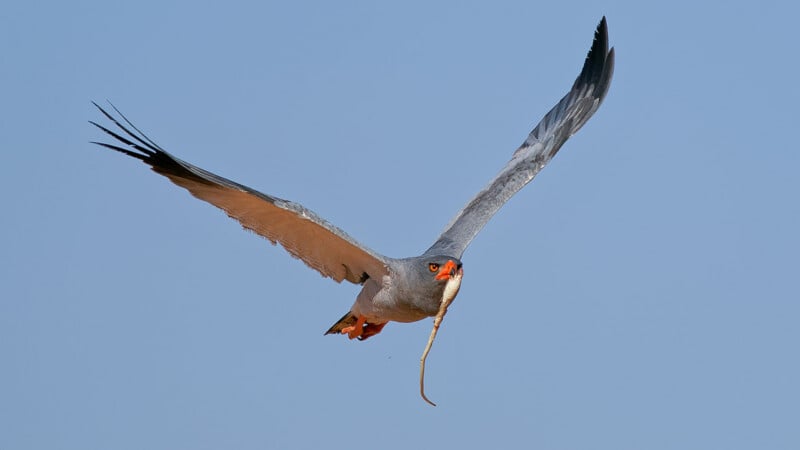
Tasks that once required years of fieldwork mastery and split-second manual reflexes, such as tracking a fast-moving bird in flight or capturing a raptor securing its prey, can now be executed reliably by automated systems.
The Democratization of Skill: Advanced autofocus and stabilization allow hobbyists to achieve results previously reserved for seasoned professionals.
The Death of Technical Exclusivity: Because sharp, well-exposed action shots are now ubiquitous, technical proficiency alone no longer guarantees distinction in salons or competitions.
The "Slide-Era" Residue: Despite modern capabilities, a vast number of entries submitted to photographic clubs and honors assessments still adhere to the conservative compositional tropes of the 20th century.
Chronology: Three Decades of Photographic Transformation
To understand the current landscape, one must look back at the technological milestones that have shaped the medium over the last thirty years.
The Slide Photography Era (1993–2004)
During the era of reversal film, success was strictly dictated by chemical and optical fundamentals. Photographers relied heavily on low-ISO slide film (often ISO 50), demanding absolute mastery over the interplay of shutter speed, aperture, and manual focus. "Good light"—typically the golden hours of early morning or late afternoon—was paramount, often superseding composition.
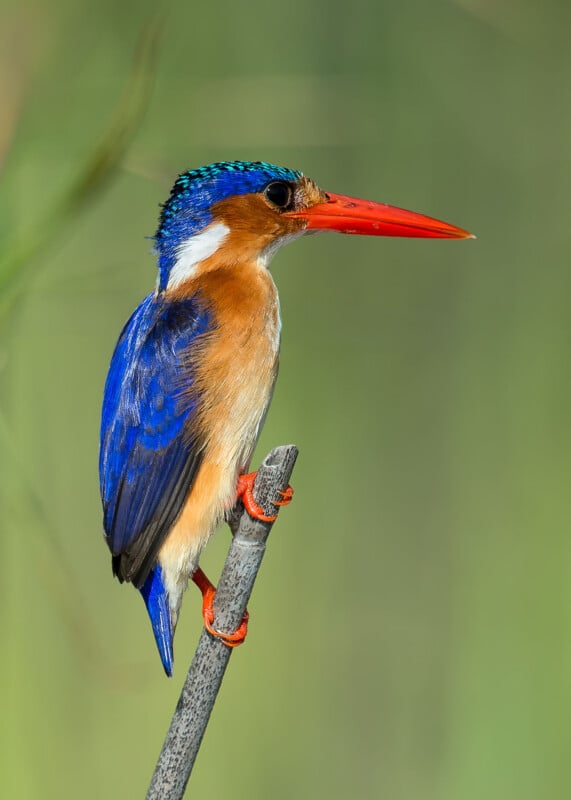
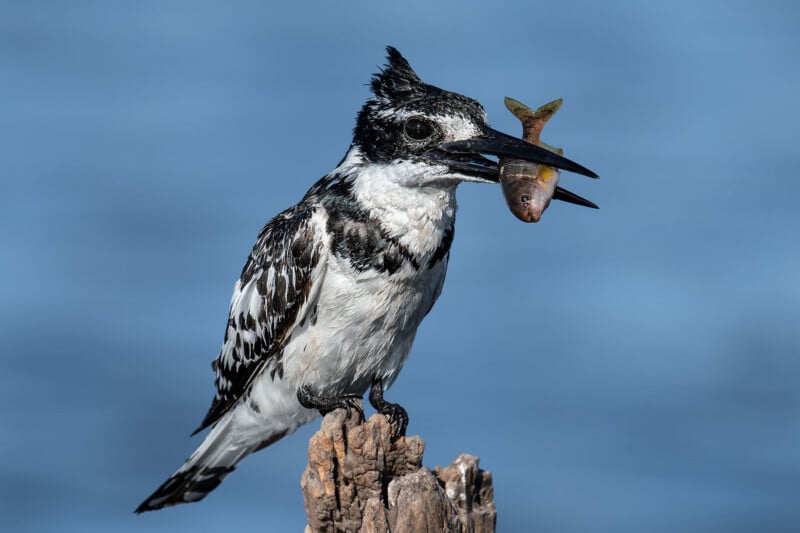
Subjects were frequently standard and static: a voëltjie op ’n stokkie (bird on a twig) or a swimming waterbird, framed tightly against a clean background according to the rule of thirds. Photographers had to wait days or weeks for film development to find out if their manual exposures were successful, leaving zero room for error.
The Transition to Digital (Mid-2000s–2010s)
The introduction of digital sensors and rudimentary autofocus revolutionized the field. Action photography became more accessible as photographers could immediately review histograms and adjust on the fly. Subsequent generations brought larger sensors, higher resolutions, and significantly reduced noise at higher ISO settings. Shooting at ISO 12,800 opened up low-light environments previously thought impossible for long telephoto lenses, while digital cropping allowed for greater framing flexibility in post-production.
The Mirrorless Revolution (Present Day)
The removal of the mechanical mirror mechanism and the integration of deep-learning processors marked the ultimate equalizer. Modern mirrorless systems handle the mechanics of tracking and focusing, transforming the camera from a purely mechanical recording tool into a predictive, highly automated capture engine.
Supporting Data: Club Standards vs. Elite Competitions
The divergence in what constitutes a "good" photograph is starkly visible when comparing local photographic clubs to international elite competitions.
Metric / Feature
Local Clubs & Salons
Elite International Competitions (e.g., WPOTY)
Acceptance / Success Rate
Often quota-based (e.g., 20–25% of entries accepted regardless of volume).
Highly selective; a tiny fraction chosen from tens of thousands of entries.
Primary Evaluation Metric
Technical perfection, absolute sharpness, adherence to traditional rules.
Originality, storytelling, emotional impact, and artistic vision.
Subject Treatment
Tightly cropped, isolated subjects ("bird on a twig").
Contextualized subjects utilizing environment, negative space, and scale.
Judging Criteria
Sometimes assessed by non-wildlife specialists using general rules.
Judged strictly by master wildlife photographers and conservation experts.
This structural gap explains why many photographers remain trapped in what critics call the "slide-era mindset." Because local clubs often reward conventional framing and penalize deviation, practitioners rarely venture into the complex menu systems or experimental capabilities of their modern gear.
Official Perspectives: The Shift from ‘Capture’ to ‘Create’
Industry veterans, judges, and portfolio assessors emphasize that the contemporary photographer’s role has fundamentally evolved.
"Once the mirrorless camera has been properly configured, the biggest challenge left to the photographer is often simply to keep the moving subject in the viewfinder and press the shutter," notes wildlife photography veteran and judge Johan J. Botha. "The camera no longer requires an experienced or particularly innovative operator to capture technically excellent action images."
This reality forces a philosophical pivot: photographers must transition from merely capturing a scene to creating an artistic interpretation of it.
Instead of relying on tight crops to isolate a subject—which is often a Band-Aid for an inability to get close to the wildlife—award-winning imagery increasingly relies on:
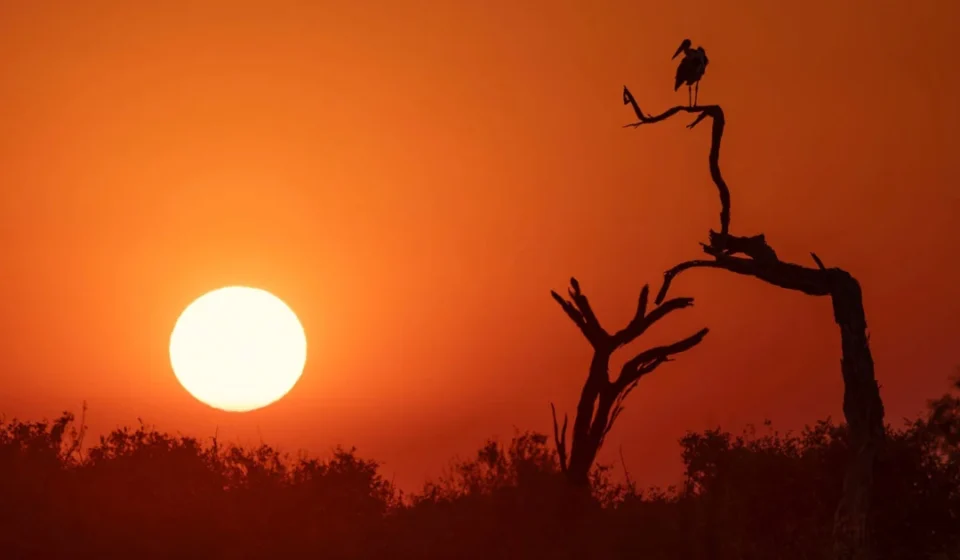
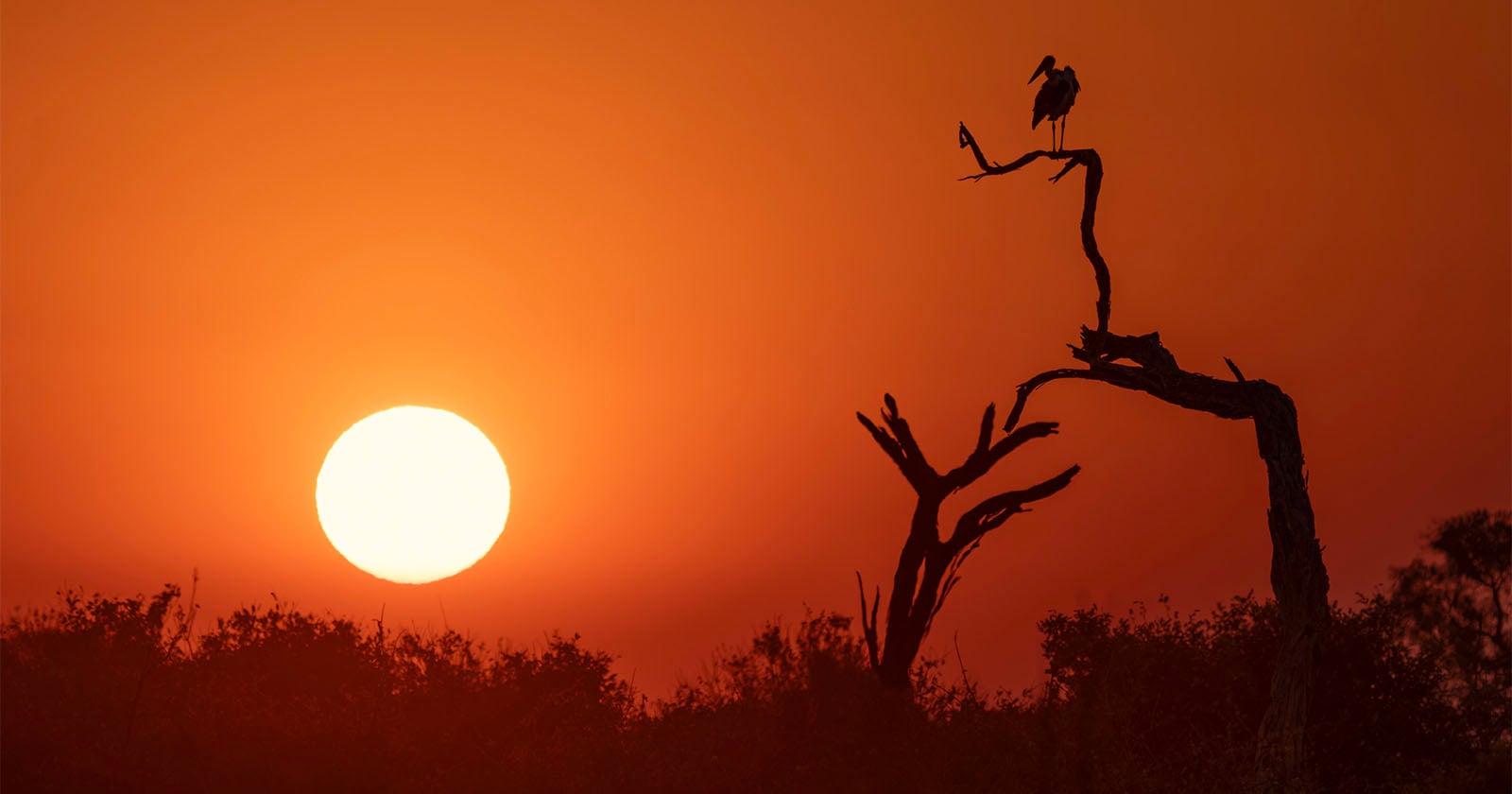
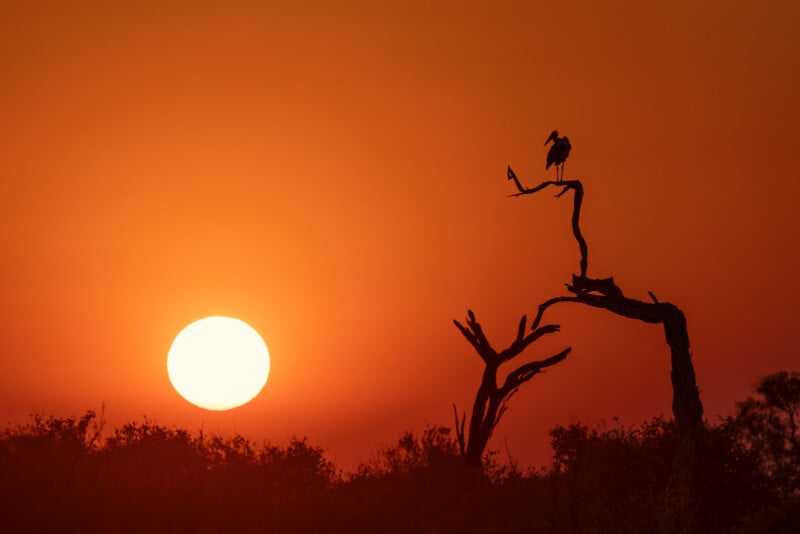
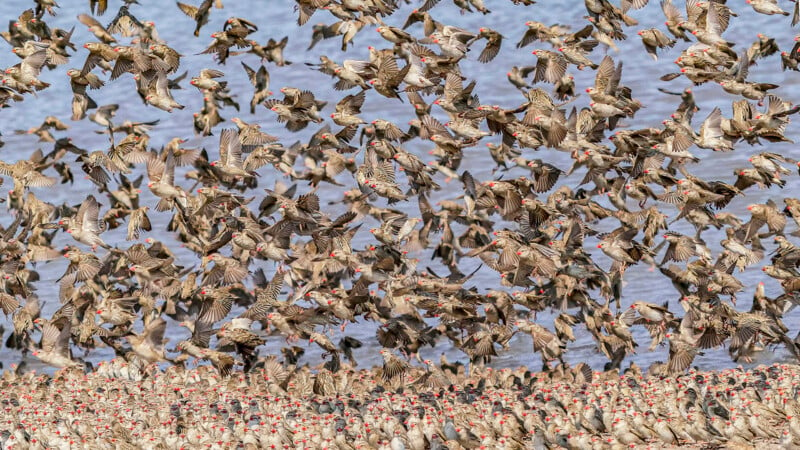
Environmental Context: Pulling back the frame to show habitat, atmosphere, and scale.
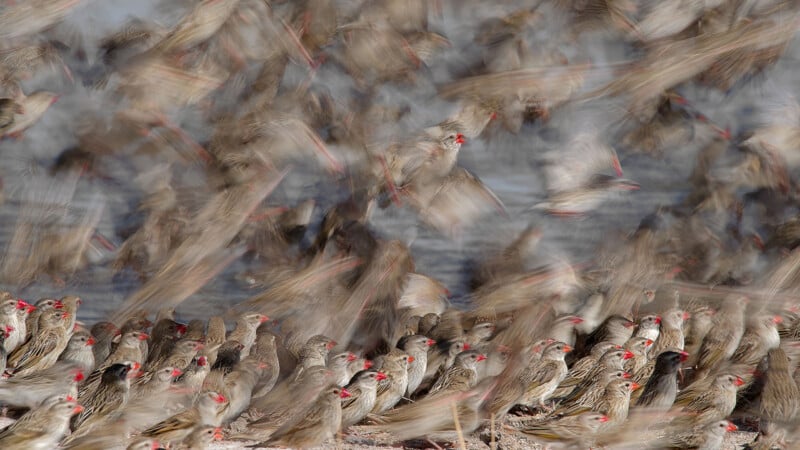
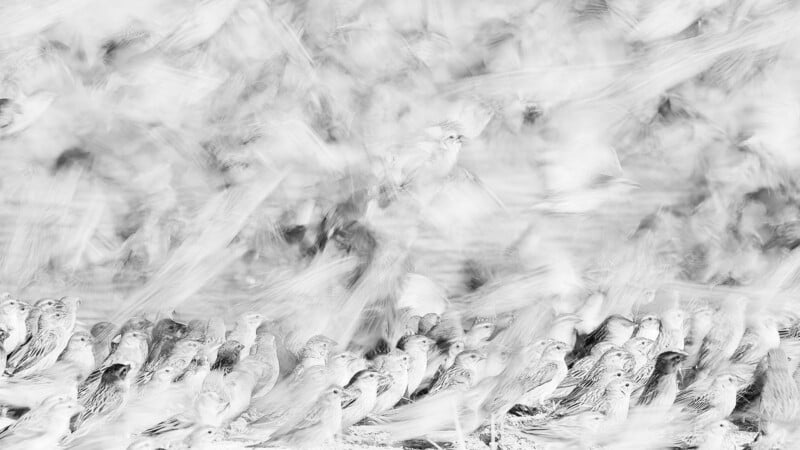
Intentional Camera Movement (ICM): Utilizing very slow shutter speeds (e.g., 1/20s) combined with high f-numbers to render movement abstract and painterly.
High-Key and Monochromatic Processing: Reimagining standard wildlife documentation through bold post-processing choices that emphasize emotion over literal color accuracy.
Behavioral Narrative: Documenting complex interactions, parenting behaviors, and environmental relationships rather than isolated portraits.
Implications for the Future of Wildlife Photography
As automated hardware continues to advance, the defining trait of a master wildlife photographer will no longer be eye-hand coordination or equipment quality.
1. The Redefinition of Merit
Competitions will increasingly devalue clinical sharpness and standard exposures. Images that rely solely on technical execution will struggle to gain traction against conceptual, narrative-driven portfolios. Photographers will need to ask themselves not just what is in the frame, but why the frame exists and what emotional response it evokes.
2. Fieldcraft Over Gear Acquisition
With high-end autofocus now standard across mid-range and professional bodies alike, the competitive edge returns to traditional fieldcraft: understanding animal behavior, predicting movement, waiting for exceptional light, and visualizing a unique artistic outcome before pressing the shutter.
3. Overcoming the Menu Barrier
A significant hurdle for modern practitioners is technological intimidation. The vast array of custom settings on mirrorless cameras—such as pre-capture continuous shooting, custom tracking zones, and specialized metering modes—remains underutilized. Photographers who invest time in mastering these tools as creative paintbrushes, rather than mere safety nets, will lead the next wave of visual storytelling.
Ultimately, the camera has evolved into an extension of the artist’s imagination. In the modern era of wildlife photography, technical perfection is merely the ticket to enter the room; originality, vision, and impact are required to win it.