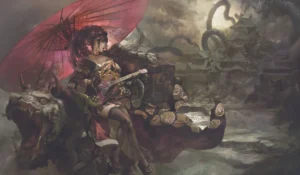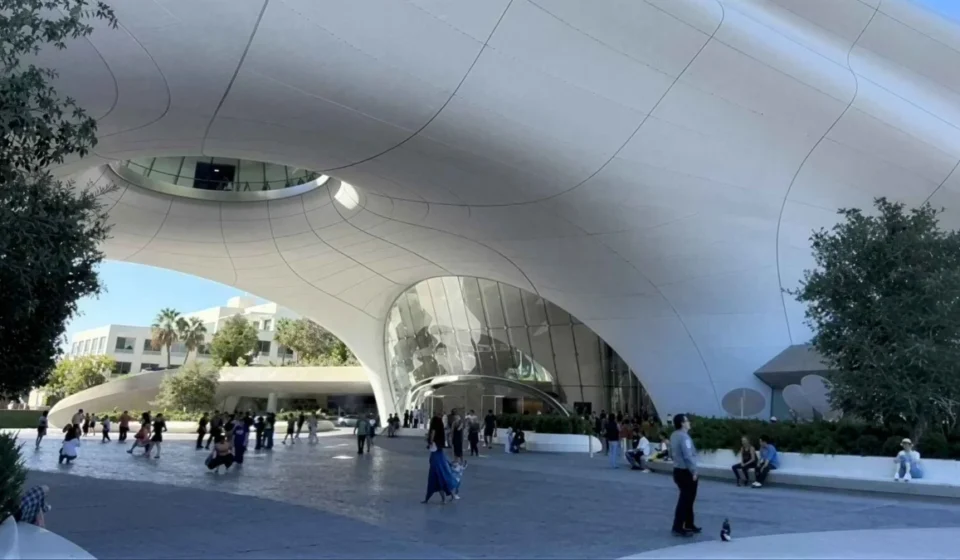

After years of anticipation, legal hurdles, and architectural refinement, the Lucas Museum of Narrative Art has finally opened its doors to the public in Los Angeles. Founded by visionary filmmaker George Lucas and his wife, businesswoman and philanthropist Mellody Hobson, the museum represents a monumental shift in how society categorizes "high art." By placing classical oil paintings alongside the production sketches of Star Wars and the dynamic panels of modern manga, the institution makes a bold, overdue statement: storytelling, regardless of the medium, is the bedrock of human culture.
A Vision Realized: The Origins and Evolution
The journey to this opening was far from straightforward. Conceived as a way to house Lucas’s vast personal collection of illustration, cinema art, and historical narrative pieces, the project faced significant delays following its original proposal in 2021. Navigating site selection—moving from Chicago to the heart of Los Angeles’s Exposition Park—required immense patience and logistical maneuvering.
The resulting structure is a testament to perseverance. Situated near the Natural History Museum and the California Science Center, the museum is designed to be an accessible anchor for the community. Its location, while situated in a city historically defined by its car culture, has been carefully integrated into the city’s expanding Metro and public transit infrastructure. For visitors, this means the museum is not just a destination for the elite, but a reachable hub for the general public, accessible via a short walk from nearby rail stations or convenient, purpose-built parking facilities.
The Architectural Dualism: Education Meets Exhibition
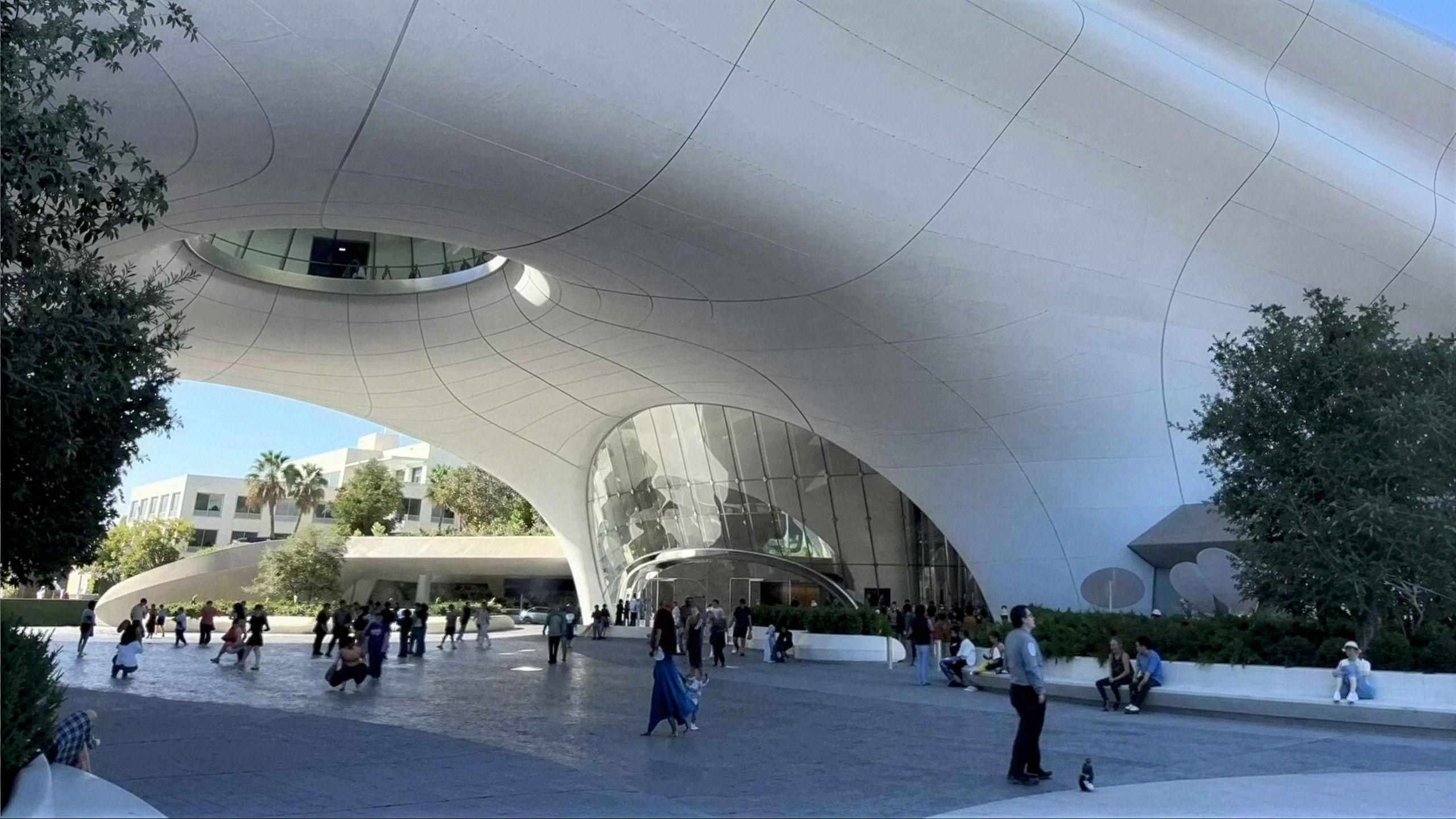
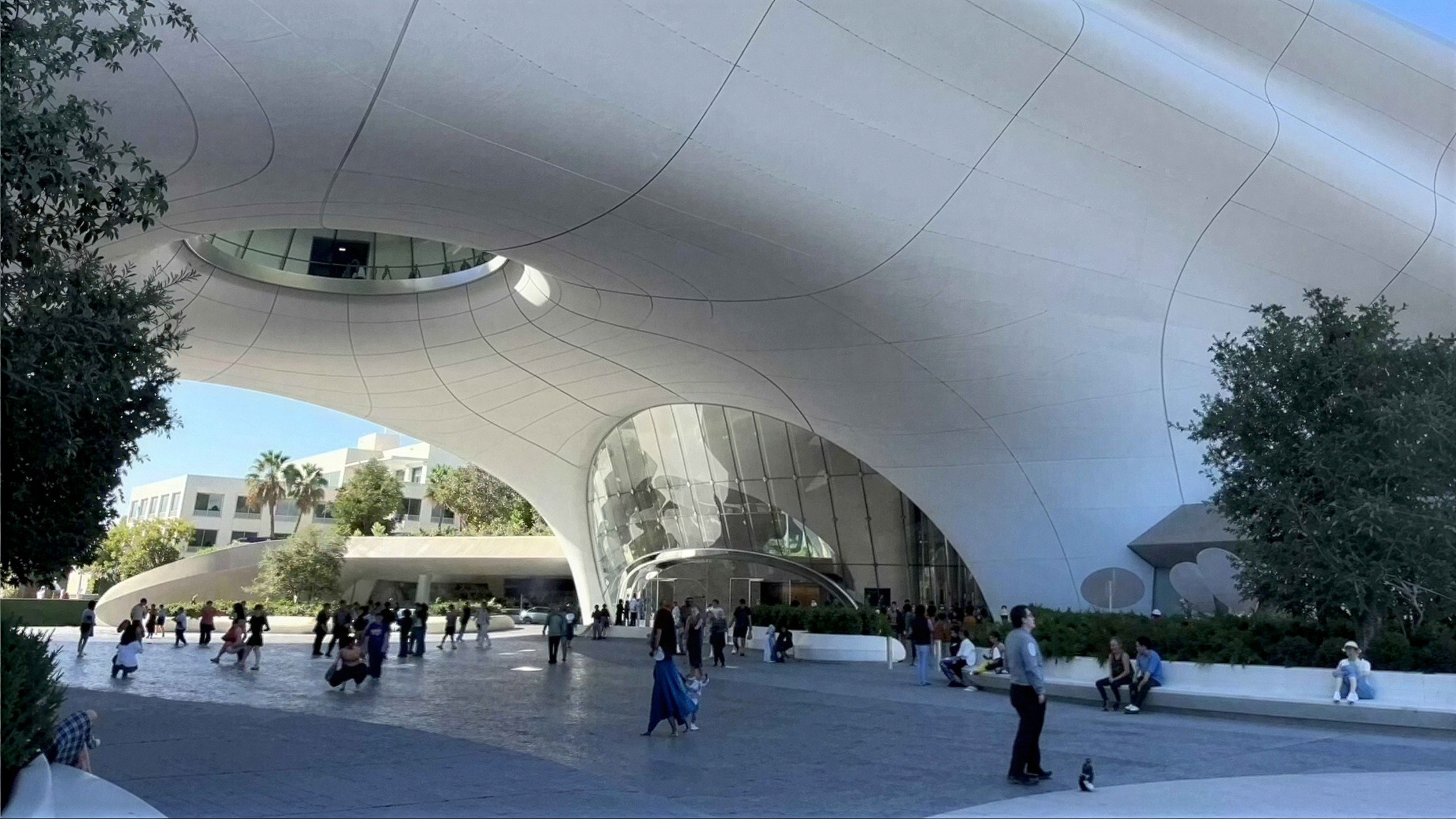
Upon arriving at the site, visitors are greeted by two distinct architectural forms. To the left sits the educational center, a bastion of knowledge centered around a multi-floor Research Library. This space serves as the intellectual engine of the museum, housing volumes that have informed the careers of countless filmmakers and illustrators.
The library is a free-access space, encouraging a spirit of inquiry. On the ground floor, visitors find literature that bridges the gap between historical documentation and visual art—such as the evocative A Day in the Life of America or the scholarly The Red Rose Girls. Above these, the second floor houses the "Skywalker Ranch Library," a restricted but legendary collection of reference materials used by Lucasfilm designers for decades of worldbuilding. The third floor, containing a massive donation of over 3,000 art books from actor and collector Steve Martin and his wife, underscores the museum’s commitment to preserving the history of creative thought.
To the right of the campus lies the main exhibition wing—the heart of the narrative experience. Unlike the library, this section requires advanced booking, a necessity given the intense public interest following the grand opening.
Redefining "Fine Art": A Curatorial Breakdown
The museum’s curatorial philosophy is arguably its most provocative feature. The first floor, dedicated to "The History of Narrative Art: Heroes, Myths, and the Sacred," leans into the traditional expectations of a museum. Featuring masters of historical fine art, including high-fidelity reproductions of Rembrandt’s The Night Watch and iconic portraits of historical figures like Henry VIII, this wing sets a baseline. It establishes that the museum respects the lineage of art history.
However, the true magic begins on the second floor. Here, the boundaries between "high" and "low" art are intentionally blurred. The galleries are organized by genre—Fantasy, the Wild West, and Science Fiction—rather than chronological order or medium. This structural choice allows visitors to draw direct lines between, for example, the rugged, romanticized paintings of the American frontier and the futuristic landscapes of modern cinema.
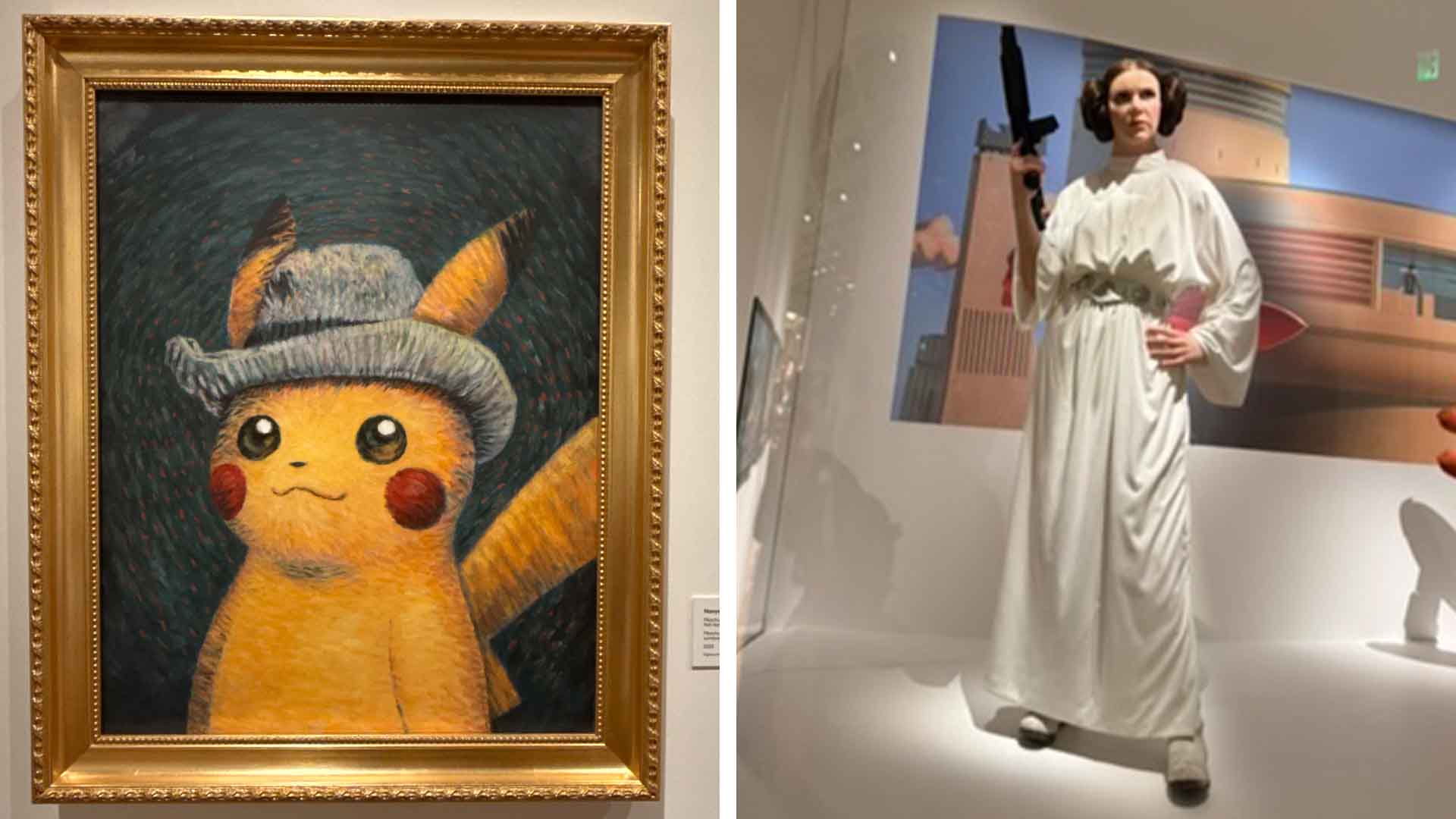
The museum’s inclusion of Manga—featuring seminal works like Astro Boy and Akira—is particularly significant. By giving these works the same gallery space as European masterworks, the institution validates the cultural importance of sequential storytelling. The inclusion of Naoyo Kimura’s self-portrait of Pikachu, famously featured in the 2023 Van Gogh Museum collaboration, serves as a bridge between the historical Dutch masters and the global pop-culture phenomenon of the 21st century. It acts as a reminder that today’s "commercial" art often becomes tomorrow’s historical artifact.
The Star Wars Phenomenon: Beyond the Blockbuster
While George Lucas is the man behind the camera of the world’s most famous space opera, the museum refuses to be a "Star Wars museum." The Star Wars gallery is present, and indeed, it is the most popular exhibit, often requiring a short, orderly queue. Yet, it occupies only a small fraction of the total floor space.
Inside, the collection is a treasure trove for anyone interested in the technical and creative history of film. From Ralph McQuarrie’s original trilogy concept art to Aaron McBride’s intense production paintings for Revenge of the Sith, the exhibit showcases the labor-intensive process of creating cinematic worlds.
Sculptures and costumes—including the intricate work of Trisha Biggar and John Mollo—provide a tactile dimension to the narrative. Seeing Doug Chiang’s design for the Darth Maul Sith Speeder up close allows the viewer to appreciate the silhouette, texture, and industrial design that defined the franchise’s visual identity. For those who grew up with these films, the gallery is a nostalgic pilgrimage; for those who didn’t, it is a masterclass in modern mythology and production design.
Implications for the Future of Museums
The success of the Lucas Museum of Narrative Art carries profound implications for the global museum community. Historically, institutions have operated under a rigid hierarchy: oil on canvas, marble sculpture, and classical photography were viewed as "art," while comic books, animation cels, and video game concept art were viewed as "entertainment."
By rejecting this dichotomy, the Lucas Museum is effectively democratizing the gallery space. It suggests that the value of an object lies in its ability to tell a story and resonate with the human experience, not in the price tag or the medium of its creation.
Key Takeaways for Visitors
- Plan Ahead: Due to high demand, tickets for the main galleries must be purchased online in advance.
- Utilize the Library: Even if you are not a researcher, the ground floor of the library is open and offers a deep dive into the inspirations behind the gallery works.
- Focus on Narrative: Do not view the exhibits as isolated pieces. Pay attention to the thematic links between the genres—how a Western painting might share color theory or lighting techniques with a piece of sci-fi concept art.
- Accessibility: Use the public transit options available in Los Angeles to avoid the stress of navigating parking in the busy Exposition Park area.
Conclusion: A New Standard for Storytelling
The Lucas Museum of Narrative Art is a triumph of vision. It succeeds in its goal to bridge the divide between the classical and the contemporary. It challenges the visitor to look at a storyboard sketch with the same critical eye they would apply to a charcoal drawing from the 19th century.
George Lucas and Mellody Hobson have not just built a museum; they have created a sanctuary for the stories that shape us. In an era where digital content is often consumed fleetingly, the Lucas Museum demands that we stop, look, and appreciate the craftsmanship behind the narratives that define our cultural landscape. Whether you are a fan of Star Wars, a student of classical painting, or simply a lover of stories, the museum offers a unique, cohesive experience that proves narrative art is, and always will be, the finest art of all.