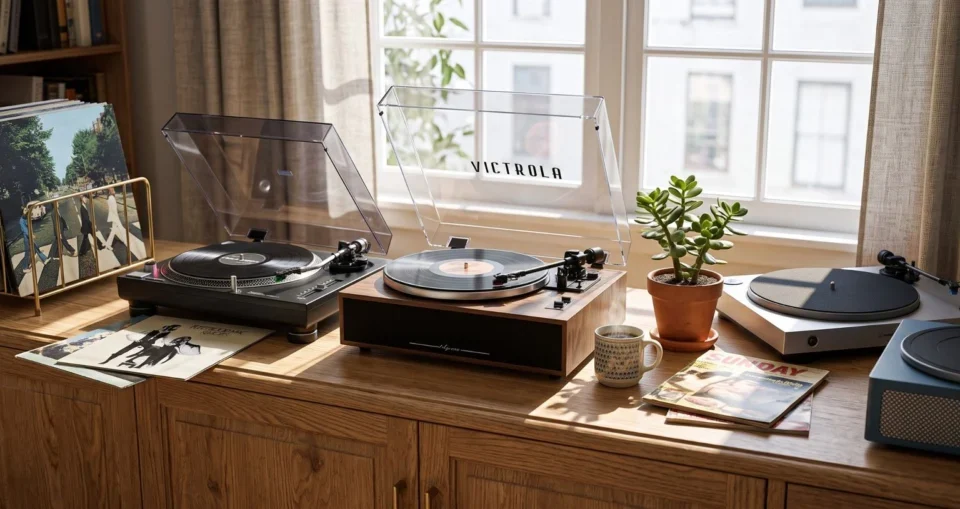

In an era defined by ephemeral digital files, algorithmic playlists, and the constant churn of subscription-based streaming services, a counter-cultural movement has solidified into a dominant market force. As we move deeper into 2026, the resurgence of physical media—led emphatically by the vinyl record—has evolved from a niche hobby for audiophiles into a mainstream cultural phenomenon.
The appeal is rooted in a desire for intentionality. Unlike the "infinite scroll" of Spotify or Apple Music, the vinyl experience demands presence. It requires the listener to select a record, clean the surface, place the needle, and commit to the deliberate act of listening. This tactile joy, combined with the often-cited "warmer" sonic profile of analog recordings, has sparked a renewed investment in hardware. Today, the turntable is not merely a utility; it is a centerpiece of interior design, a statement piece that bridges the gap between high-fidelity performance and aesthetic elegance.
The Chronology of a Comeback
The return of the turntable was not an overnight success but a slow-burning embers-to-fire transition that began in the early 2010s.
- 2010–2015: The Nostalgia Phase. Initially, the resurgence was driven by aging Boomers and Gen X-ers looking to rediscover their collections. Small independent record stores began appearing in urban centers.
- 2016–2020: The Mainstream Pivot. Vinyl sales began consistently outperforming digital downloads. Major retailers like Urban Outfitters and Target began stocking entry-level turntables, signaling a transition from "collector’s item" to "lifestyle product."
- 2021–2024: The Supply Chain Crisis and Cultural Integration. Despite production bottlenecks, the demand for vinyl continued to skyrocket. Gen Z became the largest demographic of new buyers, driven by social media trends that highlighted the aesthetic value of spinning records.
- 2025–2026: The Audiophile Renaissance. We are currently in a phase where consumers are moving past "suitcase players" and demanding higher quality components, better tonearms, and premium cartridges. Manufacturers have responded by flooding the market with everything from $29 entry-level units to high-end audiophile decks.
Supporting Data: By the Numbers
The data backing the vinyl revival is staggering. According to industry reports from the end of 2025, vinyl record sales have officially outpaced physical CD sales for the eighth consecutive year.
Market analysis indicates that the demographic profile of the average turntable buyer has shifted significantly. While older collectors remain loyal, individuals aged 18–34 now account for over 45% of total turntable sales. Furthermore, the "combo" market—turntables with built-in speakers—has seen a 15% year-over-year growth, proving that accessibility is the primary driver for new entrants to the hobby.
Price point accessibility is perhaps the most significant factor in this growth. With aggressive discounting on platforms like Amazon, consumers can now acquire a functioning, decent-quality turntable for as little as $29. This low barrier to entry allows the "vinyl-curious" to test the waters without a multi-thousand-dollar investment, often leading to a long-term commitment to the hobby as they eventually upgrade their equipment.
The Evolution of Hardware: From Suitcase to Studio
The modern turntable market is bifurcated. On one end, we have the "lifestyle" segment—compact, colorful, and often portable units that prioritize design and ease of use. On the other, we have the "audiophile" segment—heavy, vibration-dampened, precision-engineered machines designed to extract every microscopic detail from the vinyl groove.
The Entry-Level Segment
For those just starting, the current market offers incredible value. Modern entry-level decks often include features that were previously reserved for professional gear, such as adjustable anti-skate, pre-mounted cartridges, and Bluetooth connectivity, allowing users to bridge the gap between their analog records and modern wireless speakers.
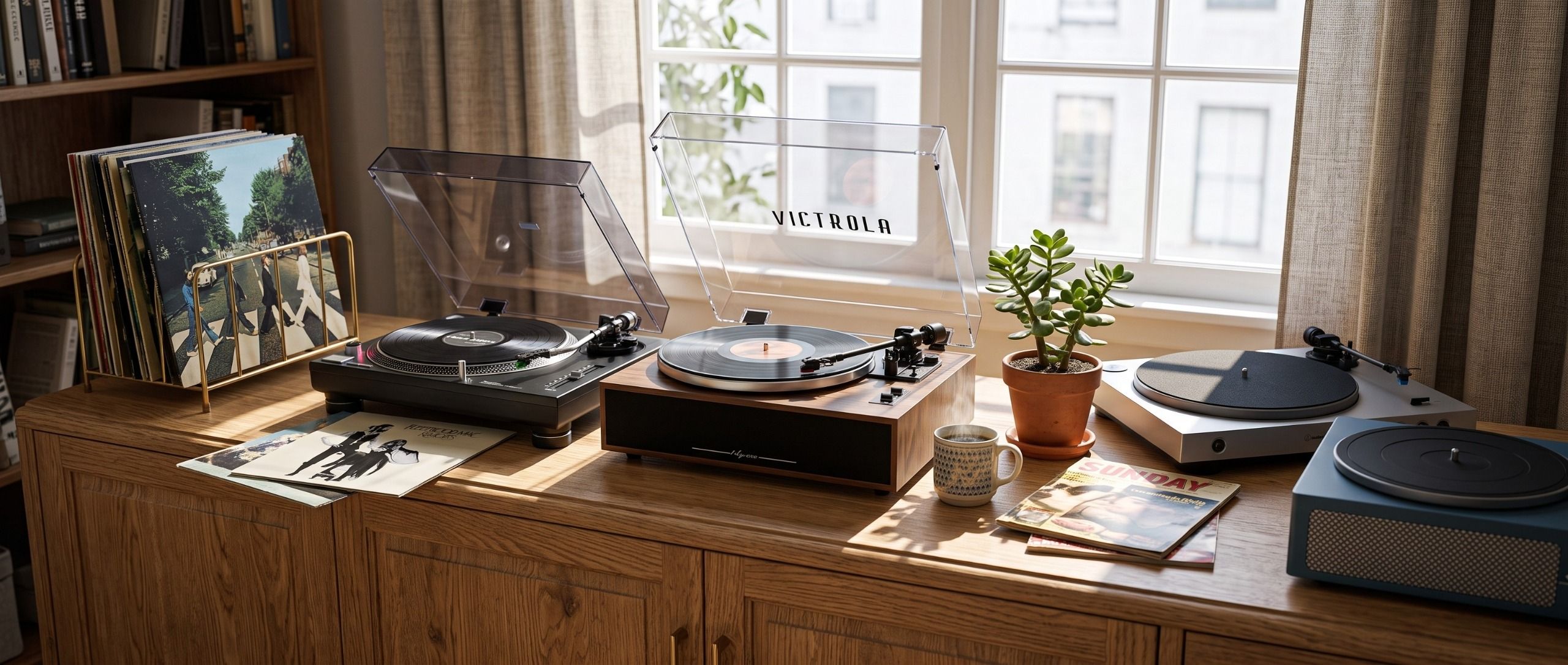
The Audiophile Segment
As enthusiasts mature in their hobby, they move toward turntables that prioritize material science. We are seeing a resurgence of high-density fiberboard (MDF) plinths, carbon fiber tonearms, and belt-drive systems that minimize "wow and flutter"—the audible speed variations that plague cheaper motors. For the dedicated listener, investing in a high-quality turntable is akin to purchasing fine furniture: it is an investment in both the longevity of their record collection and the quality of their auditory life.
Official Industry Perspectives
Manufacturers have shifted their focus to accommodate this dual-market approach. "The goal for 2026," says one industry lead, "is to ensure that the user experience doesn’t end at the purchase. We are designing turntables that grow with the user."
This philosophy is reflected in the current trend of modular design. Many mid-range turntables now feature replaceable cartridges and external pre-amps, allowing a user to start with a modest setup and upgrade specific components over time. This modularity is a direct response to the "throwaway" culture of digital tech, offering a sustainable alternative that aligns with the values of the modern creative class.
Implications for the Creative Community
The revival of vinyl has profound implications for how we consume and appreciate art. For designers and creatives, the vinyl record is the ultimate canvas. The large-format album art, the liner notes, and the physical weight of a 180-gram pressing provide a visceral connection to the music that a 128kbps stream simply cannot emulate.
Furthermore, the act of "curating" a shelf of records has become a status symbol in the remote-work era. As many professionals continue to work from home, the home office has become a sanctuary. The turntable, spinning on a shelf in the background of a video call, serves as a visual shorthand for a life that values quality, history, and deliberate living.
Choosing Your Setup: A Buyer’s Guide
If you are looking to enter the world of vinyl in 2026, the options can be overwhelming. However, the strategy remains simple:
- Define Your Space: If you live in a smaller apartment, look for "all-in-one" systems with built-in speakers. They are compact and often feature charming mid-century modern designs.
- Prioritize the Needle: If you intend to build a long-term collection, prioritize a turntable with a replaceable stylus and an adjustable counterweight. This protects your records from premature wear.
- Think About Connectivity: Do you want to use your existing high-end Bluetooth soundbar? Look for a turntable with an integrated pre-amp and Bluetooth transmitter.
- The Audiophile Upgrade: If you are ready to take the leap into high-fidelity, seek out belt-driven, manual-operation turntables. They offer the purest signal path but require a separate amplifier and dedicated speakers.
Conclusion: A Sustained Movement
The vinyl resurgence is not a fad; it is a structural shift in how we value media. In a world of infinite, disposable digital content, the record player stands as a bastion of permanence. It encourages us to slow down, to listen with intention, and to appreciate the artistry involved in the production of music.
As we look toward the remainder of 2026 and beyond, the turntable will continue to be a staple of the modern home. Whether you are a casual listener drawn to the aesthetic appeal of a vintage-styled deck or a budding audiophile chasing the perfect soundstage, there has never been a better—or more affordable—time to start your collection. By choosing to engage with music physically, you aren’t just buying hardware; you are buying into a tradition of listening that celebrates the beauty of the analog experience.