Comments Off on All Aboard for the Riviera: The Venice Simplon-Orient-Express Announces Inaugural Paris-to-Monte Carlo Route for 2027
Main Facts
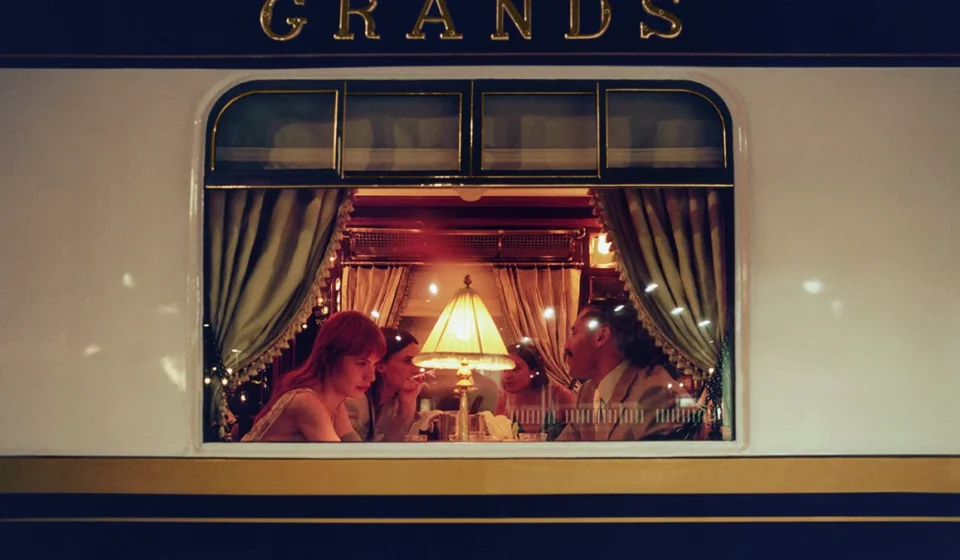
The landscape of ultra-luxury European travel is set to undergo a dazzling revival as the world-renowned Venice Simplon-Orient-Express (VSOE), operated by luxury travel group Belmond, introduces a breathtaking new route. Beginning in early 2027, the iconic train will embark on its maiden voyage from the French capital to the sun-drenched glamour of Monte Carlo. Scheduled to operate annually, this overnight journey promises to bridge two of Europe’s most storied destinations in a seamless display of vintage elegance, supreme comfort, and unmatched visual splendor.
The inaugural departure from Paris Gare d’Austerlitz to the Monaco-Monte-Carlo station is officially slated for May 10, 2027. Pricing for this exclusive overnight escapade starts at $5,461 per person, based on two guests sharing a meticulously restored Historic Cabin. The all-inclusive fare covers an overnight stay, round-the-clock dedicated steward service, exquisite multi-course dining experiences paired with a sommelier’s selection of fine wines, unlimited soft drinks, and seamless local transfers.
As the midnight-blue carriages wind their way along the dramatic French coastline, guests will experience the ultimate expression of the "art of arrival." The itinerary highlights the Côte d’Azur’s most spectacular geographies, tracking from the striking red volcanic cliffs of the Massif de l’Estérel through Saint-Raphaël, onward past the cinematic shores of Cannes and Nice, and finally cutting into the dramatic mountainside to arrive in the perennially glamorous Monegasque district.
Chronology: A Journey Fifty Years in the Making
The announcement of the Paris-to-Monte Carlo line represents a profound full-circle moment in the modern history of the Orient Express. While the original iteration of the legendary train service transformed European transit in the late 19th and early 20th centuries, its modern reincarnation owes its very existence to the principality of Monaco.
The timeline of this historic rebirth spans nearly half a century:
1977: American-British businessman and visionary James Sherwood attended a historic auction in Monte Carlo, where he successfully acquired two original 1920s luxury carriages. This pivotal purchase in the heart of Monaco laid the foundational stone for what would become a massive international restoration project.
1982: After tracking down and meticulously restoring more than 20 original sleeping, dining, and parlor cars across Europe, Sherwood officially launched the Venice Simplon-Orient-Express. The train immediately restored the golden age of rail travel to the collective consciousness.
Decades of Expansion: Over the next forty years, the VSOE expanded its network to connect major cultural hubs such as Paris, Venice, London, Vienna, Prague, and Istanbul, cementing its reputation as the gold standard of mobile luxury.
October 2026: Belmond officially announces the 2027 addition of the annual Paris-to-Monte-Carlo route, formally weaving the principality back into the operational fabric of the train’s legacy.
May 10, 2027: The Venice Simplon-Orient-Express is scheduled to depart Paris Gare d’Austerlitz on its inaugural, historic voyage to the French Riviera, officially realizing the route’s debut.
Supporting Data: Inside the Legend and the Itinerary
To fully understand the allure of the Venice Simplon-Orient-Express, one must look closely at the extraordinary craftsmanship, engineering, and onboard hospitality that define the experience.
Onboard Accommodations
Guests aboard the VSOE choose from a tiered selection of private quarters, each carefully preserved or reimagined to evoke the opulent design movements of the 1920s and 1930s (Art Deco and Art Nouveau):
Historic Cabins: These cozy, wood-paneled sanctuaries transform effortlessly from comfortable daytime seating areas into upper-and-lower berth bedrooms by night, serviced discreetly by personal stewards.
Grand Suites: Offering private en-suite facilities, double beds, and free-flowing champagne, these suites are named after the great European cities the train visits.
L’Observatoire: The pinnacle of onboard real estate, this private carriage functions as a rolling palace. It features a lavish bedroom, private en-suite bathroom, a spacious living area, a private library, and a hidden, intimate tea room designed for quiet contemplation.
Culinary and Social Spaces
Gastronomy is central to the VSOE experience. The train features two distinct restaurant cars—Étoile du Nord and L’Oriental—where master chefs prepare hyper-seasonal menus utilizing ingredients sourced directly along the train’s path. Following dinner, guests routinely migrate to the legendary Bar Car 3674, a social hub where resident pianists perform live music, and expert mixologists craft bespoke cocktails late into the night.
The Riviera Approach
The final leg of the journey offers some of the most dramatic window views in global travel. Leaving Nice, the train climbs the precipitous coastal shelves of the French Riviera before descending into the principality. Passengers find themselves mere minutes away from world-famous landmarks, including the historic Monte Carlo Casino—famed for its starring roles in cinematic history, including James Bond films—and the heart-pounding asphalt of the Circuit de Monaco.
Official Responses and Industry Perspectives
The announcement has generated immense excitement within both the high-end travel sector and the cultural communities of France and Monaco. Executives at Belmond view the route not merely as a new commercial offering, but as an emotional homecoming.
Pascal Deyrolle, general manager of the Venice Simplon-Orient-Express, emphasized the deep cultural alignment between the train and its new southern terminus in an official statement:
"Monaco has long held a special place in the story of European travel, with generations drawn to the Côte d’Azur by its distinctive sense of style, culture, and occasion. Introducing the destination feels like a natural continuation for the Venice Simplon-Orient-Express, bringing the romance of luxury rail travel to a locale that has always understood the art of arrival."
Reflecting on the historical ties that bind the train’s founding to the shores of the Mediterranean, Deyrolle added:
"There’s something rather special about coming back to Monte Carlo, given the role it played in the train’s history. In 1977, two original carriages were acquired here at auction, setting in motion the journey that would become the Venice Simplon-Orient-Express we know today."
Tourism boards across the French Riviera have likewise lauded the decision, predicting that the high-net-worth travelers drawn to the VSOE will provide a sophisticated, eco-conscious boost to shoulder-season tourism in the region.
Implications for Luxury Travel and Sustainable Tourism
The launch of the Paris-to-Monte Carlo VSOE route carries significant broader implications for the future of global tourism, signaling shifting paradigms in how affluent consumers view travel, time, and environmental impact.
The Renaissance of Slow Travel
In an era dominated by hyper-efficient, carbon-heavy commercial aviation, the popularity of luxury rail represents a profound philosophical counter-movement. Travelers are increasingly rejecting the airport terminal experience in favor of "slow travel"—where the transit itself is the primary destination. By spending a night traversing the changing topography of France in a pristine Art Deco cabin, passengers trade the sterile speed of a jet for an immersive, sensory-rich journey through time and landscape.
Economic and Cultural Impact on Monaco
For the Principality of Monaco, the integration into the VSOE network reinforces its status as a timeless sanctuary for elite travelers. While Monte Carlo is globally recognized for modern yachting, supercars, and high-stakes gaming, the arrival of the Orient Express roots the destination firmly back in its Belle Époque heritage. It encourages longer, more deliberate stays, appealing to cultural tourists who value historical authenticity alongside modern opulence.
The Future of Heritage Rail
Belmond’s ongoing investment in antique rolling stock demonstrates that historic preservation can be commercially viable at the highest tiers of hospitality. As heritage railways face mounting maintenance challenges, the success of routes like Paris-to-Monte Carlo proves that discerning travelers are willing to invest heavily in authentic craftsmanship. This trend is likely to inspire further restoration projects across Europe, ensuring that the golden age of rail engineering continues to captivate new generations well into the 21st century and beyond.