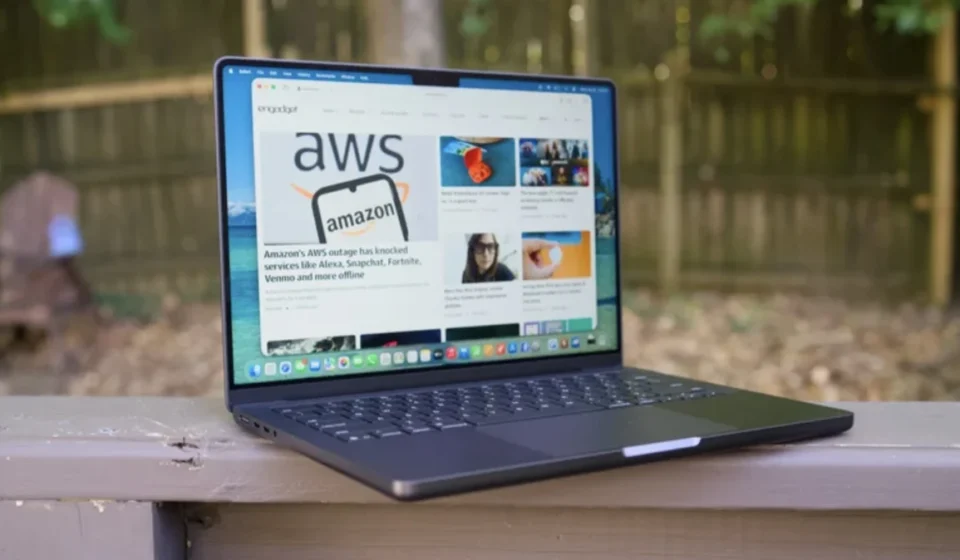

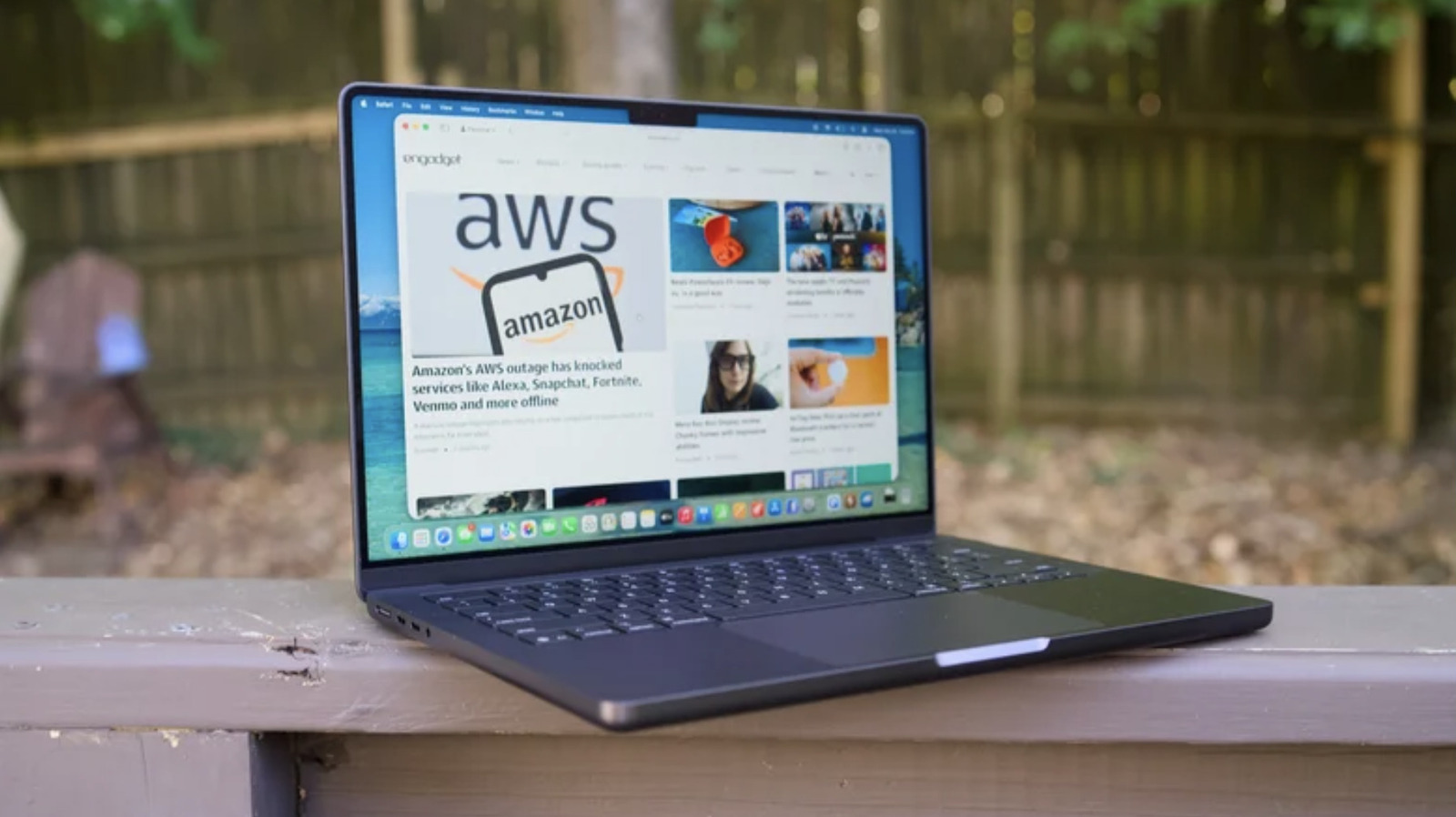
The long-standing skepticism regarding Apple’s reluctance to adopt touch interfaces for its computing line is finally meeting its match. After years of speculation, internal leaks, and a clear shift in market dynamics, Apple appears ready to bridge the gap between its mobile and desktop ecosystems. According to reports from Bloomberg, the technology giant is poised to launch its first-ever touchscreen MacBook—a product line colloquially dubbed the "MacBook Ultra"—on or around October 27, 2026.
This anticipated reveal marks a pivotal departure from the company’s long-held philosophy, one that once famously decried the ergonomics of "gorilla arm" fatigue associated with vertical touchscreens. As Apple prepares for what promises to be one of its most consequential autumn hardware events in recent memory, the industry is bracing for a fundamental change in how users interact with macOS.
The Main Facts: A New Chapter in Apple Computing
The core of the upcoming announcement centers on the integration of a responsive, dynamic touchscreen interface into the MacBook form factor. For years, Apple maintained that the iPad was the premier touchscreen device and the MacBook the premier laptop, keeping the two distinct. However, the blurring lines between iPadOS and macOS have made a convergence inevitable.
Key Highlights of the October Reveal:
- The Touchscreen MacBook: Expected to feature a "dynamic interface" that shifts and adapts based on the user’s input method, be it keyboard, trackpad, or direct touch.
- M5 Powerhouse: Contrary to earlier rumors suggesting an M6 leap, the flagship touchscreen laptop is expected to leverage the M5 Pro and Max chip architecture, ensuring that performance remains uncompromised despite the new interface requirements.
- Redesigned iPad Mini: A refreshed model featuring a high-fidelity OLED display is expected to accompany the laptop debut.
- M6 Integration: While the flagship laptop sticks with the M5, entry-level 14-inch MacBook Pros and iMacs will see a performance bump, transitioning to the M6 chip, which recently debuted in the Mac mini refresh.
A Chronology of Anticipation: From Rumor to Reality
The journey to a touchscreen Mac has been anything but linear. The narrative has shifted from outright denial to cautious exploration and finally, to full-scale production.
2023: The Initial Whispers
The rumor mill first gained serious traction in 2023, when internal reports suggested Apple engineers were actively prototyping touchscreen displays for the MacBook Pro line. At the time, industry analysts were skeptical, citing Apple’s rigid adherence to Steve Jobs’ vision of the desktop computer as a non-touch peripheral.
2024–2025: Software Convergence
Throughout the last two years, the integration of Apple Silicon—specifically the M-series chips—allowed for a level of software parity that had never existed before. As macOS gained features heavily inspired by iOS, such as widgets and more fluid gestures, the physical hardware began to feel like the final bottleneck.
October 2026: The "Touch" Event
With the date set for late October 2026, Apple is positioning itself to capture the holiday market with a device that promises to disrupt the status quo. This follows a high-profile summer that saw the launch of the "iPhone Duo," Apple’s first foray into the foldable smartphone market, signaling that 2026 is, without question, the year of hardware experimentation for the company.
Supporting Data and Technical Implications
The technical architecture behind the rumored "MacBook Ultra" suggests that Apple is not simply slapping a touch-sensitive layer onto a standard panel. Instead, the company is reportedly developing a proprietary software layer that detects when a user’s hand is approaching the screen, adjusting UI elements to be more touch-friendly—a concept referred to as a "dynamic interface."
The Chipset Conundrum
One of the most interesting aspects of the report is the decision to utilize M5 Pro and Max chips for the flagship touchscreen model. With the M6 chip now available for the entry-level Mac mini, the choice to stick with the M5 for the premium laptop suggests that Apple is prioritizing stability and mature software optimization for the new touchscreen interaction layer over raw, untested processing power.
Display Evolution
The transition to OLED for the iPad Mini is a significant quality-of-life improvement. OLED panels offer deeper blacks, higher contrast ratios, and better power efficiency compared to traditional LED or mini-LED displays. If this technology is successfully implemented in the iPad Mini, it provides a roadmap for future touchscreen MacBooks to adopt similar panel technology in later iterations.
Official Responses and Corporate Strategy
Apple, as is its tradition, has declined to provide official comment on the unannounced hardware. However, the company’s recent activities suggest a strategy of "aggressive iteration." By launching smart home devices on October 13, followed by the computing event on October 27, Apple is effectively dominating the tech news cycle for the entirety of the month.
Observers note that Apple’s shift toward touch on the Mac is not merely a design choice, but a competitive necessity. With Microsoft’s Surface line having occupied the "touch-laptop" niche for over a decade, Apple is no longer the sole arbiter of what a professional computing device should look like. To maintain its dominance in the premium laptop market, Apple must satisfy a generation of users who have grown up with tablets and expect touch as a standard feature of modern hardware.
Implications: The Future of the Apple Ecosystem
The release of a touchscreen MacBook carries profound implications for the future of macOS and the broader Apple ecosystem.
1. The Death of the "Tablet vs. Laptop" Dichotomy
For years, users have been forced to choose between the portability and touch-utility of the iPad and the raw power and file-management capabilities of the MacBook. If the "MacBook Ultra" succeeds, it could eventually lead to a singular, unified hardware platform that eliminates the need for separate product lines.
2. Developer Challenges
The shift to a touch-capable macOS will require third-party developers to rethink their application interfaces. Software designed for precision mouse-and-keyboard input will need to be updated to support larger touch targets and gesture-based navigation. While Apple is expected to provide robust APIs to assist in this transition, the initial launch period will likely be a testing ground for software compatibility.
3. The Smart Home Integration
Apple’s upcoming October 13 event, focused on smart home gadgets, acts as a precursor to the main computing event. It highlights a broader strategy: Apple wants to own the "hub" of the home. A touchscreen laptop that can interface seamlessly with new smart home devices suggests that the Mac is evolving into a command center for the modern, connected household.
4. Market Impact
By refreshing the entry-level MacBook Pro and iMac with M6 chips simultaneously, Apple is ensuring that it does not alienate its core user base. While the touchscreen model targets early adopters and creative professionals, the core computing line remains robust and updated, maintaining Apple’s dominance across all price points.
Conclusion: A New Era
As the industry counts down to October 27, the stakes could not be higher. Apple is attempting to balance its legacy of perfectionism with the need for modern innovation. By introducing a touchscreen to the MacBook line, the company is finally acknowledging that the way we interact with technology is not static.
Whether the "MacBook Ultra" becomes the new industry standard or remains a niche device for specific creative workflows, the move confirms that Apple is willing to reinvent itself to stay relevant. In a world where screens are everywhere, the keyboard and trackpad are no longer the final word in human-computer interaction. The touch era of the Mac is officially upon us, and the landscape of personal computing is about to change forever.
Related posts: