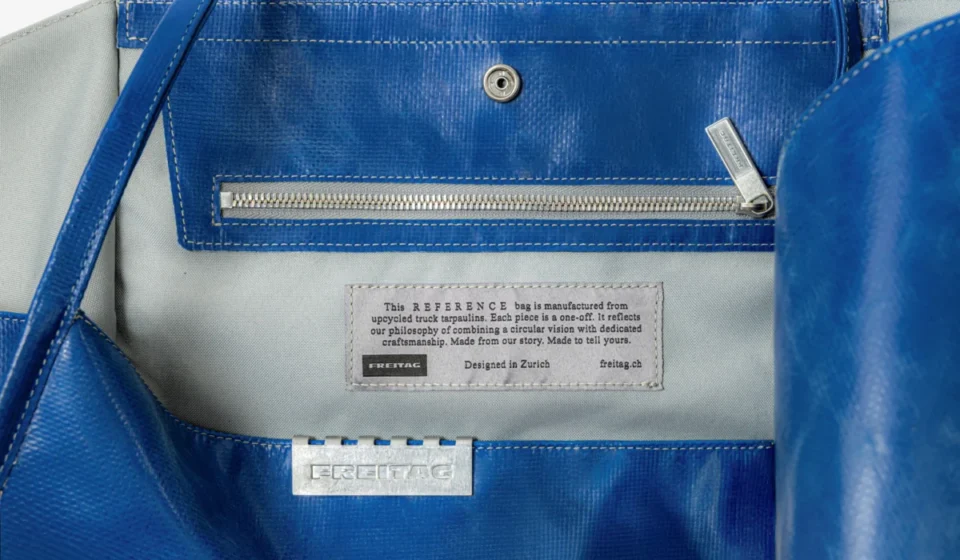

In the traditional landscape of high-end fashion, the definition of luxury has remained largely stagnant for decades. Consumers have been conditioned to equate the term with specific, often narrow, signifiers: the buttery grain of exotic leathers, the meticulous precision of artisanal embroidery, and a form-over-function ethos that occasionally veers into the impractical. Yet, as the global fashion industry grapples with its ecological footprint, a radical shift is occurring—one that prioritizes the narrative of the object as much as its aesthetic polish.
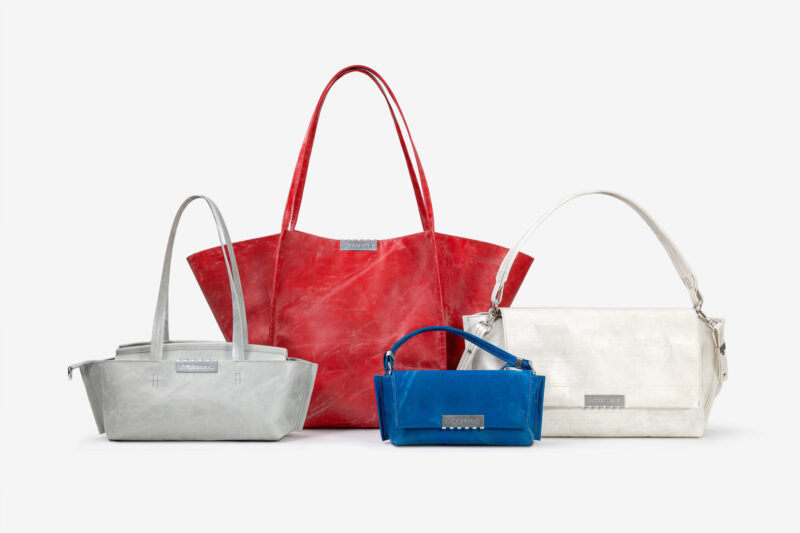
Enter Anne Bachmann, the visionary designer at Freitag, who has spent her tenure systematically dismantling the conventions of what constitutes a "luxury good." With the October 8th launch of the Reference collection, Freitag—a brand long synonymous with urban utility and industrial upcycling—has successfully bridged the gap between raw, utilitarian salvage and the elevated, minimalist requirements of the contemporary fashion market. The collection, featuring four distinct bag silhouettes, serves as a masterclass in how sustainable material sourcing can coexist with high-end, sculptural design.

The Genesis of the Reference Collection
The story of the Reference collection is not one of design sketches and mood boards, but one of discovery and industrial observation. For Bachmann, the project began with a fundamental question: How can we honor the inherent history of a material while creating something that feels entirely new?
Freitag has built its reputation on the use of used truck tarpaulins—materials that have traversed thousands of miles of European highways, bearing the scars of weather, road salt, and the mechanical rigors of transport. While these tarps were originally designed for function—protecting cargo from the elements—Bachmann saw something more.
"I am fascinated by the effortless beauty of objects that were never designed to please," Bachmann explains. Her approach to the Reference collection was rooted in the concept of "opportunistic wandering." This philosophy, which describes a state of receptivity while moving through urban or industrial environments without a set destination, led to the development of the collection’s most striking features.
The unique magnetic clasp system, for instance, was not the result of a luxury hardware supplier’s catalog. It was born from a moment of observation in the company’s Zurich factory, where Bachmann spotted a utilitarian hook mechanism on heavy-duty shelving. By recontextualizing this industrial component, she created a clasp that feels both grounded in engineering and refined in its execution.

Chronology: From Roadside to Runway
To understand the lifecycle of a Reference bag, one must look at the rigorous, multi-stage process that brings each piece to life:
- Sourcing (The "First Life"): Across Europe, the Freitag sourcing team identifies truck tarps that have reached the end of their functional lives in logistics. These materials are selected not just for color, but for the depth of their "patina"—the unique markings, scuffs, and textures that serve as a visual record of their time on the road.
- The Zurich Selection: Once brought to the Zurich facility, the tarps are cleaned and meticulously inspected. Bachmann and her design team hand-select segments of the material to ensure that each bag will possess a distinct aesthetic signature.
- Design and Prototyping: The trapezoidal silhouettes are finalized. These shapes are chosen to provide a dynamic, sculptural flow, ensuring the bags look as good when worn as they do when stationary.
- Manufacturing (October 8th Launch): The bags are cut and assembled, integrating the new bespoke hardware and labels.
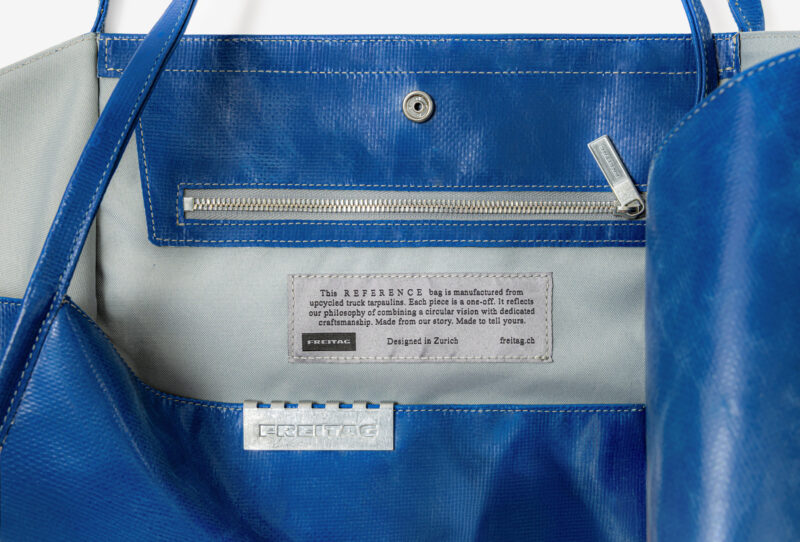
- Post-Consumer Longevity: Unlike fast fashion, the lifecycle of a Reference bag is designed to be indefinite. Each purchase includes a repair kit, allowing the user to maintain the bag using the same material from which it was constructed.
Supporting Data: The Anatomy of a Luxury Upcycle
The Reference collection consists of four primary designs: the Elly, Bates, Mazie, and Nan. While each bag shares a core DNA—the trapezoidal silhouette—the variation in their construction is significant.

Material Specifications
- Base Materials: Post-consumer truck tarpaulins.
- Color Palette: White, silver, red, blue, and a highly exclusive limited-edition black.
- Hardware: Custom magnetic closures derived from industrial shelving components.
- Sustainability Metric: By utilizing existing industrial waste, the collection reduces the demand for virgin plastics and petroleum-based synthetic leathers, effectively extending the lifespan of materials that would otherwise be destined for landfills or incineration.
The "patina" of each bag is not merely a byproduct; it is a feature. In the luxury market, where uniformity is often the standard, the Reference collection argues that the "perfect" imperfection—a scrape from a tree branch or the faded hue of a sun-bleached corner—is the ultimate signifier of quality and exclusivity.
Official Responses and Philosophical Implications
The industry response to the Reference collection has been one of curiosity and respect. By positioning itself in the luxury space, Freitag is challenging the assumption that sustainability must look "rugged" or "bohemian."

Bachmann’s commentary on the collection highlights a profound shift in consumer psychology: "Emotional attachment prevents waste. What we love and share a history with, we rarely throw away."
This is the core of the Reference philosophy. In a world of disposable fashion, the act of carrying a bag that has already lived a life—and will continue to evolve as the user adds their own daily scuffs—creates a psychological contract between the owner and the object. It transforms a piece of "trash" into a "companion."
The Implications for Future Fashion
The success of this collection poses a question for the luxury industry at large: Is the future of high-end fashion found in the laboratory, or in the warehouse?
Freitag’s approach suggests that the most compelling designs of the next decade will be those that embrace circularity. By providing a repair kit with every bag, the brand is effectively inviting the consumer to become a participant in the product’s maintenance. This is a radical departure from the "planned obsolescence" model that has dominated the luxury handbag sector, where bags are often designed to be replaced every few seasons.

Conclusion: The New Definition of Exclusivity
True luxury, as defined by the Reference collection, is no longer about the rarity of a material (like crocodile skin or gold hardware) but the rarity of a narrative. Because no two truck tarps have traveled the same routes or weathered the same storms, no two Reference bags are identical.
When a customer purchases an item from this collection, they are not just buying a bag; they are acquiring a fragment of industrial history. They are participating in a system where the "devil is in the details"—from the bespoke magnetic clasps to the thoughtful inclusion of repair materials.

As we look toward the future of fashion, the Reference collection serves as a poignant reminder that the most luxurious thing we can possess is something that is built to last, designed to evolve, and inextricably linked to the world around us. Through this release, Anne Bachmann and the team at Freitag have not only created a new collection; they have set a new benchmark for what it means to carry something with both purpose and prestige.