The High Cost of Heroics: Why Restaurant Brands Must Rethink Recognition to Retain Talent

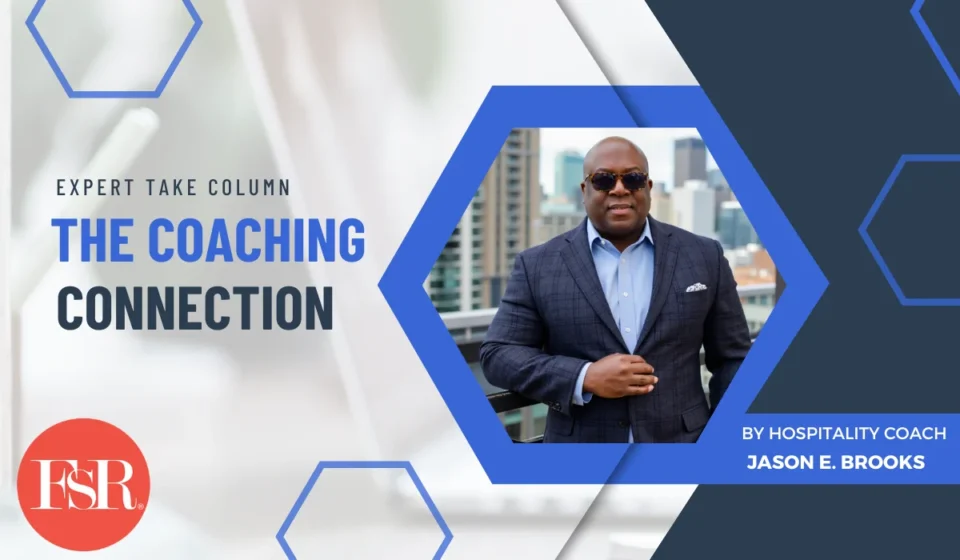
In the high-stakes environment of the restaurant industry, the "hero" narrative is a well-worn trope. We celebrate the manager who works 80 hours a week, the leader who answers emails from a hospital waiting room, and the supervisor who has not taken a vacation in three years. To many, these individuals represent the pinnacle of dedication. However, according to industry veteran and leadership coach Jason E. Brooks, this celebratory culture is not just misguided—it is a dangerous mask for operational fragility that is quietly hemorrhaging a brand’s most valuable future talent.
As restaurant chains grapple with record-high turnover and an increasingly competitive labor market, the way companies define "success" has come under intense scrutiny. When corporate headquarters applaud endless availability over sustainable, systems-based management, they are inadvertently teaching their workforce that the only way to climb the ladder is to dismantle their personal lives.
The Anatomy of a Recognition Ritual
To understand the scope of the problem, one must look at the standard industry awards ceremony. These events are designed to be morale boosters, yet they often result in the opposite. When a manager is called to the stage, the citation typically emphasizes their physical presence: "They were the first in and the last out," "They were always on call," or "They sacrificed everything for the team."
While the applause that follows is genuine, the atmosphere in the room often shifts from celebration to apprehension. For the high-performing manager already struggling to find work-life balance, the message is clear: If this is what it takes to be recognized, I am not willing to pay that price.
The Two Silent Thoughts
During these ceremonies, two specific, unspoken anxieties permeate the audience:
- The Inadequacy Trap: Stretched-thin managers wonder if they are being overlooked despite working just as hard. They begin to question the visibility of their own labor.
- The Sacrifice Calculus: Managers who are trying to preserve some semblance of a personal life begin to calculate the cost of promotion. They weigh their child’s soccer games, family dinners, and mental health against the "price of admission" set by the award-winner.
A Chronology of Fragility
The reliance on "hero culture" is not a new phenomenon, but it has been exacerbated by the labor shortages of the post-pandemic era.
Historically, restaurant management was built on the "grind" model. In the early 2000s, this was viewed as a rite of passage. However, as the industry shifted toward more sophisticated operational metrics, the "hero" model became an anchor.
- Phase 1: The Cult of Availability: For decades, the industry rewarded physical presence. If the manager was there, the store was assumed to be safe.
- Phase 2: The Shift to Metrics: With the rise of QSR (Quick Service Restaurant) technology, data became king. Yet, the recognition culture lagged behind, still favoring the "always-on" personality over the data-driven systems builder.
- Phase 3: The Current Disconnect: Today, we are seeing the consequences. Managers who are "always on" are often the ones actively interviewing with competitors.
Jason E. Brooks recalls a personal experience that serves as a cautionary tale: standing in a hotel hallway on a phone call with a recruiter for a new job, only to walk into a conference room moments later to receive a "Consultant of the Year" award. The brand was applauding the very behavior—an inability to disconnect—that was driving him to quit.
Supporting Data: Why "Heroics" Fail
The evidence suggests that when we reward the "hero," we are actually rewarding a lack of development.
- If a manager is always at the location: The team is not developed enough to function autonomously.
- If a manager is always on call: No systems were built to protect off-hours, meaning the operation is dependent on a single point of failure.
- If a manager is always opening and closing: The team has not been trusted or trained to handle critical operational transitions.
This is not a story of leadership; it is a story of operational fragility. A truly great manager is one who builds a system that functions as well in their absence as it does in their presence. By failing to measure and reward these "quiet" victories—such as turnover reduction through coaching or successful delegation—brands are essentially incentivizing the creation of fragile, leader-dependent operations.
The Institutional Implication: A Shrinking Talent Pool
The long-term implications for brands that continue to celebrate overwork are dire. When the path to promotion requires a total surrender of one’s personal life, the most talented, balanced, and sustainable leaders opt out.

They do not resign with a public declaration of "I’m leaving because your culture is toxic." They simply stop raising their hands for promotions. Two years later, when the company conducts a "bench strength review," they find a leadership void. The leadership team is left wondering why their high-potential employees have stagnated, never tracing the decline back to the night they stood on stage and applauded the manager who never went home.
Redefining Recognition: What Should We Measure?
Recognition programs are not merely "thank you" notes; they are a map. They tell the rest of the organization exactly what success looks like. To shift the culture, brands must pivot from rewarding attendance to rewarding leadership outcomes.
A New Framework for Awards
Industry leaders should consider moving toward objective, measurable categories that reflect a healthy, scalable business:
- Bench Development: How many people did this manager successfully promote? A robust bench is the only way to scale a brand.
- Retention Through Coaching: Reward the operator who reduces turnover through team engagement, not through pressure or constant oversight.
- The "Vacation" Metric: Recognize the manager whose store ran perfectly while they were on vacation, because that signifies a team that has been properly trained and empowered.
- Operational Consistency: Reward the adherence to systems that allow for a work-life balance, proving that the business does not require human sacrifice to remain profitable.
Official Industry Perspectives
The consensus among modern organizational psychologists and hospitality experts is shifting. The "hero" is being replaced by the "architect"—the leader who designs the environment where others can succeed.
"Every award you hand out is a training session," says Brooks. "Keep applauding the manager who never leaves, and you will keep growing managers who never leave."
Brands that have successfully pivoted to this model report higher employee satisfaction and, notably, better bottom-line results. When a manager is encouraged to build a team that can operate independently, they have the bandwidth to innovate, improve guest experiences, and focus on long-term strategy rather than just putting out daily fires.
Conclusion: The Power of the Audience
The next time a restaurant group holds an awards ceremony, the leadership team must ask themselves a critical question: What are we teaching the room?
The people in the seats are listening much more closely than we think. They are watching to see if the organization values the human beings behind the title or if they are simply consuming them.
The goal of recognition should be to create a sustainable pipeline of talent. By choosing to celebrate the leaders who build systems rather than the ones who rely on personal exhaustion, brands can shift from a culture of fragility to one of resilience. The applause may be quieter for the leader who leaves at 5:00 p.m. because their team is thriving, but that is exactly the kind of leadership that will sustain the industry for the next generation.
As an industry, we must stop asking our best people to disappear out of their own lives to get our attention. Instead, let us reward the courage it takes to build a team that doesn’t need a hero—because it already has a leader.
Related posts: