

In the high-stakes world of global brand design, few names command as much respect for both their aesthetic vision and their leadership philosophy as Chloé Templeman. As the Executive Creative Director at Pearlfisher, a renowned agency dedicated to the concept of "irresistible human connection," Templeman has spent nearly two decades defining the visual identities of some of the world’s most recognizable brands. From the heritage-rich shelves of Fortnum & Mason to the global reach of Unilever and Diageo, her career serves as a masterclass in how to bridge the gap between commercial strategy and emotional resonance.
This profile explores the trajectory of a creative leader who has navigated the demanding London agency circuit, championed the next generation of designers, and maintained an unwavering commitment to the "human" element in an increasingly automated world.
The Trajectory of a Creative Force: A Chronology
Chloé Templeman’s journey into the upper echelons of creative direction is a testament to the power of persistence and the evolution of a distinct design voice. Hailing from Scotland, Templeman transitioned from her early creative roots to the epicenter of the global design industry in London.
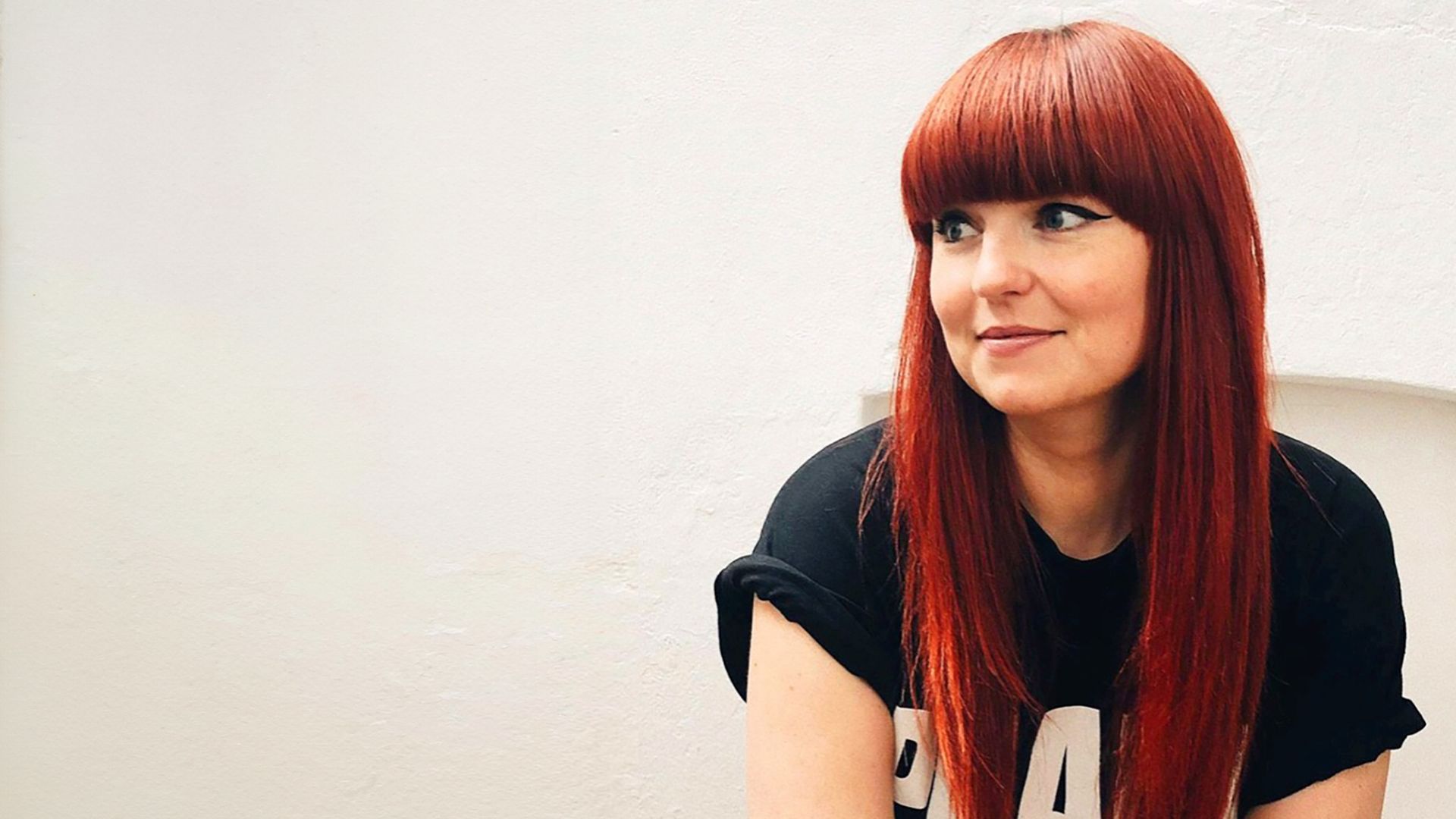
- Early Years: Immersed in the foundations of visual arts, Templeman spent her formative years honing a design philosophy that favored clarity and purpose over decorative artifice.
- The London Agency Crucible: Over a 17-year tenure, she navigated the competitive landscape of top-tier London agencies. It was here that she transitioned from a specialist designer to a holistic creative strategist, managing complex briefs for FMCG (Fast-Moving Consumer Goods) giants.
- The Pivot to Leadership: Upon stepping into the role of Creative Director, Templeman faced the internal hurdle of imposter syndrome—a phenomenon she now speaks about openly to help other women in leadership. She successfully navigated this period by anchoring her identity in her own unique, authentic approach rather than mimicking the leadership styles of her predecessors.
- Present Day: As the Executive Creative Director at Pearlfisher, she is not only overseeing high-level brand strategy but is also heavily involved in mentorship programs, focusing on diversity, inclusion, and the cultivation of emerging talent.
Imposter Syndrome and the Myth of the "Right Way"
A significant portion of Templeman’s recent discourse centers on the psychological challenges inherent in creative leadership. When asked about her most significant "imposter syndrome" moment, she points directly to her promotion to Creative Director.
"It was a role I’d always wanted, and worked so hard to get to," Templeman reflects. "But once I got there, I looked at the other directors around me—many of whom used to be my boss—and felt like I didn’t quite measure up to their brilliance. I didn’t operate the same way they did, and I was secretly convinced I shouldn’t be in the role."
The breakthrough occurred during a high-pressure pitch process. By winning a major account through her own distinct methodology, she realized that the industry does not require a monolithic creative leader. Instead, the most effective teams are built upon a foundation of diverse perspectives and varying operational styles. This realization allowed her to shed the burden of "performing" competence and instead embrace the efficacy of her own intuition.
The "Anti-Design" Paradox: Embracing the Ugly
In the realm of aesthetics, Templeman is an advocate for the "so bad it’s good" movement, often referred to as "anti-design." This trend—characterized by clashing palettes, discordant typography, and the intentional use of lo-fi, 1990s-style clip art—serves as a necessary reaction to the hyper-polished, sterile aesthetics that have dominated digital spaces for the last decade.
Templeman argues that this resurgence of "clumsy" design is not merely a nostalgic quirk; it is a strategic injection of playfulness into a stagnant visual landscape. However, she notes that it is a dangerous game to play. "It requires a masterful touch, and the right context and application to communicate the intended message," she explains. When executed with precision, it disrupts the viewer’s expectations and creates an immediate, visceral connection—exactly the "irresistible" quality Pearlfisher strives for in its broader work.
The AI Conflict: Human Intuition vs. Algorithmic Safety
Perhaps the most contentious area of the current design landscape is the integration of Artificial Intelligence. Templeman offers a stark warning regarding the reliance on AI for creative feedback. Her stance is rooted in the belief that design is a human-centric discipline that necessitates deep empathy, context, and a grasp of the "brief."

The Risks of Algorithmic Creative Feedback:
- Context Blindness: A machine, by definition, lacks the cultural nuances and situational awareness required to solve a specific brand problem.
- The "Safety" Trap: Because AI is trained on historical data, it naturally gravitates toward the status quo. In an industry built on innovation, relying on AI to critique work often results in "safe," iterative, and ultimately forgettable designs.
- De-skilling the Human: Handing decision-making power to an algorithm erodes the confidence and gut instinct of the creative professional.
"If we want to create truly great, disruptive design, the human perspective has to lead," Templeman asserts. She acknowledges that AI can be a useful tool for refining ideas that have already been formed, but she remains staunchly opposed to the idea of AI as a final arbiter of creative quality.
The 24/7 Creative Mindset: Beyond the 5:30 PM Clock-Out
A central theme in Templeman’s professional life is the rejection of the "9-to-5" creative model. She posits that creativity is not a task-based occupation but a lifestyle—an orientation toward the world that cannot be simply switched off.
"I see the world through a completely different lens; my eyes and ears are constantly open and pulling inspiration from the most unexpected places 24/7," she notes. This perpetual state of observation is the fuel for her creative output. While this may sound exhausting to some, for Templeman, it is a deeply held passion. It is this constant, active engagement with the world that allows her to bring fresh perspectives to long-standing brands, ensuring that they remain relevant in an ever-changing cultural climate.
Implications for the Future of Brand Strategy
Templeman’s philosophy highlights a pivotal moment in the creative industries. As technology continues to offer more shortcuts and automated solutions, the value of the human "creative director" is shifting. It is no longer enough to simply oversee the production of assets; the modern leader must be a curator of human emotion, a mentor to the next generation, and a protector of the "brave" idea against the gravitational pull of algorithmic mediocrity.
By championing the Scottish concept of Gaisgeil—a term denoting someone who is both brave and fiercely capable—Templeman sets a high bar for her peers. Her career trajectory suggests that the future of design lies not in the perfection of tools, but in the courage to remain human, to embrace the "ugly" when it serves the story, and to trust the gut instinct that no amount of data can replicate.
Looking Ahead
As Templeman continues her work at Pearlfisher, her focus remains clear: supporting women in leadership and ensuring that the next generation of designers is equipped to handle the intersection of strategy and art. In a world that is increasingly trying to streamline creativity, Chloé Templeman stands as a firm advocate for the messy, brilliant, and deeply human process that defines true design excellence.