Stolen Masterpieces Recovered: Two Priceless Renoir Paintings Returned to Southern French Museum After Daring Pre-Dawn Heist

CAGNES-SUR-MER, FRANCE — Local authorities in the picturesque southern French coastal town of Cagnes-sur-Mer have successfully recovered two invaluable paintings by the legendary Impressionist master Pierre-Auguste Renoir. The artworks, which carry an estimated combined market value of €9 million (approximately $10.5 million), were violently excised from their frames during a sophisticated, pre-dawn raid that shocked the global art community last month.
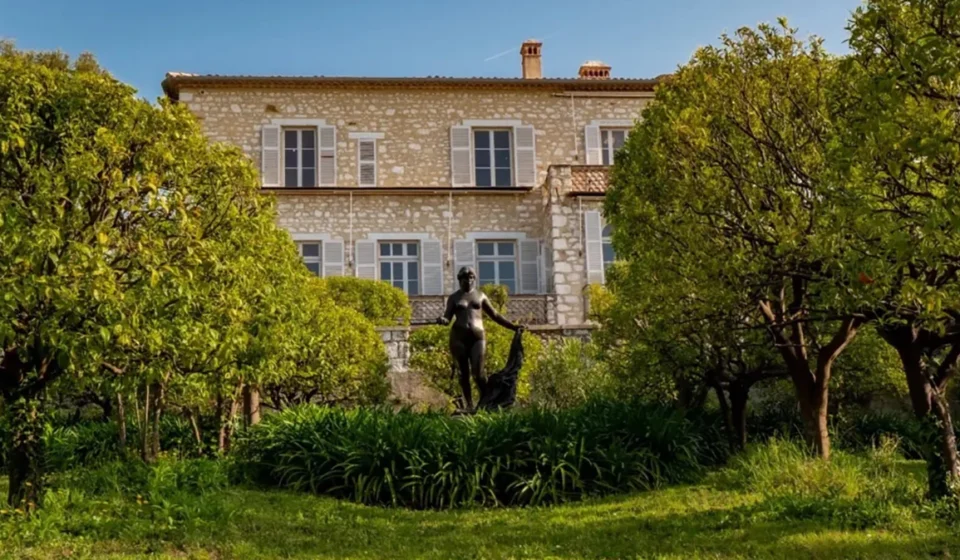
The recovery marks a major breakthrough in a high-profile investigation led by specialized French law enforcement agencies. Six suspects have been taken into custody in connection with the theft, which targeted the Renoir Museum—the historic final residence and sanctuary of the legendary artist—laying bare the persistent vulnerabilities that face regional European cultural institutions housing world-class heritage items.
Main Facts: The Recovery and the Loot
The recovered canvases are pivotal works within the artist’s extensive oeuvre: Portrait of Madame Colonna Romano (1910) and Jeune fille au puits (Girl at the Well, 1886). Both paintings were targets of a brazen September burglary at the Renoir Museum, located on the Domaine des Collettes in Cagnes-sur-Mer, where the artist spent the final decades of his life.
According to preliminary police reports, the operation was executed with cold precision. The perpetrators bypassed advanced perimeter security protocols under the cover of darkness, gaining entry to the main exhibition rooms before utilizing heavy-duty tools—specifically an electric cutter or a specialized metal saw—to shear through the security bolts and heavy-duty hanging cables anchoring the canvases to the gallery walls.
Out of the four pieces originally targeted during the nighttime incursion, two were violently removed from the premises, while the remaining two—Portrait of Madame Pichon (1895) and Coco Lisant (Coco Reading, 1905)—were hastily abandoned by the fleeing thieves near the crime scene, likely disturbed by an incoming security patrol or experiencing logistical difficulties during transport. The rapid intervention of regional French gendarmerie and specialized art crime units ultimately cornered the alleged syndicate, leading to the arrest of six individuals and the subsequent safe recovery of the multi-million-euro masterpieces.
Chronology: From the September Raid to the October Recovery
The dramatic sequence of events began in the quiet pre-dawn hours of a mid-September morning in 2026, shaking the tranquil Mediterranean community of Cagnes-sur-Mer:
- Mid-September 2026 (The Heist): Under the cover of darkness, a criminal cell breaches the Renoir Museum. Bypassing or neutralizing electronic surveillance, the thieves enter the primary display rooms. Using industrial-grade cutting equipment, they slice through the metal hardware securing four Impressionist works. Fearing immediate police intervention or realizing the difficulty of transporting four large-scale works simultaneously, the burglars flee with Portrait of Madame Colonna Romano and Jeune fille au puits, leaving Portrait of Madame Pichon and Coco Lisant behind on the museum floor.
- Late September 2026 (The Investigation): French cultural heritage protection units, alongside local police divisions, launch a sprawling manhunt. Investigators scour forensic evidence left at the scene, analyze regional traffic cameras, and track illicit art-market chatter across Europe to identify the perpetrators.
- Early October 2026 (The Breakthrough): Intelligence operations yield concrete leads, linking a localized criminal network to the stolen assets. Warrants are issued, leading to coordinated raids across southern France.
- October 12, 2026 (The Recovery and Arrests): Authorities confirm the successful recovery of Portrait of Madame Colonna Romano and Jeune fille au puits in a secure location within the region. Simultaneously, law enforcement announces the apprehension of six suspects believed to be directly involved in the planning, execution, and fencing operations of the heist.
Supporting Data: The Renoir Museum and Its Vulnerable Treasures
To understand the gravity of the September raid, one must examine the unique status of the Renoir Museum. Prior to the robbery, the permanent collection featured a modest yet intensely significant display of 12 original paintings by Pierre-Auguste Renoir, alongside original sculptures, personal effects, and preserved 20th-century furniture.
+--------------------------------------------------------------------------+
|                       RENOIR MUSEUM ASSET PROFILE                        |
+--------------------------------------------------------------------------+
| Total Permanent Painting Inventory (Pre-Heist): 12 Canvases              |
| Paintings Targeted in September Raid:           4 Canvases               |
| Paintings Successfully Stolen:                  2 Canvases               |
| Paintings Recovered (October 2026):             2 Canvases               |
| Estimated Value of Recovered Works:             €9 Million ($10.5M USD)  |
| Suspects Apprehended:                           6 Individuals            |
+--------------------------------------------------------------------------+
The museum itself is situated within the Domaine des Collettes, an expansive olive grove overlooking the Côte d’Azur. Renoir purchased the estate in 1907 to escape the damp winters of Paris that aggravated his severe rheumatoid arthritis. It was in this sun-drenched sanctuary that he continued to paint and sculpt until his death in 1919, working with brushes strapped to his crippled fingers.
The global appetite for Renoir’s work remains voracious. Concurrently with the drama in southern France, the art world’s focus has been fixed on London, where the National Gallery launched a blockbuster exhibition dedicated to the Impressionist master, bringing together 40 rare and foundational paintings from international collections. This heightened global visibility undoubtedly contributed to the increased market allure—and corresponding security risk—facing regional museums that house authentic Renoir canvases.
Official Responses: Outrage, Relief, and Political Fallout
The successful recovery of the paintings prompted an outpouring of relief from cultural officials, regional politicians, and local residents alike, tempered by lingering anger over the initial breach of security.
Mayor Bryan Masson, a prominent figure in France’s far-right National Rally party who governs Cagnes-sur-Mer, issued a forceful statement following the recovery of the canvases:
"These two paintings are far more than works of art. They are part of our city’s history, our cultural heritage, and the legacy Auguste Renoir left to Cagnes-sur-Mer. Their recovery is a tremendous relief for the people of Cagnes-sur-Mer and for everyone who cares deeply about our museum."
Masson’s measured tone of celebration stood in stark contrast to his visceral reaction immediately following the September raid, when he pulled no punches in condemning the audacity of the crime. At the time of the break-in, Masson declared: "Attacking the Renoir Museum is an attack on a part of Cagnes-sur-Mer’s history and heritage." He highlighted the callousness of the operation, emphasizing that the perpetrators showed zero regard for the physical integrity of the historical artifacts by utilizing industrial cutting tools to saw through foundational security mounts.
National cultural heritage organizations in Paris also weighed in, praising the swift coordination between local gendarmerie and specialized art-loss registers. Ministry of Culture officials emphasized that regional museums—often operating on tighter budgetary constraints than national institutions like the Louvre or the Musée d’Orsay—require urgent structural overhauls to guard against a rising tide of professionalized art theft.
Implications: The Security Dilemma for Regional European Museums
The Cagnes-sur-Mer heist and subsequent recovery serve as a profound wake-up call for the museum sector across Europe, bringing critical structural vulnerabilities to the forefront of cultural policy debates.
1. The Asymmetry of Regional Security
While major national institutions invest heavily in state-of-the-art biometric access control, climate-regulated vaulting, and military-grade perimeter defense, smaller municipal museums often struggle to secure adequate funding. The Renoir Museum, housed in a historic residential estate surrounded by open grounds, presents unique architectural challenges. Securing 19th-century villas against modern, highly equipped criminal syndicates requires a delicate balance between preserving the authentic visitor experience and implementing fortress-like security measures.
2. The Mechanics of the Black-Market Art Trade
The fact that the thieves utilized heavy-duty electrical cutting equipment underscores a chilling trend in modern art crime: targeted commissions. Masterpieces of this caliber—instantly recognizable and heavily cataloged on international databases like the Art Loss Register—cannot easily be sold on the open market or through legitimate auction houses. Investigators are now probing whether the arrested six-person syndicate was acting on behalf of a private, rogue collector who intended to keep the works in a private, hidden enclave, or if they grossly underestimated the difficulty of laundering internationally protected cultural heritage items.
3. Insurance and Renovation Pressures
In the wake of the incident, municipal authorities and museum boards across the French Riviera are facing mounting pressure from insurance underwriters to overhaul their physical security frameworks. Premiums for regional museums housing Impressionist and Post-Impressionist works are expected to skyrocket, forcing local governments to either subsidize enhanced security out of public coffers or risk losing coverage altogether.
Conclusion
As Portrait of Madame Colonna Romano and Jeune fille au puits undergo forensic evaluation to ensure they suffered no permanent environmental or physical damage during their weeks in illicit custody, the community of Cagnes-sur-Mer breathes a collective sigh of relief. Yet, the shadows cast by the pre-dawn raid remain long. For cultural institutions everywhere, the episode is a stark reminder that safeguarding humanity’s greatest artistic legacies requires constant vigilance, modern investment, and unyielding international cooperation.
Related posts: