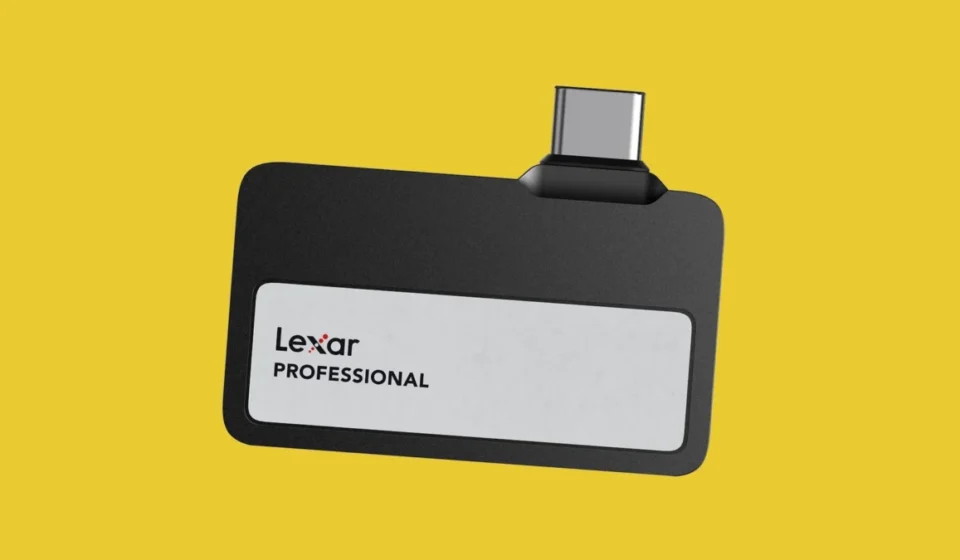
The Storage Crisis: Why the Lexar Professional Go SSD is a Must-Have for 2026 Mobile Creators

For the modern mobile filmmaker, the transition from casual hobbyist to professional content creator is no longer defined by the camera alone, but by the ability to manage the massive digital footprint of high-fidelity video. As Apple and other smartphone manufacturers push the boundaries of mobile cinematography, the industry has hit a paradoxical wall: our phones are more capable than ever, yet our internal storage is perpetually insufficient.
With the introduction of Apple’s ProRes codec and the high-frame-rate requirements of the iPhone 18 Pro, content creators are facing a "storage drought" exacerbated by 2026’s skyrocketing flash memory prices. In this climate, the Lexar Professional Go Portable SSD—currently seeing a rare and significant discount at B&H Photo—has emerged as not just a luxury, but a necessity for the mobile studio.
Main Facts: The ProRes Bottleneck
The core of the problem lies in the data density of modern mobile video. When shooting in Apple ProRes—a professional-grade, high-bandwidth format—the iPhone effectively bypasses the heavy compression that makes standard HEVC files manageable. The trade-off is staggering: a single minute of 4K ProRes footage can consume upwards of 7 GB of storage.
If you are shooting at 60 fps or the industry-standard 120 fps, your internal phone storage can be obliterated in less than ten minutes of recording. For creators working on location, relying on the internal memory of even the highest-capacity iPhone is a gamble that rarely pays off.
The Lexar Professional Go acts as a bridge over this gap. By plugging directly into the device’s USB-C port, the drive allows the iPhone to record footage directly to external media. This bypasses the phone’s internal storage entirely, effectively turning your smartphone into a modular cinema camera. The unit is currently available at B&H Photo for $229.99—down from its $379.99 MSRP—marking the lowest price point for this high-performance storage since the sector-wide price hikes of early 2026.
Chronology: The Evolution of the Mobile Storage Crisis
To understand why this discount is significant, one must look at the timeline of mobile storage demand.
2023–2024: The Rise of ProRes
When Apple introduced ProRes recording for the iPhone 15 Pro series, it signaled a shift in how creators viewed mobile hardware. No longer a "phone with a camera," the device was rebranded as a primary production tool. However, the software capabilities outpaced consumer expectations for storage management.
2025: The AI Data Center Squeeze
By early 2025, the global demand for NAND flash memory shifted dramatically. The explosion of local AI processing in data centers created an insatiable appetite for SSD storage, causing market prices to spike globally. For the average consumer, this meant that external SSDs—which had been steadily dropping in price for a decade—suddenly became premium, high-cost commodities.
2026: The Current Market Reality
In 2026, the cost of high-speed, high-capacity flash storage remains at a historical high. Manufacturers are prioritizing enterprise-grade storage for AI clusters, leaving the consumer peripheral market with limited supply and high price tags. The Lexar Professional Go, while a specialized piece of equipment, has mirrored these trends, staying at a premium price point until this recent promotional event.
Supporting Data: The Math of High-Frame-Rate Shooting
To justify the investment in an external SSD like the Lexar Professional Go, one must analyze the raw data requirements of professional workflows.
| Format/Resolution | Bitrate (Approx.) | Data per Minute |
|---|---|---|
| HEVC (Standard) | 50 Mbps | ~375 MB |
| ProRes 4K 30fps | 750 Mbps | ~5.6 GB |
| ProRes 4K 60fps | 1.2 Gbps | ~9.0 GB |
| ProRes 4K 120fps | 2.0 Gbps | ~15.0 GB |
When viewing this table, the vulnerability of a 512GB or even 1TB iPhone becomes clear. A creator capturing a 30-minute interview at 60fps in ProRes would require over 270GB of space. If the device already contains apps, photos, and system files, the "storage anxiety" becomes a genuine barrier to creativity.
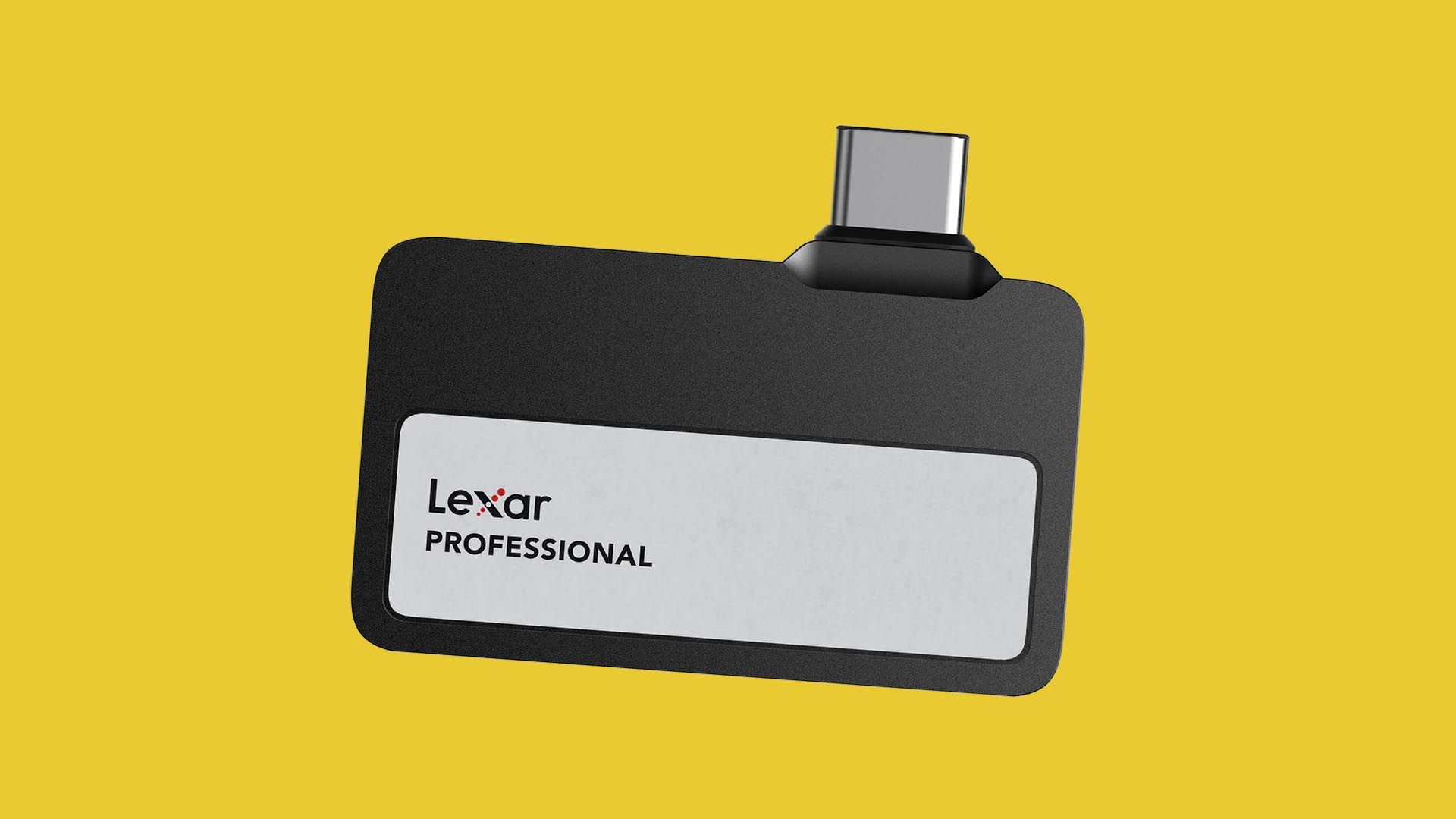
The Lexar Professional Go, with its 1TB or 2TB configurations, provides the necessary "headroom" to film for hours without the fear of a "Disk Full" notification mid-take. Furthermore, the drive’s small form factor—designed specifically to be unobtrusive—ensures that the balance and weight distribution of the phone remain conducive to handheld filming.
Official Responses and Industry Sentiment
While Apple has not commented on specific third-party storage accessories, the shift toward USB-C standardization in their latest hardware models serves as an tacit endorsement of this workflow. By adopting universal standards, Apple has essentially invited third-party manufacturers like Lexar to solve the "ProRes storage dilemma."
Lexar, in recent product briefings, has highlighted the "modular" nature of their Professional Go series. The company’s design philosophy centers on the idea that the phone should be the processor, while the storage should be an interchangeable, swappable asset. Industry analysts note that this "hub-and-spoke" model—where the phone is the central hub and accessories provide the modular capability—is the future of mobile content creation.
Implications: The Future of Professional Mobile Filmmaking
The implications of this technology and the current market pricing are twofold:
1. The Democratization of Professional Quality
As high-speed external storage becomes more accessible, the barrier to entry for high-end cinematography drops. A creator no longer needs a $5,000 cinema camera to capture high-bitrate, color-gradable footage. They simply need a high-end smartphone and a reliable, high-speed external SSD.
2. The Necessity of Professional-Grade Accessories
The era of "casual" content creation is evolving. As platforms like YouTube and Instagram transition to higher resolution and frame-rate requirements, the hardware used to create this content must follow suit. We are seeing a permanent shift where accessories like the Lexar Professional Go are considered as essential as a high-quality lens or a steady tripod.
3. The "AI Tax" on Hardware
The 2026 price surge serves as a warning for consumers. The intersection of AI development and consumer electronics means that components once taken for granted—like flash memory—are now subject to the fluctuations of the global AI economy. Savvy creators must be prepared to act when discounts appear, as high-quality storage is increasingly treated as a scarce resource.
Final Thoughts: Why the Lexar Deal Matters
For those currently navigating the limitations of internal iPhone storage, the Lexar Professional Go discount at B&H Photo is a rare opportunity to future-proof their workflow. Beyond the $150 savings, the real value lies in the freedom to shoot in the highest quality format available without compromise.
The optional hub, available for an additional $20, further enhances the utility of the device by providing a power-passthrough solution. This allows the user to charge the iPhone while simultaneously recording to the SSD, solving one of the most persistent issues in mobile production: the simultaneous drain of battery and storage.
In conclusion, as we navigate the complexities of 2026’s tech landscape, the Lexar Professional Go stands as a testament to the fact that while technology is becoming more expensive, the right tools, when purchased at the right time, remain the best investment a creator can make. Whether you are filming a documentary, a high-end commercial, or a cinematic vlog, the ability to offload data to a reliable, portable, and lightning-fast drive is no longer just a technical convenience—it is the bedrock of your production pipeline.