Comments Off on Mastering the Festive Surge: Why Social Media is the Frontline of 2026 Holiday Customer Service
The traditional image of holiday shopping—defined by shivering crowds camping outside big-box storefronts ahead of dawn-to-dusk doorbuster sales—has officially been relegated to retail history. In its place sits a hyper-digital, always-on ecosystem where gift-hunting, product research, and instant checkouts take place seamlessly within the confines of a smartphone screen.
However, this paradigm shift carries a critical caveat for brands: when digital shopping experiences hit a snag, consumers do not pick up desk phones or write formal emails. Instead, they pivot immediately to social media platforms. They head to feeds, comments, and direct messages to demand answers, seek guidance, and voice their frustrations in real time.
As the peak shopping period approaches, data from Sprout Social’s Q3 2026 Pulse Survey reveals a staggering reality: 86% of modern consumers plan to use social media for customer service as much (59%) or even more (27%) than they did in 2025. With holiday demand projected to skyrocket, customer care volumes on social channels are expected to hit unprecedented highs. To navigate the incoming rush, organizations must overhaul their strategies, leveraging advanced software suites to streamline operations, protect sensitive data, and turn fleeting holiday interactions into enduring brand loyalty.
Main Facts: The Social-First Holiday Reality
The modern consumer journey is intrinsically tied to social media, functioning as a virtual shopping mall where discovery, peer validation, and purchasing occur concurrently. According to Sprout Social’s latest research, social media now ties directly with physical retail stores as the premier destination for holiday gift ideas and product discovery. Approximately 46% of surveyed shoppers intend to use social networks to source presents this season.
This behavior is particularly pronounced among younger demographics. Among Millennials, 85% plan to utilize social media just as much or more for gift research in 2026, while a massive 88% of Gen Z consumers share the same intent.
When these shoppers encounter issues—ranging from out-of-stock sizes to delayed deliveries—their preferred method of communication is overwhelmingly direct messaging. The Q3 2026 survey notes that 55% of consumers choose direct messages when contacting a brand on social media, bypassing traditional customer support hotlines entirely. Other popular engagement avenues include posting comments, tagging companies publicly, or replying to ephemeral story posts.
This behavioral pivot is heavily influenced by the rise of native social commerce features. Platforms like TikTok Shop, Instagram Checkout, and Facebook Marketplace have normalized in-app purchasing. More than half (57%) of surveyed participants confirmed they plan to make purchases directly within a social media application this festive season, with 38% having already done so and 19% preparing to try it for the first time. Consequently, customer service teams that rely exclusively on traditional email, phone, and web-form triage are missing a vast majority of the modern customer experience lifecycle.
Chronology and Strategic Preparation: From Early Planning to Post-Holiday Analysis
Preparing an enterprise-grade customer care operation for the holiday onslaught cannot be a last-minute endeavor. Industry leaders advise a structured timeline to ensure seamless execution long before festive decorations appear in storefronts.
Phase 1: Pre-Season Strategy and Forecasting (Q3 to Early Q4)
Brands must map out key retail milestones well in advance, including Black Friday, Cyber Monday, and the final shipping dates guaranteed for pre-holiday delivery. According to the 2025 Deloitte Holiday Retail Survey, 58% of consumers find holiday shopping inherently stressful, compounded heavily by financial strains—the Sprout Pulse Survey notes that 56% of consumers plan to reduce overall spending this year. Forward-thinking teams use this period to draft comprehensive FAQ matrices, establish influencer partnerships, and align marketing campaigns with support availability.
Phase 2: Implementation and Staff Augmentation (Mid-Q4)
As November approaches, brands must scale their support operations. Hiring seasonal staff and integrating rapid-onboarding software are vital steps. Leveraging user-friendly platforms allows temporary agents to navigate customer inquiries swiftly without duplicating internal efforts. Crucially, teams must deploy advanced automation, such as rule-based chatbots via tools like Sprout’s Bot Builder, to handle high-frequency queries regarding order tracking, return policies, and gift card balances around the clock.
Phase 3: Real-Time Execution and Crisis Mitigation (Peak Holiday Rush)
During November and December, operations shift to active triage. Agents must sort incoming messages by sentiment and intent using machine-learning tools that flag high-risk brand threats, customer support tickets, and expressions of customer love. Real-time collaboration norms—such as structured reply approvals—ensure that new hires maintain strict brand compliance. Furthermore, continuous listening tools monitor broader digital sentiment, allowing public relations and support units to head off viral complaints before they spiral into full-scale public relations crises.
Phase 4: Post-Holiday Review and Metric Analysis (Early January)
Once the dust settles, teams must analyze performance dashboards. Reviewing metrics such as average handle time, total replies, and Customer Satisfaction (CSAT) scores provides actionable insights into operational bottlenecks, laying the groundwork for continuous improvement in the new year.
Supporting Data: By the Numbers
To quantify the scale of the digital holiday challenge, industry metrics paint a definitive picture of consumer expectations and operational realities:
86%: The proportion of consumers planning to use social media for customer service as much or more than last year, per Sprout’s Q3 2026 Pulse Survey.
46%: Consumers who identify social media as their primary resource for holiday gift ideas and product discovery, tying it directly with traditional retail stores.
55%: Shoppers who prefer direct messaging as their primary channel for reaching out to brands on social media.
57%: Consumers who plan to complete holiday purchases directly within social media applications (TikTok Shop, Instagram Checkout, etc.).
33%: Shoppers who expect an initial public response on social media followed by a seamless transition to a private conversation.
$503 Million+: Total financial losses attributed to non-payment and non-delivery internet crimes documented in the 2025 IC3 report, highlighting the critical need for robust data protection during peak digital shopping seasons.
Official Responses and Industry Insights
Industry leaders emphasize that integrating social media into the core customer care framework is no longer optional—it is a competitive necessity.
Josh Martin, Director of Social Media and Brand Management at Papa Johns, noted the transformative impact of unifying support structures:
"As a result of the Smart Inbox feature, response time has been cut in half since switching over to Sprout, as the team is able to move through the inbox much faster than before. The team is managing 600+ cases a week and saving 2 days worth of work each week—over 830 hours a year."
Similarly, Sean Rebero, Senior Manager of Customer Care at Discount Tire, underscored the importance of cross-platform integrations—specifically pairing social media management tools with enterprise CRMs like Salesforce:
"We wouldn’t be able to do the things that we’re doing today without having the ability to have [Sprout] integrated into our platform and Salesforce. It’s been a game changer for us."
Highlighting the analytical value of structured reporting, Christopher Kuzara, CX Supervisor at Whisker, remarked on the shift toward data-backed validation:
"We had historically struggled to prove the true value of our team’s work. Using the specific metrics in the Case Management Report, average handle time, total replies, reply time from assignment, tag tracking, we finally had the concrete data to show stakeholders exactly how necessary and impactful our daily work really is."
Implications for Businesses and Consumers
The structural pivot toward social-first holiday customer service carries profound implications for both the enterprise and the end consumer.
For Businesses:
Operational Agility is Mandatory: Companies that fail to unify their social media monitoring with traditional customer relationship management (CRM) systems risk creating fragmented experiences. When a support agent lacks visibility into a customer’s recent order history or past interactions, response times drag, customer frustration mounts, and brand reputation suffers.
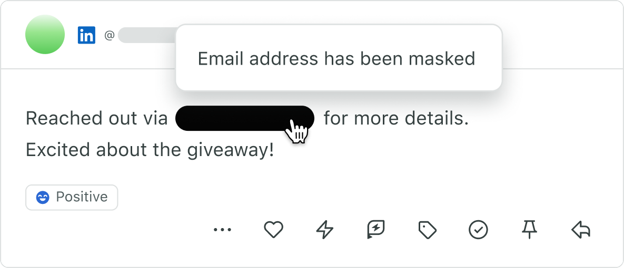
Security and Data Privacy Compliance: With cyber threats and phishing scams peaking during the holiday months—evidenced by hundreds of millions of dollars in delivery and payment scams—brands bear a legal and ethical responsibility to safeguard consumer data. Utilizing advanced features like automated data masking and PCI-compliant secure forms ensures that sensitive information shared over social channels remains encrypted and protected from malicious actors.
AI as a Force Multiplier: Artificial intelligence and automation cannot replace human empathy, but they serve as essential force multipliers. By deploying generative AI assistants to standardize tone and speed up response generation, brands can scale their support output exponentially without incurring unsustainable overhead costs for seasonal hiring.
For Consumers:
Unprecedented Convenience vs. High Expectations: Shoppers enjoy a frictionless journey where inspiration, product research, and checkout occur within a single app. However, this convenience breeds an expectation of instantaneous, highly personalized service. Consumers demanding replies within minutes hold brands accountable in public digital forums.
Elevated Risks of Digital Fraud: As shopping migrates further into social ecosystems, consumers must remain vigilant against sophisticated social engineering scams. Brands that proactively educate their audiences on secure communication protocols—such as moving sensitive billing inquiries out of public comment threads and into encrypted direct messages—build higher levels of long-term trust.
Ultimately, mastering holiday customer service on social media transcends seasonal expediency. By treating social channels as primary revenue and relationship hubs, brands can transform casual holiday browsers into lifelong advocates, ensuring strong returns long after the festive decorations have been packed away.