IMEX America 2026: A Blueprint for the Future of Global Meetings and Events

As the curtains closed on Day Three of IMEX America 2026, the sentiment resonating through the halls of the Las Vegas Convention Center was one of robust optimism and strategic evolution. The global meetings, incentives, conferences, and exhibitions (MICE) industry is not merely recovering; it is fundamentally restructuring. From major hospitality brands venturing into new international territories to the consolidation of industry-leading exhibitions, the landscape is shifting toward deeper connectivity and high-impact, experience-driven gatherings.
This year’s edition of IMEX America served as a critical nexus for planners and destination representatives to navigate the complexities of a post-recovery world, where sustainability, localized cultural integration, and attendee emotional engagement have moved from "nice-to-have" features to core operational mandates.
The Strategic Landscape: Key Developments
The 2026 edition of IMEX America provided a platform for several high-profile announcements that signal a long-term shift in how destinations and brands market themselves to international planners.
Omni’s Bold International Expansion
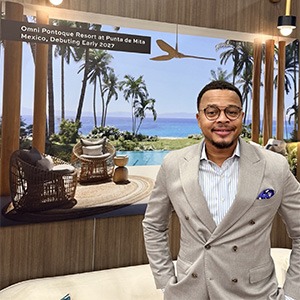
Omni Hotels & Resorts has officially pivoted toward the "extreme upscale" segment with the announcement of its first ground-up international development: the Omni Pontoque in Punta Mita, Mexico. Scheduled to open in 2027, the property is a direct play for the lucrative, high-end incentive travel market. Boasting 202 guest rooms and a sprawling 30,000 square feet of indoor/outdoor meeting space, the property features floor-to-ceiling windows designed to immerse guests in the Mexican landscape. With a dedicated focus on wellness through a state-of-the-art spa and fitness center, Omni is positioning Pontoque as a destination for groups seeking both productivity and rejuvenation.
The IAEE Consolidation
Perhaps the most significant structural news came from Marsha Flanagan, President and CEO of the International Association of Exhibitions and Events (IAEE). Following the association’s strategic acquisition of the Exhibitor Group, IAEE confirmed a landmark merger of its premier events. Come 2028—coinciding with the organization’s centennial—EXHIBITORLIVE and Expo! Expo! will merge into a single, unified powerhouse event in Las Vegas. This move is designed to minimize fragmentation in the exhibition industry, providing a consolidated platform for show organizers and exhibitors to share resources, research, and best practices.
Chronology of Innovation: A Look Back at the 2026 Trends
The trajectory of the meetings industry over the last 12 months has been defined by a focus on infrastructure and "beyond-the-beach" experiences.

Seattle’s Post-FIFA Evolution
Following the global spotlight of the FIFA World Cup, Seattle has leveraged its moment in the sun to redefine its meetings infrastructure. City representatives highlighted that the city has moved beyond its traditional reputation, focusing on streamlined security protocols and expanded international connectivity. New flight routes to Paris, London, Rome, Reykjavik, and Athens have made the city significantly more accessible to European delegates. Furthermore, the completion of the region’s light rail expansion—notably the first passenger rail system to span a floating bridge from Bellevue to Redmond—has drastically reduced transit times for business travelers, making the city a model for efficient urban navigation.
The Renaissance of Bermuda
Bermuda’s presentation at IMEX focused on the "renewed inventory" model. With the highly anticipated 2027 reopening of the Fairmont Southampton following an extensive, multi-year renovation, the island is signaling its return to the large-group market. However, the strategy is not just about room counts; it is about "cultural immersion." Bermuda is actively pushing planners to utilize local cave spas at Grotto Bay, integrate island cuisine into menus, and leverage the island’s burgeoning fleet of electric rental vehicles to meet sustainability goals.
Supporting Data: Economic Impact and Market Shifts
The data presented at IMEX America 2026 suggests that cities that invest in long-term international relationships see a clear, measurable return on investment.
Ottawa’s 15-Year Success Story
Ottawa stands as a prime example of successful long-term destination strategy. Over the last 15 years, the city has strategically aligned its research capabilities with its hospitality offerings. Since the opening of the Rogers Centre, the city has seen a 50% increase in international association inquiries.
The implementation of the International Convention Attraction Fund, managed by Destination Canada, has been a game-changer. For example, the city successfully secured a contract with the International Institute of Union Clerks, bringing 1,000 attendees and generating $2.8 million in local economic impact. Ottawa Tourism reports an ROI of approximately 20:1 on their bidding efforts, proving that targeted investment in the bidding process is the most effective way to secure high-value international business.
Puerto Rico’s Record-Breaking Year
Discover Puerto Rico reported a banner year, having booked 222,211 room nights, resulting in $263.4 million in total economic impact. This growth is bolstered by a diverse calendar of events, including the Miss Universe 2026 pageant and the upcoming "LE LO LAI" production by Cirque du Soleil in early 2027. The island is currently incentivizing planners with a rebate program of up to $20 per room night for events contracted by December 18, 2026, a move designed to maintain momentum through the next fiscal year.
Official Perspectives: The Psychology of the Experience
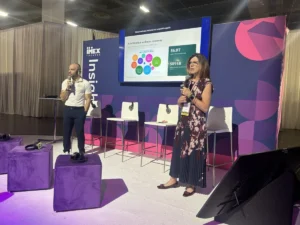
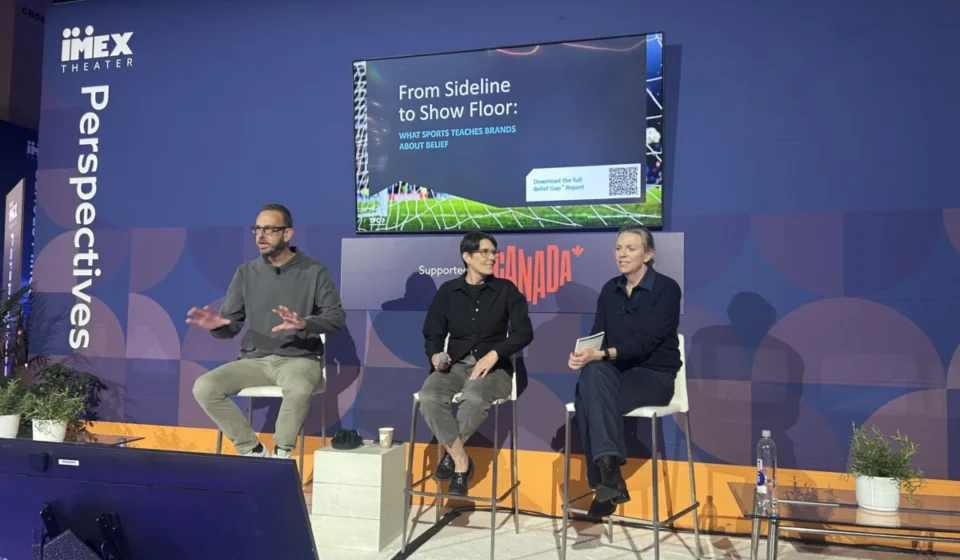
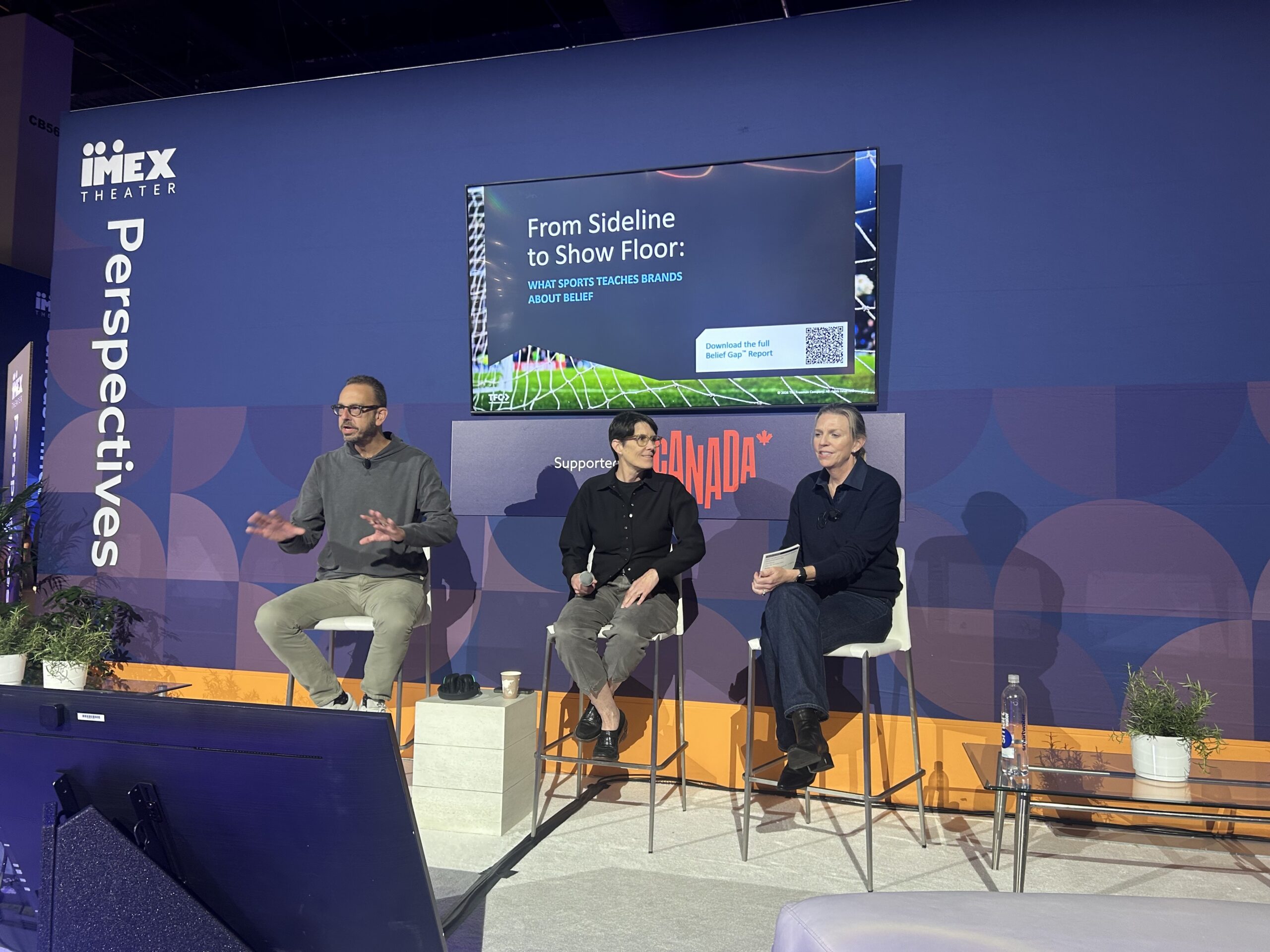
A highlight of the conference was the session on "How Sports Experiences Create Trust," featuring insights from Lance Fensterman (CEO of Fanatics Events) and Anne Marie Rowe (President of BaAM Productions).
Fensterman articulated a shift in the philosophy of event planning: "The power of community and the power of bringing people together to share emotional moments builds a bridge to a brand that traditional marketing cannot replicate." According to the experts, the lines between fan engagement and corporate networking are blurring. When a company hosts a meeting, they are essentially producing a "live experience" that needs to do more than inform; it needs to change how the attendee feels about the brand and their peers.
"Live experiences change people’s feelings about brands, it changes people’s feelings about others, and it changes people’s feelings about moments in time," Fensterman noted. This is the new benchmark for success in the MICE industry: creating a lasting emotional imprint that drives loyalty.
Implications for Future Planners
The takeaway from IMEX America 2026 is clear: the era of the "standard" hotel ballroom meeting is being challenged by the need for authenticity and logistical fluidity.
1. The Sustainability Mandate
Sustainability is no longer a corporate social responsibility talking point; it is a logistical requirement. Whether it is Los Cabos prioritizing farm-to-table dining and artisan connections or Bermuda’s adoption of electric vehicle fleets, planners are expected to demonstrate that their events minimize environmental harm while maximizing local benefit.
2. Workforce Development
A critical concern voiced by leaders like Marsha Flanagan is the workforce crisis facing the exhibition industry. As the sector recovers, the focus is shifting toward "workforce development resources"—initiatives designed to introduce students and young professionals to careers in exhibition management. Planners should anticipate working with venues and destinations that have robust talent pipelines, as the shortage of skilled labor remains a significant risk to event execution.
3. The "Concierge" Approach to Destinations
Destinations like Los Cabos are moving toward a highly personalized, "concierge-led" service model. Instead of providing a list of hotels, these destinations are offering dedicated business event experts who assist planners in crafting full-destination programs. This indicates a shift in the power dynamic where the destination acts as a partner in content creation rather than just a landlord of space.
4. Data-Driven Bidding
As seen in the case of Ottawa, the days of "blind bidding" for events are over. Successful destinations are now using granular data and international research to identify which associations are a perfect fit for their city’s unique strengths. Planners should expect more tailored, data-backed proposals from CVBs that demonstrate a deep understanding of their specific industry goals.
Conclusion: The Path Ahead
As the industry looks toward 2027 and beyond, the message from IMEX America 2026 is one of professionalization, consolidation, and intense focus on the attendee experience. The mergers, the infrastructure investments, and the shift toward emotional branding all point to an industry that is becoming more sophisticated and more integrated.
For the modern meeting planner, the challenge—and the opportunity—lies in navigating this new terrain. Success will belong to those who can bridge the gap between complex logistical requirements and the human need for connection, utilizing the tools of sustainability, local cultural integration, and strategic partnerships to create events that do more than occupy time: they create lasting,, measurable value.