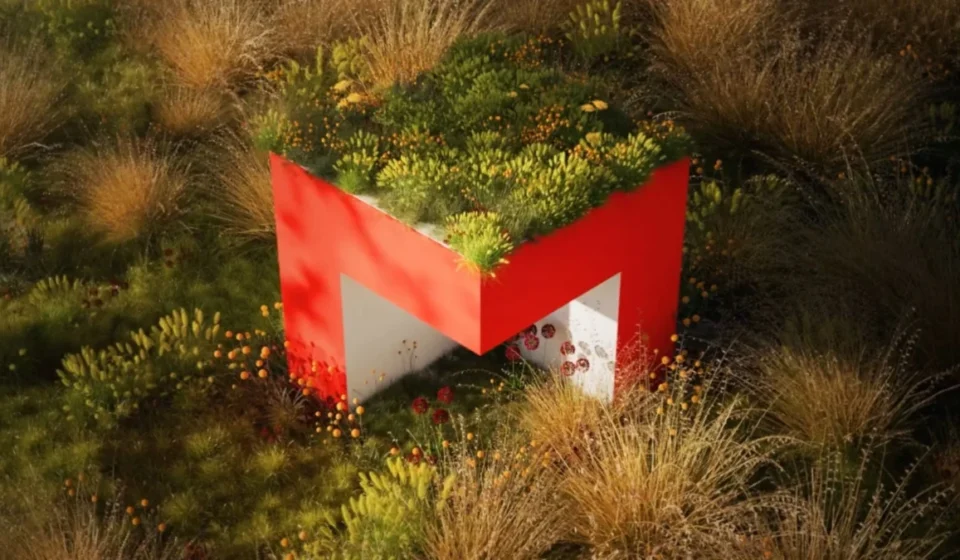
Maxon’s 2027.0 Ecosystem Update: A New Era for 3D Scattering and Fluid Realism

Maxon has officially unveiled its 2027.0 release cycle, a sweeping update that touches every corner of its creative software suite, including Cinema 4D, ZBrush, Redshift, Red Giant, and Autograph. As the industry faces increasing pressure to deliver high-fidelity 3D content at breakneck speeds, Maxon’s latest iteration positions itself as a critical evolution for 3D artists, motion designers, and VFX professionals.
The update arrives at a time when the "best 3D software" category is more competitive than ever, with Maxon directly addressing historical shortcomings in environment creation and fluid simulation to maintain its dominance in the market.
The Main Facts: What 2027.0 Brings to the Table
The cornerstone of the 2027.0 release is, without question, the overhaul of Cinema 4D’s environment and simulation capabilities. For years, users have clamored for native, high-performance scattering tools—a feature that had previously necessitated the use of third-party plugins or complex, manual workarounds.
Key Highlights Include:
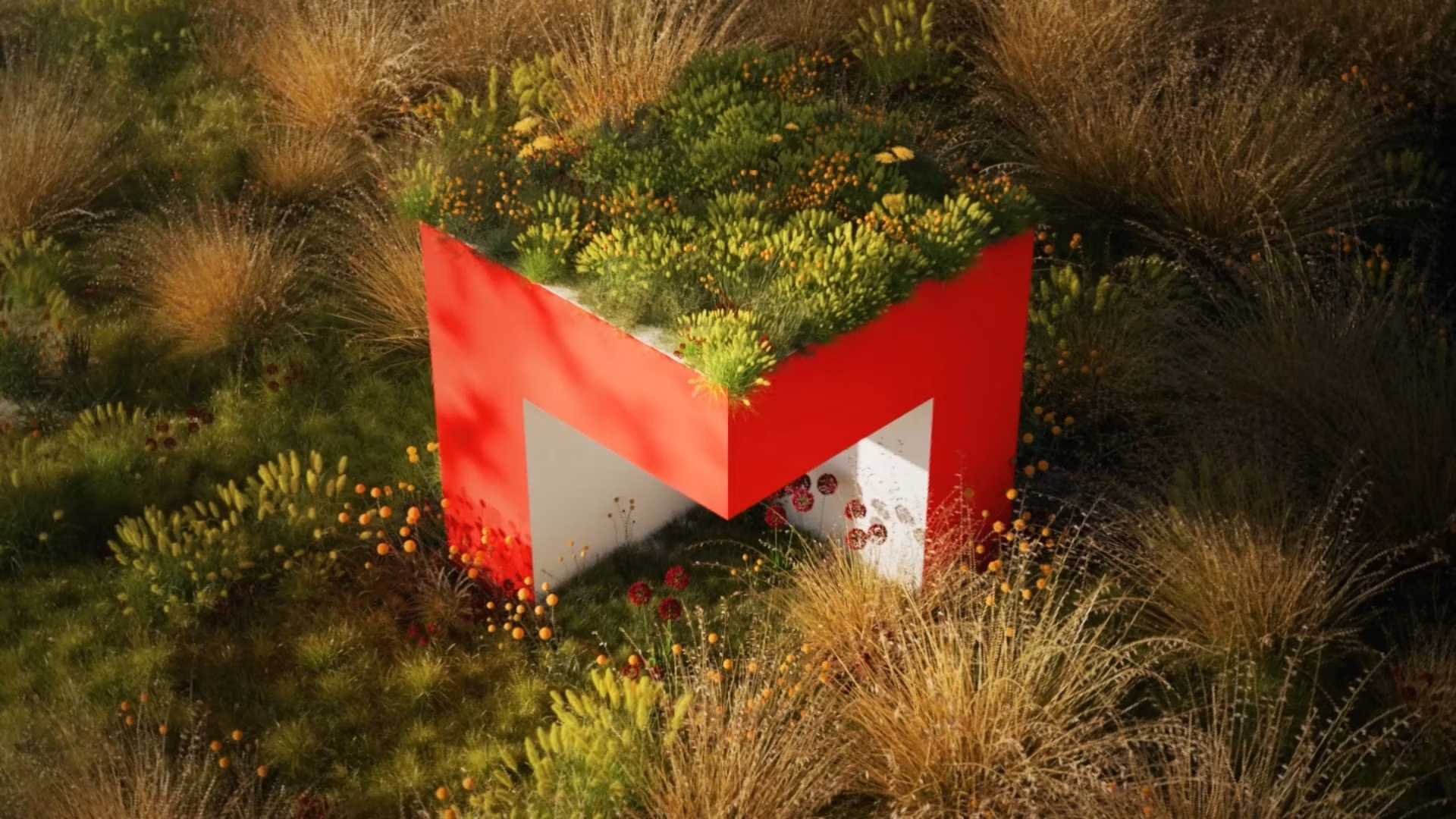
- Native Scatter System: A robust, procedural toolset that allows artists to populate massive, complex 3D environments with vegetation, rocks, debris, and crowds.
- Liquid FX: An automated secondary simulation layer for fluids, adding realistic foam, spray, and bubbles to water-based effects.
- Redshift Performance: Enhanced rendering feedback and optimization for faster iteration loops.
- ZBrush Production Workflows: Streamlined integration features designed to bridge the gap between sculpting and the final rendering pipeline.
- Cross-Platform Parity: Continued development on the iPad version of Cinema 4D, with a full commercial release slated for later this year.
Chronology: The Path to the 2027 Release
Maxon’s trajectory over the last several years has been defined by a strategy of consolidation and integration. Following the acquisition of Redshift and the expansion of the "Maxon One" subscription model, the company has focused on reducing the friction between its disparate tools.
- 2023-2024: Maxon focused heavily on stabilizing the integration of its newly acquired technologies. During this period, the company pushed for "unified" workflows, particularly between ZBrush and Cinema 4D.
- Mid-2024: The introduction of third-party chatbot support in Cinema 4D signaled a shift toward AI-assisted workflows, allowing users to leverage language models to automate mundane scripting or troubleshooting tasks.
- Late 2024: The beta testing phase for Cinema 4D on iPad began, marking the company’s intent to bring professional-grade 3D production to mobile hardware.
- Early 2025 (The 2027.0 Release): The culmination of these efforts, with the release of the new Scatter System and Liquid FX, marks a pivot from "integration" to "feature-parity with industry giants."
Supporting Data: Why Scattering Matters
For the uninitiated, "scattering" refers to the ability to place thousands, or even millions, of objects in a scene without crashing the system or needing to place each item manually. In competing Digital Content Creation (DCC) applications like SideFX’s Houdini or Blender, scattering has been a mature feature for years.
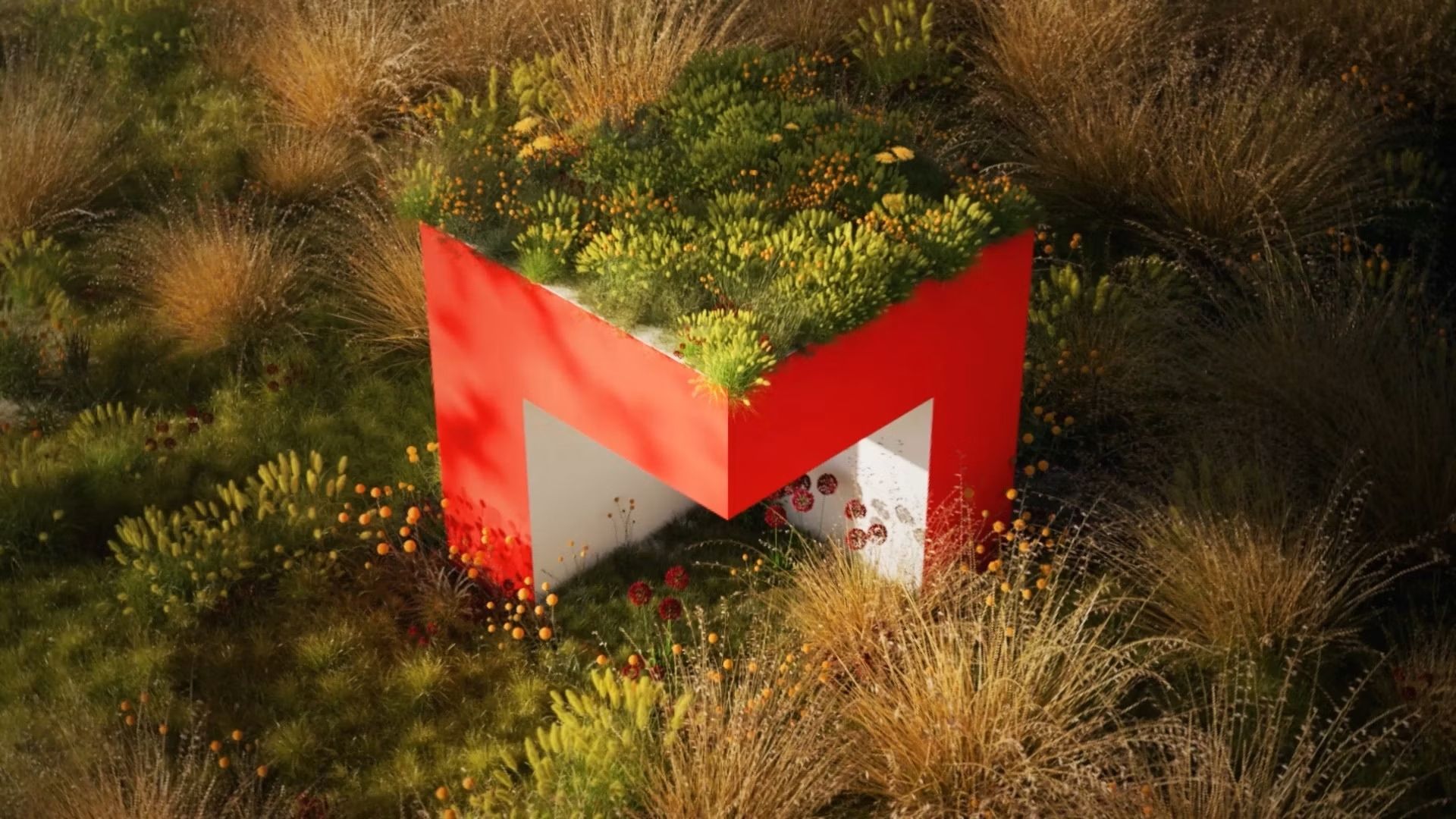
Cinema 4D’s new Scatter Generator and Scatter Tag offer a sophisticated alternative. By allowing artists to filter, cluster, and transform objects procedurally, Maxon has effectively removed a major bottleneck for environment artists. The integration with the MoGraph toolset—the "secret sauce" that made C4D the industry standard for motion graphics—is perhaps the most significant aspect of this update. Artists can now use existing Fields and Effectors to manipulate scattered objects, allowing for complex, animated forests or evolving architectural scenes that were previously nearly impossible to achieve natively.
Liquid FX: The Science of Realism
Water simulation has long been the "holy grail" of 3D rendering. A fluid simulation can look technically correct in terms of mass and volume, but if it lacks "secondary" details like foam, spray, or bubbling, it inevitably looks fake.
The new Liquid FX system in the 2027.0 release automates these secondary effects. By intelligently analyzing the primary simulation, the system generates foam and spray particles dynamically. This significantly reduces the time artists spend on the "trial and error" phase of fluid simulation, allowing them to iterate on pours, splashes, and waterfalls with much higher visual fidelity and less computational overhead.
Official Responses and Strategic Implications
Maxon’s leadership has emphasized that this release is a direct response to community feedback. "Our focus for 2027.0 was to listen to the professional user base," a representative noted during the launch. "We wanted to ensure that the tools you use every day—the ones you rely on for deadlines—are more powerful, faster, and more intuitive."
The implications of this update are three-fold:
- Retention: By building native scattering and liquid simulation, Maxon reduces the need for users to switch to other software packages, thereby strengthening the "Maxon One" ecosystem.
- Productivity: For studios and freelancers alike, the time saved by avoiding third-party plugins and complex workarounds translates directly to higher margins and faster project turnaround.
- Future-Proofing: The continued development of the iPad version suggests that Maxon sees the future of 3D as a hybrid workflow, where the portability of mobile devices meets the raw power of workstation-grade rendering.
The Broader Landscape: 3D Art in the Age of AI
It is impossible to discuss the 2027.0 update without acknowledging the elephant in the room: Artificial Intelligence. With the earlier addition of chatbot support (using tools like ChatGPT and Claude) to assist in 3D art production, Maxon is signaling that it intends to lead, not follow, in the integration of AI into professional workflows.
While the Scatter System and Liquid FX represent traditional, deterministic simulation, they are designed to be "procedural"—a prerequisite for the next wave of AI-driven generation. If an artist can define a procedural scattering rule, an AI can eventually be trained to suggest or generate that rule based on a text prompt. Maxon is building the infrastructure that will allow for this transition.
What Else is New?
Beyond the marquee features, the 2027.0 release includes hundreds of under-the-hood optimizations. Redshift now offers faster rendering feedback, which is crucial for look-development. In a production environment, the ability to see a "final-quality" render in near real-time is the difference between a productive day and a frustrating one.
ZBrush continues to evolve as the standard for digital sculpting. The 2027.0 update focuses on interoperability, ensuring that high-poly models can be transferred, retopologized, and textured with minimal data loss. For artists who bounce between sculpting in ZBrush and animating in Cinema 4D, these workflow improvements are a quality-of-life upgrade that will be felt immediately in daily production.
Conclusion: A Turning Point for Professionals
The 2027.0 release of the Maxon ecosystem is not just a collection of new buttons and sliders; it is a strategic maturation of the software suite. By addressing the long-standing "scattering gap" and elevating fluid dynamics with Liquid FX, Maxon has effectively closed the door on the primary criticisms of Cinema 4D as an environment-building tool.
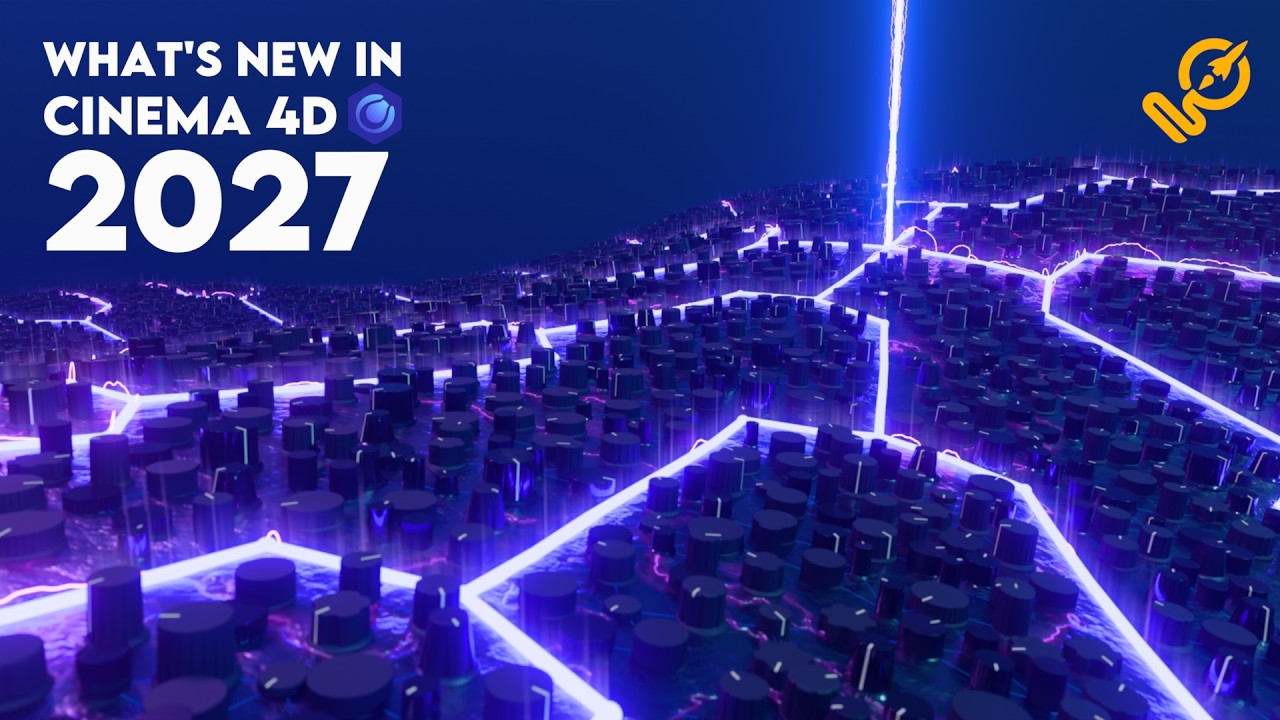
As we look toward the remainder of the year—specifically the upcoming full release of the iPad version—it is clear that Maxon is positioning itself to be the primary engine for the next generation of creative professionals. Whether you are a motion designer crafting complex abstract loops, a VFX artist building photorealistic environments, or a sculptor bringing characters to life in ZBrush, the 2027.0 update provides the tools to do so with greater efficiency and creative freedom than ever before.
For those currently using older versions, the 2027.0 update represents a compelling argument for staying within the Maxon fold. The industry continues to evolve, and with this release, Maxon has shown that it is not only keeping pace but actively shaping the tools that will define the visual landscape of the future.