Behind the Magic: How Autodesk and Warner Bros. Animation Redefined the Production Pipeline for The Cat in the Hat

The creation of a modern animated feature film is a high-wire act of artistry, logistics, and cutting-edge engineering. When Warner Bros. Pictures Animation (WBPA) set out to bring Dr. Seuss’s iconic The Cat in the Hat to the big screen, they faced a daunting challenge: how to deliver a visually stunning, emotionally resonant feature film in just two years—an accelerated timeline that would make most studios shudder.
The secret to this feat, revealed in the debut episode of Autodesk’s new branded content series, Made to Make, lies in a sophisticated digital ecosystem. By leveraging a unified, cloud-based production pipeline, the team behind The Cat in the Hat managed to bridge the geographical gap between artists in London, Montreal, India, and Los Angeles, proving that in the digital age, geography is no longer a barrier to imagination.
The Genesis of an Impossible Deadline
In the animation industry, a two-year production cycle is exceptionally tight. Feature films typically require three to five years of development, modeling, rigging, texturing, lighting, and final rendering. For The Cat in the Hat, the directive was clear: deliver a faithful yet fresh adaptation of a classic that stands up to the scrutiny of both die-hard Seuss fans and a new generation of cinemagoers.
Writer-director Alessandro Carloni, who helms the project alongside co-director Erica Rivinoja, framed the challenge during the Made to Make premiere: "In a way, our job is to come up with something absurd, entertaining, and crazy, and then discover: can we make it happen with technology?"
This ethos—marrying the "absurd" with the "possible"—became the project’s guiding philosophy. To achieve this, the filmmakers had to move away from siloed workflows and toward a model of constant, real-time collaboration.
Synchronized Creativity: A Global Pipeline
The production spanned four major global hubs. This decentralized approach necessitated a "single source of truth" for the thousands of digital assets—from the fur textures of the Cat himself to the sprawling, whimsical environments of the Dr. Seuss universe.
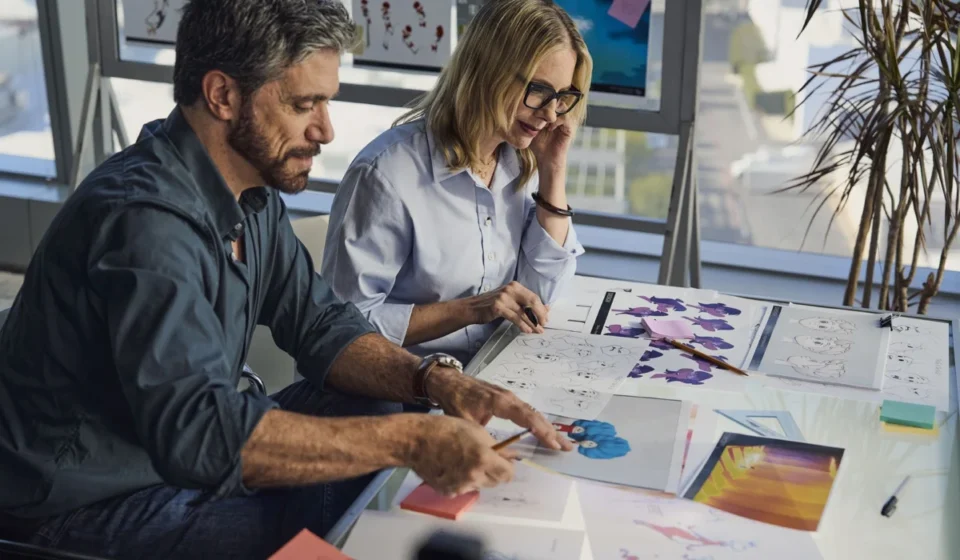
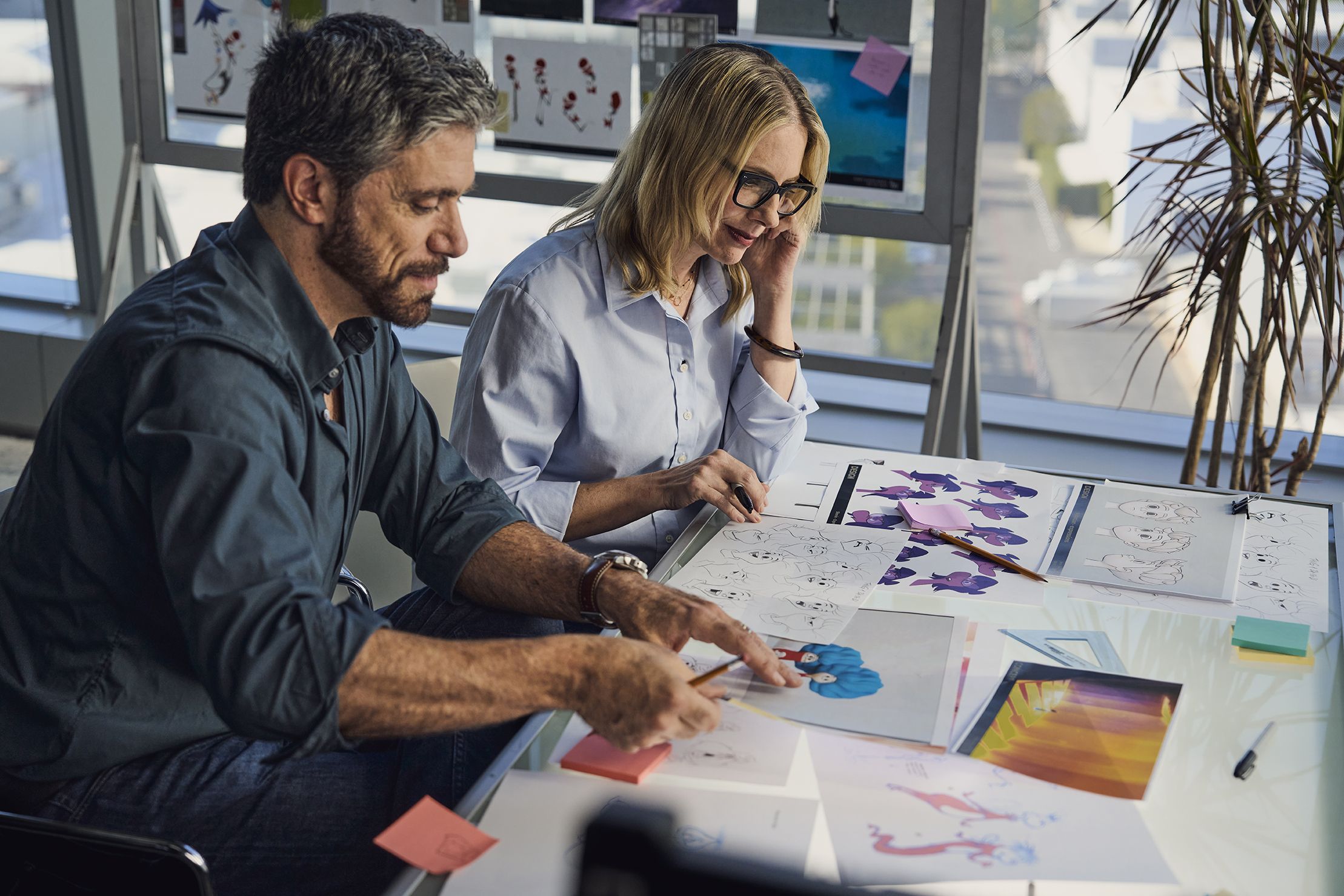
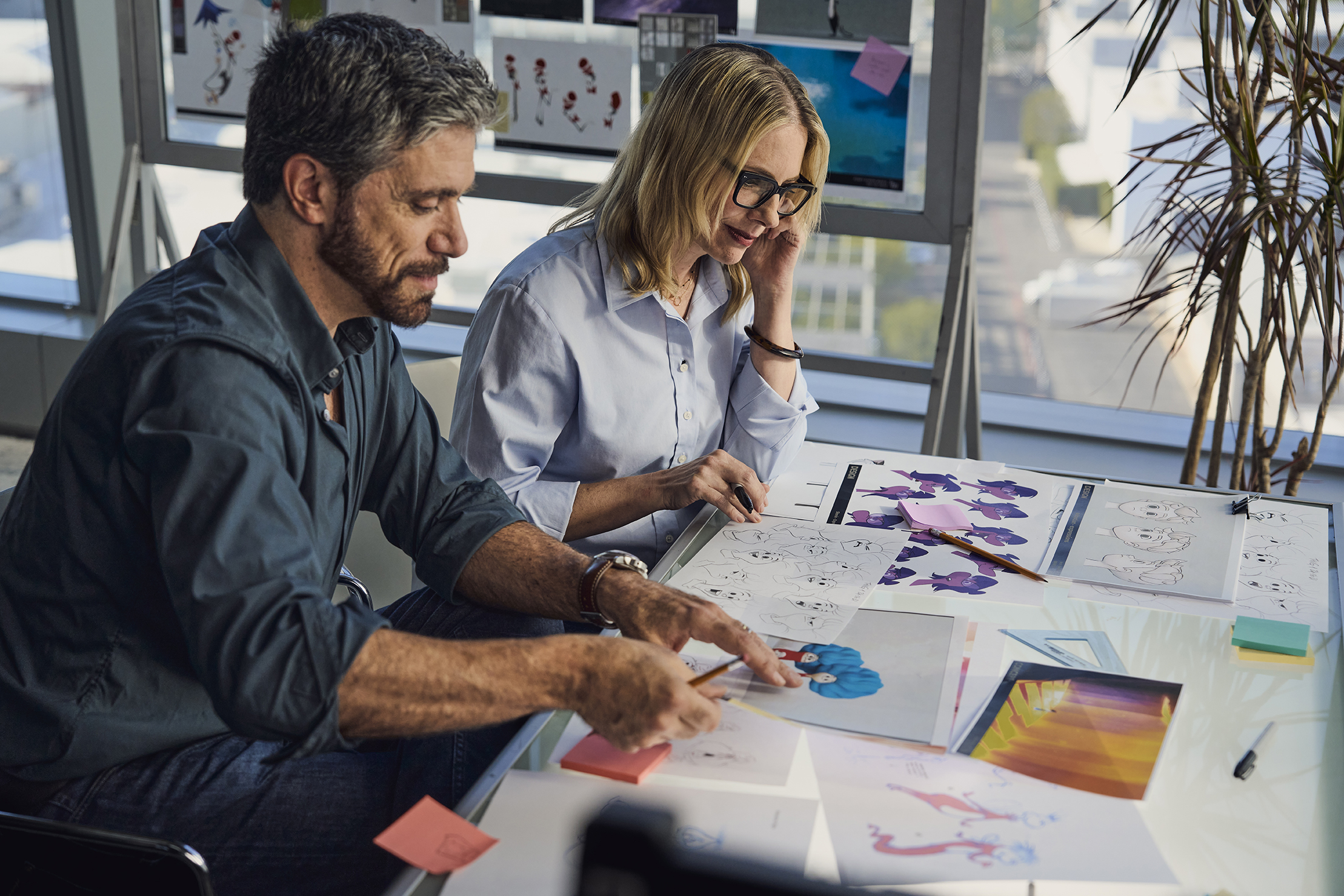
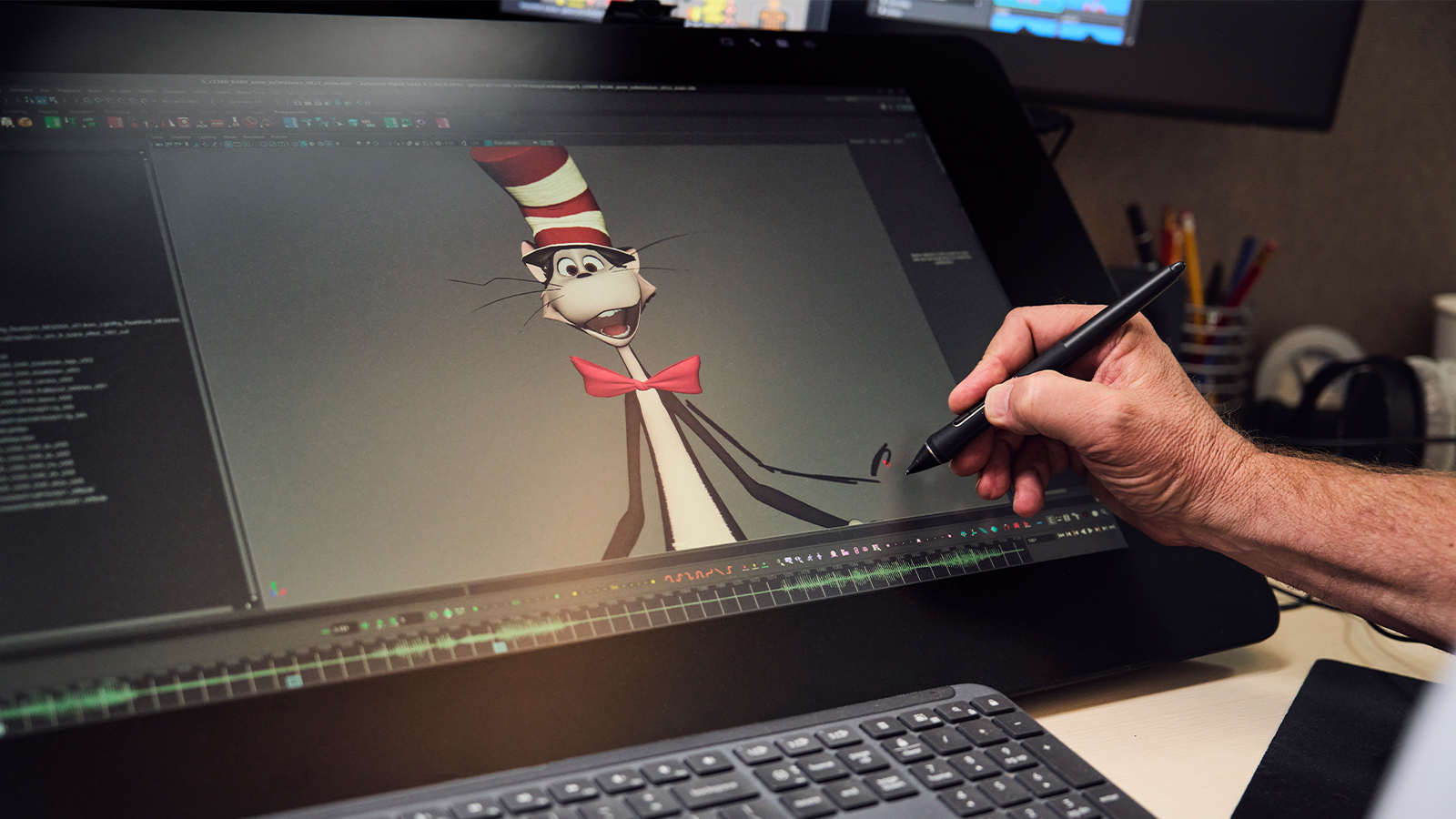
The backbone of this operation was Autodesk’s suite of industry-standard tools. Autodesk Maya served as the primary creative crucible. For animator Marek Kochout, Maya was more than just a software package; it was his interface with the character. "It’s essential," Kochout explains. "I have no other way of touching these characters other than through Maya. It’s my porthole into the marionette. This is my tool."
By using a standardized platform across all global studios, Warner Bros. ensured that an animator in India could seamlessly hand off a shot to a lighting artist in Montreal, with every modification reflected in real-time. This eliminated the traditional "wait times" associated with exporting files, re-importing them, and reconciling version differences—the classic pitfalls of global animation production.
Flow Production Tracking: The Digital Architect
If Maya provided the brush, Autodesk Flow Production Tracking (formerly ShotGrid) provided the canvas and the map. Managing a project of this scale requires more than just artistic vision; it requires an intricate logistical network.
Jessica Killiam, the film’s central supervisor, emphasized the importance of this tool in keeping the project on schedule. "We use Flow Production Tracking to track the entire movie," she says. "We have our assets, all of the characters, the environments, the props."
The system allowed the team to implement RV, a high-performance review tool that enabled directors and supervisors to review assets across different time zones. If a character’s movement didn’t feel quite right in a draft, feedback was logged directly into the system, visible to the animation team immediately. Furthermore, the integration of PIX (now Autodesk Flow Capture) allowed for secure, high-fidelity sharing of clips with external stakeholders, ensuring that the creative vision remained consistent even as the film moved through the pipeline.
The World-Building Challenge: Designing the Seussverse
The filmmakers were not merely adapting a book; they were expanding a world. The film explores the narrative space beyond the original story, specifically tracking the Cat’s whereabouts after he leaves the house. This required the creation of three distinct, fantastical worlds, each with its own visual language, in addition to the "real-world" setting.
Production designer Aidan Sugano and his team used the flexibility of the Autodesk ecosystem to iterate on these environments rapidly. In traditional workflows, a change in environment design could take days to propagate through the pipeline. With the modern digital infrastructure used by WBPA, the team could test lighting conditions, texture maps, and spatial geometry in a virtual space that felt increasingly tangible.
As Erica Rivinoja noted, "The exciting thing about animation is that it can do so much more than other types of filmmaking." This capability was fully exploited to give the film a distinct look—one that feels hand-crafted and tactile, despite being born from the most advanced computational power available.
Official Perspectives: The Made to Make Series
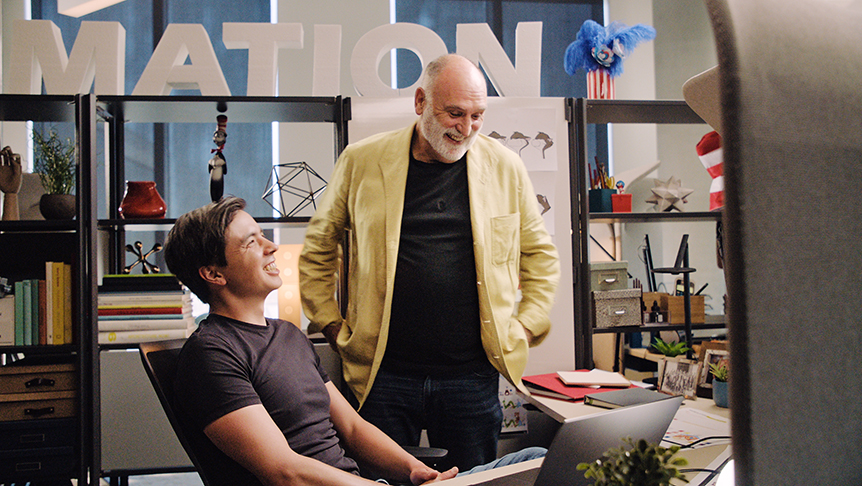
The Made to Make series, hosted by renowned chef and animation enthusiast José Andrés, serves as a bridge between the technical world of software development and the creative world of film. Andrés, who has lent his voice to projects like Firebuds and Green Eggs & Ham, brings a unique perspective to the series. His passion for the craft highlights the human element behind the machines.
Autodesk’s positioning in this series is strategic: they are presenting themselves not as a software vendor, but as an essential partner in the creative journey. The narrative arc of the series is clear—technology is not a replacement for human creativity; it is the catalyst that allows artists to push boundaries and meet impossible deadlines. By letting AI and data-driven project management handle the "heavy lifting" of organization, human artists are free to focus on the nuance of a performance or the emotional resonance of a color palette.
Implications for the Future of Animation
The production of The Cat in the Hat serves as a case study for the future of the medium. As audiences demand higher visual fidelity and more frequent content, the pressure on studios will only increase. The success of the WBPA model suggests a few key takeaways for the industry:
- Cloud-Native Collaboration: The future of animation is not in a single office building, but in a distributed network of talent. Platforms that allow for seamless, secure, and real-time collaboration are no longer optional—they are foundational.
- Standardization as Speed: By unifying the pipeline on platforms like Maya and Flow, studios can reduce the "friction" of production. This speed does not come at the cost of quality, but rather at the cost of wasted time.
- The Human-Centric Tech Stack: As artificial intelligence and automation become more integrated into software, the focus is shifting toward tools that empower the artist. The goal is to provide a "porthole" to the character, as Kochout put it, rather than a barrier of technical complexity.
A Highly Anticipated Release
As the release date of November 6, 2026, approaches, the buzz surrounding the film is palpable. The cast, featuring Bill Hader as the Cat alongside Matt Berry, Quinta Brunson, Xochitl Gomez, Giancarlo Esposito, and America Ferrera, promises a blend of sharp comedy and heartfelt sincerity.
The plot—centering on the Cat’s mission to cheer up siblings Gabby and Sebastian after their move to a new town—is designed to resonate with modern families dealing with the complexities of transition. The technical achievement of finishing this film in two years remains its most silent, yet perhaps most impressive, star.
By the time audiences see the finished product on IMAX screens, they will likely be enchanted by the whimsy of the Seuss world. Few will realize that behind those vibrant colors and expressive characters lies a complex web of global coordination and software engineering, a testament to what happens when "absurd" ideas are met with the right tools.
For those interested in the deeper technical mechanics of this production, the first episode of "Made to Make" is currently streaming on YouTube.