GameMaker Revolutionizes Indie Development: GMRT to Become Free for Commercial Use in 2027

In a landmark decision that promises to reshape the landscape of independent game development, YoYo Games has announced that its next-generation runtime, known as GMRT, will be entirely free for commercial use starting January 1, 2027. This strategic shift marks a significant departure from the industry-standard licensing models, effectively removing the financial barrier for aspiring developers looking to launch and monetize their creative visions across desktop, mobile, web, and GX Games platforms.
For years, GameMaker has served as a foundational tool for the indie gaming community, providing an accessible bridge between novice experimentation and professional production. By eliminating the necessity for a paid Professional license to sell games, the company is positioning itself as the most inclusive engine in an increasingly competitive market.
The Evolution of the GameMaker Ecosystem
To understand the magnitude of this announcement, one must look at the current state of GameMaker. As it stands, the platform is free for non-commercial, hobbyist projects. However, the moment a developer intends to distribute their work for profit, they are required to purchase a Professional license—a one-off payment of $99.99. While this price point is modest compared to the subscription models or heavy royalty fees associated with larger engines like Unity or Unreal, it still represents a threshold that many hobbyists are hesitant to cross.
The GMRT (GameMaker Runtime) is the technical heart of the engine. It is the sophisticated software layer that translates raw code into executable instructions that the computer or console hardware can process. By making this technology free, GameMaker is essentially democratizing the "cogs" of the game-making process.
A Chronology of Accessibility
The journey toward this announcement has been iterative:
- The Foundation: GameMaker established its reputation as a premier 2D engine through its user-friendly interface, which seamlessly blends drag-and-drop visual scripting with a robust proprietary coding language (GML).
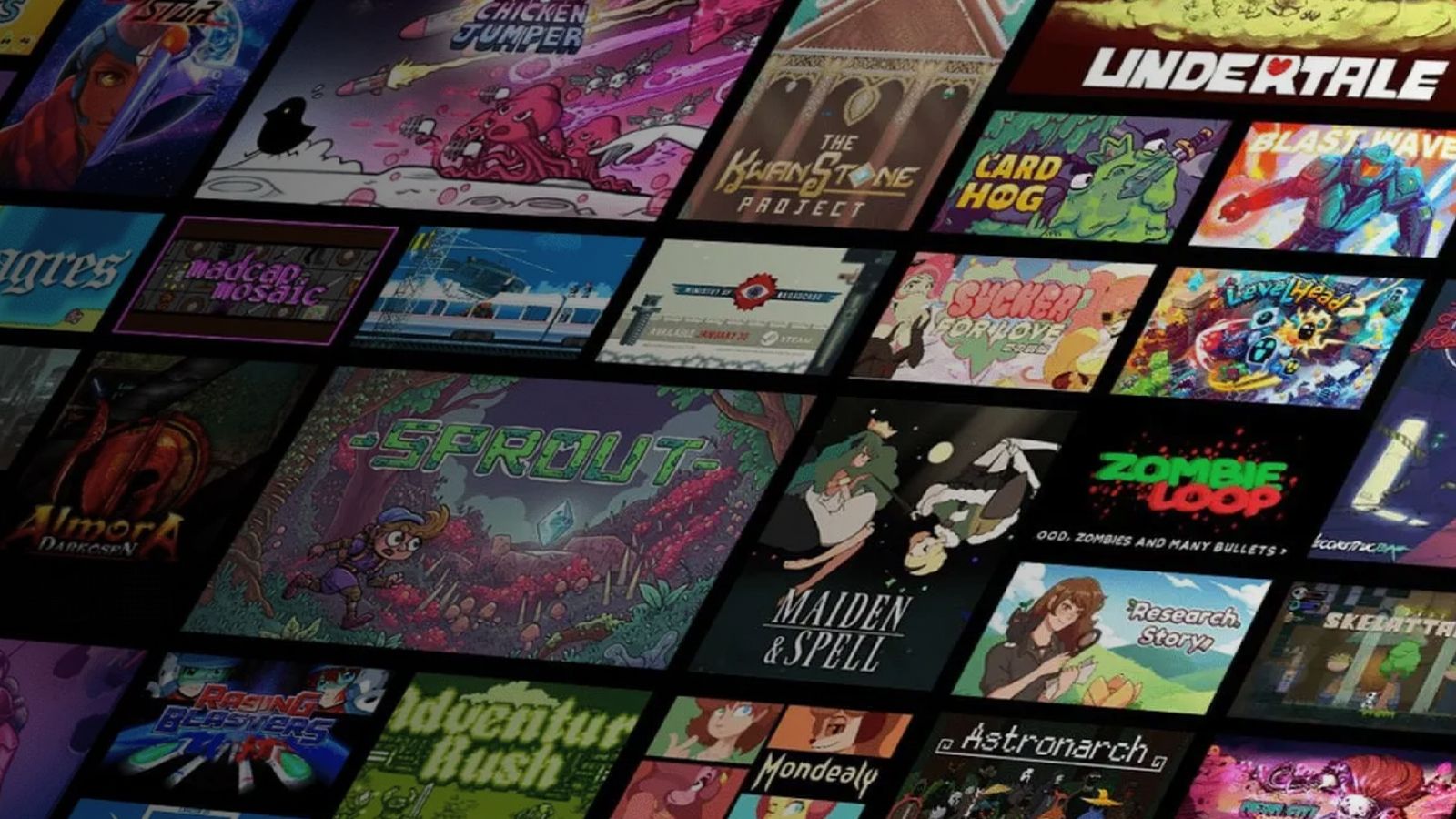
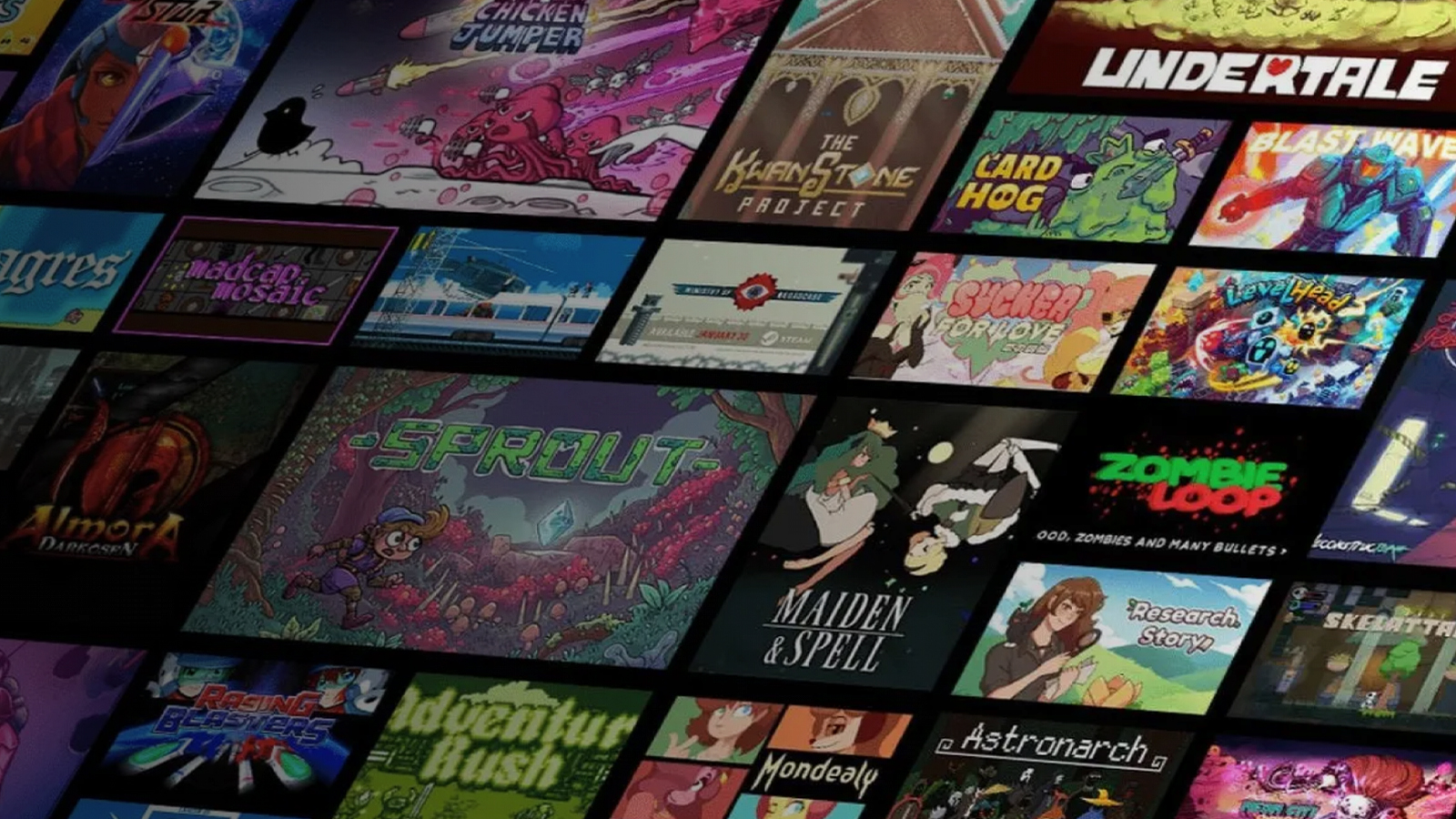
- The Rise of Indie Hits: The engine’s capabilities have been validated by legendary titles such as Spelunky, Deltarune, and the recent critical darling UFO 50. These games proved that the engine could support high-level design and commercial success.
- The Shift toward Open Source: Earlier this year, GameMaker began offering source-code access for its runtimes, signaling a shift toward greater transparency.
- The 2027 Milestone: With the announcement of the free commercial GMRT, the platform is completing its pivot toward a "freemium" model that prioritizes user growth and community expansion over entry-level licensing fees.
Breaking Down the Technical Implications
The move to a free commercial runtime is not merely a pricing adjustment; it is a technical commitment. By granting developers access to the GMRT, GameMaker is allowing the community to inspect, adapt, and contribute to the engine’s core technology. This "open-access" philosophy is designed to foster a more resilient and versatile software ecosystem.
What Stays the Same?
It is crucial for developers to note that this shift does not apply to all aspects of the business. Console development remains a specialized domain. If a developer wishes to export their titles to platforms like the Nintendo Switch, PlayStation 5, or Xbox Series X/S, they will still require an Enterprise license. Furthermore, developers must maintain their status as approved console developers with the respective hardware manufacturers. The pricing for these high-end tiers remains unchanged, ensuring that the company maintains a sustainable revenue stream from its professional enterprise clients.
The Beta Status of GMRT
While the 2027 date is the official "go-live" for the free commercial model, the GMRT is currently in a state of active development and beta testing. Developers are encouraged to investigate the runtime’s current capabilities before committing to long-term projects. As the engine continues to evolve, the documentation and support forums on the official GameMaker Blog will serve as the primary resource for updates regarding platform compatibility and feature sets.
The Strategic Vision: Why Now?
The decision to make the GMRT free for commercial use is a calculated move in a market where "engine wars" are becoming increasingly intense. As platforms like Unity face backlash over changing pricing models and Unreal Engine maintains its focus on high-fidelity 3D, GameMaker is carving out a definitive identity as the "Indie King."
By reducing the cost of entry, the company is betting on a larger user base. In the software industry, the "network effect" is powerful; the more people who learn to build games in GameMaker, the more third-party tutorials, assets, and plug-ins will be created. This, in turn, makes the engine more attractive to the next generation of developers. It is a virtuous cycle that prioritizes long-term community health over short-term licensing revenue.
Industry Impact: The Future of Indie Gaming
The implications for the indie scene are profound. Many developers operate on shoestring budgets, where a $100 license fee can be the difference between launching a game and abandoning it. By removing this cost, GameMaker is enabling a broader demographic—students, hobbyists in emerging markets, and experimental artists—to participate in the digital economy.
Furthermore, the inclusion of source-code access for all tiers is a significant boon for developers who need to optimize their games or implement unique, engine-level modifications. This level of transparency was once reserved for high-end, proprietary engines and represents a massive win for the developer community.
Expert Advice for New Developers
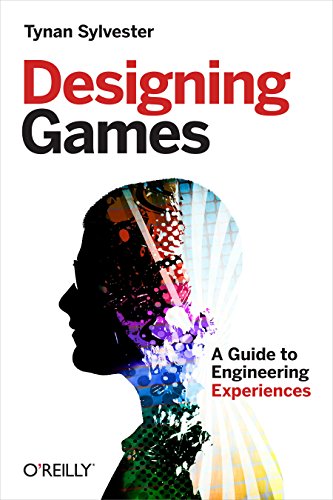
For those looking to leverage this change, the learning curve remains a top priority. While the tools are becoming more accessible, the art of game design remains constant. Aspiring developers are encouraged to study the fundamentals of mechanics, user experience, and project management. Resources such as The Art of Game Design: A Book of Lenses by Jesse Schell are highly recommended for those looking to understand the psychological and structural components that make a game truly engaging.
Conclusion: A New Era for Creativity
The announcement regarding the GMRT is a clear signal that the future of game development is moving toward greater openness. As we approach 2027, the barrier between an idea in a developer’s head and a finished product on a store shelf is becoming thinner than ever before.
GameMaker has successfully identified that its greatest asset is not its licensing fee, but the community of creators that drives the platform forward. By investing in these creators today, they are ensuring that the next generation of indie hits will be built on their foundation. Whether you are a seasoned professional looking for a more efficient workflow or a student making your first character move on a screen, the road ahead is looking increasingly paved with opportunity.
Developers are urged to stay informed through official channels, participate in the ongoing GMRT beta tests, and prepare their projects for the new, cost-free landscape that awaits in 2027. The tools are ready—all that remains is the vision.