Three Decades of Adventure: Celebrating 30 Years of Lara Croft and the Legacy of Tomb Raider

In an industry defined by relentless innovation and the rapid turnover of intellectual properties, few icons have managed to retain their cultural relevance for three decades. Lara Croft, the intrepid archaeologist and globetrotting adventurer, is one of those rare exceptions. As the Tomb Raider franchise celebrates its monumental 30th anniversary, developer Crystal Dynamics has launched a reflective campaign that highlights not just the history of the character, but her constant evolution.
While the gaming world is currently gripped by the frenzied anticipation surrounding GTA VI, Crystal Dynamics is carving out its own space in the spotlight. The developer has announced that the next major chapter in the franchise, Tomb Raider: Legacy of Atlantis, is slated for a February 12, 2027, release. To bridge the gap, the studio has unveiled a series of commemorative artworks and wallpapers that serve as a visual timeline of Lara Croft’s transformation from a low-poly polygon pioneer to a hyper-realistic, modern-day cinematic hero.
A Legacy Forged in Silicon: The Chronology of an Icon
The Tomb Raider phenomenon began in late 1996, forever altering the landscape of action-adventure gaming. The original title, developed by Core Design and published by Eidos Interactive, made its debut on the Sega Saturn in Europe and Japan on October 25, 1996. A month later, it arrived on the original PlayStation and PC in North America, triggering a cultural shift that would see Lara Croft transcend the medium of video games to become a global pop-culture phenomenon.
The Evolution of Design
The journey from 1996 to 2027 is a study in technological progression. The early iterations of Lara were defined by the constraints of 32-bit hardware. Limited by the processing power of the time, Toby Gard and the team at Core Design crafted a silhouette defined by sharp angles and minimal texture detail. Despite this, the character’s personality was immediately distinct.
As the franchise moved into the PlayStation 2 era—encompassing the Legend, Anniversary, and Underworld titles—the character design matured. Developers began to emphasize smoother geometry and more sophisticated, fluid animation, allowing Lara to move with a grace that was previously impossible. This era laid the groundwork for the "Survivor" trilogy, which served as a soft reboot for the series. In these titles, the focus shifted from the "superhero" archetype to a more vulnerable, gritty, and humanized version of the character.
The Current Era: Unreal Engine 5 and Beyond
Today, we stand on the precipice of a new generation. With Legacy of Atlantis—developed in partnership with Flying Wild Hog—and the upcoming Tomb Raider: Catalyst (expected in 2028), the series is utilizing the power of Unreal Engine 5. The leap in visual fidelity is staggering, with subsurface scattering for skin, complex lighting, and hair simulation that moves with lifelike physics.
Visual Storytelling: The Anniversary Artwork
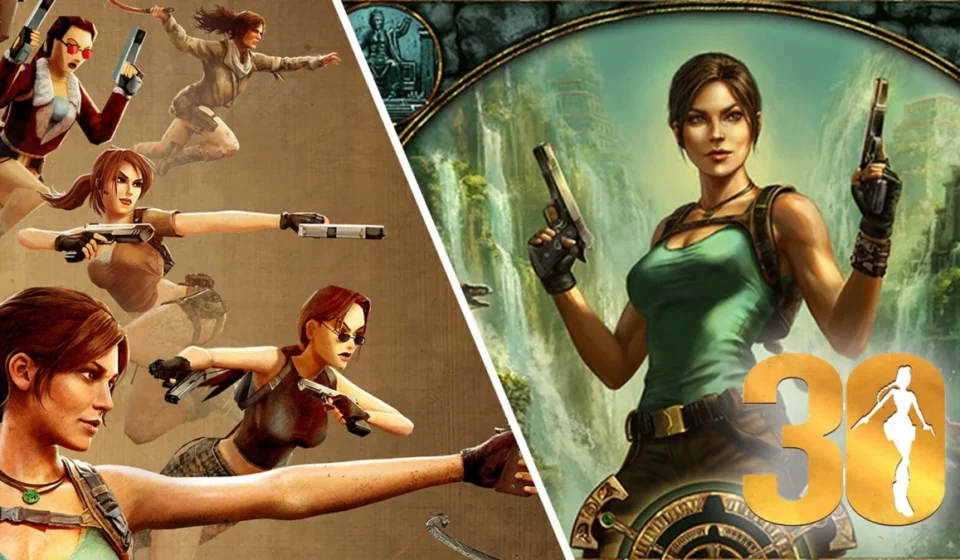
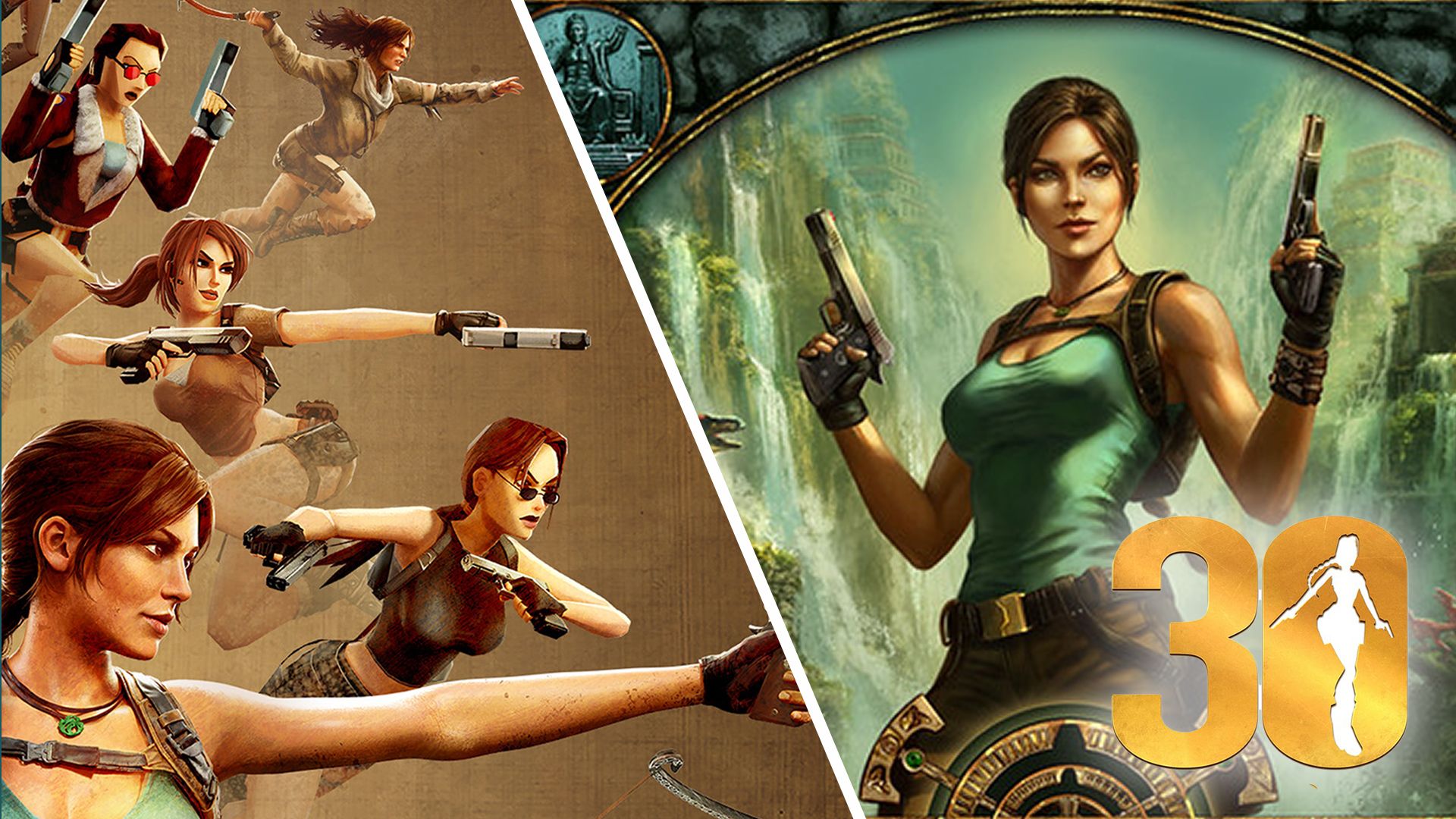
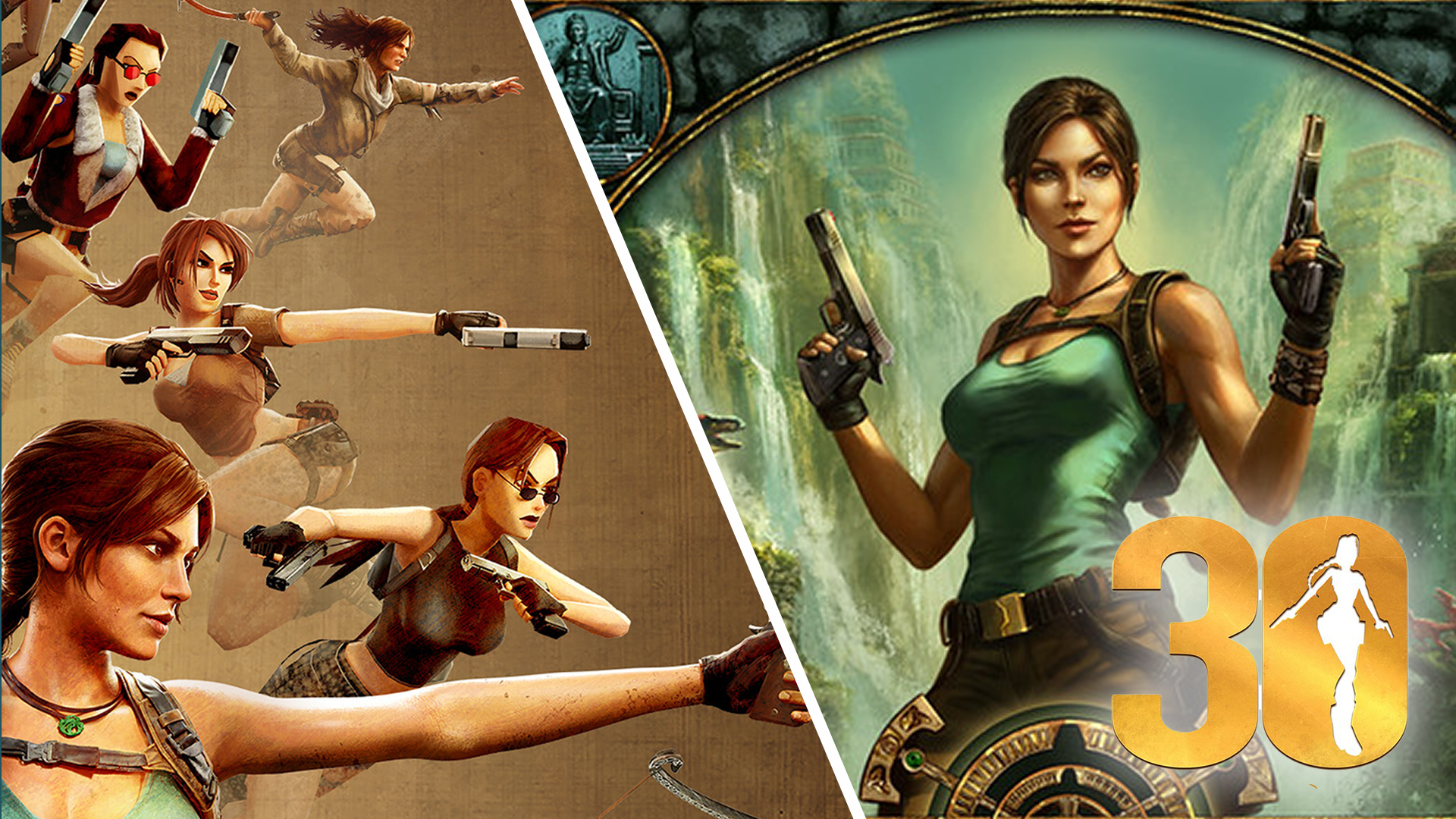
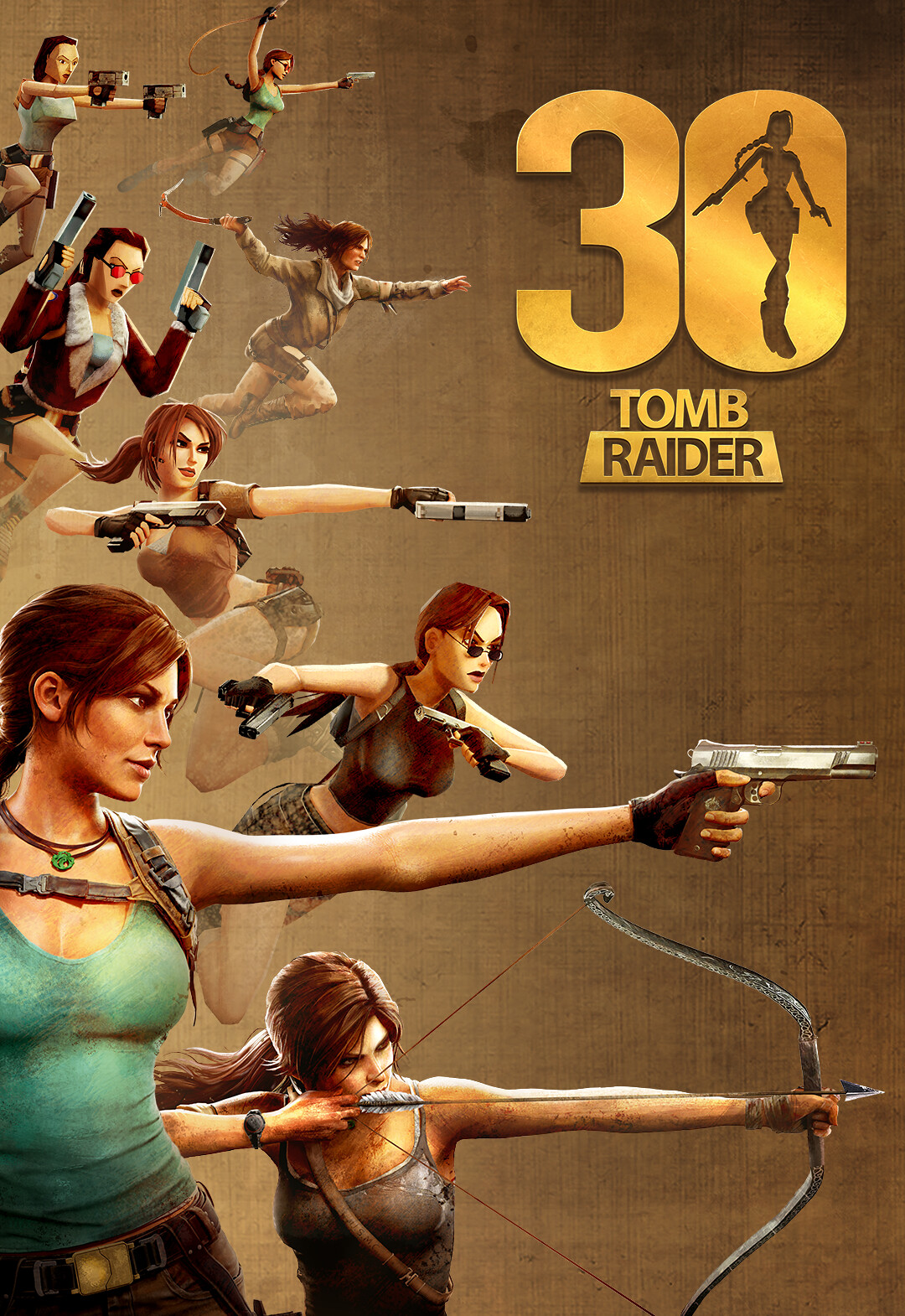
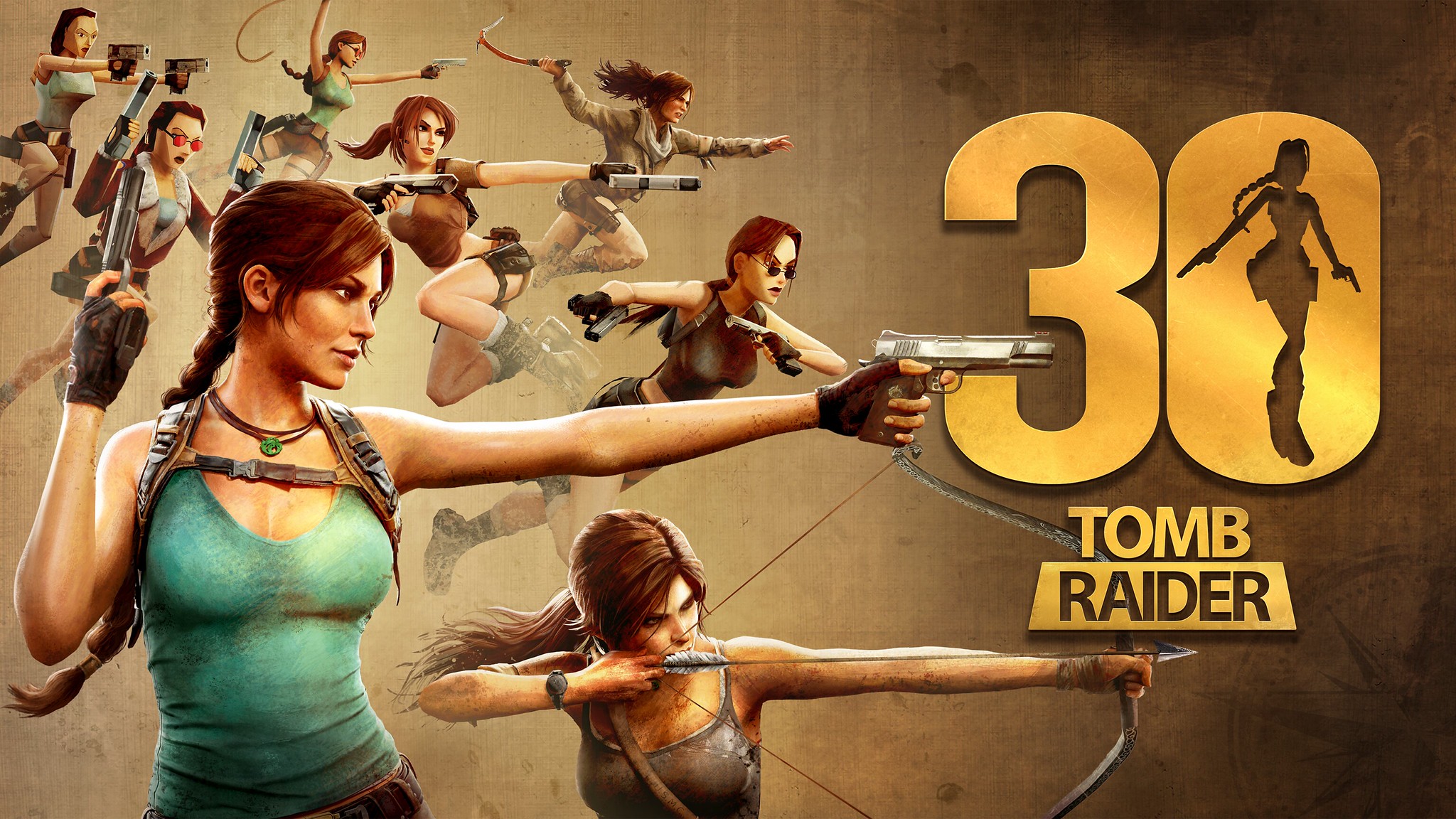
To mark this 30-year milestone, Crystal Dynamics commissioned artist Inna Vjuzhanina to create a series of commemorative illustrations. These pieces are not merely promotional materials; they are a bridge between eras. The primary artwork features eight distinct versions of Lara Croft, meticulously arranged to show how the character has retained her core identity—the dual pistols, the braid, the adventurous spirit—despite the dramatic changes in her digital anatomy.
The inclusion of these designs in a single frame is a deliberate choice by the studio. It acknowledges the history of the franchise while signaling a unified vision for the future. By placing the 1996 original alongside the high-fidelity render of the Legacy of Atlantis incarnation, Crystal Dynamics invites fans to appreciate the craftsmanship that has kept Lara relevant across three different hardware generations.
Technical Milestones: Beyond the Pixels
The progression of Lara Croft is a perfect microcosm for the progress of the video game industry at large. In a recent technical breakdown, the development team highlighted several specific areas where the leap in fidelity has been most transformative.
Hair and Skin Simulation
Perhaps the most notable change has been in the rendering of hair and skin. In the 90s, hair was a static, textured block. In modern titles, it is rendered through thousands of individual, semi-transparent strands that react to wind, water, and movement. Similarly, skin rendering has moved from flat colors to complex, multi-layered textures. Subsurface scattering allows light to penetrate the skin and scatter beneath the surface, mimicking the way human flesh reacts to varying light sources.
The Role of Physical Reference
Modern development has also integrated traditional physical techniques with digital workflows. For recent projects, the team utilized 3D-printed models of the character to test clothing and gear. By tailoring real-world garments and scanning them into the game, developers have achieved a level of tactile realism that ensures Lara’s equipment looks and behaves like actual survival gear, rather than a "skin" pasted onto a model.
Official Perspectives and Community Engagement
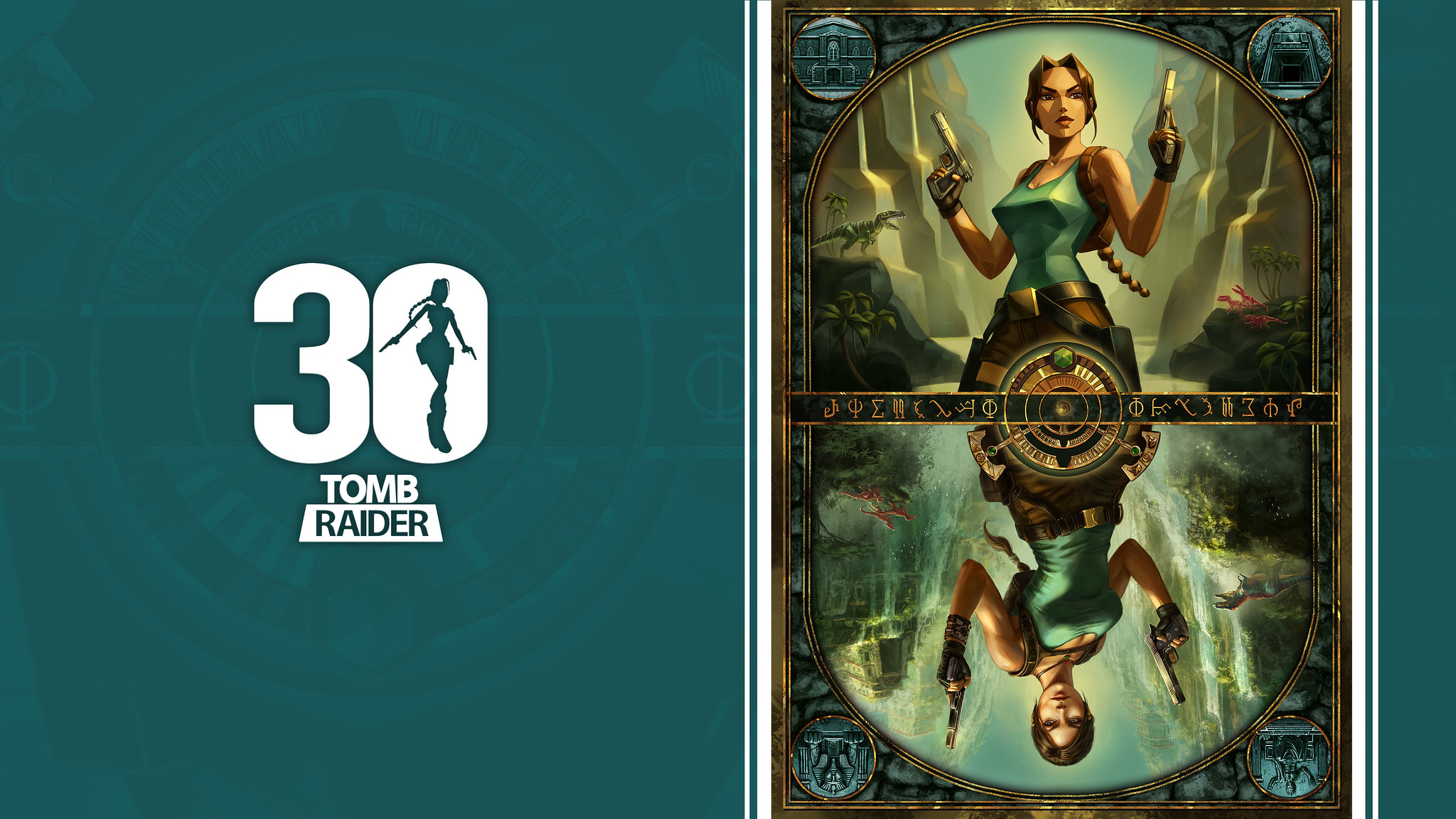
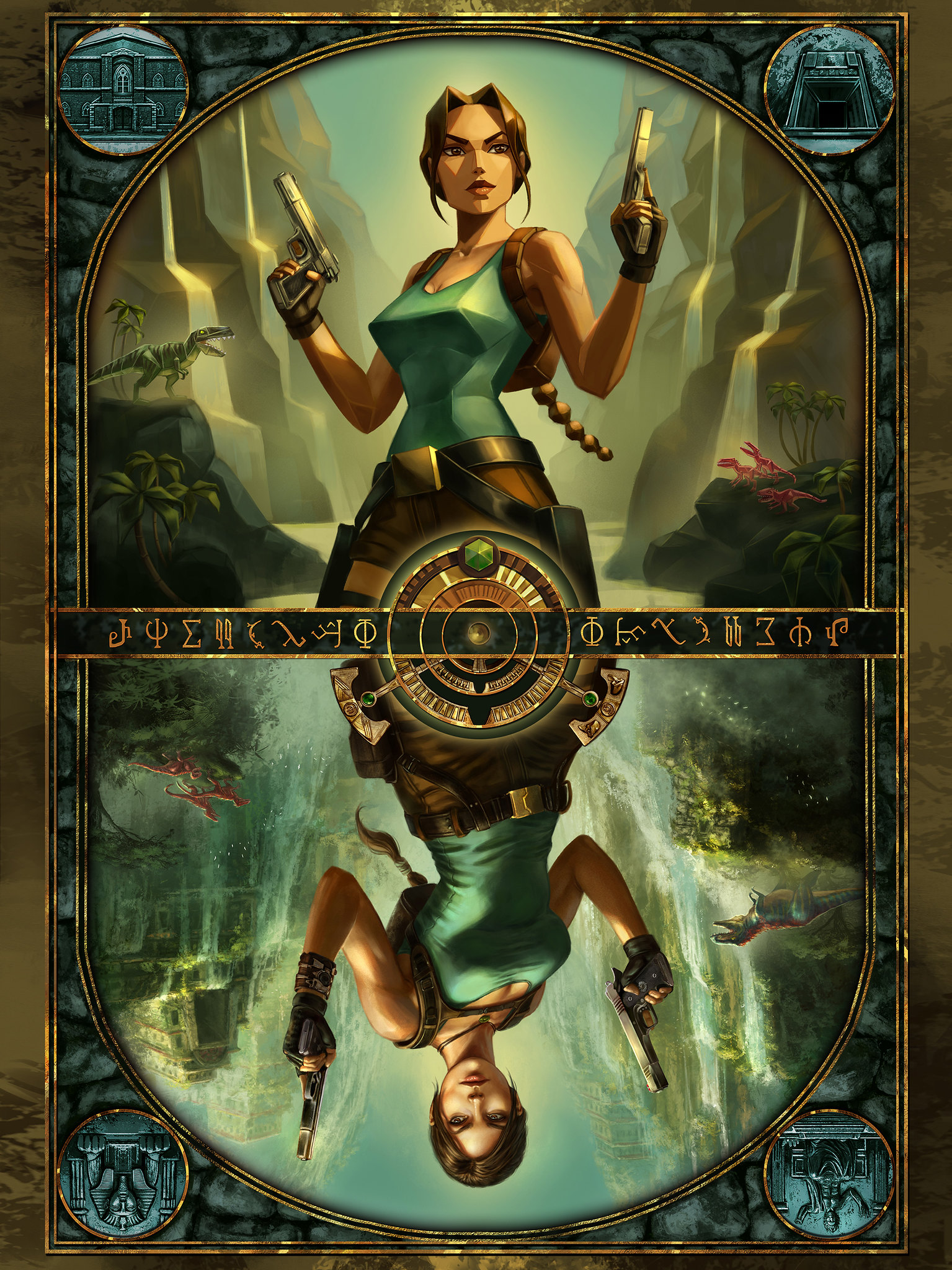
Crystal Dynamics has leaned heavily into the anniversary to foster community engagement. The release of these assets via a dedicated Flickr album is a nod to the fans who have kept the franchise alive through fan art, cosplay, and lore analysis.
The studio’s decision to involve creators like Inna Vjuzhanina demonstrates a commitment to high-quality visual storytelling that extends beyond the game engine. Furthermore, the launch of an official "Tomb Raider Gear Store," featuring everything from high-end apparel to lifestyle accessories, underscores the studio’s attempt to position Tomb Raider as a lifestyle brand, much like other major entertainment franchises.
The Future: Legacy of Atlantis and Beyond
The upcoming release of Tomb Raider: Legacy of Atlantis represents a significant turning point for the IP. Following the conclusion of the Survivor trilogy, the studio has stated that the upcoming games will attempt to unify the disparate timelines of the franchise, creating a cohesive "Lara Croft" that honors both the classic adventurer and the modern survivor.
What to Expect in 2027
With pre-orders now live on the PlayStation Store, Steam, and Xbox platforms, the momentum is building. The game promises to be the most ambitious entry in the series to date, focusing on deep, atmospheric environments and a narrative that leans into the supernatural mystery that made the original 1996 title so captivating.
The inclusion of Flying Wild Hog as a development partner suggests a focus on fluid, high-octane combat mechanics, potentially blending the exploration-heavy gameplay of the originals with the visceral combat systems developed over the last decade.
Implications for the Industry
The endurance of Tomb Raider serves as a lesson for other long-running franchises. By consistently re-evaluating the protagonist and adapting to new technological capabilities without discarding the "DNA" of the character, Crystal Dynamics has avoided the stagnation that often plagues legacy IPs.
The "trend-jacking" mention of the current GTA VI obsession serves as a reminder of how quickly the market shifts. However, the stability of a brand like Tomb Raider suggests that while gamers are always hungry for the "next big thing," they are equally loyal to established icons that can adapt and evolve.
As we look toward 2027 and the release of Legacy of Atlantis, the 30th-anniversary celebrations serve a dual purpose. They act as a nostalgic victory lap for a character who essentially birthed the 3D action-adventure genre, and as a marketing bridge to the future. Whether you are a fan of the blocky, low-poly origins or the photorealistic future, it is clear that Lara Croft’s journey is far from over.
For those eager to dive into the history, the high-resolution anniversary wallpapers and artwork are currently available for download. As the countdown to February 2027 begins, the message from Crystal Dynamics is clear: while the technology may change, the spirit of the Tomb Raider—the curiosity, the grit, and the relentless pursuit of the unknown—remains constant.