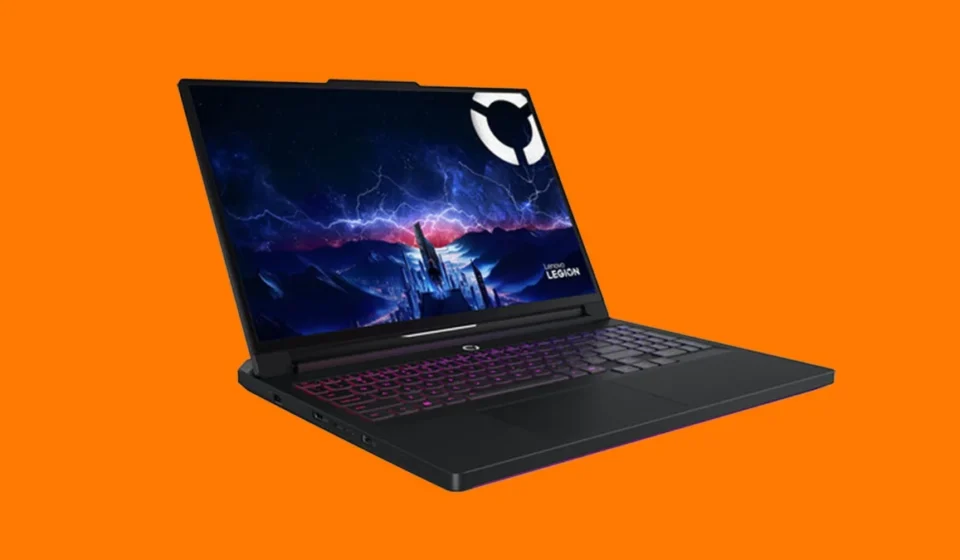
Navigating the Hardware Squeeze: Why These Lenovo Legion Deals Are a Rare Win for Creatives

The global technology market has spent the better part of this year navigating a tumultuous "RAM crisis," a supply-side phenomenon that has sent the prices of high-performance laptops spiraling upward. For the professional creative—whose workflow depends on the rapid processing of high-bitrate video, 3D architectural renders, and complex design assets—the rising cost of entry-level and mid-tier hardware has been nothing short of a professional bottleneck.
However, as we approach the final quarter of the year, a glimmer of relief has emerged. While many consumers are conditioned to wait for the frenzied discounts of Black Friday, the current market climate suggests that savvy buyers shouldn’t wait. B&H Photo has unveiled a series of aggressive discounts on Lenovo’s premium Legion lineup, offering up to $1,000 off high-end configurations. These deals represent a rare reprieve in a year defined by stagnant price hikes and inventory shortages.
The Context: Understanding the Current RAM and Component Crisis
To understand why these discounts are significant, one must first understand the economic pressure currently gripping the laptop market. Throughout 2024, the demand for high-bandwidth memory (DRAM) has been exacerbated by the rapid proliferation of AI-integrated software and the sustained growth of the gaming sector.
Manufacturers have struggled to balance supply chains, leading to a ripple effect where memory prices have risen alongside logistical costs. For creators, this has meant that machines offering 32GB or 64GB of RAM—the "sweet spot" for professional video editing and 3D work—have seen their price-to-performance ratio erode significantly. When a component that was once considered a standard commodity becomes a luxury surcharge, the entire ecosystem suffers.
The "RAM crisis" isn’t just about memory sticks; it is a symptom of a broader volatility in semiconductor manufacturing. As foundries prioritize high-margin AI chips for data centers, the production of consumer-grade mobile hardware has faced increased cost pressure, which retailers and OEMs have inevitably passed down to the end-user.
A Chronology of the Price Surge
- Q1 2024: Industry analysts begin reporting a tightening of the global DRAM market. Manufacturers warn that inventory levels for high-speed DDR5 memory are dwindling due to shifts in data center demand.
- Q2 2024: Retail pricing for mid-to-high-end laptops begins to climb. Consumers note that base-model prices are holding steady, but "upgrade" costs for RAM and SSD storage are being adjusted upward by almost 15–20%.
- Q3 2024: The peak of the "wait and see" approach. Many creatives delay purchases, hoping for a market correction. Instead, the cost of specialized components remains elevated, leaving many professionals working on aging machines.
- Current Date: Retailers like B&H begin deploying aggressive promotional strategies. By bundling excess stock of premium chassis—such as the Legion Pro series—with significant price slashes, they are effectively bypassing the inflationary trend currently plaguing the wider market.
Deep Dive: The Lenovo Legion Hardware Breakdown
The current discounts focus on two specific pillars of the Lenovo ecosystem: the 15-inch Legion 5a and the heavy-hitting 16-inch Legion Pro 7i.
The Lenovo Legion 5a: The Versatile Workhorse
The Legion 5a, currently seeing a $400 reduction, serves as an ideal entry-to-mid-level machine for those in the creative arts. It is particularly well-suited for photo editing, 2D graphic design, and content creation for social media platforms. Its inclusion of a dedicated Nvidia graphics card ensures that users can handle GPU-accelerated tasks—like exporting high-resolution images in Lightroom or applying complex filters in Photoshop—without the system stuttering. It bridges the gap between a standard office laptop and a specialized workstation, making it a favorite for students and freelancers on the move.
The Legion Pro 7i: The Professional Powerhouse
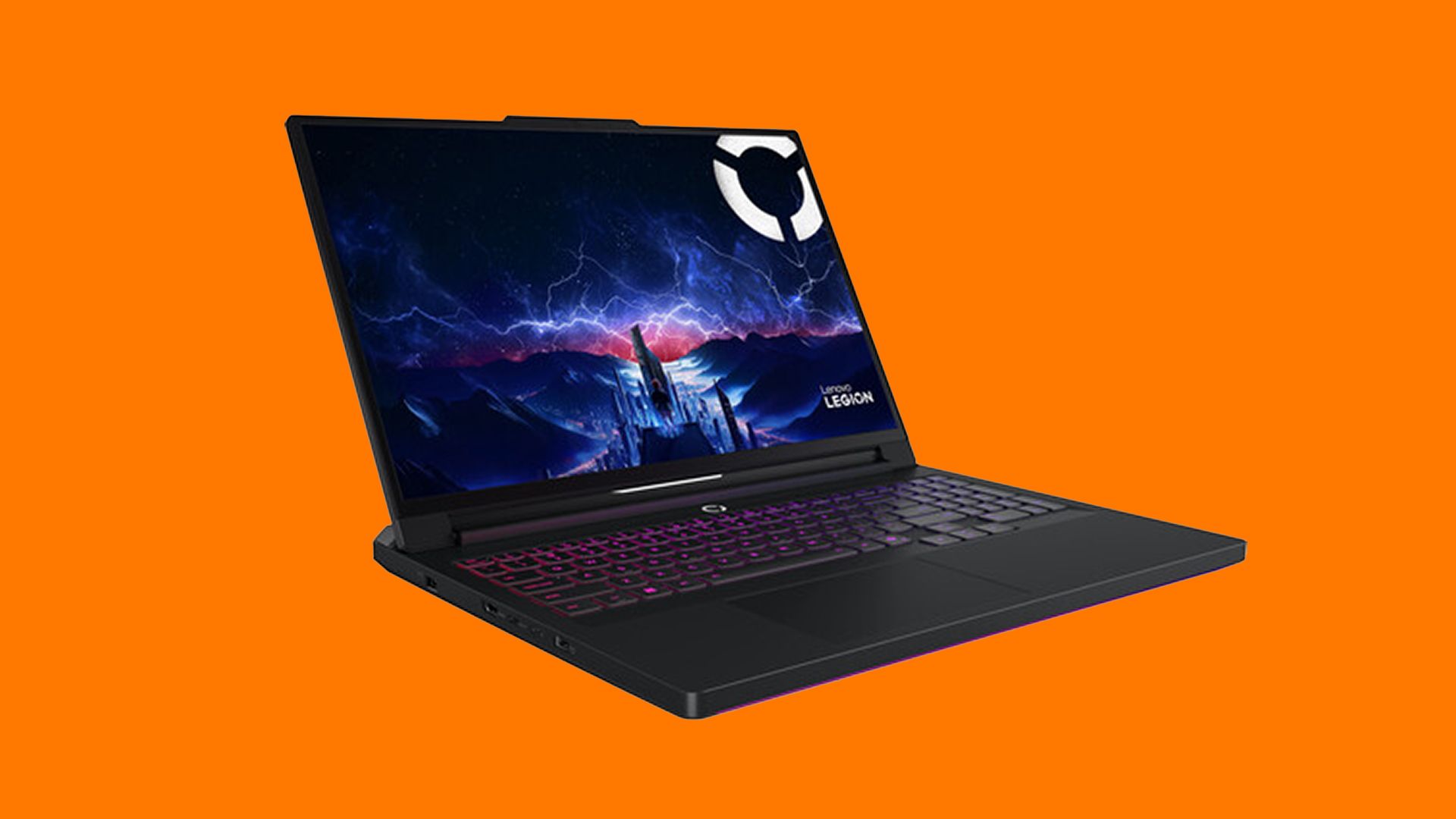
For the power user, the $1,000 discount on the 16-inch Legion Pro 7i is the standout story. Equipped with an RTX 5080 and 32GB of RAM, this machine is a genuine desktop replacement. In professional workflows, 32GB of RAM is the functional threshold for 4K video editing, multi-track audio production, and 3D rendering. The RTX 5080 provides the necessary CUDA core acceleration to handle real-time rendering in programs like Blender or Unreal Engine. By bringing this caliber of performance into a portable form factor, Lenovo and B&H are essentially neutralizing the "premium tax" that has defined the 2024 hardware landscape.
Supporting Data: Why Performance Matters for Creatives
It is easy to focus on the discount dollar amount, but the technical implications are where the real value lies.
- RAM Throughput: Modern creative software, particularly Adobe Creative Cloud, is notoriously memory-hungry. When a system lacks sufficient RAM, it utilizes "swap space" on the SSD. While modern NVMe drives are fast, they are not a substitute for DDR5 memory. The 32GB configuration in the Legion Pro 7i prevents the system from bottlenecking during high-intensity tasks.
- Thermal Management: The Legion Pro series is widely regarded for its advanced thermal management. For a creator, thermal throttling is the enemy. When a laptop overheats, it downclocks its CPU and GPU, extending rendering times by minutes—or even hours—per project. Lenovo’s design philosophy prioritizes airflow, ensuring that these machines maintain peak performance over long sessions.
- Display Accuracy: Beyond internals, these machines offer high-refresh-rate, color-accurate displays, which are essential for color grading and precise design work.
Official Responses and Industry Outlook
While official comments from manufacturers are often guarded regarding supply chain fluctuations, the general consensus among hardware analysts is that we have reached a temporary plateau. Retailers are currently incentivized to move inventory before the next generation of silicon hits the market in 2025.
"We are seeing a strategic realignment," notes one retail industry analyst. "Manufacturers are balancing the need to maintain brand prestige with the practical reality that consumer spending power has been strained by inflation. These specific discounts are designed to capture the segment of the market that is ready to upgrade but has been held back by the price hikes."
The Implications: Should You Buy Now or Wait?
The primary question remains: is this the "best" price we will see?
The common advice for years has been to wait for Black Friday. However, the current hardware landscape is unpredictable. In previous years, Black Friday discounts were predictable and deep. In 2024, the supply chain volatility means that if a specific high-spec configuration sells out, it may not be replenished at the same price point.
If you are a professional creative whose current hardware is limiting your output, the cost of waiting—measured in lost productivity and time—far outweighs the potential $50 or $100 you might save by holding out for an extra month. A $1,000 discount on a machine as capable as the Legion Pro 7i is, by any objective metric, a "Black Friday-level" deal.
Conclusion
The hardware market is currently in a state of flux, but the consumer is not entirely powerless. By identifying opportunities where retailers are clearing out high-performance inventory, creatives can secure the tools they need to stay competitive. Whether you are a student looking for a reliable 15-inch machine for graphic design or a professional video editor requiring the immense power of an RTX 5080, these current Lenovo offers provide a rare opportunity to bypass the "RAM crisis" and invest in the future of your creative workflow.
For those still weighing their options, consider your specific software requirements. If your projects involve heavy multi-tasking or 3D assets, prioritize the 32GB RAM configurations. If your work is primarily 2D and portable, the 15-inch Legion 5a remains one of the most balanced options on the market. In either case, acting now may be the most prudent decision in a year defined by uncertainty.