From Toy Box to Living Room: How Pinterest and Barbie are Revolutionizing Interior Design

Since its debut in 1962, the Barbie DreamHouse has been more than just a plastic plaything; it has served as an architectural training ground for generations of young designers. It is a space where color palettes are tested, furniture configurations are dreamed up, and the boundaries of residential aesthetics are pushed to their limit. Now, in a move that signals the evolution of digital home decor, Mattel and Pinterest have bridged the gap between childhood fantasy and adult reality. Through a new partnership, users can now leverage Pinterest’s AI-powered "Restyle" tool to inject the iconic Barbie DreamHouse aesthetic into their own physical living spaces.
The Evolution of the DreamHouse Aesthetic
For over six decades, the Barbie DreamHouse has reflected the prevailing architectural and interior design trends of its era, evolving from the mid-century modern simplicity of the original 1962 version to the glitzy, maximalist towers of the 21st century. It has always functioned as a backdrop for exploration—a safe space to experiment with bold patterns, unconventional color combinations, and avant-garde layouts.
However, the leap from a tabletop dollhouse to a real-world living room has historically been fraught with practical challenges: Will that neon pink chair actually work with a dark oak floor? How does one balance "superstar glam" without overwhelming a small apartment? Pinterest’s new collaboration aims to demystify these questions by providing a high-tech sandbox for homeowners, renters, and design enthusiasts alike.
The Mechanics of "Restyle": A Technological Deep Dive
Launched in beta last month, Pinterest’s Restyle tool represents a significant milestone in the integration of Generative AI within consumer-facing platforms. The tool is designed to be intuitive, functioning as a bridge between the inspiration found on a Pinterest board and the practical reality of a user’s own home.
How It Works
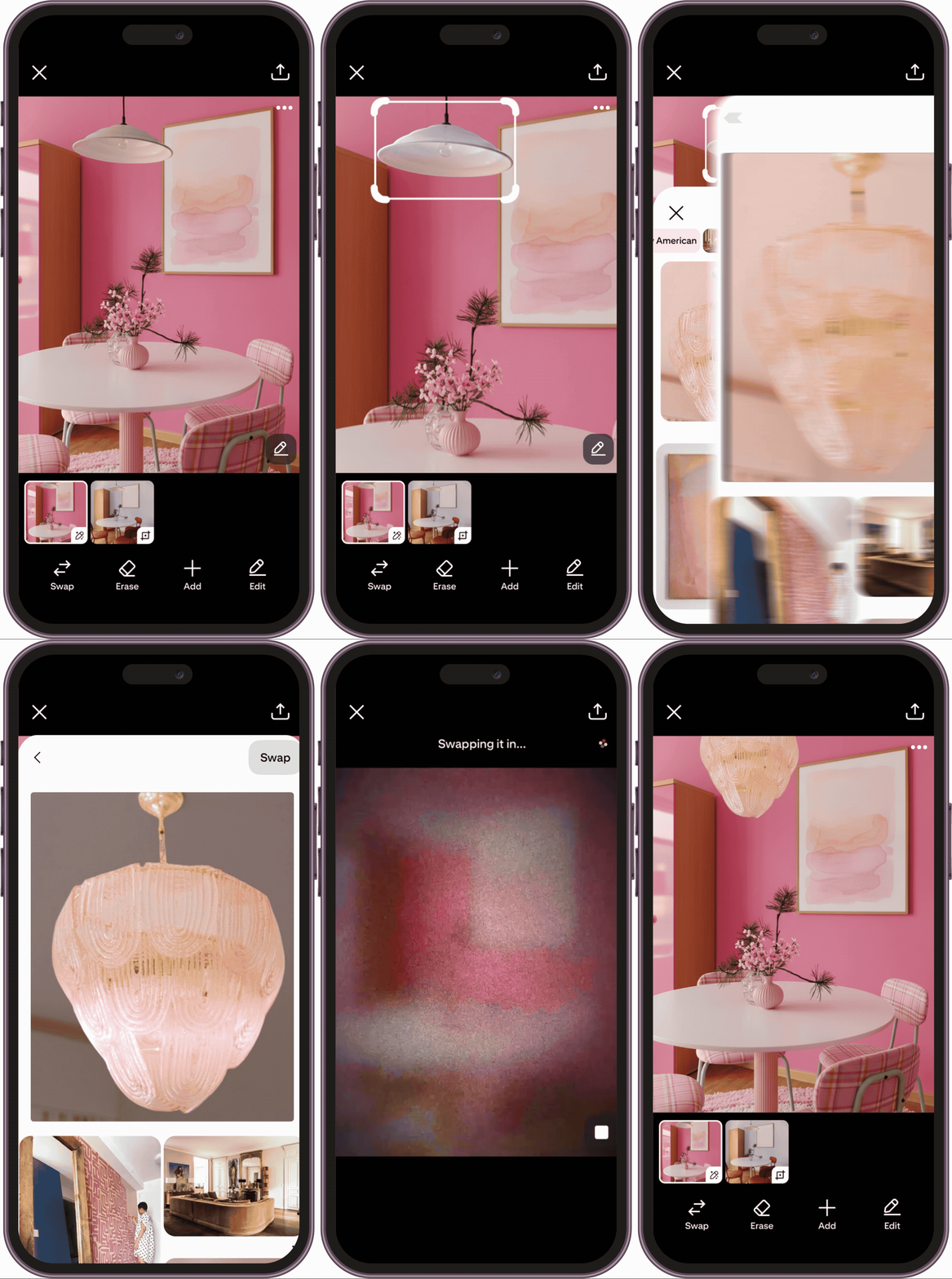
The process is streamlined for accessibility. A user uploads a photograph of their existing room into the Pinterest mobile app. Utilizing advanced computer vision and generative AI, the Restyle tool analyzes the room’s dimensions, lighting, and existing furniture. From there, users can apply a variety of "DreamHouse-inspired" style filters.
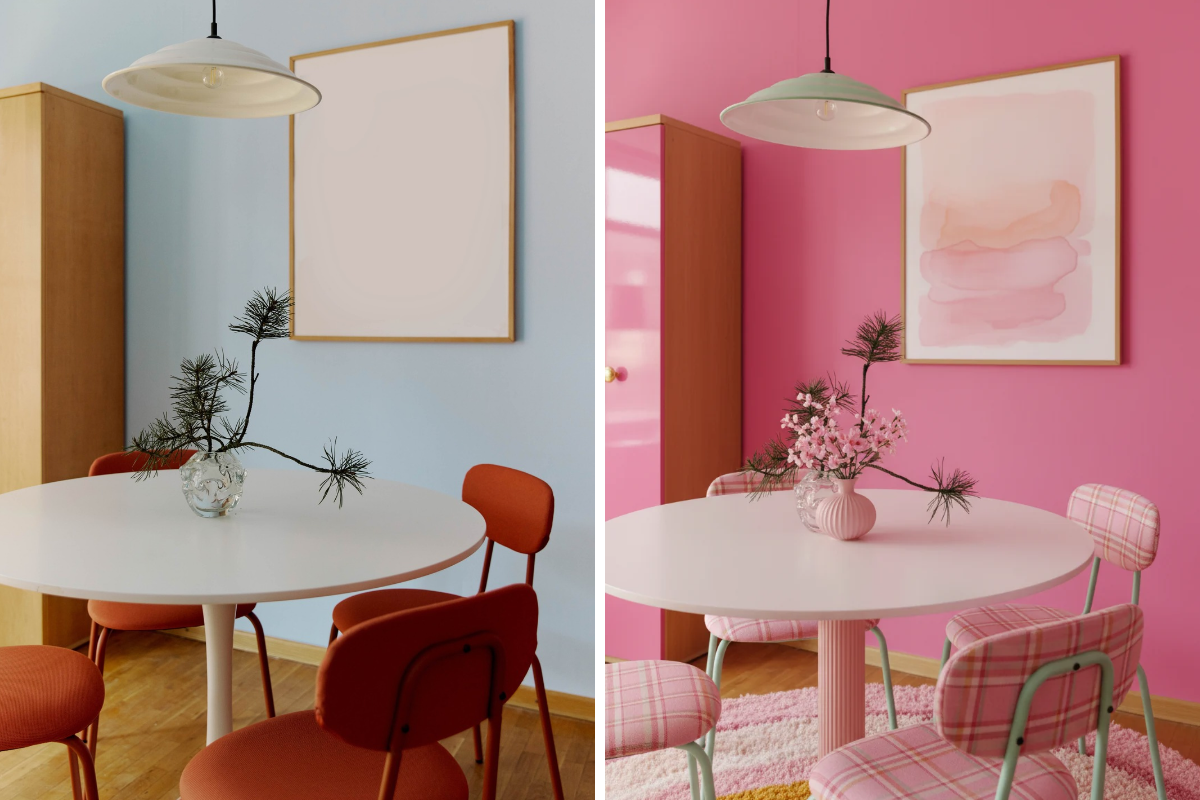
The technology does more than just overlay a filter; it conceptually rearranges the room, allowing users to swap out specific furniture pieces, change wall colors, or introduce decorative accents based on text prompts. By describing a change—such as "swap the coffee table for a mid-century glass version" or "change the wallpaper to a floral Victorian pattern"—the AI renders a photorealistic representation of the space, giving users a high-fidelity preview of their potential renovation projects.
Chronology of a Cultural Phenomenon
The rise of the "Barbiecore" aesthetic is not a sudden trend but a cumulative cultural movement.
- 1962: The inaugural Barbie DreamHouse is released, cementing its place as a design icon.
- Early 2020s: A surge in interest in maximalism and "dopamine decor" begins to take hold on social media platforms.
- 2023: The global release of the Barbie feature film catapults pink-centric design into the mainstream, with searches for home decor related to the aesthetic reaching unprecedented levels.
- October 2026: Pinterest officially launches the Barbie-themed collaboration within the Restyle beta tool, offering five distinct design aesthetics.
- November 2026: A cross-country activation featuring a 26-foot-long Barbie-themed truck brings the digital experience to physical pop-up locations in New York, Dallas, and Los Angeles.
Supporting Data: The "Pink" Economy
The collaboration is backed by significant consumer data that underscores a shifting desire in the interior design market. Pinterest reports that the appetite for Barbie-inspired interiors is not a niche interest but a widespread trend.
According to recent internal search analytics from Pinterest:
- "Barbie DreamHouse aesthetic" searches have surged by 72%.
- "Pink apartment ideas" have seen a massive 224% increase in search volume.
- "Pink dorm aesthetics" have grown by 120%.
These figures represent a broader pivot toward expressive, personal, and highly stylized home environments. Users are no longer looking for "neutral" or "safe" design choices; they are increasingly seeking out high-impact elements like vibrant wallpaper, statement lighting, and unconventional rug textures. The Restyle tool acts as a validation engine for these users, proving that these bold choices can indeed harmonize with their existing spaces.
Five Pillars of the DreamHouse Aesthetic
The collaboration focuses on five distinct design directions, ensuring that the Barbie influence is not limited to a single "pink-everything" look:
- Mid-Century Americana: A nod to the original 1962 house, focusing on clean lines, retro patterns, and a blend of vintage warmth with contemporary function.
- Chalet Chic: An exploration of cozy, winter-inspired textures and wooden accents, reimagined through a playful Barbie lens.
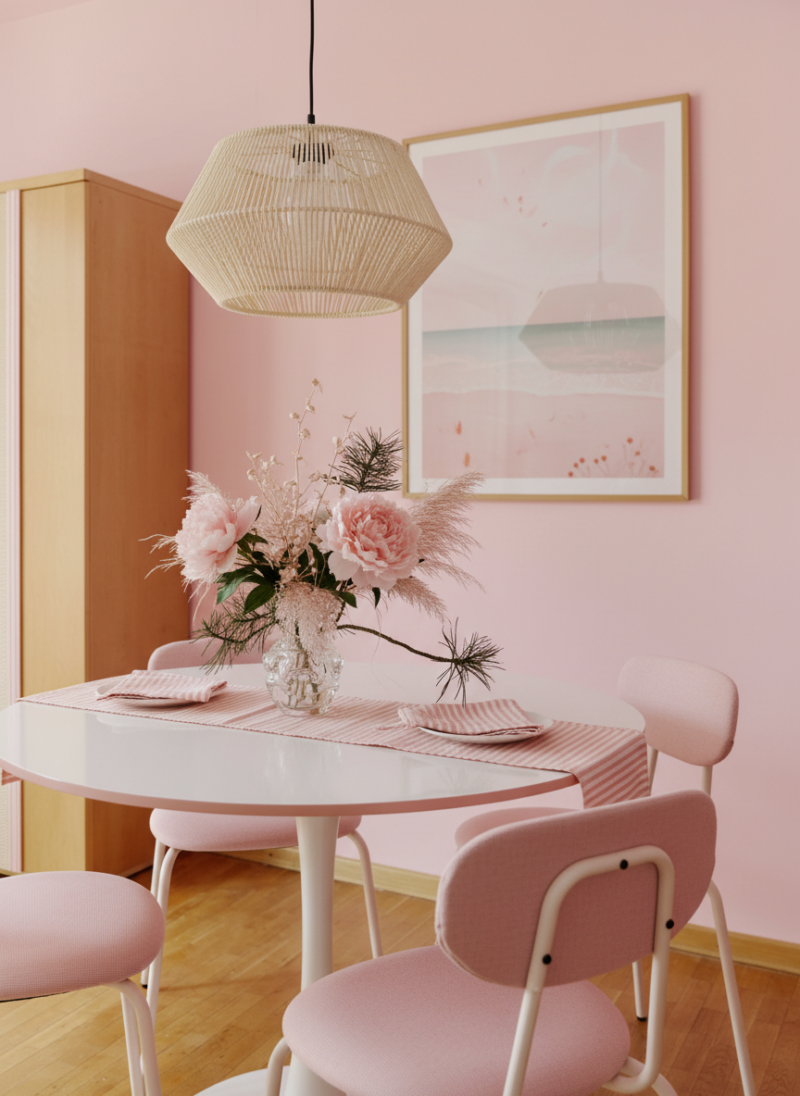
- Superstar Glam: The quintessential Barbie look, characterized by high-gloss surfaces, crystal accents, metallic finishes, and, of course, plenty of pink.
- Victorian Romance: A more sophisticated, ornate approach featuring velvet upholstery, intricate floral motifs, and a soft, pastel-heavy palette.
- Modern Coastal: A relaxed, breezy aesthetic that balances bright colors with light-reflecting materials, suitable for airy, contemporary spaces.
Official Perspectives: Bridging the Gap
Sara Pollack, VP and Global Head of Consumer Marketing at Pinterest, emphasizes that the goal of this collaboration is to remove the "fear factor" associated with interior design.
"People come to Pinterest with a vision for how they want their spaces to look and feel, but it’s not always easy to imagine how those ideas will translate into their own homes," Pollack explains. "With Restyle, we’re helping bridge that gap by giving people a way to experiment with different design styles, see how furniture, colors, and decor work together in their actual space, and discover products that bring their vision to life."
Pollack highlights that the partnership is intended to be a playful evolution of the user experience. By gamifying the design process, Pinterest is encouraging users to move beyond merely "pinning" images to a board and toward actually envisioning their own homes as creative projects.
Implications for the Interior Design Industry
The implications of this technology extend far beyond a single brand collaboration. As AI-powered design tools become more sophisticated, the interior design industry is likely to see several shifts:
The Democratization of Professional Visualization
Traditionally, photorealistic room renderings were reserved for high-end interior designers and architects. With tools like Restyle, the average consumer can now visualize complex changes to their living space in seconds. This lowers the barrier to entry for home improvement and empowers DIY enthusiasts to take greater risks with their decor.
The Retail Connection
The most significant long-term implication for Pinterest and Mattel is the potential for commerce. As users experiment with their rooms, the next logical step for the platform is to suggest products that match the AI-rendered styles. If a user likes the "Superstar Glam" dining room, Pinterest can seamlessly transition from the visualization phase to the shopping phase, connecting the user with furniture brands and decor retailers that offer products matching the AI-generated aesthetic.
A New Era of "Dopamine Decor"
The collaboration reinforces the growing trend of "dopamine decor"—designing spaces that prioritize personal joy and emotional response over traditional "good taste." By providing the tools to experiment with bold, non-traditional styles, Pinterest is fostering an environment where users feel more confident in expressing their unique personalities.

Conclusion: The Future of the Digital Home
The partnership between Barbie and Pinterest is a masterful intersection of nostalgia and innovation. It acknowledges the emotional attachment many have to the Barbie DreamHouse while providing a practical, future-facing solution for the modern homeowner.
As the beta period for the Restyle tool continues, it serves as a harbinger of how we will interact with our homes in the coming decade. With a phone in hand and AI as a guide, the dream of transforming one’s living space is no longer confined to the imagination of a child—it is a tangible, actionable reality. Whether you are looking to add a subtle hint of "Superstar Glam" or fully commit to a "Modern Coastal" makeover, the digital tools now exist to ensure that your home, much like Barbie’s, can be whatever you want it to be.
Editorial Transparency: This article was developed with the assistance of AI tools, which were utilized for structural outlining and data synthesis. All reporting, fact-checking, and editorial synthesis were performed by the Design Milk editorial team to ensure accuracy and professional standards.