The End of the "Ramping Up" Era: How OneDine’s ROM is Redefining Restaurant Hospitality

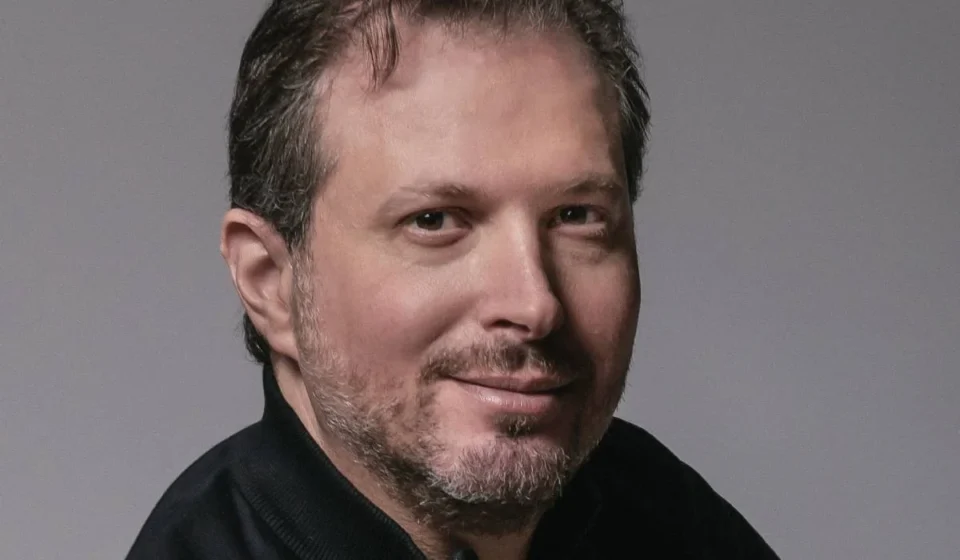
For decades, the hospitality industry has operated under a paradoxical burden: the belief that the only way to ensure quality service is to force employees to memorize a labyrinthine menu, complex modifier logic, and the idiosyncratic rules of a rigid Point-of-Sale (POS) system. Rom Krupp, a veteran of the technology sector with a foundational background in sociology and economics, has spent the last 20 months challenging this orthodoxy.
Krupp, the leader of OneDine, argues that the industry’s obsession with "server retention" as the cure-all for operational instability is fundamentally misguided. Instead, he is introducing a new paradigm: the "Restaurant Ordering Mentor" (ROM), an AI-driven platform designed to offload the cognitive burden of order-taking, allowing servers to return to their primary purpose—hosting.
The Churn Crisis: A $5 Billion Problem
To understand the necessity of ROM, one must first confront the grim statistics of the modern full-service dining landscape. The National Restaurant Association reports a staggering 89 percent turnover rate for servers. With roughly 2.3 million servers in the U.S. and nearly half a million positions vacant at any given time, the industry is in a perpetual state of "ramping up."
According to a seminal study from Cornell University, the cost to replace a single employee hovers around $5,800. When aggregated across the industry, the total cost of churn reaches an estimated $5 billion annually. This is particularly devastating for a sector where, as of early 2024, nearly 42 percent of restaurants failed to turn a profit, and the average net profit margin sat at a razor-thin 3.6 percent.
Krupp’s research suggests that for most casual dining operators, retention is an impossible target. "Retention is a privilege of restaurants with higher per-person averages (PPA)," Krupp explains. "Unless you are in a small market where a lower PPA is relatively lofty, your best servers are eventually going to elevate out of the role or head to restaurants where they can wait on larger checks. The problem isn’t that they leave; the problem is the cost associated with them leaving."
The Sociology of Service: "Flight Attendant" Syndrome
Krupp draws a compelling parallel between modern server training and the airline industry. In aviation, the flight attendant’s primary directive is safety—getting passengers from Point A to Point B. Because this is the core utility, customers are conditioned to forgive gaps in interpersonal engagement.
"The problem today is we hire servers almost like we hire flight attendants," says Krupp. "We spend so much time ramping them up to be great order takers that we neglect to make them great hosts. They aren’t just processing transactions; they are hosting a party. They are hosting an experience."
The current training model forces new hires to memorize 150 to 300 menu items, complex allergy-cooking combinations, and dozens of specific upsell phrases. It typically takes 90 to 120 "covers" (served tables) for a new employee to reach full proficiency. During this 4–6 week "ramp-up" period, the restaurant suffers: error rates climb, table turns slow down, and the PPA is, on average, 8 percent lower than it would be with a seasoned server.
The Genesis of ROM: A Chronology of Innovation
Recognizing that the industry could not simply "train" its way out of high turnover, OneDine spent the last 20 months developing the Restaurant Ordering Mentor (ROM).
- Phase 1: Diagnostic Research (Months 1-6): Krupp interviewed over a dozen CEOs to understand how they managed the "knowledge vacuum" left by departing staff. The overwhelming consensus was that they were "working on retention." Krupp concluded this was a fallacy and shifted focus toward neutralizing the cost of the churn.
- Phase 2: UX Philosophy (Months 7-12): The development team looked at handheld tablets. Krupp concluded that current handhelds were actually detrimental to hospitality. They forced servers to stare at screens and tap through clunky, POS-like menus, severing the eye contact necessary for a "host" relationship.
- Phase 3: Prototype and Testing (Months 13-18): OneDine invited 10 random individuals from the Plano, Texas area—people with no prior server experience—to test the platform. Following a 15-minute orientation, these novices were able to manage tableside ordering for two hours. By the second hour, they were as fast as experienced servers using pen and paper.
- Phase 4: Live Deployment (Months 19-20): ROM officially went live in a restaurant in Flint, Michigan. The result was a dramatic reduction in training time, moving from weeks to minutes.
How ROM Works: Intelligence at the Fingertips
ROM is a POS-agnostic platform that acts as an "intelligence layer" between the server and the kitchen. Unlike standard tablets that require a server to hunt for buttons and modifiers, ROM utilizes natural language processing.
A server can type a shorthand order—for instance, "R burger, no ketch, on rings"—and the system automatically maps the request to the menu data, identifies the correct modifiers, suggests cross-sell pairings, and flags potential dietary conflicts.
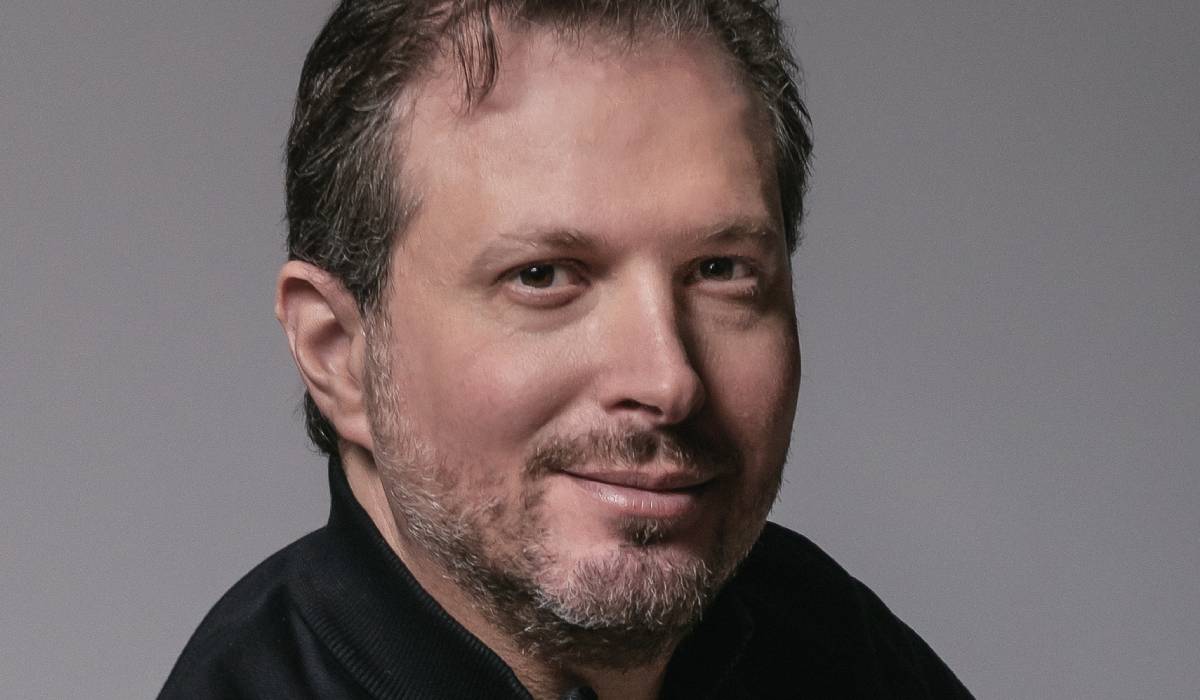
"The point is, it mentors the server," Krupp notes. "It doesn’t just handle the ordering. It manages the dietary and lifestyle requirements of the customer as well, without the server needing to memorize the entire business rulebook of the restaurant."
Because the system is 95 percent automated, the integration process is swift. The 5 percent manual oversight allows owners to define specific brand verbiage—such as referring to appetizers as "Great Beginnings"—ensuring that the technology doesn’t strip the restaurant of its unique character.
Implications for the Future of Dining
The implications of ROM go far beyond mere efficiency; they represent a fundamental shift in how restaurants value their staff. By reducing the "cognitive load" on servers, restaurants can hire for personality, hospitality, and emotional intelligence rather than just memory retention and technical aptitude.
The Death of "Do-It-Yourself" Dining
One of the most significant implications of this technology is its stance on customer-facing automation. Krupp is vocal about the growing "sour" perception of digital ordering in full-service dining.
"Limited service has dived into so much automation—kiosks, voice, and all that—and consumers are venting now when they go to table-service restaurants where they made a decision to be served," Krupp says. "Don’t tell me to do it on my own. It’s okay to do digital payments, but don’t do anything else digital in the hands of the guests."
By keeping the technology in the hands of the server rather than the guest, ROM preserves the social contract of the restaurant. The server remains the face of the brand, while the technology serves as the silent, invisible partner ensuring the order is accurate, the upsells are prompted, and the dietary restrictions are honored.
Economic Benefits and Data Integrity
For the restaurant operator, the potential benefits are twofold. First, there is the immediate impact on PPA and error rates. If a restaurant is constantly "ramping up" new staff, their data is essentially corrupted by the high error rates and lower sales volume inherent to the training process. By stabilizing this, operators can finally see the true performance potential of their menu and staff.
Second, the system creates a more sustainable work environment. When a server doesn’t have to fear making a mistake on a complex order, their stress levels drop. A more confident server is a more engaged host, which in turn leads to higher guest satisfaction and, ironically, better retention.
Conclusion: Reframing the Role of Technology
Rom Krupp’s approach is a stark reminder that in an industry defined by human interaction, technology should be an enabler, not a replacement. By shifting the focus from "training servers to memorize" to "mentoring servers to host," OneDine has provided a roadmap for how the industry might survive the twin pressures of high labor turnover and thin profit margins.
The "Restaurant Ordering Mentor" is not merely a tool for speed; it is a tool for professionalizing the service role. In an era where customers are increasingly sensitive to the quality of their experiences, providing servers with the power to act as expert hosts—without the burden of becoming human databases—may be the key to ensuring that the next generation of dining remains both profitable and authentically human.