The Evolution of Modern Living: A Comprehensive Market Analysis of Multi-Functional and Space-Efficient Seating Solutions

Main Facts: The Shift in Contemporary Interior Architecture
In recent years, the intersection of urban density, shifting remote work dynamics, and changing consumer lifestyle preferences has triggered a fundamental transformation in home interior design. The traditional living room layout—anchored by a bulky, monolithic three-piece sofa suite—is rapidly giving way to modular, multi-functional, and space-conscious seating arrangements.

Recent retail data from major home goods distributors, including Target, highlights a dramatic surge in consumer demand for versatile furniture pieces. Items such as compact loveseats, convertible floor loungers, statement storage benches, and ergonomic swivel chairs are no longer viewed merely as functional necessities, but as central design statements. This shift is driven largely by the realities of modern real estate, where square footage is at a premium, and living spaces frequently double as home offices, media rooms, and entertainment zones.
Industry analysts note that consumers are increasingly prioritizing adaptability, ease of maintenance, and aesthetic versatility over rigid, traditional layouts. Features such as performance-fabric upholstery, high-density memory foam cushioning, and hidden storage capabilities have transitioned from luxury add-ons to baseline expectations for modern buyers.
Chronology: How the Consumer Market Embraced Flexible Seating
Phase 1: The Pre-Pandemic Baseline (Pre-2020)
For decades, the residential furniture market maintained a predictable cadence. Living rooms were largely designed for formal hosting, with heavy, matching furniture sets dominating domestic spaces. Ergonomics and flexibility were secondary considerations, often sacrificed in favor of standardized manufacturing dimensions and predictable silhouettes.
Phase 2: The Lockdown Catalyst (2020–2022)
The global pandemic fundamentally altered how individuals interact with their living spaces. Confined to their homes for extended periods, consumers began to experience the limitations of rigid, single-purpose furniture. The demand for flexible, comfortable seating skyrocketed as living rooms doubled as classrooms, home gymnasiums, and full-time remote workstations. Furniture engineers and designers responded by accelerating the development of modular, adaptable seating solutions.
Phase 3: The Post-Pandemic Urban Realignment (2023–Present)
As economic pressures, shifting employment models, and rising urban housing costs pushed more consumers into compact living environments, the demand for space-efficient design reached an all-time high. The market saw a proliferation of multi-functional furniture items designed to maximize utility without compromising on high-end aesthetic appeal. Today, the focus has shifted toward smart materials—such as spill-resistant faux leathers, breathable natural linen blends, and high-resilience memory foams—that cater to modern, fast-paced households.
Supporting Data and Product Analysis: Market Trends in Seating
An evaluation of current top-performing home goods offerings provides a clear picture of what modern consumers value in their living spaces. Across various price points, several distinct product categories are leading the market transformation:
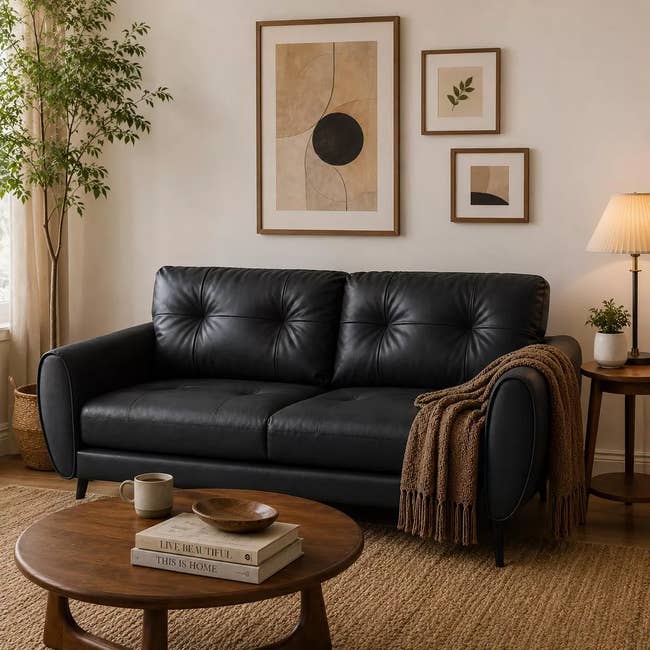
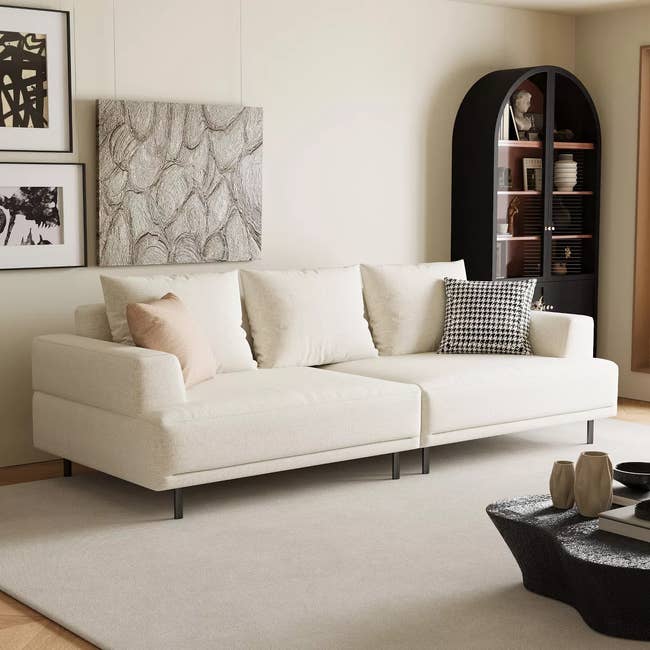
1. The Modern Faux-Leather Loveseat
- Price Point: $262.99+ (Originally $389.99+)
- Key Features: Multi-layered cushioning, water-wipeable faux-leather upholstery, mid-century tufted design.
- Market Insight: Ideal for compact spaces, this category addresses the ongoing demand for child- and pet-friendly materials that do not sacrifice mid-century modern aesthetics. Consumer feedback emphasizes the ease of maintenance, proving that low-maintenance materials are a top priority for busy households.
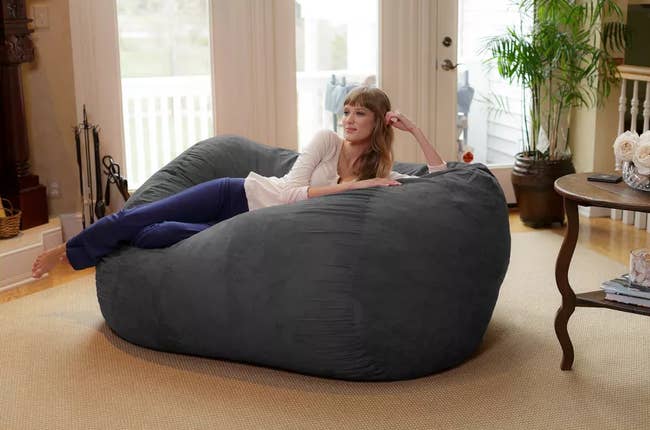
2. High-Density Foam and Modular "Cloud" Seating
- Price Point: $199.99 to $449.99+
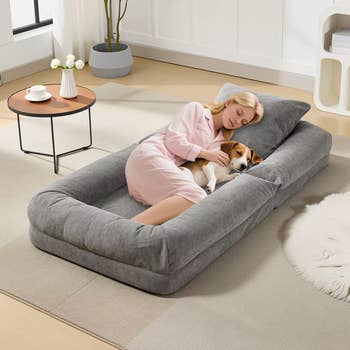
- Key Features: Memory foam filling, removable/washable covers, deep seating configurations.
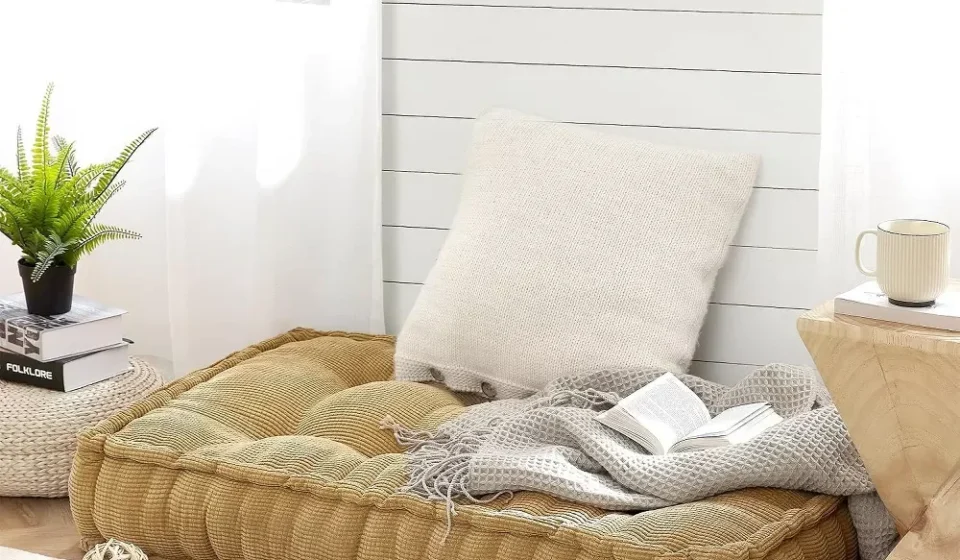
- Market Insight: Reflecting the cultural obsession with casual comfort and family-centric media rooms, oversized modular seating and bean-bag loungers cater to the "coziness" economy. The inclusion of machine-washable fabrics removes the historical anxiety associated with light-colored, high-comfort furniture.
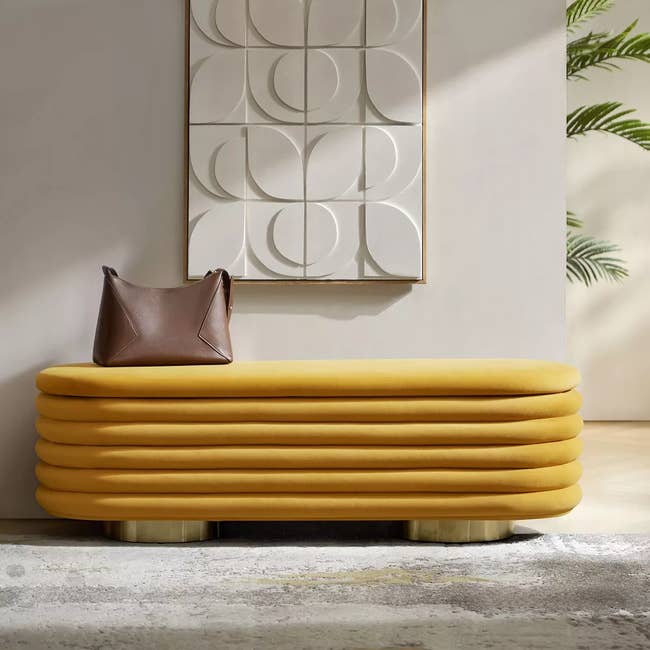
3. Multifunctional Storage Benches and Ottomans
- Price Point: $34.19 to $259.99+
- Key Features: Hidden storage compartments, plush velvet or textured chenille upholstery, channel-tufted detailing.
- Market Insight: As clutter remains a primary pain point in smaller homes and dormitories, storage seating offers a dual-purpose solution. These items serve as extra seating for guests while quietly stowing away blankets, electronics, and daily clutter.
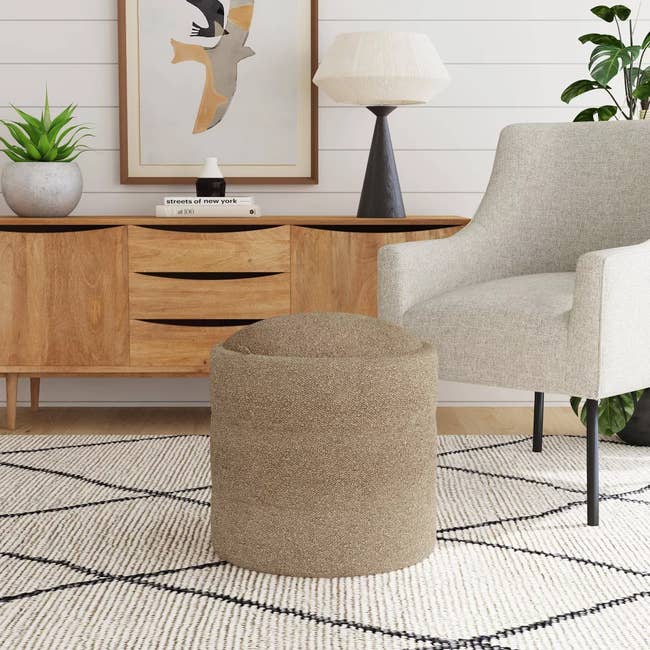
4. Ergonomic and Specialized Accent Seating
- Price Point: $89.99 to $463.99
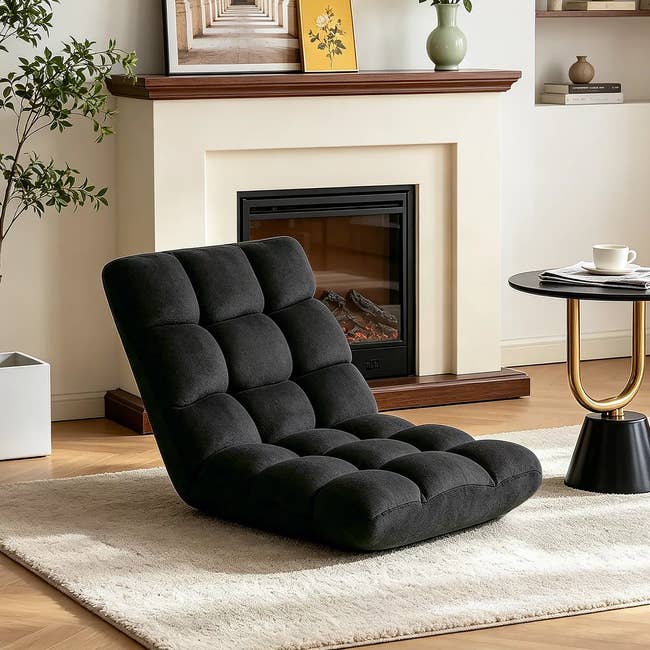
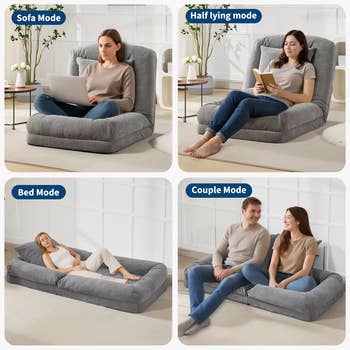
- Key Features: Crisscross swivel designs, 14-position adjustable floor mechanisms, high-density lumbar support.
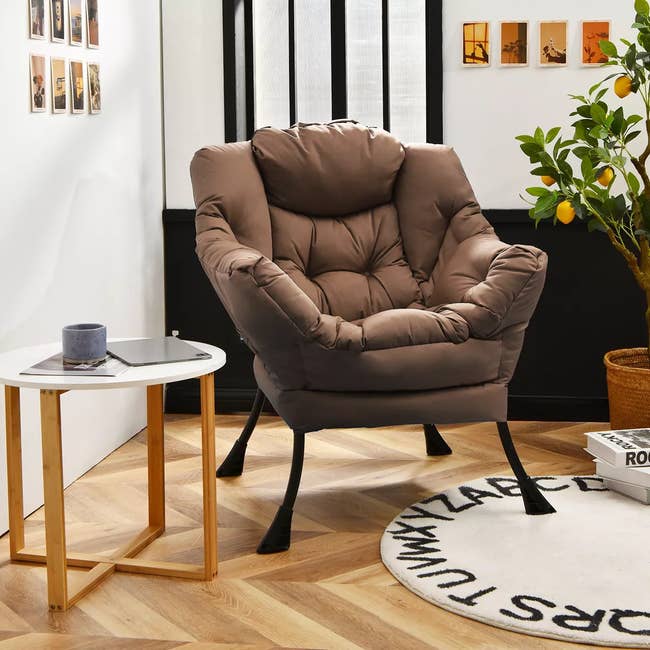
- Market Insight: The rise of neurodiversity awareness, remote work, and wellness practices (such as meditation) has driven a massive spike in alternative seating. Crisscross office chairs and multi-position floor loungers acknowledge that not all users sit upright in standard postures, catering specifically to individuals with ADHD or those who prefer cross-legged seating configurations.
Official Responses and Industry Insights
Retail experts and consumer advocacy platforms emphasize that modern furniture design must balance form, function, and financial accessibility.
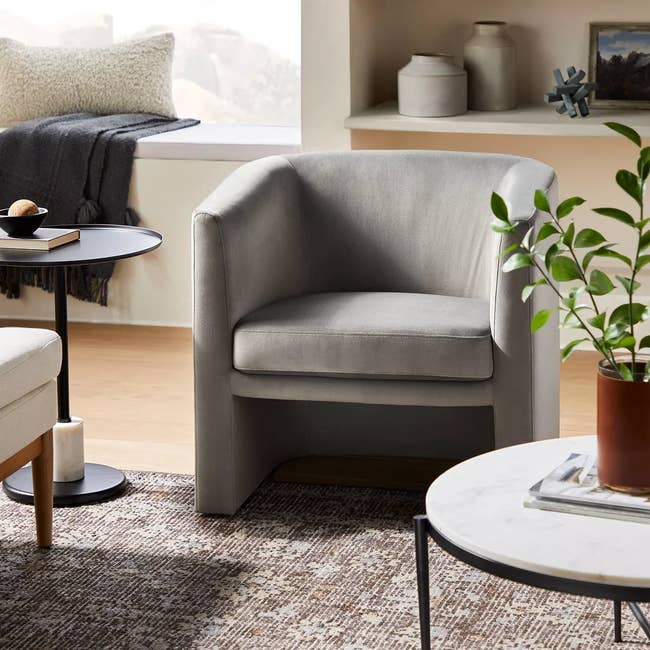
According to editorial standards outlined by major home-shopping curators, modern consumers are increasingly sophisticated, demanding transparency regarding material durability, realistic pricing, and authentic user reviews. Rather than relying on traditional marketing terminology, today’s buyers look for verified performance metrics—such as weight capacities, ease of assembly, and specific cleaning requirements.
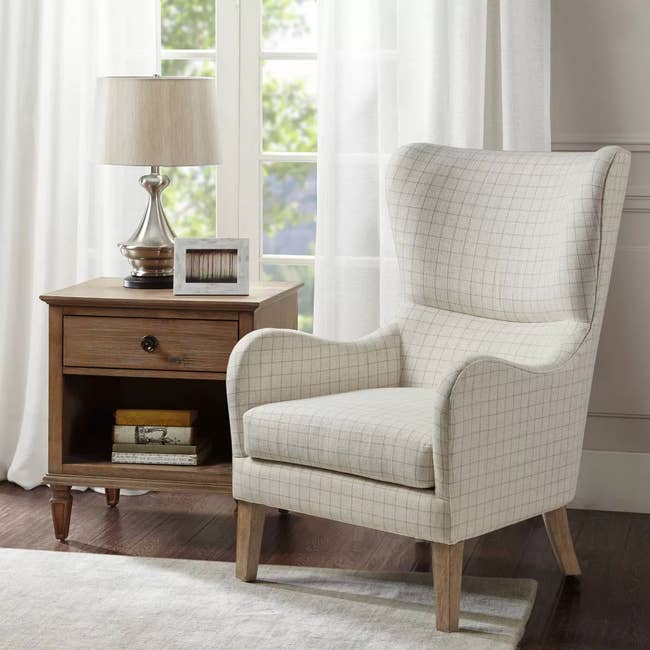
Interior designers note that the democratization of high-end aesthetics—partly driven by designer collaborations (such as retail partnerships with high-profile design studios like Studio McGee) and fast-evolving manufacturing techniques—has allowed budget-conscious consumers to achieve curated, editorial looks without prohibitive luxury price tags.
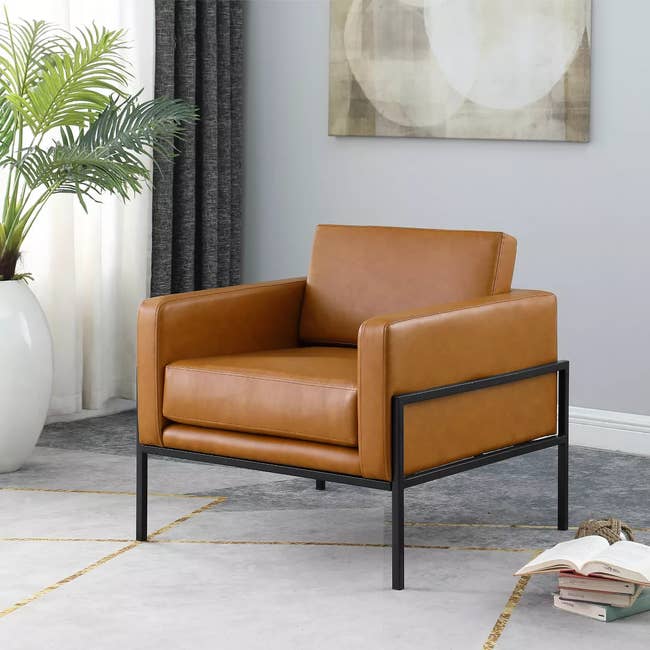
Furthermore, sustainability and durability have become key talking points for manufacturing brands. Solid wood frames, high-elastic sponge cushions, and reinforced stitching are frequently highlighted in product specifications to counter the disposable nature of fast-furniture trends.
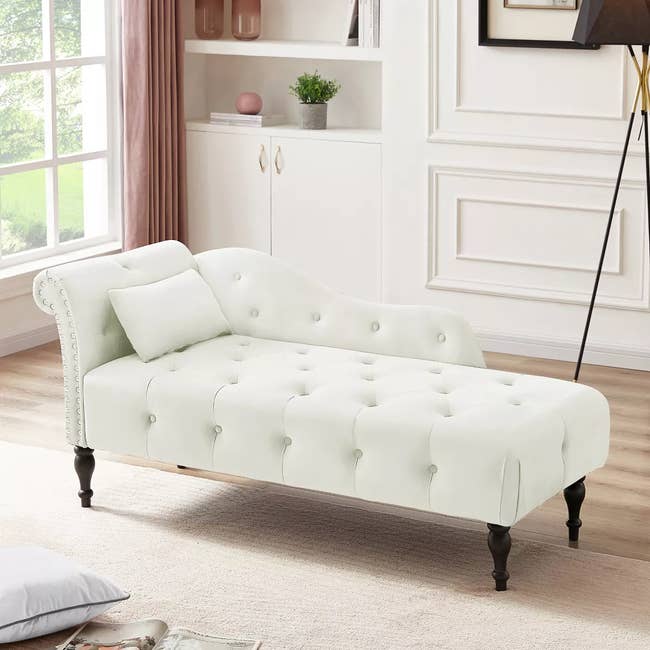
Implications for the Future of Home Architecture and Retail
The continuous evolution of seating furniture carries profound implications for multiple sectors, ranging from residential architecture to global supply chains.
1. Architectural Adaptability
As modular and multi-functional seating becomes the industry standard, residential architects and interior developers are designing smaller, more fluid floor plans. Built-in reading nooks, open-concept media zones, and flexible multi-use rooms are replacing strictly segregated formal living and dining spaces.
2. Consumer Purchasing Behavior
Shoppers are increasingly viewing furniture as an investment in lifestyle rather than a permanent architectural commitment. The popularity of lightweight, easily assembled, and modular units means consumers can reconfigure or transport their living spaces as their life stages change—transitioning seamlessly from studio apartments to family homes.
3. Retailer Strategy and Digital Integration
For major retail distributors, the success of these versatile seating categories underscores the importance of omnichannel marketing. High-resolution imagery, detailed dimension guides, and robust customer review systems are now critical tools in converting digital browsers into buyers, particularly for high-consideration home goods purchases.
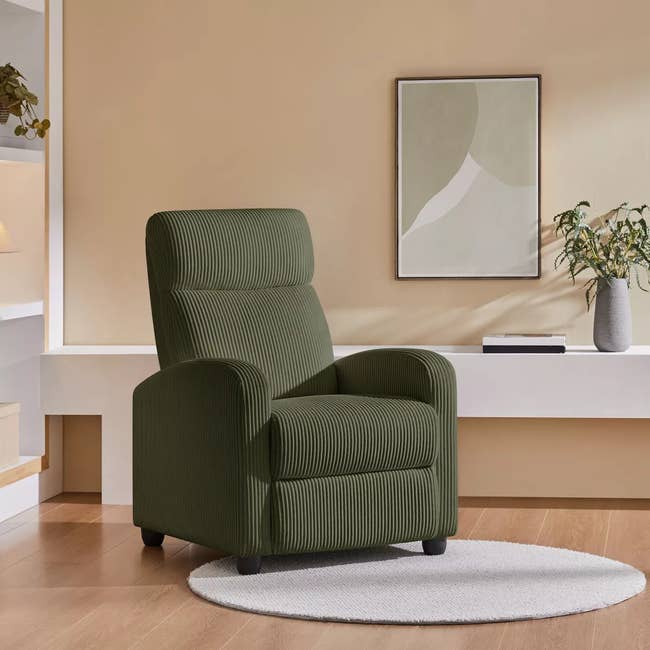
Ultimately, the current landscape of home seating proves that comfort, style, and practicality can coexist harmoniously, marking a permanent departure from the rigid interior design paradigms of the past.
Related posts: